


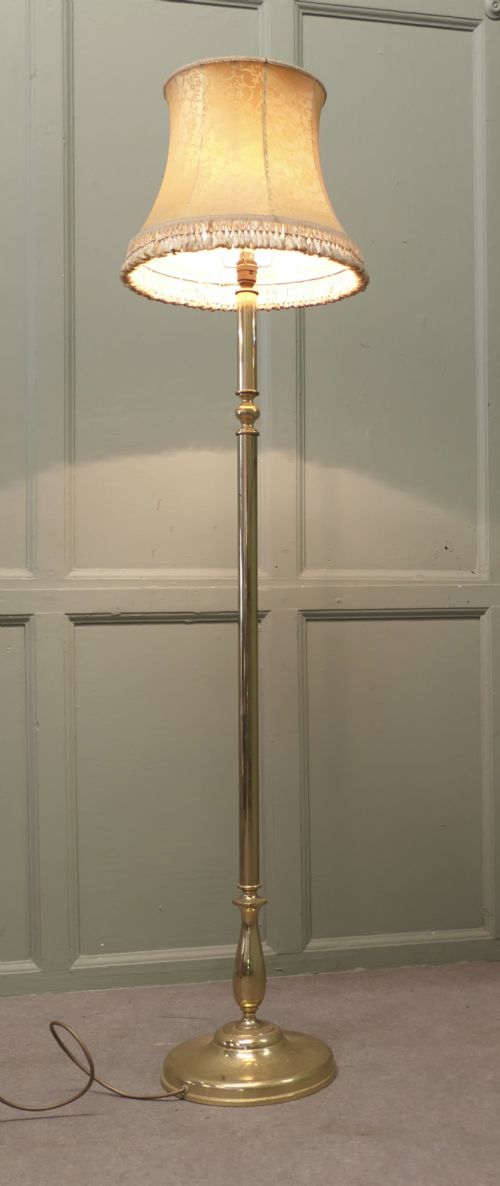

Vintage French Standing Light
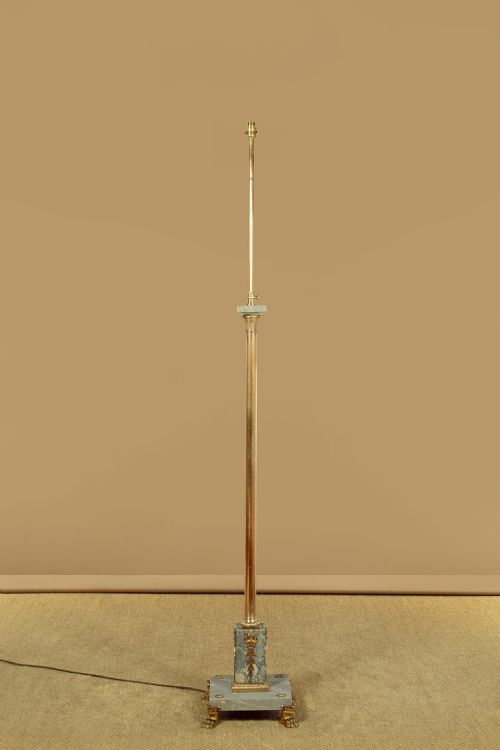
These vintage french standing light selections bring heavy classical metalwork, slender turned timber and tailored height to a room.
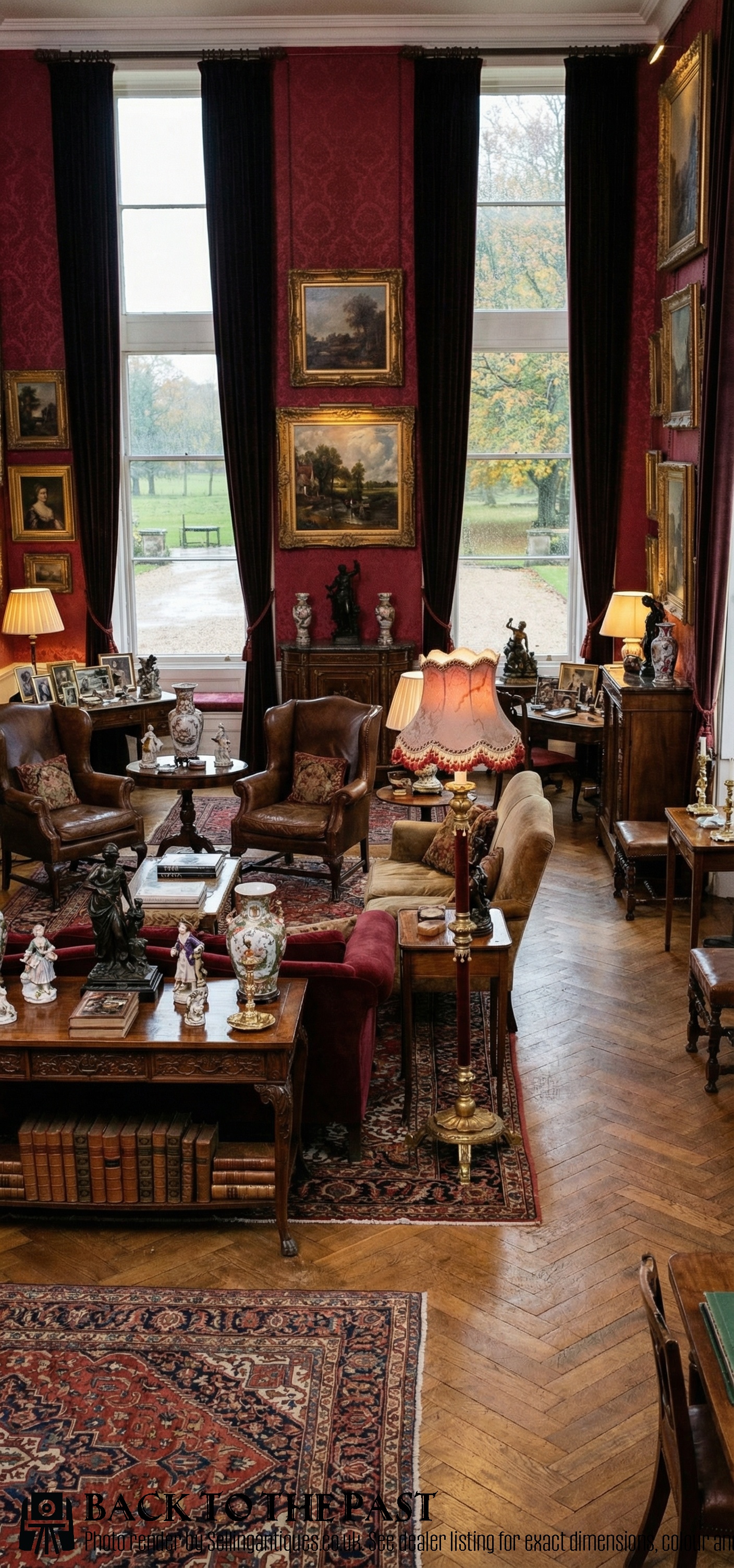
Vintage French Standing Light
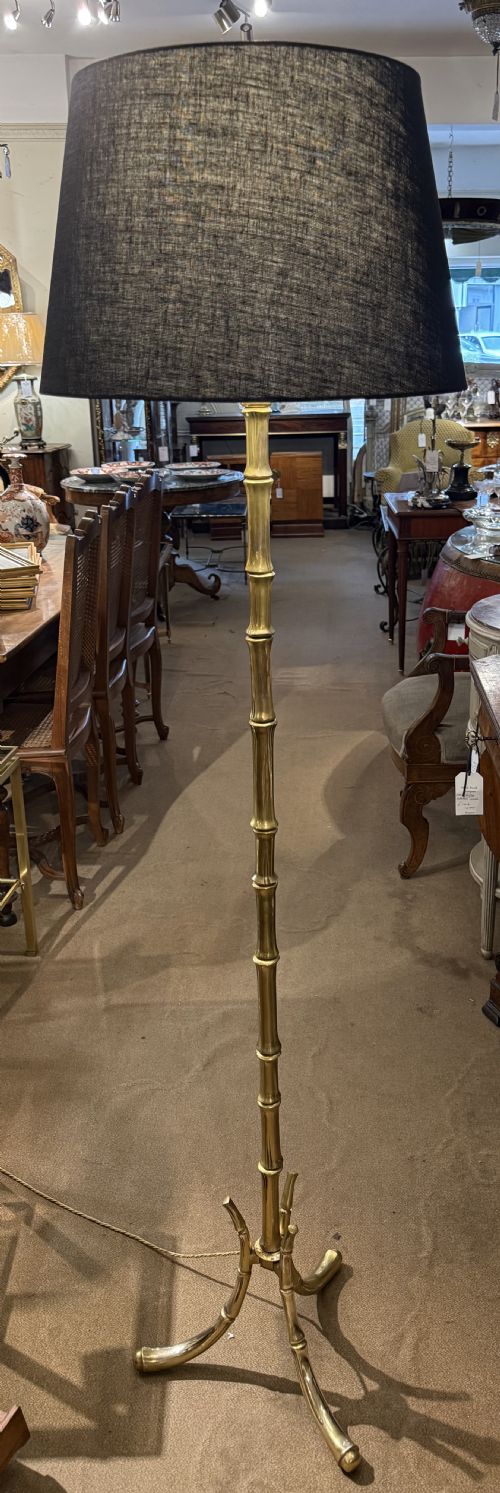
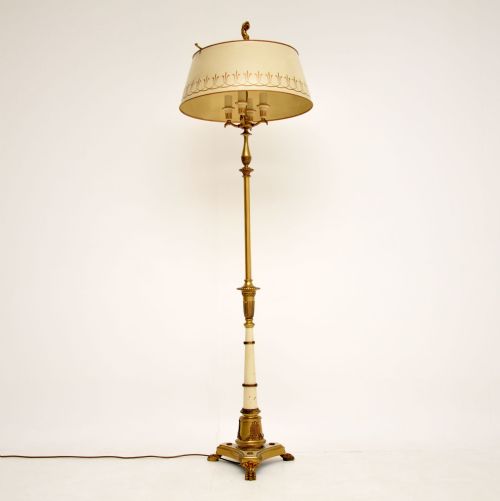
A vintage french standing light encompasses tall floor lamps, standard lamps and adapted candelabra forms originating across the nineteenth and early twentieth centuries. Buyers seeking a vintage french standing light encounter heavy metal standards, carved giltwood posts and occasional adjustable configurations meant for reading or ambient illumination.
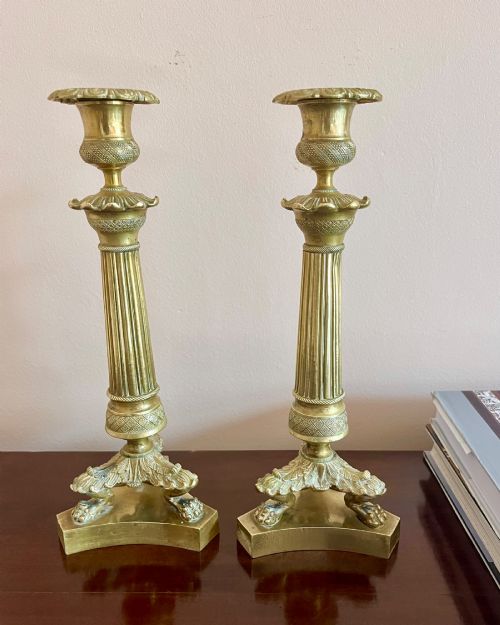
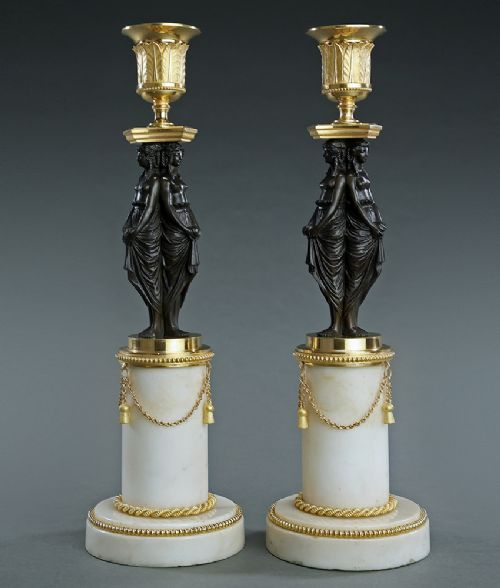
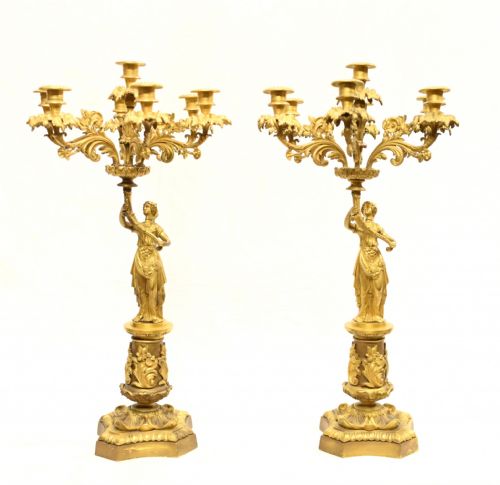
The objects span varied aesthetic movements including Regency, Louis XVI, Art Nouveau and Neoclassical styles. Pieces often combine functional lighting conversions with older candle-bearing structures such as caryatid candlesticks, ormolu candelabras and turned wooden shafts.
Materials and construction
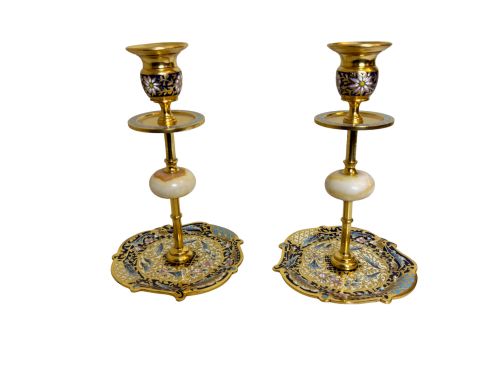
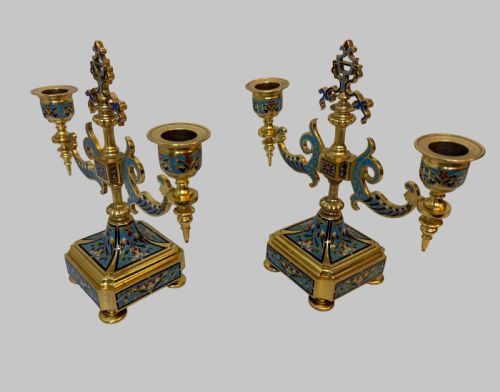
Metals form the core of these upright fixtures, utilising cast brass, gilt bronze, patinated bronze and ormolu combined with marble plinths or onyx mounts. Champleve enamel and applied gilding frequently decorate the metal surfaces.
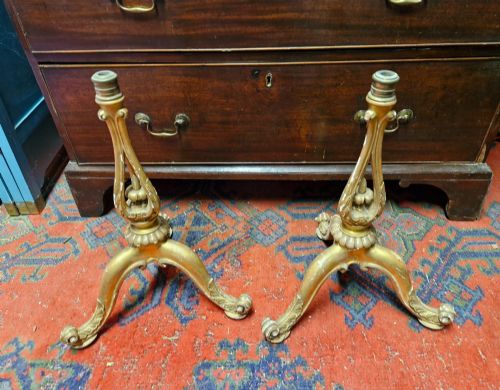
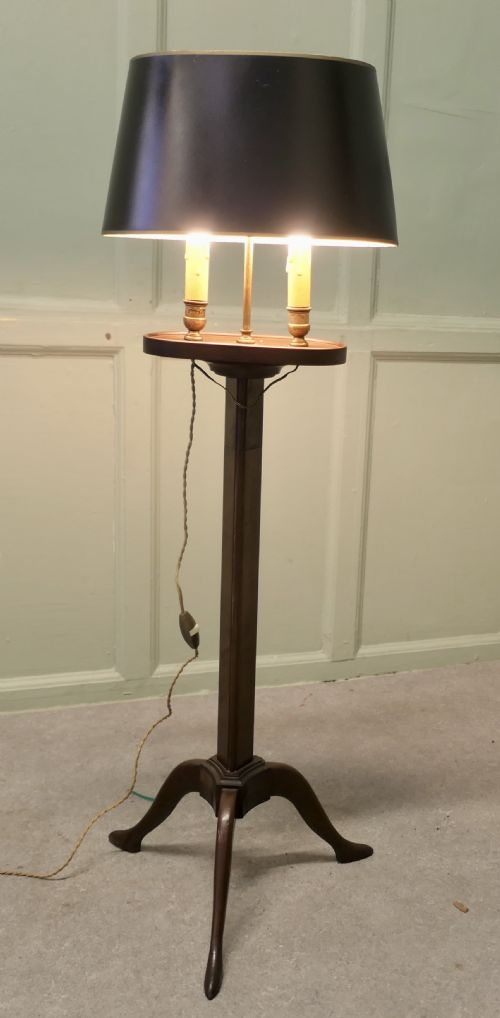
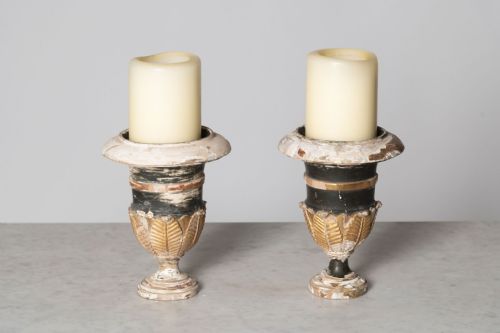
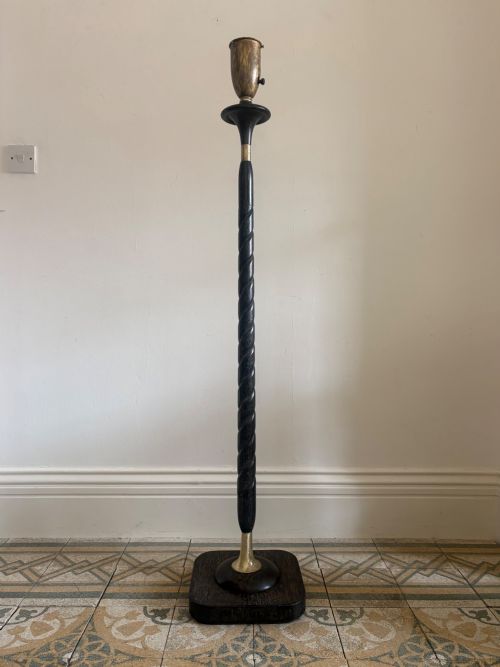
Wooden examples rely on carved giltwood, ebonised barley twist timber and treen components. Fabric shades complete many of the standing formats, paired with structural elements like tripod bases.
Several items disguise their primary function as candleholders or pillow holders before later serving as floor illumination.
Assessing the standard
Quality rests upon the crispness of the metal casting, the depth of the fire gilding and the integrity of any marble or onyx portions. Heavier bronze and ormolu mounts display sharper chiselling than lighter brass iterations.
Construction methods also dictate grade, with solid turned timbers and robust weighted bases separating superior standard lamps from simpler assembled frames.
Maison Bagues·Abel Landry
The Vintage French Standing Light Glossary
- Ormolu
- Gilt bronze ornamentation produced through a mercury gilding process on copper alloy. This technique yields a deep golden lustre found on numerous nineteenth-century lighting pieces.
- Candelabra
- A multi-branched lighting device holding several candles or wired light sources. Many surviving examples originate from earlier domestic interiors before conversion to electricity.
- Caryatid
- A sculpted female figure serving as an architectural support or pillar. These figures frequently appear supporting the upper shafts of classical candelabra and standard lamps.
- Champleve
- An enamelling technique where troughs are dug into a metal surface and filled with vitreous enamel prior to firing. It adds colourful patterning to brass and bronze bodies.
Vintage French Standing Light: Frequently Asked Questions
How do I wire a vintage floor lamp?
Rewiring requires feeding modern flex through the internal channel of the standard lamp, replacing older lampholders with compliant fittings.
Professional electricians should handle conversion work on heavy metal or antique wooden poles to ensure safety without altering historical mounts.
Are these lamps converted from candlesticks?
Many tall lighting fixtures begin life as large candelabra, altar sticks or pillar candlesticks before receiving electrical wiring.
Conversion methods vary, with some alterations retaining original drip pans and socket assemblies to preserve the antique character.
How do I identify Louis XVI style?
Louis XVI pieces display classical symmetry, straight fluted columns and restrained ornamentation inspired by archaeological discoveries.
Common motifs include acanthus leaves, ribbons and caryatid figures executed in gilt bronze or carved wood.
Where should I place a standard lamp?
Standing lights suit corners of drawing rooms or beside reading chairs where height can distribute light across seated areas.
Heavier marble-based or bronze columns require sturdy placement away from heavy foot traffic to maintain stability.