


Vintage French Side Chairs
Vintage french side chairs bring continental seating to a room, offering practical design rooted in historical provincial and chateau styles.
Vintage French Side Chairs
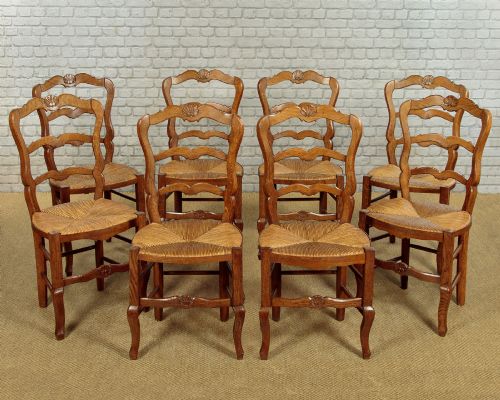
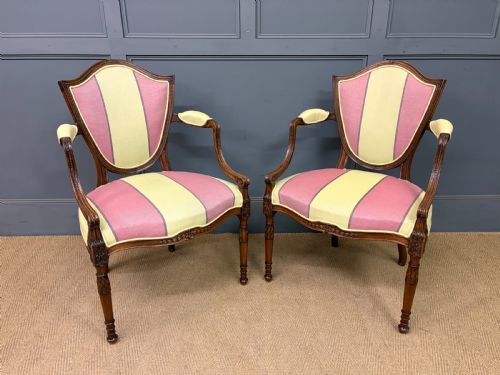
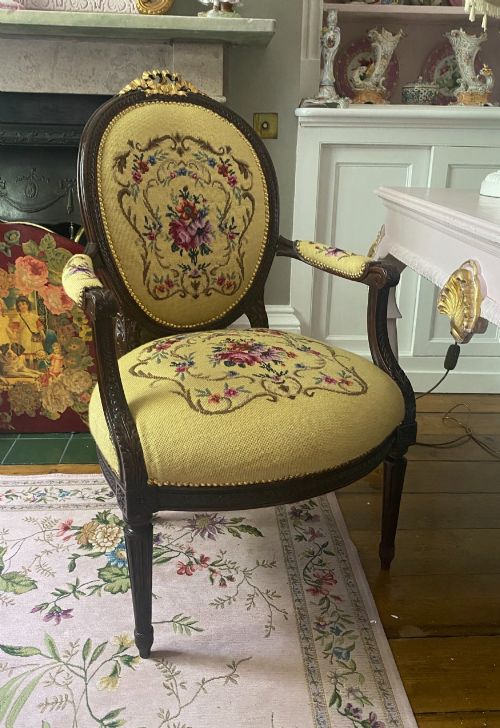
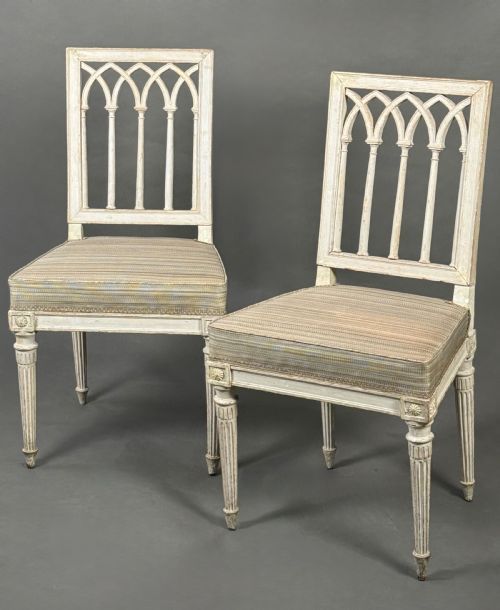
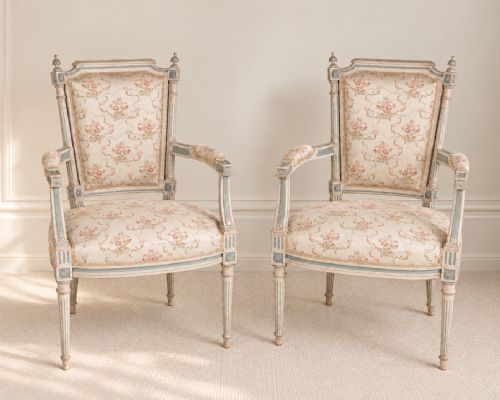
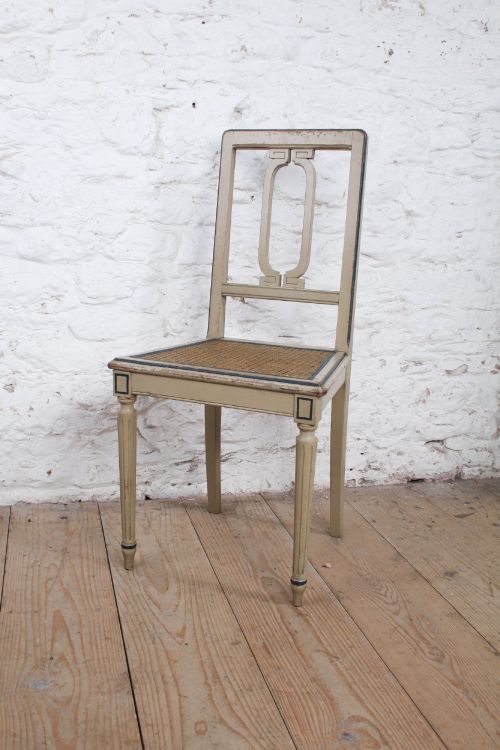
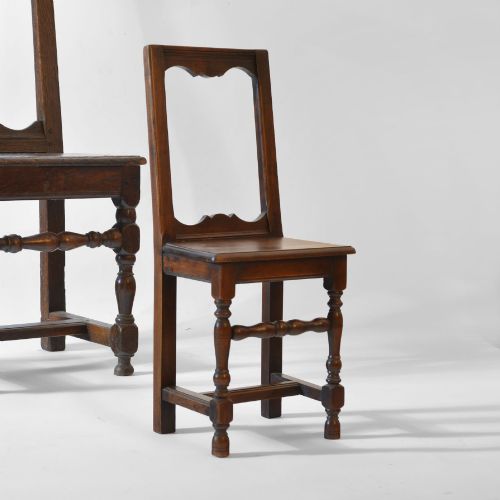
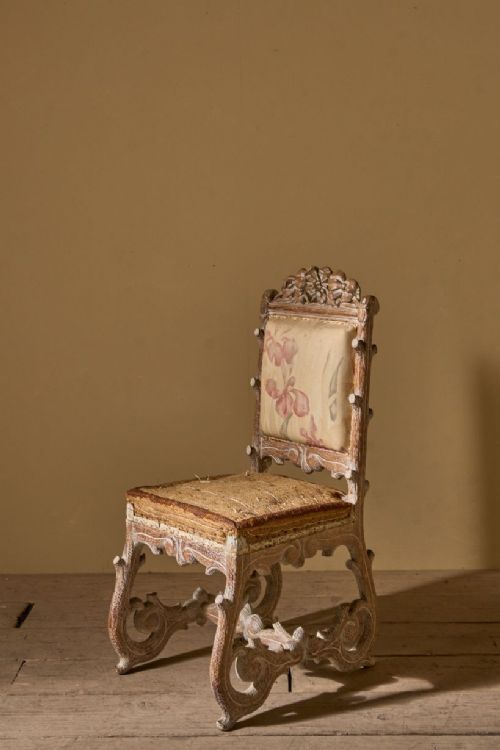
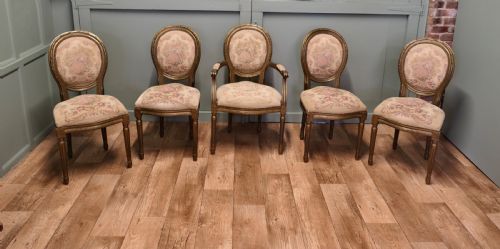
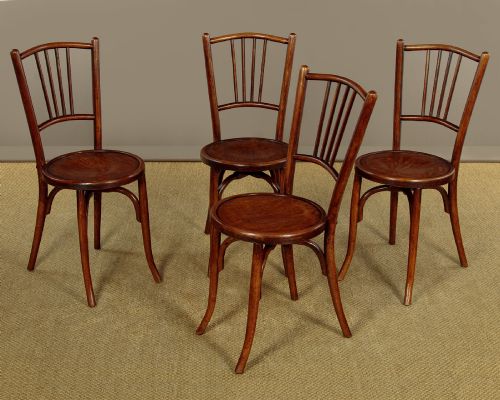
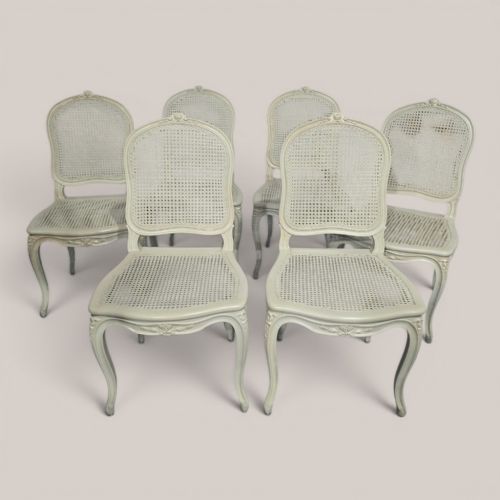
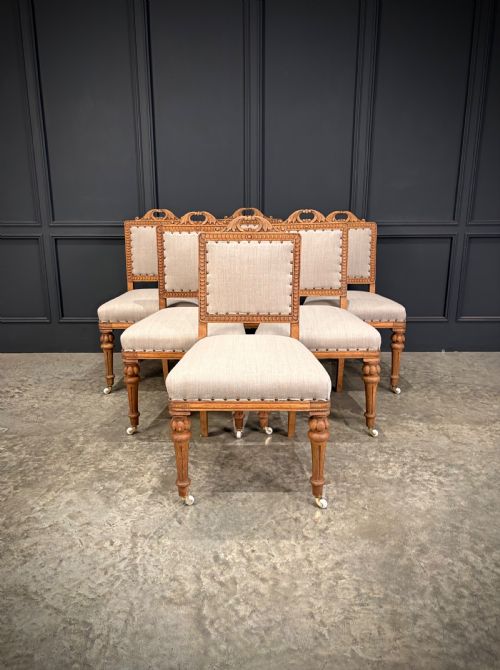
Vintage french side chairs encompass seating designed for dining rooms, salons, and boudoirs across multiple historic periods. Buyers encountering this selection will find examples ranging from rustic rush-seat ladder backs to formal giltwood and painted frames.
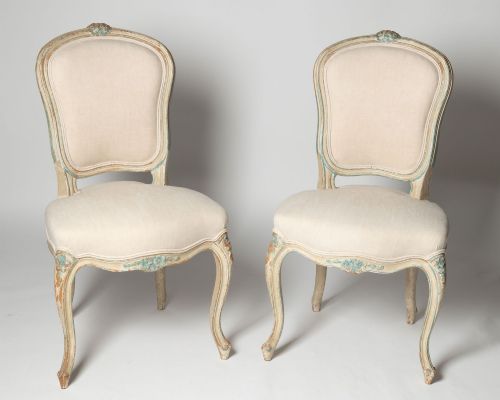
The assortment draws heavily on traditional regional forms alongside revived court aesthetics. Pieces reflect diverse influences including provincial vernacular craft, Louis XV curves, and Louis XVI geometric symmetry.
Construction varies from simple fruitwood and oak frames to decorative mahogany and parquetry. Many incorporate traditional seating materials like cane, rush, and upholstered textiles.
Materials and construction methods
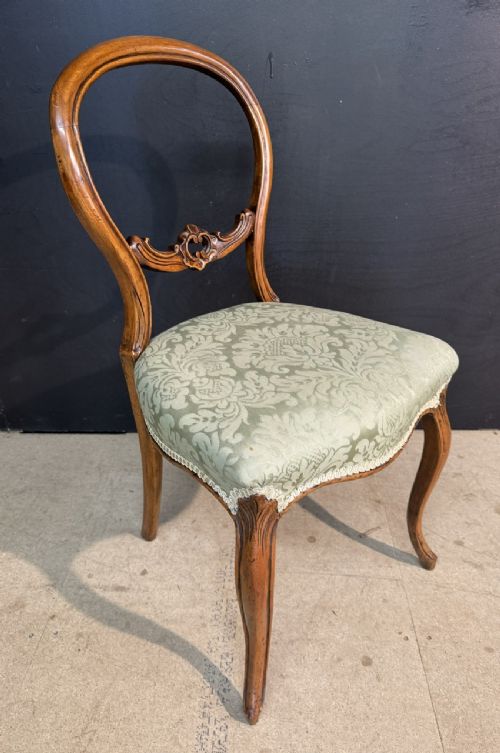
Frames rely on solid hardwoods such as walnut, oak, fruitwood, and mahogany, often shaped with carved details or turned supports. Joinery typically employs traditional mortise and tenon techniques to ensure structural stability over centuries of use.
Surface finishes range from clear polish on natural grain to applied paint, giltwood, and faux bois effects. Seating surfaces utilise woven rush, cane panels, or padded upholstery secured with textile or brass elements.
Vintage French Side Chairs Retail Price Guide 2026
Typical asking prices for vintage french side chairs among the pieces listed under this phrase on Sellingantiques today, from the lower quarter to the upper quarter. They describe what is for sale here now, not the wider market.
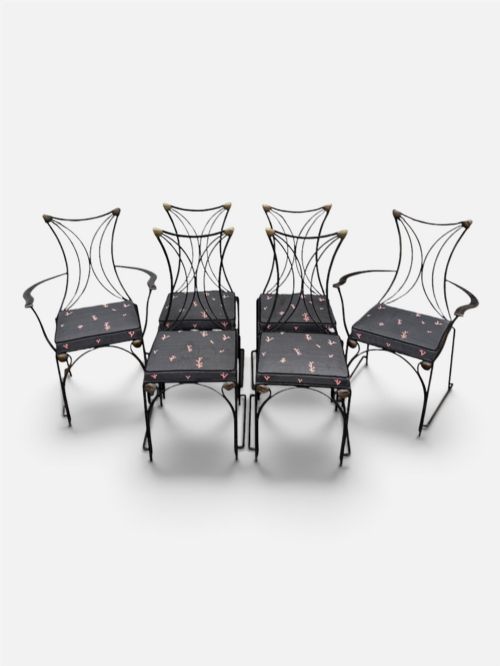
Materials documented across the inventory include painted wood, wrought iron, brass, cane, rush, velvet, and leather.
Evaluating craftsmanship and detail
Quality reveals itself in the crispness of hand-carved ornamentation and the selection of timber veneers. Superior examples display balanced proportions, tight joinery, and refined detailing such as ormolu mounts or intricate parquetry.
The integrity of secondary materials like woven rush, cane, and structural upholstery determines longevity and authenticity. Examples retaining original surface treatments and cohesive sets command greater appreciation than altered or mismatched groupings.
Codina
The Vintage French Side Chairs Glossary
- Cabriole leg
- A furniture leg that curves outward at the knee and tapers inward toward the foot, inspired by animal limbs. This form frequently appears on pieces styled after Louis XV and related revival periods.
- Bergère
- An enclosed upholstered armchair with wooden framing exposed around the sides and back. These seats often feature integrated upholstered armrests and loose cushion pads.
- Parquetry
- Geometric patterns formed by fitted wooden tiles inlaid into furniture surfaces. This decorative technique often appears on tabletops and chair backs using contrasting timbers like kingwood.
- Rush
- Woven marsh grass used to create resilient, flexible seating surfaces. It provides a traditional textured seat commonly found on ladder back and provincial chairs.
- Giltwood
- Timber coated with a thin layer of gold leaf or gilt paint. This treatment produces a brilliant reflective surface typical of formal salon and chateau seating.
Vintage French Side Chairs: Frequently Asked Questions
What defines a french side chair?
A side chair is an armless seat intended for dining tables, desks, or occasional room placement. French variants typically incorporate stylistic cues from specific regional traditions or royal court periods.
These pieces prioritise decorative frame shaping, slender proportions, and traditional upholstery or woven seating inserts.
How do i identify louis xv style?
Louis XV style pieces are characterised by asymmetrical curves, flowing organic lines, and cabriole legs. Carvings often draw inspiration from shell and floral motifs.
This aesthetic avoids rigid straight lines in favour of graceful, undulating contours across the seat rail and backrest.
Are rush seat chairs durable?
Rush seating utilises twisted marsh grass woven tightly across an open wooden frame to create a strong, supportive surface. When kept dry and away from excessive moisture, woven rush remains robust for decades.
Maintenance involves avoiding liquid spills and preventing abrasive wear to the natural fibres.
How to mix chairs in a dining room?
Combining different chairs works best when pieces share a common material, period, or tonal palette. A matched set offers uniformity, whereas paired armchairs at the head of a table create visual contrast.
Maintaining consistent seat heights ensures comfort around the dining surface regardless of minor stylistic variations.