






Vintage French Pillow
These vintage french pillow examples bring historic textile artistry directly into modern interiors, offering authentic nineteenth-century charm and tactile comfort.
Vintage French Pillow
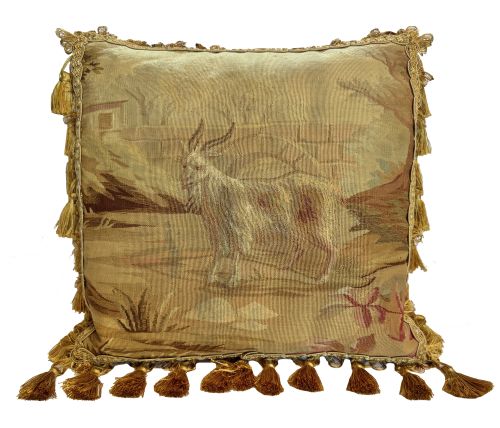
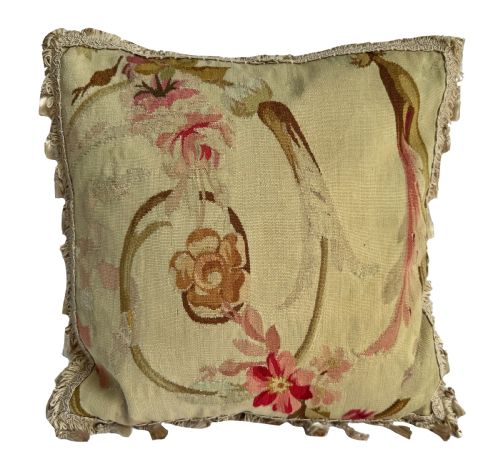
Forms span across classic French Chateau, French Country, French Folk Art, and French Rococo styles. You will most frequently encounter Aubusson tapestry cushions dated around eighteen-sixty, alongside silk cushions from eighteen-fifty.
The objects serve as both comfortable furnishings and historical textile fragments preserved from earlier centuries. Each piece reflects distinct regional aesthetics, from the grandeur of chateaus to simpler folk interpretations.
How they were made
Maker construction relies on traditional textile arts using materials such as wool, silk, cotton, and linen. Tapestry weaving forms the foundation for many decorative items, often enhanced with intricate passementerie trim.
Turned wood and hardwood feature in structural elements like lace makers pillow holders. These natural materials combine to create durable, highly decorative domestic objects built entirely by hand.
Vintage French Pillow Retail Price Guide 2026
Typical asking prices for vintage french pillow among the pieces listed under this phrase on Sellingantiques today, from the lower quarter to the upper quarter. They describe what is for sale here now, not the wider market.
Listings feature periods spanning from eighteen-fifty to eighteen-eighty, utilising wool, silk, cotton, linen, tapestry, and turned wood.
What varies in quality
Quality differences emerge through the intricacy of the tapestry weave and the finesse of the silk or wool execution. Aubusson cushions with complex pictorial designs command greater attention than simpler iterations.
The choice of supplementary materials, such as elaborate passementerie trimming or carefully turned hardwood frames, elevates the overall execution. Preservation of the original textile integrity dictates the distinction between standard examples and exceptional items.
The Vintage French Pillow Glossary
- Aubusson
- A style of hand-woven tapestry traditionally produced in the town of Aubusson in central France. These woven panels frequently depict pastoral scenes or floral motifs used on cushions.
- Passementerie
- Edgings, trimmings, tassels, and braided cords applied to textiles. It provides a decorative border finish on cushions.
- Tapisserie
- The French term for tapestry work used to create pictorial textile surfaces. This technique forms the primary visual element on many nineteenth-century cushions.
- Victorian
- A nineteenth-century period style encompassing the reign of Queen Victoria. Items from this era often incorporate turned wood and specialised lace-making apparatus.
Vintage French Pillow: Frequently Asked Questions
How were antique Aubusson cushions used?
Aubusson cushions functioned as decorative home furnishings within period interiors, adding texture and colour to seating areas. Their woven wool and silk panels displayed elaborate pictorial or floral designs.
Over time, these textiles transitioned from functional items to collectible pieces of historical weaving. Today, collectors place them on historic or modern furniture to introduce antique charm.
What materials are used in these cushions?
The primary textile materials include wool, silk, cotton, and linen, often combined into woven tapestries. Passementerie details frequently provide decorative borders and trims.
Structural elements on related items like lace makers pillow holders incorporate turned wood and solid hardwood. These natural materials ensure the longevity of the historical textiles.
How do you date nineteenth-century french cushions?
Dating relies on stylistic markers associated with periods such as the Victorian era or specific decades like eighteen-sixty and eighteen-eighty. Material analysis of the silk, wool, and linen also assists in confirming the timeframe.
Maker techniques and regional French styles, such as French Folk Art or Rococo, further clarify the age of the piece. Comparing construction methods against documented nineteenth-century examples establishes the correct era.