




Vintage French Medallion
A vintage french medallion offers wearable history in precious metals, bringing intimate religious devotion and artistic symbolism from past decades directly to the modern neck.
Vintage French Medallion
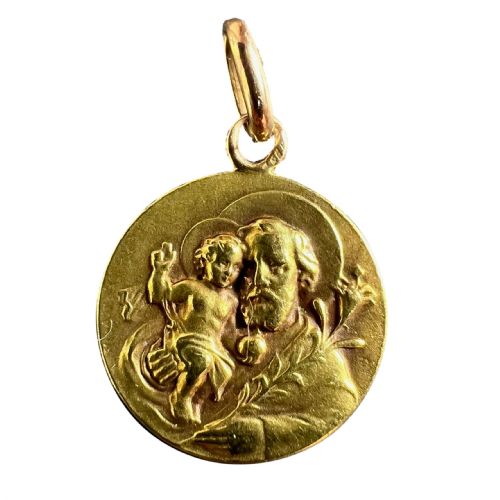
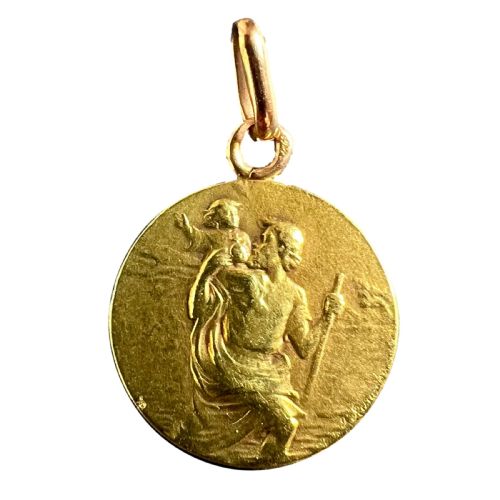
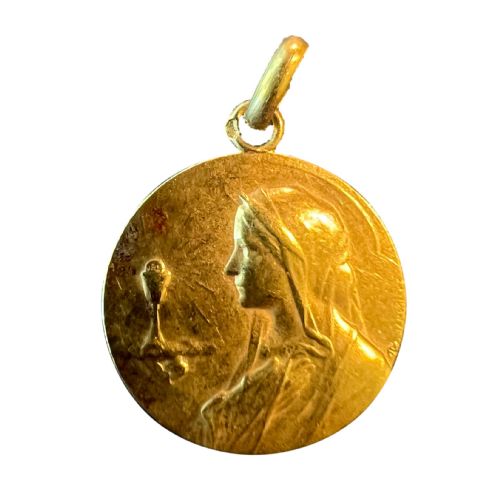
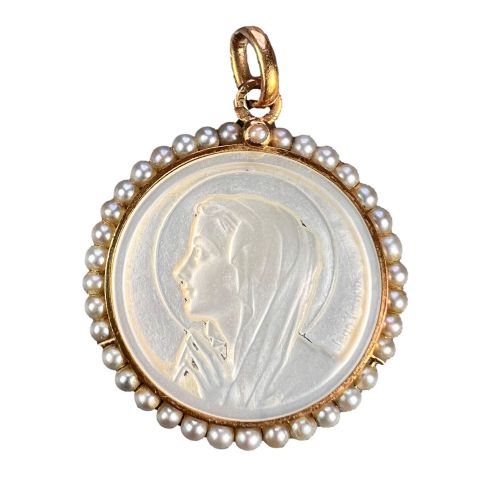
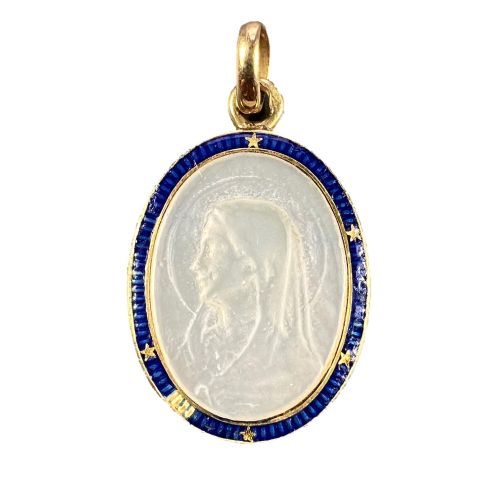
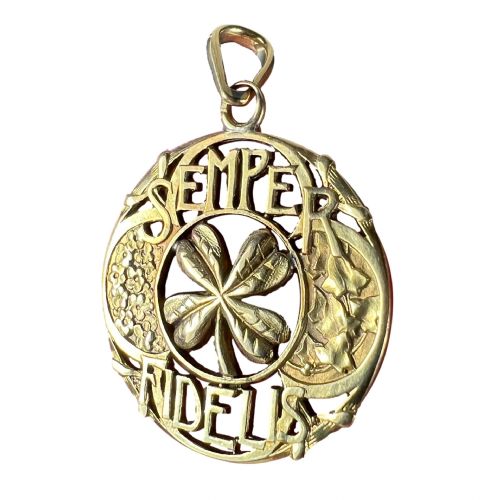
The most common form on this page is the devotional medal depicting the Virgin Mary, Madonna and Child, or patron saints, often rendered with detailed relief work. Alongside these religious pieces sit secular charms featuring zodiac signs, lucky clovers, and floral wreaths from the 1900s to the 1930s.
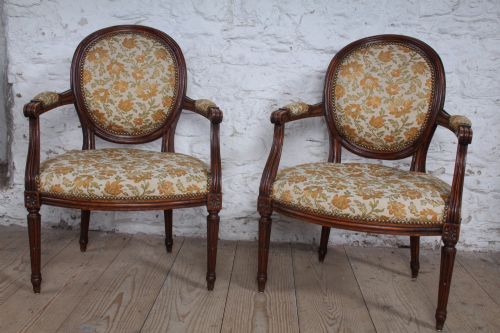
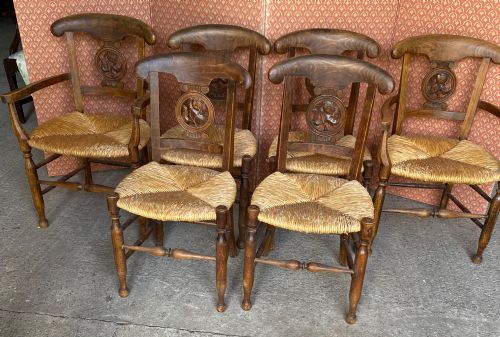
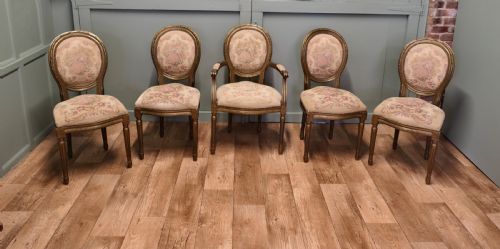
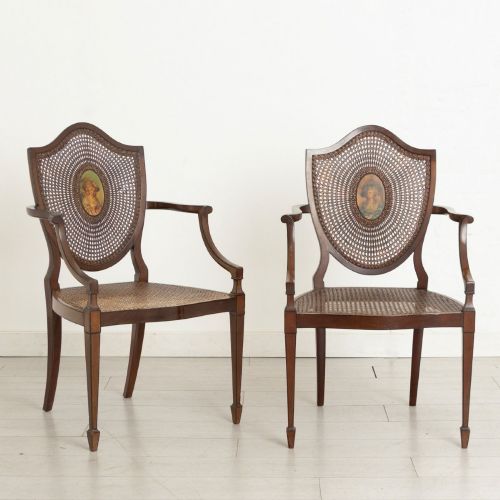
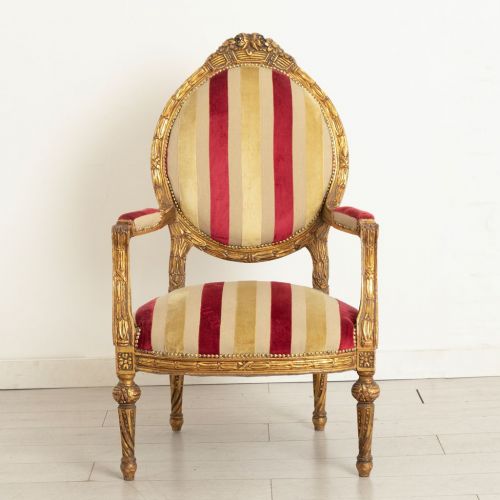
The selection also extends unexpectedly into larger furnishings such as giltwood armchairs and salon suites bearing medallion-shaped backs. However, the core of the category remains jewellery, particularly pendants cast in gold and occasionally accented with enamel or mother of pearl.
Materials and construction
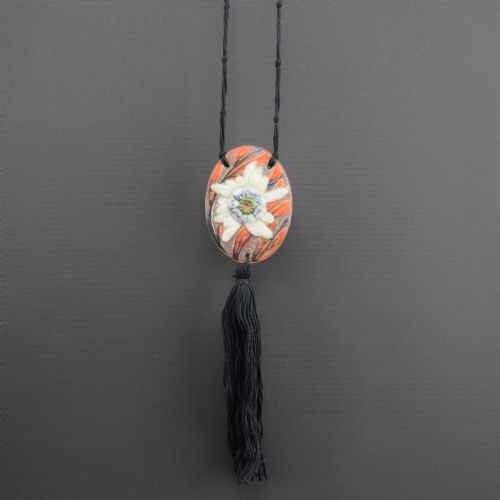
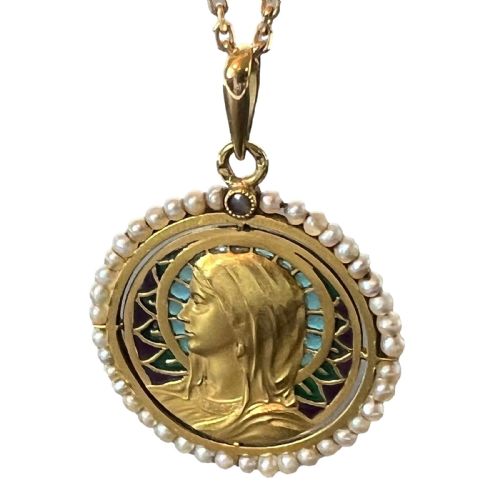
Gold forms the primary structural material across the jewellery selections, predominantly appearing as eighteen-carat yellow, rose, or white gold. Makers combined this metal with delicate decorative techniques such as plique-à-jour enamel, which creates a stained-glass effect by suspending translucent enamel within wire cells.
Natural accents like seed pearls and mother of pearl frequently frame the central metal reliefs, adding texture and subtle iridescence to the pendants. Artisans utilised twisted wire frames and hand-engraving to finish the edges and backs of the medallions, ensuring visual interest from every angle.
Vintage French Medallion Retail Price Guide 2026
Typical asking prices for vintage french medallion among the pieces listed under this phrase on Sellingantiques today, from the lower quarter to the upper quarter. They describe what is for sale here now, not the wider market.
Listings span from the 1880s through the 1950s, featuring eighteen-carat yellow, rose, and white gold alongside mother of pearl and enamel.
Factors of quality
The distinction between standard output and finer work lies in the crispness of the artisan's strike and the depth of the metal relief. Signed pieces bearing the marks of known medallists display superior facial expressions, drapery folds, and lettering compared to unsigned or mass-produced alternatives.
The integration of complex decorative techniques, such as meticulous enamel work or perfectly matched seed pearls, elevates a piece significantly. Quality also shows in the weight of the gold and the subtlety of hand-engraved inscriptions on the reverse.
Argy Rousseau·Emile Monier·Paul Brandt·Perroud·Mazzoni·Monier·Pageli Perriat·Guilbert·Vernon·Emile Dropsy·Sellier·Rasumny·Dropsy·Tairac
The Vintage French Medallion Glossary
- Medallion
- A circular or oval piece of metal resembling a medal, worn as a pendant or charm. These items frequently commemorate religious figures, personal milestones, or astrological signs.
- Plique-à-jour
- An enamelling technique where the enamel is applied without a backed metal foil, allowing light to shine through the transparent or translucent colour. This method resembles miniature stained glass.
- Seed pearl
- A very small, naturally occurring pearl, often drilled and threaded or set in clusters to decorate jewellery borders during the nineteenth and early twentieth centuries.
- Fauteuil
- An open-armed upholstered armchair with exposed wooden sides, frequently featuring a rounded or oval medallion-shaped back in revival styles.
Vintage French Medallion: Frequently Asked Questions
What is a french medallion pendant?
A french medallion pendant is a small, wearable piece of metal art, usually cast in gold and originating from France during the late nineteenth or early twentieth century. They often feature religious imagery or symbolic motifs on the front and space for personal engraving on the back.
Historically, people wore them as expressions of faith, talismans for protection, or mementos of significant life events. Today, they function as versatile necklaces that pair easily with modern chains.
How do I wear a vintage pendant?
You can hang a vintage medallion from a simple gold chain to let the intricate metalwork stand out against your clothing. Layering multiple pendants of varying lengths also creates a textured, contemporary look while respecting the historic character of each piece.
Ensure the bail of the pendant fits securely onto your chosen chain without straining the metal loop. Regular wear is generally safe, provided you remove delicate pieces before swimming or vigorous exercise.
Are these medallions signed by artists?
Many fine french medallions bear the signature or monogram of the original designer or engraver along the rim of the metal. Names of prominent medallists occasionally appear in the lower field of the design, denoting superior artistic provenance.
Unsigned pieces remain common and were often produced by reputable Parisian workshops without individual artist attribution. Both signed and unsigned examples reflect the high standard of period French metalwork.
How do I care for gold and enamel jewellery?
Clean your gold and enamel pendant gently using a soft cloth and lukewarm water, avoiding harsh chemical dips that can damage enamel or pearls. Store each piece separately in a fabric-lined box to prevent scratches from other items in your collection.
Enamel and seed pearls require particular care because they are softer than solid gold. Protecting them from direct impact and perfumes helps preserve their historic surfaces over time.