
Vintage French Landscape
Vintage french landscape pieces capture rural and urban vistas through oil paint, canvas, and glass, offering timeless appeal for collectors.
Vintage French Landscape
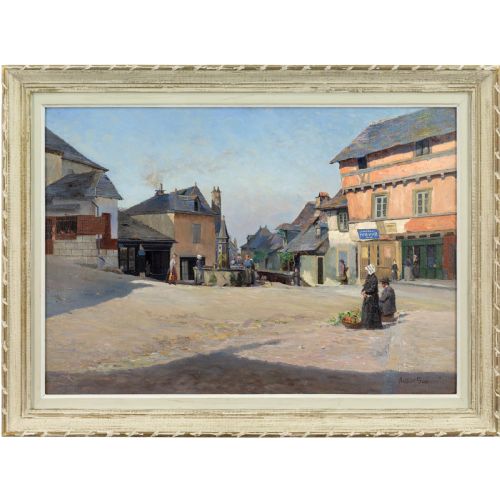
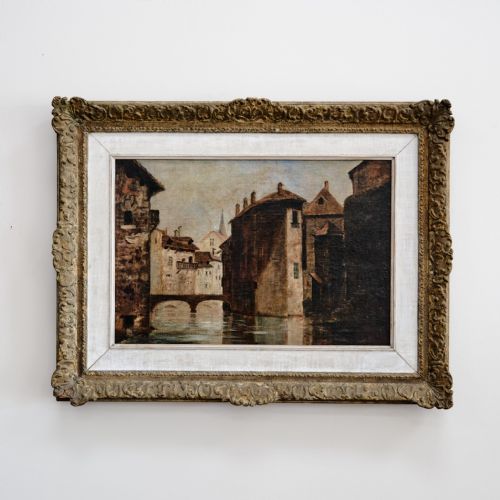
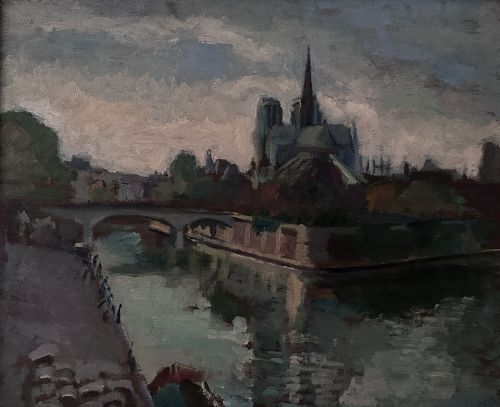
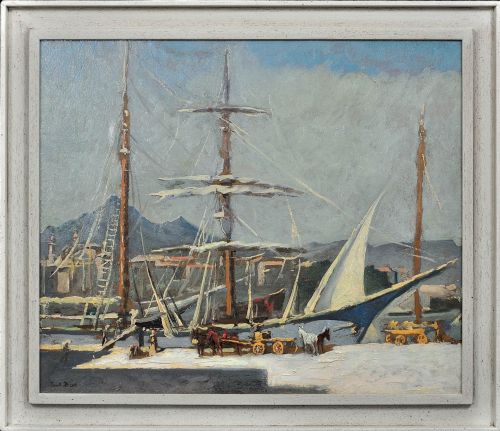
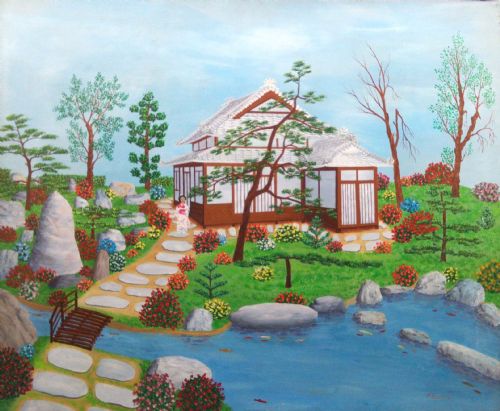
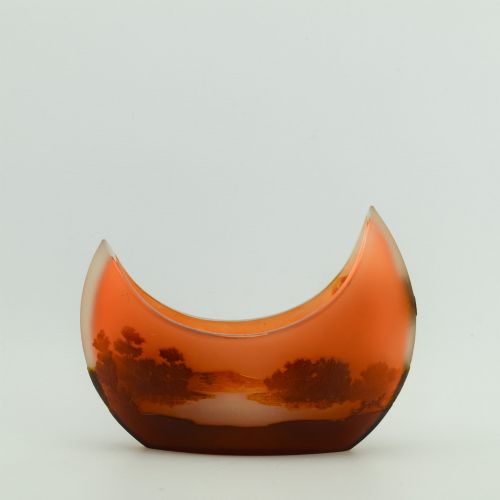
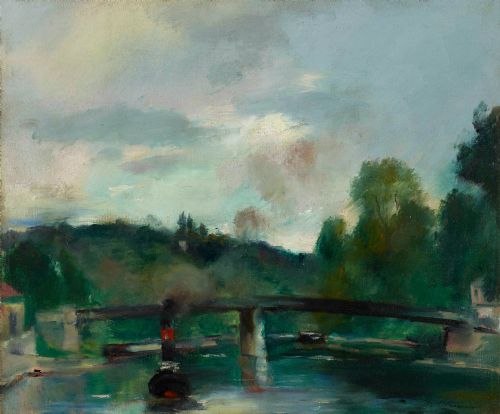
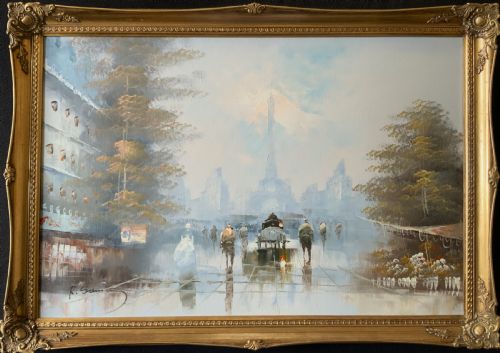
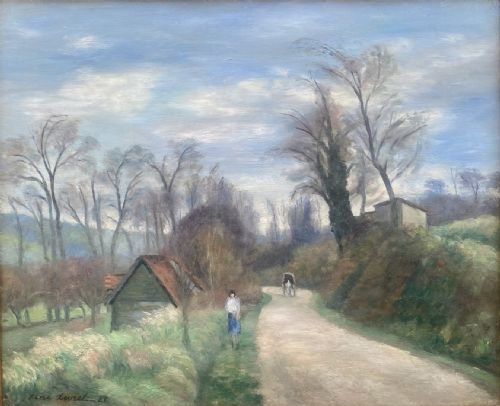
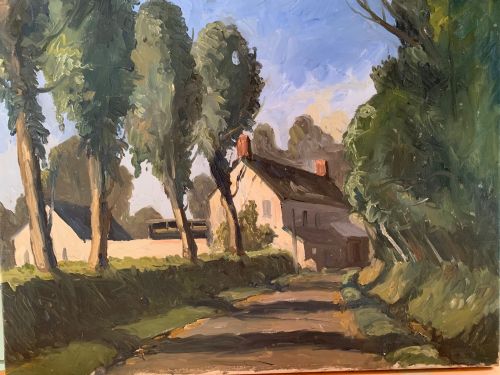
When you search for vintage french landscape, you encounter works that capture the scenery of France through various artistic lenses. These objects primarily include oil paintings on canvas, framed artworks, and cameo glass vases depicting regional views. The selection spans the nineteenth century through the mid twentieth century, reflecting shifting regional artistic movements.
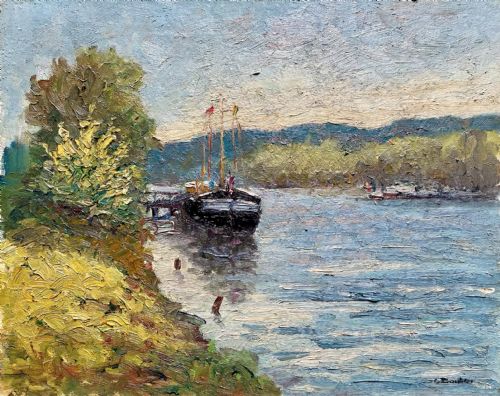
Most pieces you meet on this page originate from periods such as the 1920s, 1930s, and 1950s. They range from Impressionist and Post-Impressionist paintings of rivers and cityscapes to Art Nouveau glass vessels featuring natural scenery. Subjects frequently cover familiar locales like Normandy, Paris, and the Riviera.
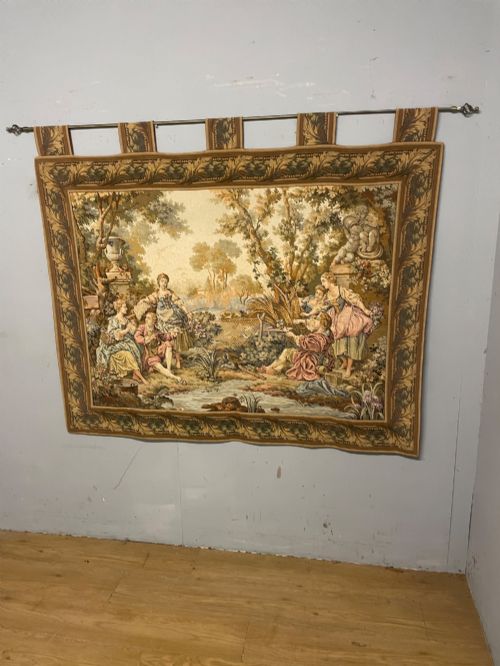
The category also encompasses works on paper, mixed media drawings, and textile panels like Aubusson verdure tapestries. Each format presents a distinct interpretation of French topography, from detailed harbour views to atmospheric woodland scenes. Buyers select these items to bring historical European artistry into modern interiors.
Materials and Techniques
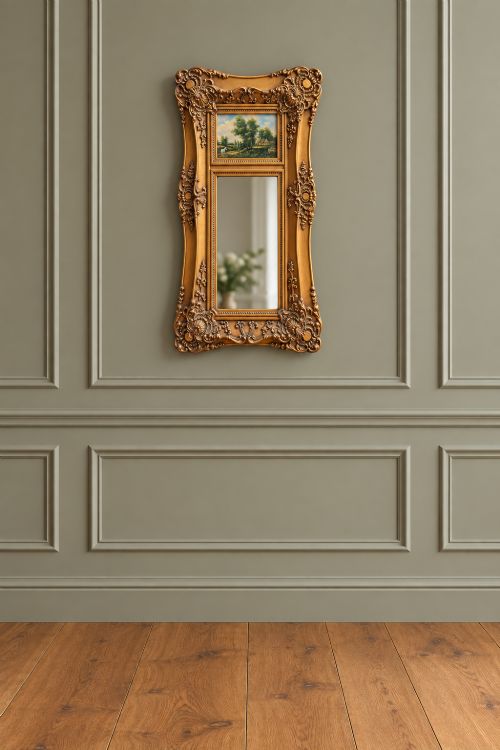
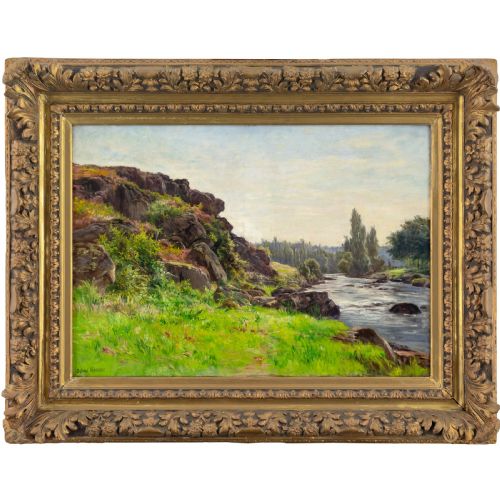
The primary medium across these works is oil paint applied to canvas or wood panels, often set within original wood and gesso frames. Artists utilised brushwork ranging from smooth academic application to textured Impressionist impasto. Watercolour, gouache, and ink also appear on paper supports.
Glass pieces employ the cameo technique, where multiple layers of coloured glass are acid-etched or carved to reveal landscape designs. Makers such as Galle and Daum Frères perfected this method to produce relief vessels. Tapestries utilise woven wool and silk threads to construct large verdure scenes.
Several artists captured the exact moment of Allied bombing during the D-Day liberation of Normandy.
Assessing Quality
Quality in these works rests upon the execution of composition and the handling of light and perspective. Superior pieces demonstrate confident brushwork and a sophisticated palette that capture atmospheric conditions effectively. Weaker examples often rely on formulaic repetition without engaging the specific character of the terrain.
For glass and decorative objects, quality shows in the depth of the acid-etching and the crispness of the carved details. The preservation of original frames and surfaces also influences the standing of a piece. Works signed by recognised artists or produced by established glasshouses generally command greater interest.
Gabriel Mathieu·Arthur Gué·Paul Bret·Rene Levrel·Daum Frères·Henry de Waroquier·Paul-Élie Gernez·Caroline Burnett·Charles Clair·Henri Jaques Delpy·Paul-Jean Anderbouhr·Raymond Moritz·Alexandre Le Bihan·Louis Suire·Gustave Vidal·Jean-Baptiste Olive·Raymond Picque·William Lee Hankey·Fred Pailhes
The Vintage French Landscape Glossary
- Impressionism
- A nineteenth century painting style focused on capturing light and fleeting moments using small, visible brushstrokes. This approach transformed how artists depicted outdoor scenery.
- Cameo glass
- Glass vessels created by fusing multiple coloured layers and carving away the surface to form raised designs. This technique produced intricate landscape motifs on vases and bowls.
- Verdure tapestry
- A woven wall hanging featuring lush green foliage and woodland scenery, often produced in French centres like Aubusson. These textiles frequently depict stylised trees, rivers, and occasional figures.
- Post-Impressionism
- An art movement extending Impressionism while rejecting its limitations, favouring more symbolic content and geometric forms. Artists in this category emphasised distinct personal expression.
- Gesso
- A plaster mixture applied to wood frames as a base for moulding and gilding. It provides a smooth surface for decorative details surrounding paintings.
Vintage French Landscape: Frequently Asked Questions
What defines a vintage french landscape painting?
These artworks depict rural, coastal, or urban scenes created within France during the nineteenth and twentieth centuries. They reflect popular regional art movements of their respective decades.
Subjects range from Parisian street scenes and river banks to coastal cliffs in Normandy and the Riviera.
How are cameo glass landscapes made?
Glassmakers fuse two or more contrasting layers of coloured glass together in a furnace. They then carve or acid-etch the outer layer away to reveal the landscape design beneath.
This labor-intensive method creates a distinct raised relief effect with subtle tonal gradations.
Where were Aubusson verdure tapestries produced?
These woven wall panels originated from workshops in the town of Aubusson and surrounding regions in France. Artisans used wool and silk to construct large decorative hangings.
They typically feature dense woodland foliage, trees, and occasional wildlife or human figures.
How should I display vintage framed paintings?
Hang these artworks away from direct sunlight and fluctuating humidity to protect the canvas and oil pigments. Ensure the wall structure securely supports the weight of the original wood and gesso frames.
Pairing pieces with appropriate interior lighting enhances the visible brushwork and colour palette.