

Vintage French Crest Mirror
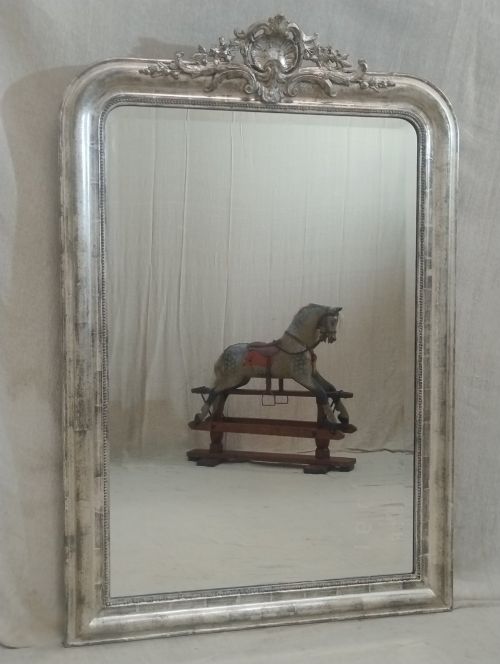
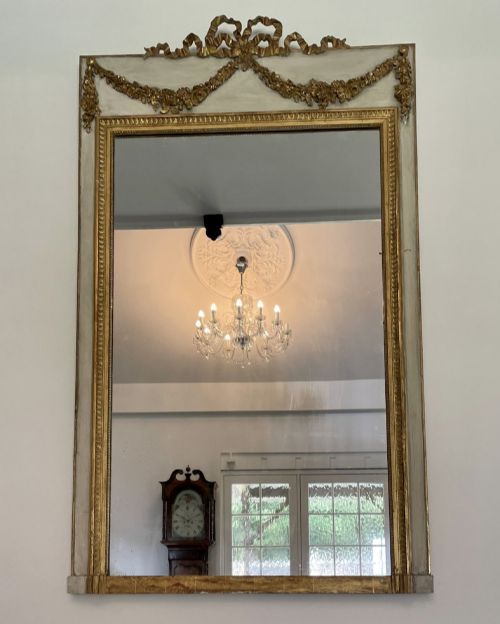
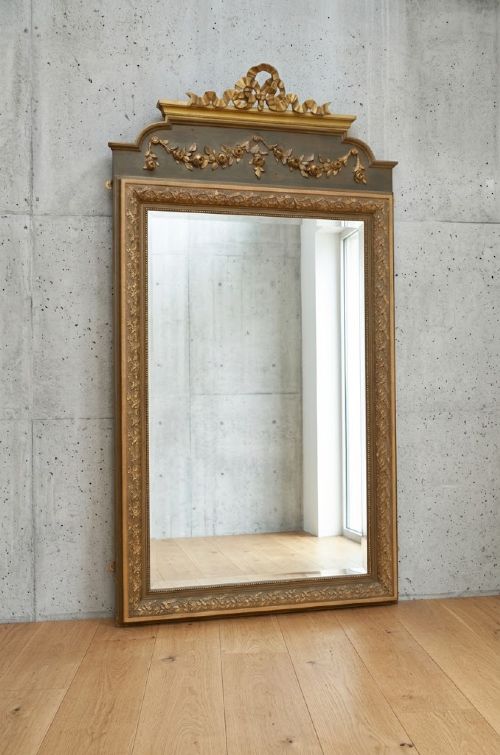
A vintage french crest mirror brings formal elegance to a room through ornate carved crests and aged glass.
Vintage French Crest Mirror
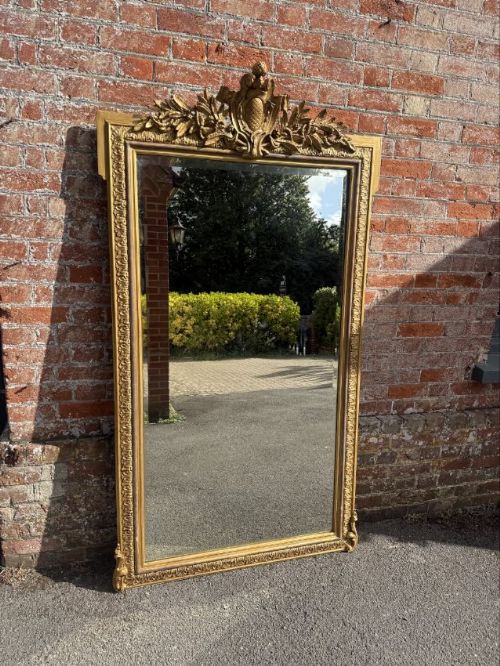
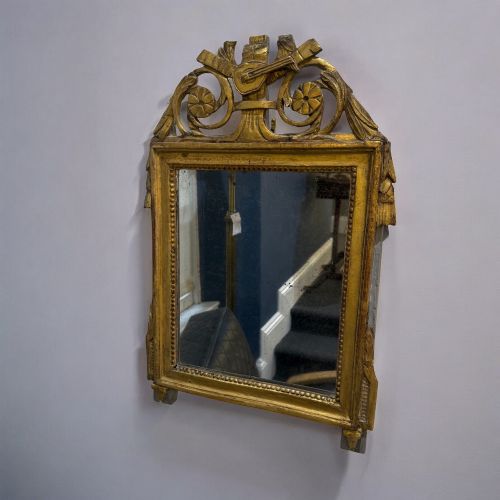
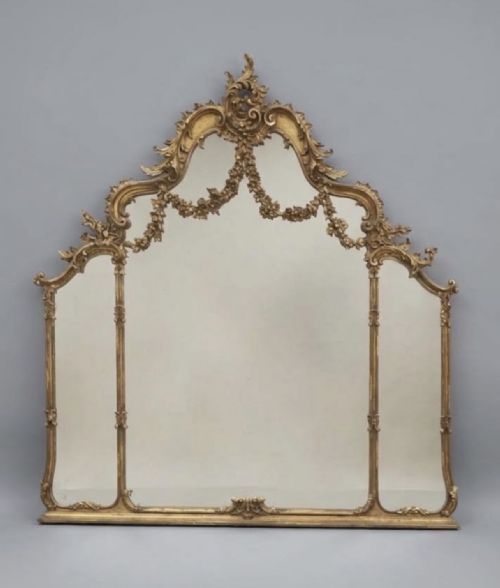
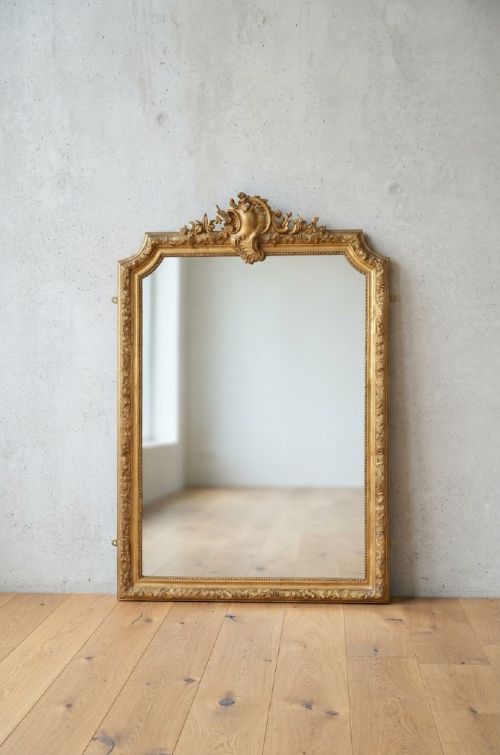
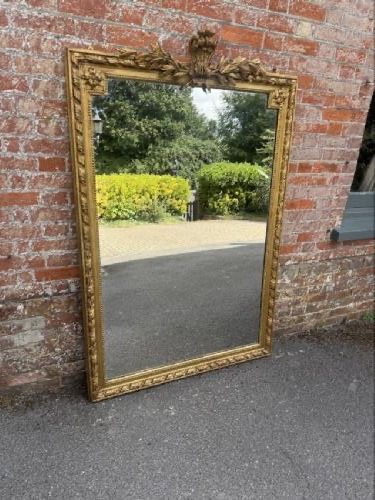
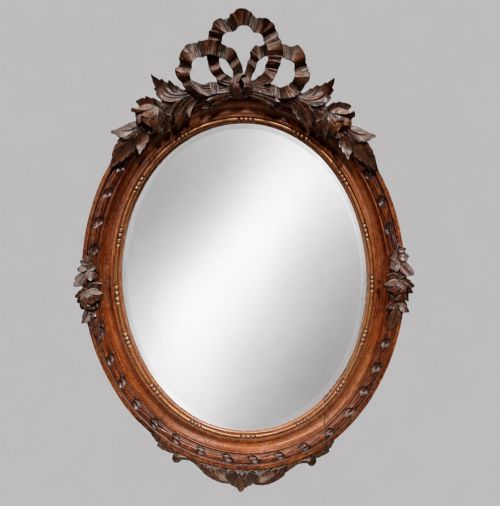
A vintage french crest mirror is essentially a wall glass defined by a prominent decorative upper carving, often taking the form of ribbons, floral motifs or classical flourishes. Most examples encountered here date from the nineteenth century into the early twentieth century, spanning periods from Victorian revivals to the Belle Époque.
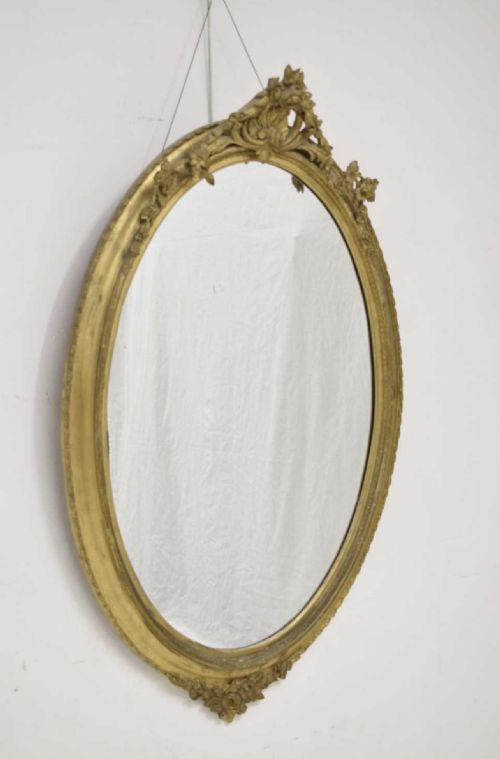
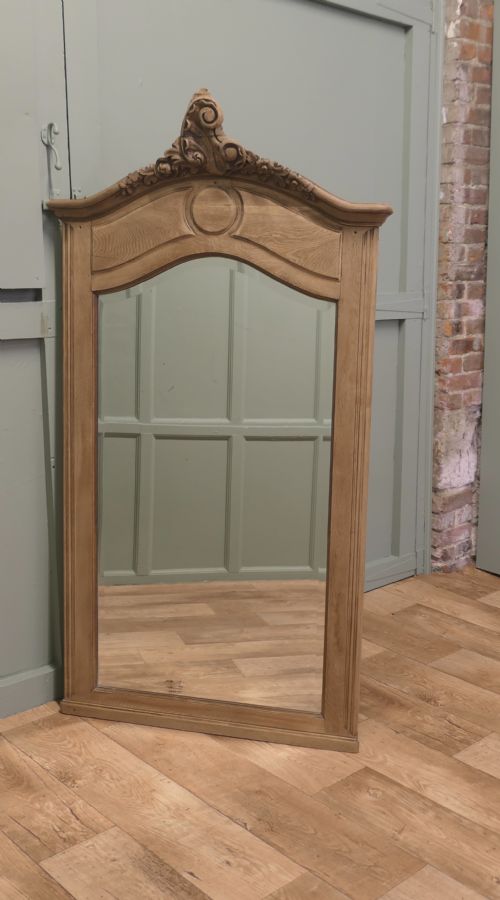
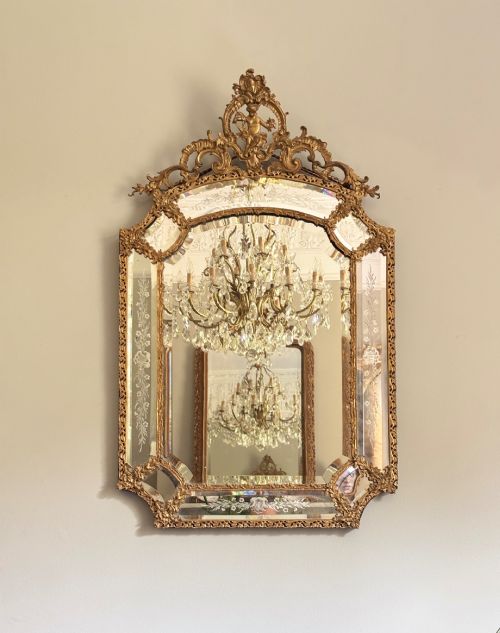
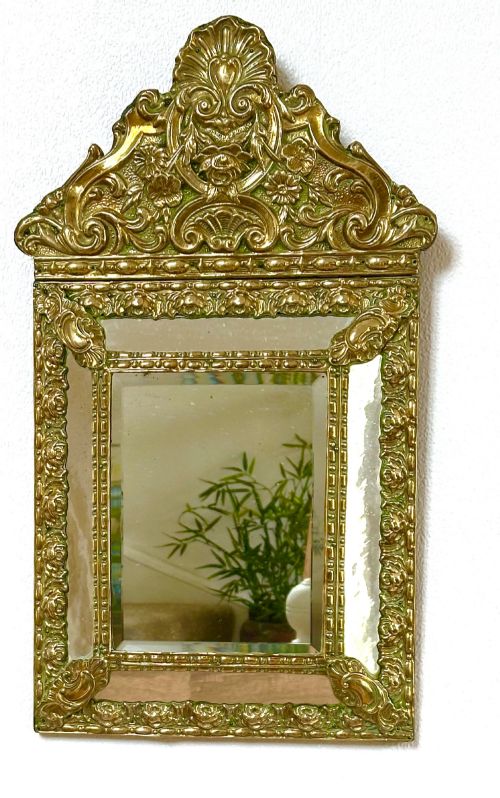
The primary forms on this page include large overmantel mirrors designed to sit above a fireplace, tall pier mirrors made to hang between windows, and smaller wall or oval mirrors. While many adhere to French chateau and Rococo styles, variations range from giltwood frames to bleached oak and pressed brass.
Materials and construction
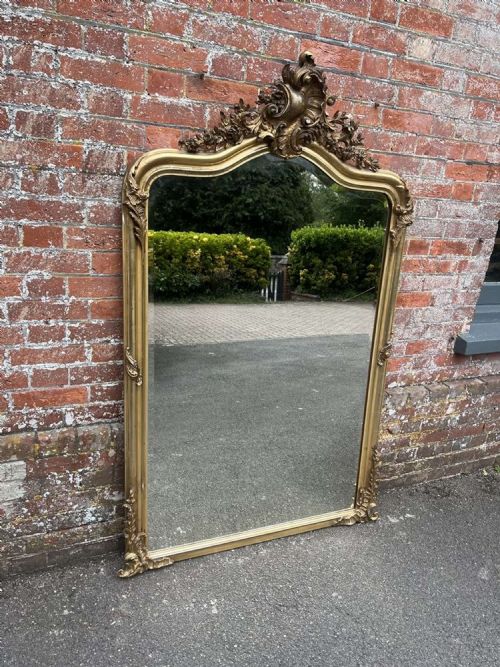
Makers built the structural frames of these mirrors using timber such as oak, mahogany or carved wood, upon which they applied layers of gesso to build up intricate relief ornaments. Gilding was then achieved through the application of gold leaf or silver leaf over the prepared surfaces, creating a metallic finish that catches the light.
Alternative constructions utilise cast brass or gilt metal, particularly in later nineteenth and early twentieth century pieces. Glass plates of the era, including mercury plate varieties in older examples, contribute distinct tonal qualities and light refraction to the finished piece.
Frame materials recorded across these items include giltwood, gesso, painted wood, solid brass, and silver leaf.
Assessing quality
The distinction between standard examples and the finest pieces rests on the depth and crispness of the hand-carved gesso and woodwork on the crest. Superior mirrors display deeply undercut foliage and sharply defined motifs rather than flat, moulded substitutes.
Originality of surface also dictates standing, where undisturbed gold leaf or silver leaf patination commands greater appreciation than later repainting. The integration of the crest with the main frame indicates whether the piece was conceived as a unified composition.
The Vintage French Crest Mirror Glossary
- Giltwood
- Wood that has been coated with gold leaf. This finish defines many formal nineteenth-century frames.
- Gesso
- A plaster-like mixture applied to wood frames and carved into relief details. It forms the base for subsequent gilding.
- Overmantel mirror
- A large horizontal mirror designed specifically to hang above a fireplace mantelpiece. These often feature elaborate crests to fill vertical wall space.
- Pier mirror
- A tall, narrow mirror made to hang on the wall space between two windows. They frequently match the vertical proportions of adjacent architectural elements.
- Mercury plate
- An older type of mirror glass backed with a mercury and tin amalgam. It produces a characteristic mottled reflection and dark depth.
Vintage French Crest Mirror: Frequently Asked Questions
Where should I hang a large overmantel mirror?
These pieces traditionally anchor the space directly above a fireplace mantel, reflecting light back into the room.
Alternatively, they function effectively on a main living room wall as a substantial focal point without a fireplace beneath them.
How do I care for antique giltwood frames?
Dust the carved crest and frame gently with a dry, soft brush to prevent accumulation in the intricate gesso recesses.
Avoid liquid cleaners and moisture entirely, as water strips historical gold leaf and damages the underlying preparation layers.
What defines the Rococo style in these mirrors?
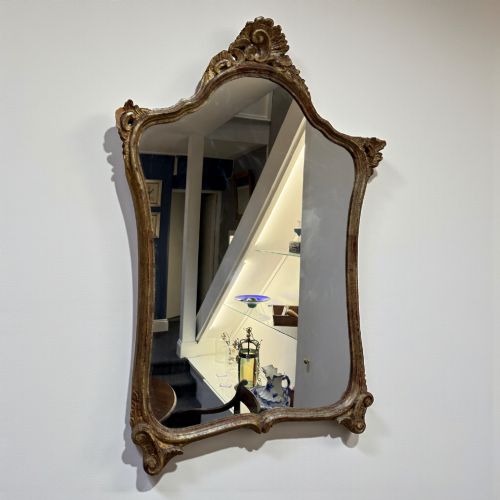
Rococo frames feature asymmetric scrollwork, C-scrolls, shell motifs and naturalistic plant forms.
This aesthetic prioritises fluid, organic movement over the rigid symmetry seen in earlier classical designs.
Can I use these mirrors in a bathroom?
High humidity and moisture warp wood frames and accelerate the degradation of historical silvered or mercury glass plates.
Dry, interior rooms provide the stable environment necessary to preserve antique gesso and leaf finishes.