


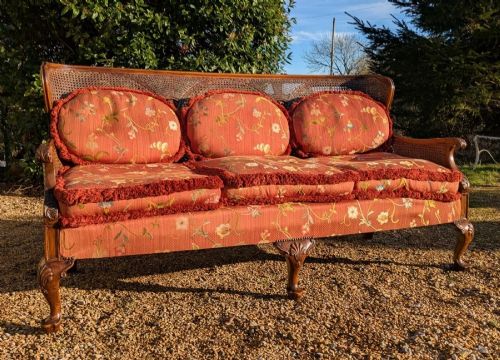


Vintage French Couch
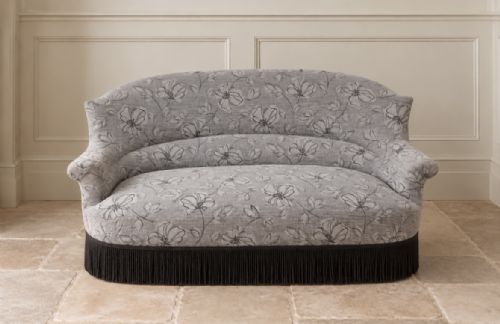
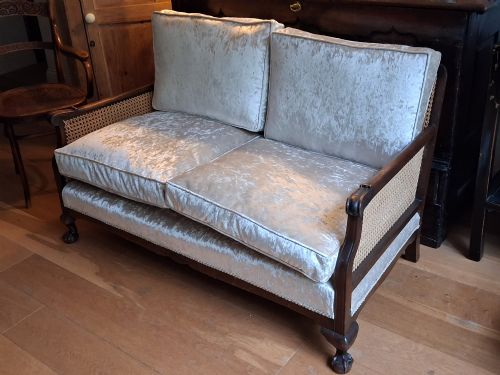
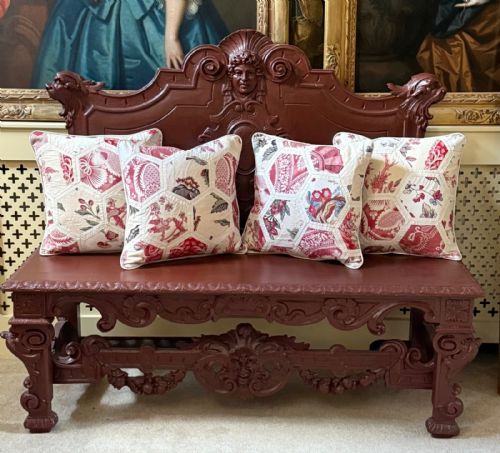
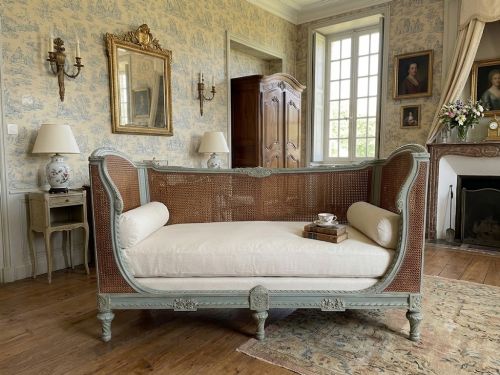
A vintage french couch brings elegance to a room through carved woodwork, cane panels, and upholstered cushions.
Vintage French Couch
A vintage french couch encompasses a variety of seating forms designed for parlours and living spaces, drawing on historical aesthetics from across the nineteenth and early twentieth centuries. These pieces appear in forms ranging from small canapés and daybeds to larger settees and matching suites.
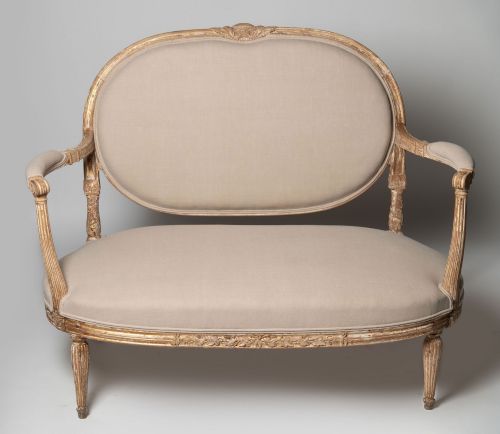
The selection includes specific regional and period interpretations such as Louis XVI style, French Provincial, and Napoleon III designs. Buyers encounter frames constructed from walnut, mahogany, rosewood, and giltwood, paired with upholstery in velvet, linen, and silk.
Origins stretch from the late nineteenth century into the 1930s, incorporating Edwardian productions alongside earlier nineteenth-century examples. The pieces serve both functional seating roles and decorative focal points within domestic interiors.
Materials and construction methods
Frames rely on hardwoods including walnut, mahogany, and rosewood, shaped through carving and occasionally finished with giltwood, paint, or polish. Canework panels utilise woven cane inserts set into wooden rails, particularly on bergère forms.
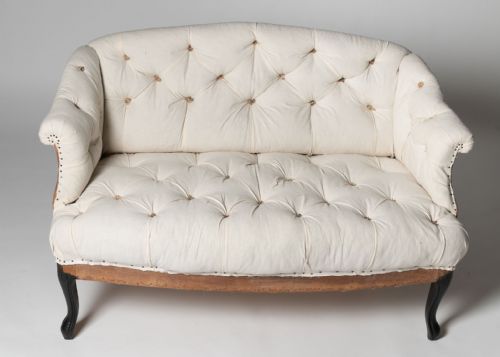
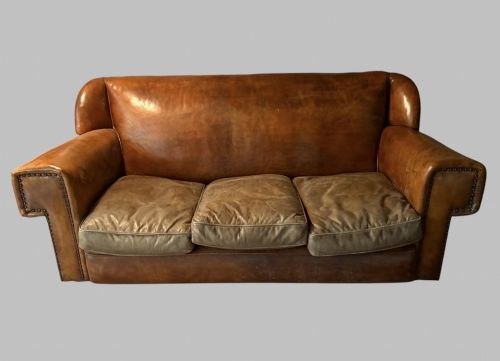
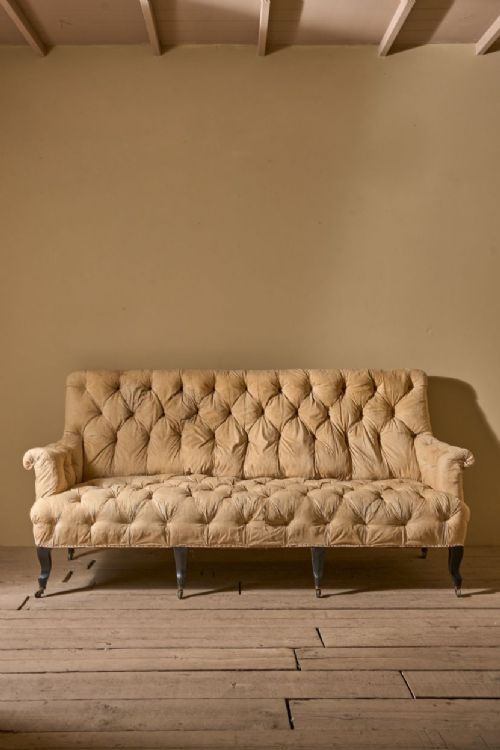
Upholstered versions combine internal stuffing with surface coverings in velvet, leather, and linen. Buttoning techniques secure the fabric to padded backs and seats, while decorative trims such as tassels finish the upholstery edges.
Vintage French Couch Retail Price Guide 2026
Typical asking prices for vintage french couch among the pieces listed under this phrase on Sellingantiques today, from the lower quarter to the upper quarter. They describe what is for sale here now, not the wider market.
Listings span periods from the 1860s through the 1930s, incorporating Victorian, Edwardian, and Art Deco design movements.
Distinguishing quality across examples
The refinement of the woodwork dictates much of the distinction, separating deeply carved walnut or crisp giltwood moulding from simpler, plain framing. Carving depth and execution clarity reveal the hand of skilled cabinetmakers.
Upholstery execution and frame integrity play a primary role, where tight buttoning, well-tensioned cane work, and sturdy structural joints distinguish superior workshops from standard commercial production.
The Vintage French Couch Glossary
- Canapé
- An antique French sofa or settee featuring an exposed wooden frame and upholstered seat and back. These pieces often display carved detailing along the crest rail and cabriole legs.
- Bergère
- An enclosed armchair or sofa featuring upholstered armrests and cane panels set into the wooden frame. They frequently accommodate loose feather or down cushions.
- Giltwood
- Timber coated with a thin layer of gold leaf or gilt preparation. This finish appears frequently on formal nineteenth-century salon furniture.
- Napoleon III
- A nineteenth-century French design period characterised by eclectic revival styles, buttoned upholstery, and deep cushioning. Pieces from this era often utilise dark woods or gilt decoration.
- Palisander
- A dense tropical hardwood related to rosewood, utilised during the Art Deco period for distinct grain patterns on polished surfaces.
Vintage French Couch: Frequently Asked Questions
How do I identify a napoleon iii sofa?
Napoleon III sofas are characterised by deep buttoning on the back and seat, creating a plush, padded appearance. They typically date from the nineteenth century and favour curved lines.
These pieces frequently appear in smaller proportions, designed specifically for intimate sitting rooms or bedrooms.
Where were cane daybeds used?
Caned daybeds and canapé corbeille forms served as daytime resting places in boudoirs and drawing rooms. The inclusion of cane work provided lightweight breathability for warmer rooms.
Frames were often painted, gilded, or left as polished walnut, matching the decorative scheme of the interior.
How should I care for antique velvet upholstery?
Antique velvet upholstery requires gentle brushing with a soft bristle brush to maintain the pile direction and prevent crushing. Direct sunlight should be avoided to preserve the original dye colours.
Professional textile conservation cleaning helps maintain fragile fabrics without damaging the underlying stuffing and frame structure.