



Vintage French Candelabra
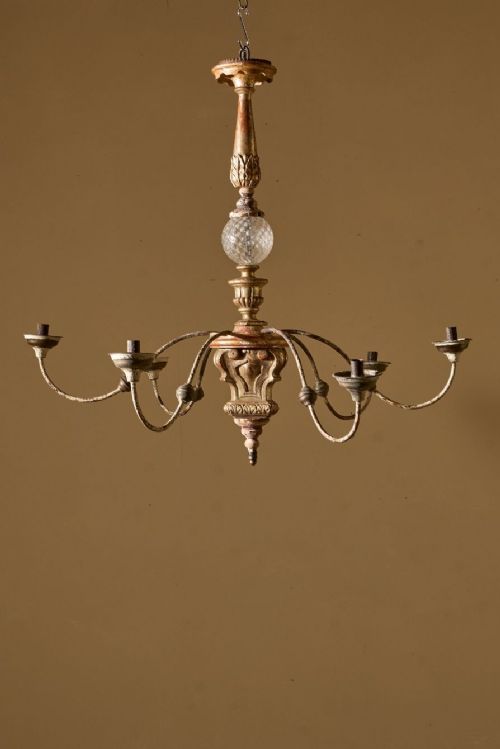
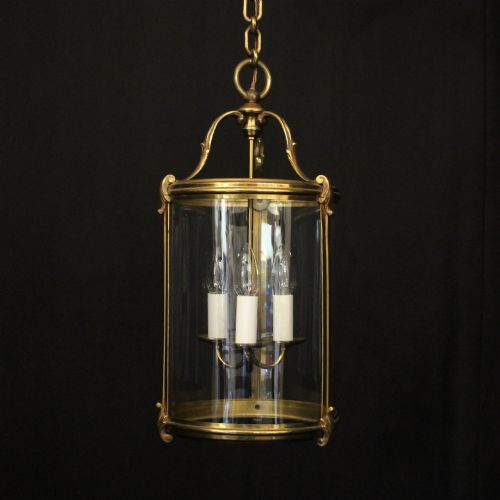
These vintage french candelabra bring elaborate lighting and period presence to a room, spanning brass, ormolu, and crystal forms.
Vintage French Candelabra
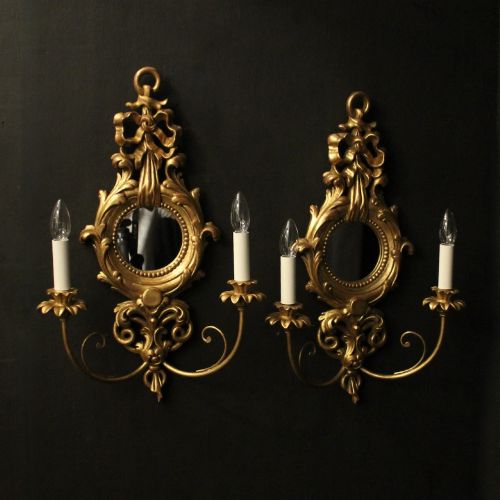
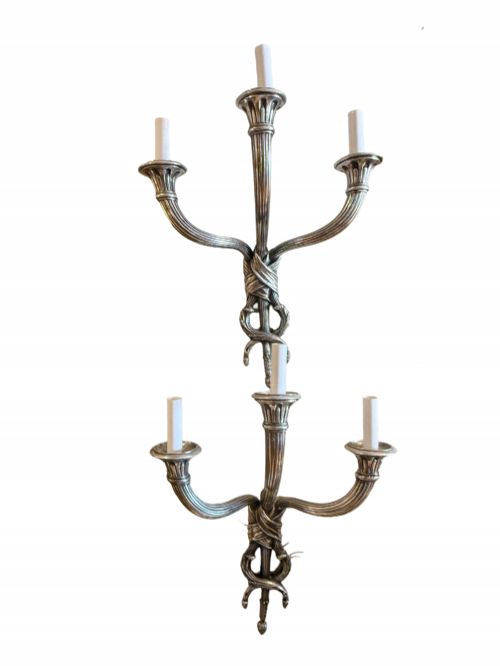
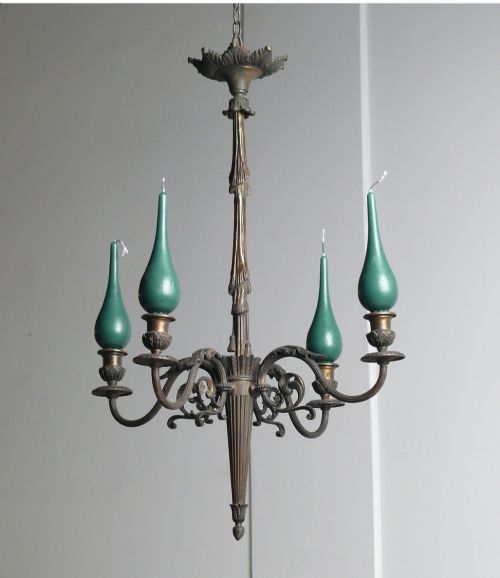
When searching for vintage french candelabra, buyers encounter heavy metal multi-arm candle holders alongside related lighting such as wall sconces, girandoles, and chandeliers. The pieces appearing here predominantly date from the nineteenth century through the early twentieth century, reflecting revival styles including French Rococo, Neoclassical, and Empire.
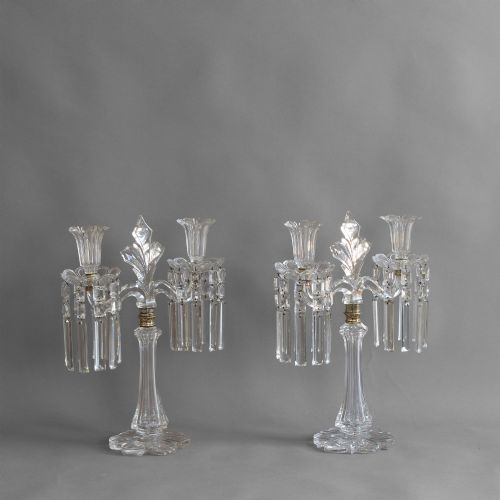
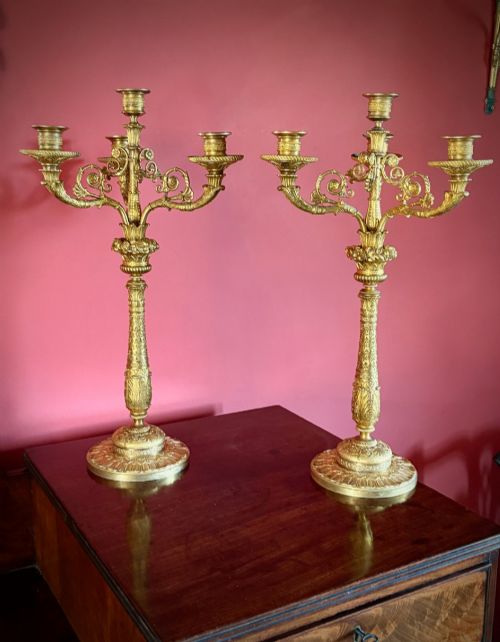
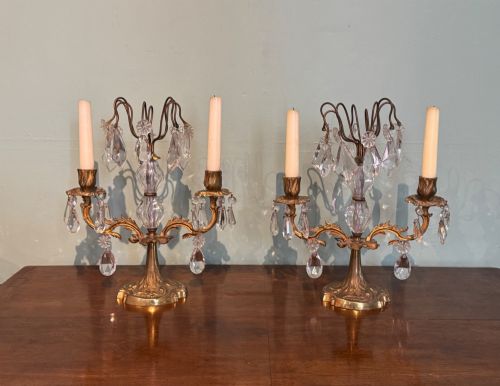
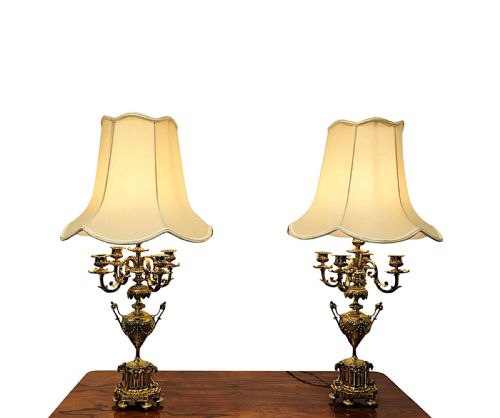
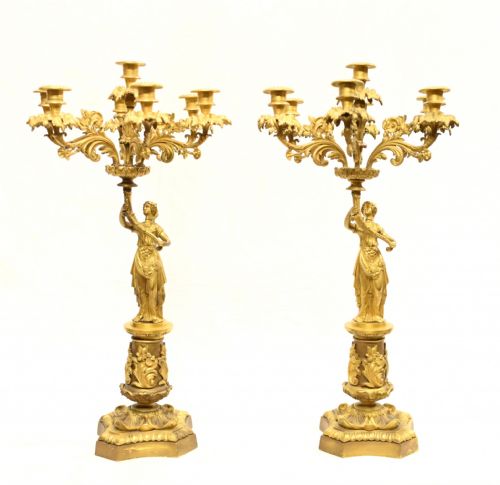
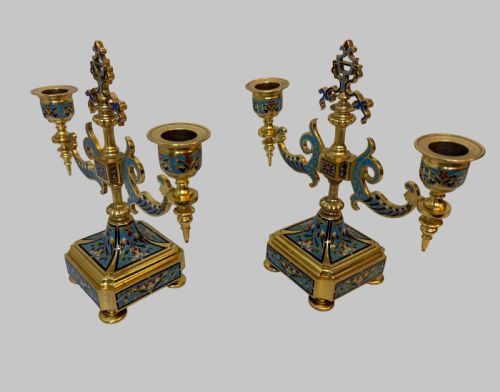
Pairs dominate the selection, often taking the form of multi-arm table pieces cast in ormolu, brass, or gilt bronze. Many examples incorporate decorative materials like marble bases, crystal drops, or champlevé enamel work.
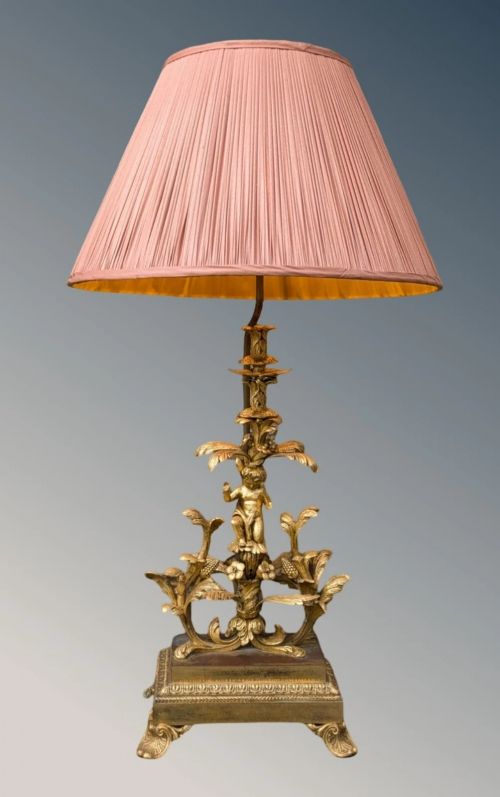
Some items have undergone twentieth-century conversions to electricity, serving as table lamps or wired wall lights while retaining their original candelabra framework.
Materials and construction
Makers utilised casting techniques in bronze, brass, and spelter to create complex figurative and botanical stems, finishing surfaces with fire-gilding or ormolu. Ormolu and gilt bronze provide a warm metallic lustre that endures on nineteenth-century surfaces.
Glass and crystal feature heavily as pendants, lustres, and cut elements suspended from arms to refract candlelight. Marble and onyx frequently form substantial plinths beneath heavy metal work, adding weight and tonal contrast.
Surviving porcelain birds occasionally perch permanently inside nineteenth-century ormolu candelabra branches.
Distinctions in craftsmanship
The integration of secondary materials also separates standard production from superior examples. Heavy cast mounts, unblemished marble bases, and intact crystal drop configurations indicate higher workshop standards.
R Lalique
The Vintage French Candelabra Glossary
- Ormolu
- A technique of applying finely ground high-carat gold to a bronze object, creating a durable golden finish. It appears widely on nineteenth-century French lighting.
- Girandole
- A branched wall-bracket or candlestick equipped with mirrors or crystal drops to multiply the reflected light. These fixtures often feature twin or triple arms.
- Champlevé
- An enamelling technique where troughs are dug into a metal surface and filled with vitreous enamel before firing. It creates vibrant coloured patterns on bronze or brass bodies.
- Spelter
- A zinc alloy used as a cheaper alternative to bronze or brass for casting decorative figures and bases. It requires careful plating or painting to simulate heavier metals.
- Pricket
- A sharp metal spike set in the drip pan of a candlestick or candelabrum to hold a wax taper in place. This older form persists in ecclesiastical and revival designs.
Vintage French Candelabra: Frequently Asked Questions
How do I clean ormolu candelabra safely?
Dust gently with a soft dry brush to protect the delicate gilt surface. Avoid harsh chemical polishes that strip historical finishes.
Water and moisture can also harm underlying metals if left to sit in crevices or near antique marble bases.
Were these candelabra originally wired for electricity?
Most pieces began life holding wax candles during the nineteenth and early twentieth centuries. Many were converted later in the twentieth century to function as table lamps.
Conversion methods vary, with some retaining the ability to hold candles alongside modern wiring.
How can I tell nineteenth-century pieces from later reproductions?
Examine the casting quality, screw threads, and the wear patterns on the metal. Older items show hand-chasing work and consistent patination accumulated over decades.
Twentieth-century interpretations often use lighter alloys and lack the crisp detail found in earlier French foundry work.
Where should I place these in a room?
Their heavy metal construction and reflective crystal or ormolu make them natural focal points on mantelpieces, sideboards, or console tables. Wall-mounted versions suit hallways and dining spaces where they provide ambient illumination.
Ensure the supporting surface is sturdy enough to bear the substantial weight of marble and bronze.