

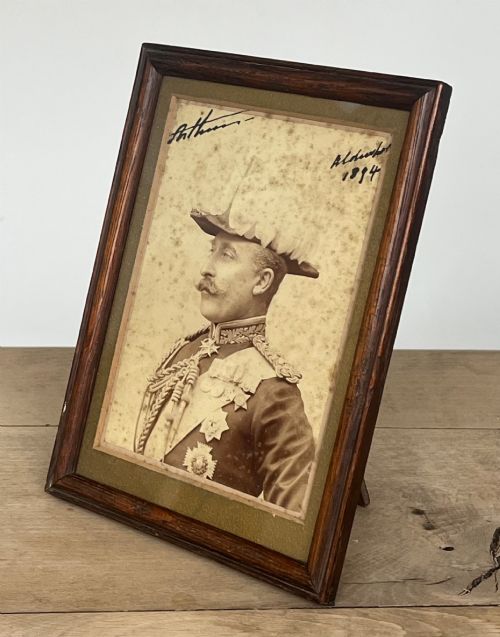
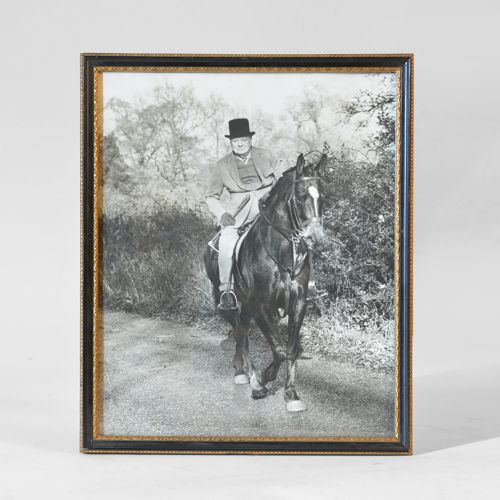
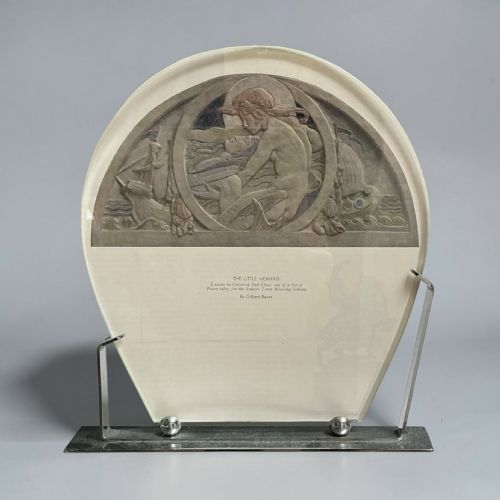
Vintage Framed Photograph
A vintage framed photograph holds a captured moment behind glass, offering a direct window into past lives.
Vintage Framed Photograph
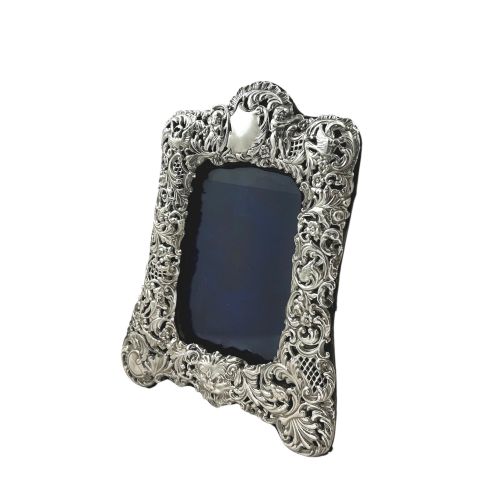
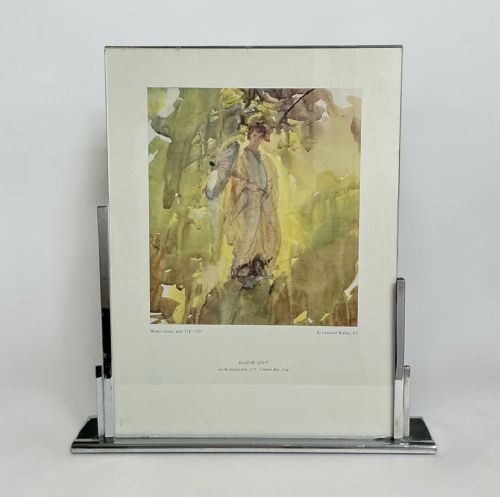
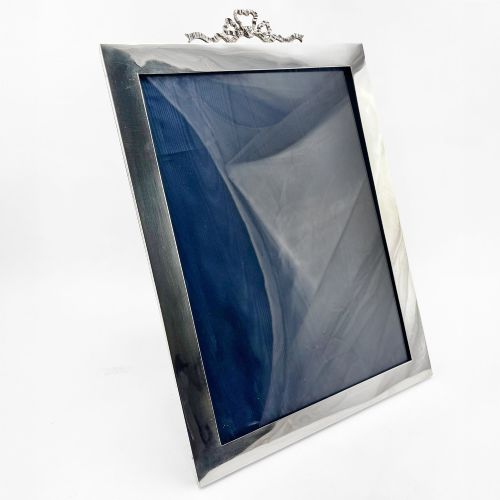
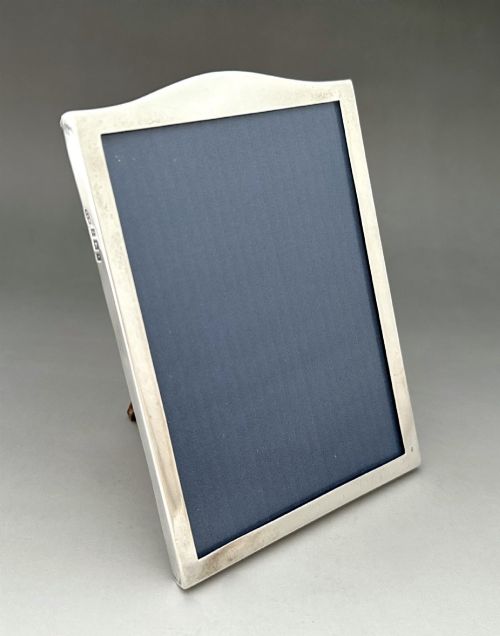
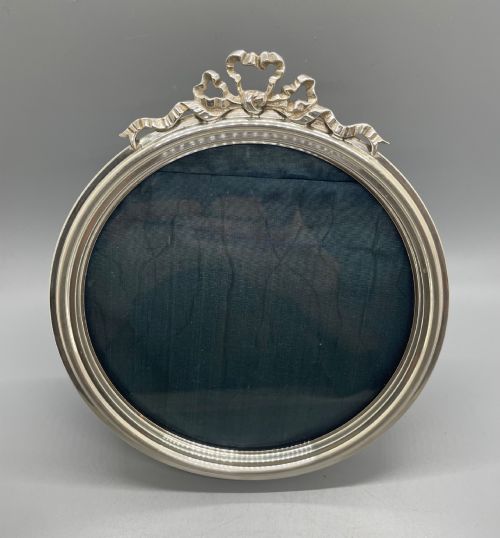
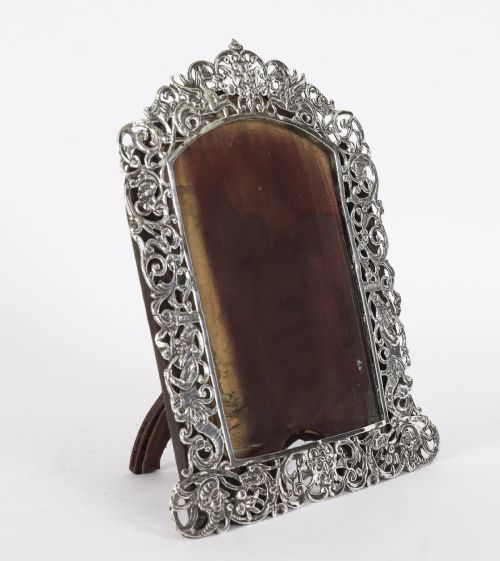
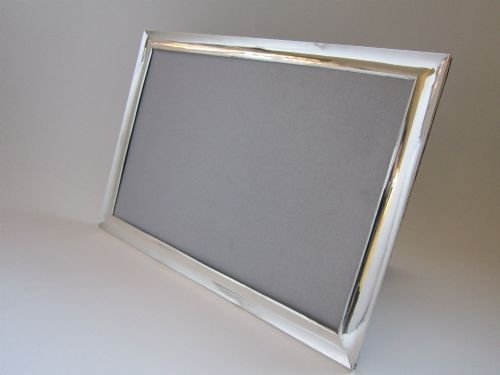
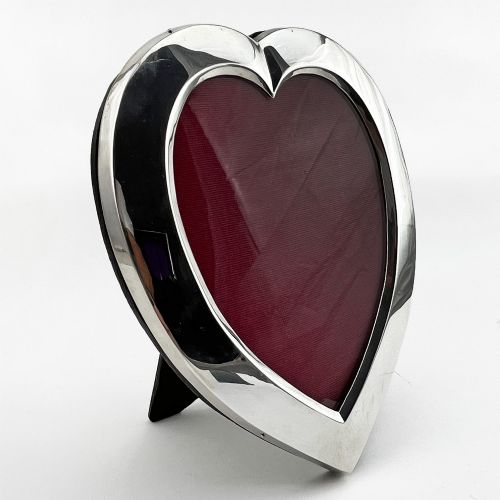
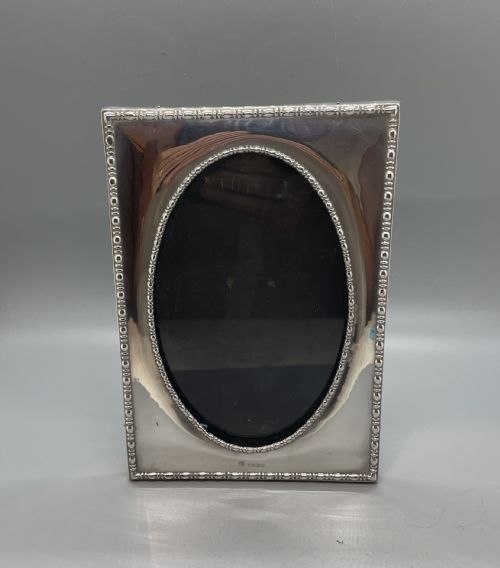
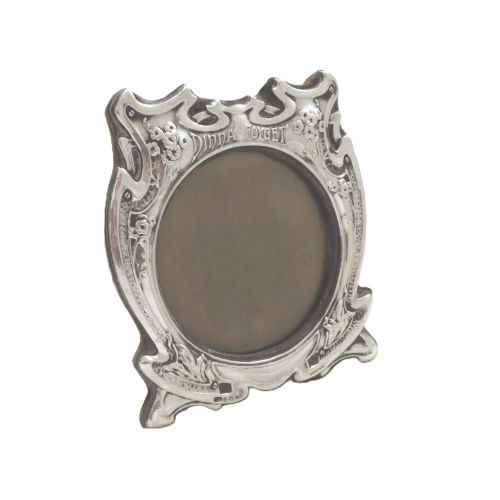
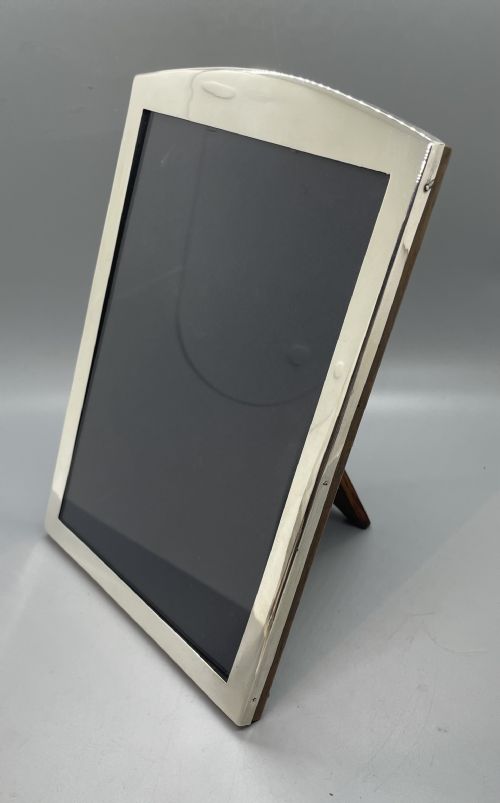
A vintage framed photograph encompasses silver photo frames, portrait prints, contact sheets and mixed media imagery spanning from the Victorian era through the mid-century period. The most common iteration met on this page is the sterling silver picture frame enclosing historical portraiture or photography.
The objects range from small travelling frames to large decorative wall pieces, utilising glass, wood, velvet and fabric backings alongside metallic fronts. Makers and assay offices from Birmingham, Sheffield and Chester stamped many of the silver examples during the Edwardian and George V reigns.
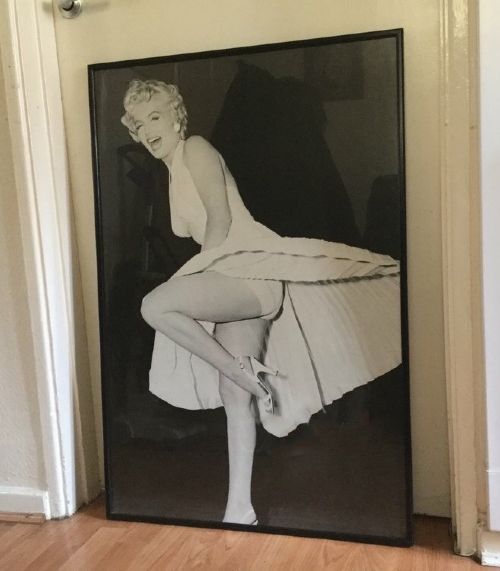
Beyond metalwork, listings feature photographic prints and contact sheets depicting subjects such as sports teams, nudes and family garden settings. These items combine paper photography with period frames to document the aesthetic and social preferences of the twentieth century.
How they were made
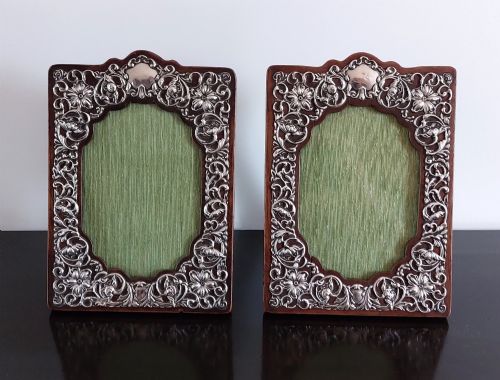
Silversmiths constructed the metallic frames using solid sterling silver, applying techniques such as embossing, engine-turning and openwork casting to create decorative borders. Many frames incorporate wooden or oak internal structures paired with tactile blue velvet or fabric backings to support the glass front.
Photographic elements rely on traditional silver gelatin printing, hand-tinting and contact sheet methods on paper. Artisans assembled these components by securing the glass, photograph and backing board within the structured metal or wooden surrounds.
Vintage Framed Photograph Retail Price Guide 2026
Typical asking prices for vintage framed photograph among the pieces listed under this phrase on Sellingantiques today, from the lower quarter to the upper quarter. They describe what is for sale here now, not the wider market.
A Scottish lacrosse team from 1914 stares out permanently from behind glass.
What varies in quality
The distinction between tiers rests upon the complexity of the silver work, the clarity of assay marks and the artistic merit of the enclosed photograph. Elaborate motifs involving embossed animals, cherubs or intricate Art Nouveau flourishes elevate a frame above plain geometric designs.
The integrity of the original backing materials, such as intact velvet and sturdy wooden supports, alongside well-preserved glass and sharp photographic detail, marks the upper echelon of these surviving pieces.
Rosenthal Jacob And Co·William Comyns·Mappin Bros·Henry Matthews·Pinci Roma·Atelier Pietzner
The Vintage Framed Photograph Glossary
- Assay mark
- A stamp indicating the purity of precious metals, the city of testing, and the year of production. These hallmarks provide definitive dating for silver frames.
- Engine-turned
- A decorative technique involving precise geometric patterns engraved mechanically onto metal surfaces. This finish appears frequently on early twentieth-century silver frames.
- Contact sheet
- A photographic print made by placing negatives directly onto sensitized paper at a one-to-one scale. Julian Mandel utilised this format for nude studies.
- Hand-tinted
- A process where colour is applied by hand to a monochrome photograph. This technique adds subtle hues to historical prints.
Vintage Framed Photograph: Frequently Asked Questions
How do I date a silver photo frame?
Dating relies primarily on the assay office hallmarks stamped into the silver border, which indicate the exact year and city of testing.
Stylistic indicators such as Art Nouveau curves or George V austerity also help assign a piece to a specific decade.
Were these frames meant for travel?
Certain smaller iterations were specifically designed as travelling photograph frames, featuring folding struts or protective folding doors for transit.
Larger examples served as stationary desk accessories or wall-mounted artwork meant to stay in one room.
Can I replace the photograph inside?
Most frames permit the rear velvet or wooden backing to be lifted so the photograph can be accessed and replaced.
Care must be taken with antique hinges and delicate paper contents when opening older enclosures.
What materials back these frames?
Period frames typically utilise wooden internal cores covered with plush materials like velvet or fabric on the reverse side.
These tactile backings often feature hinged metal easels designed to support the frame on flat surfaces.