
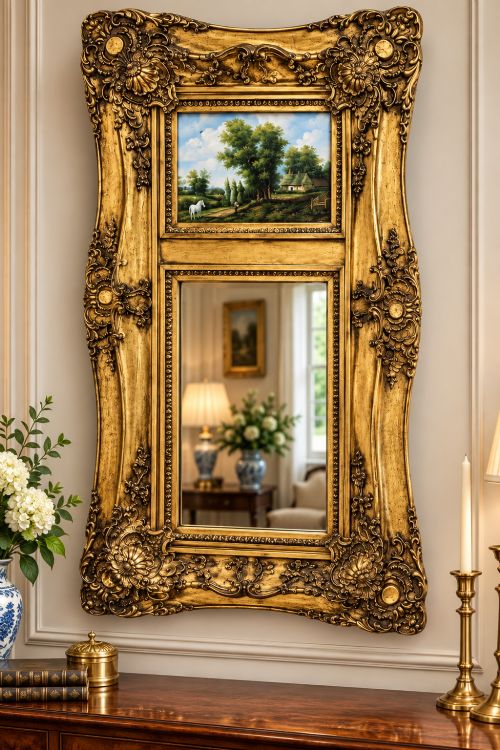
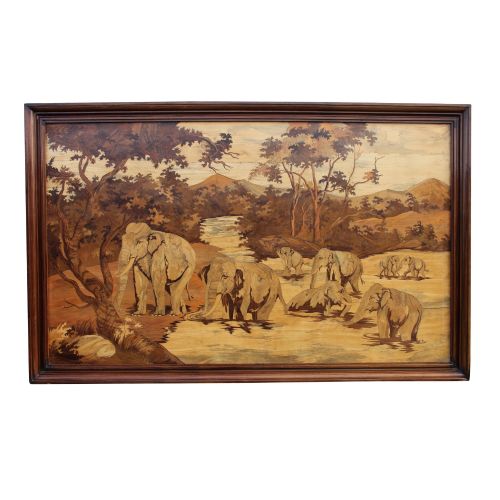
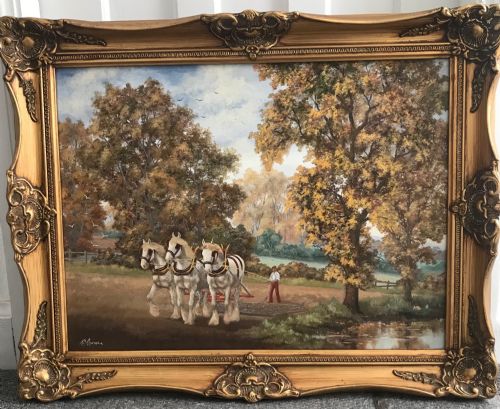


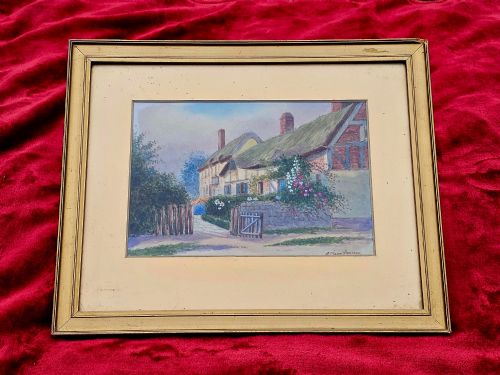

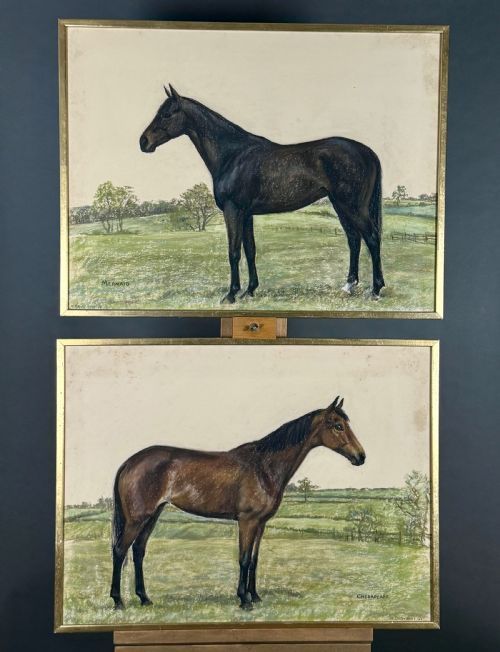
Vintage Framed Landscape Picture
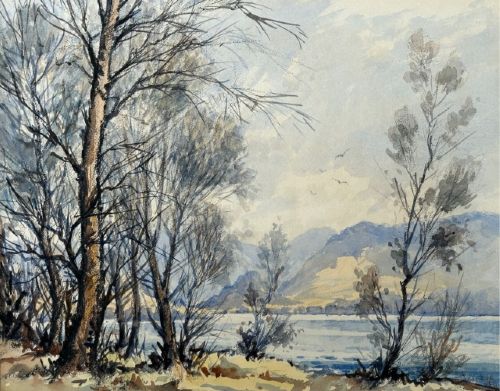
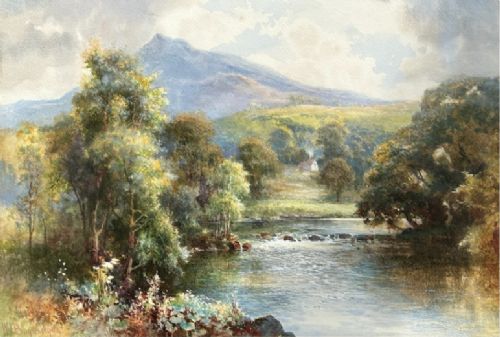
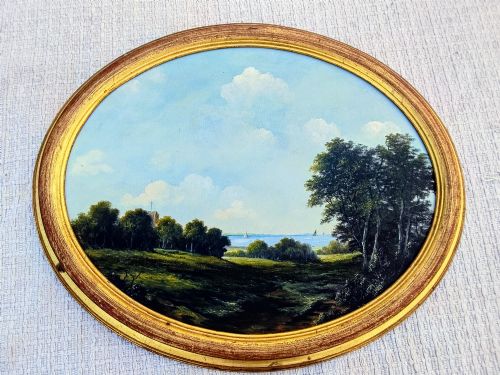
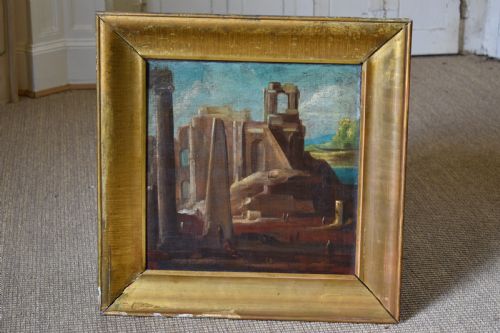
When you search for a vintage framed landscape picture, you encounter works spanning the Victorian period through to the mid-twentieth century.
Vintage Framed Landscape Picture
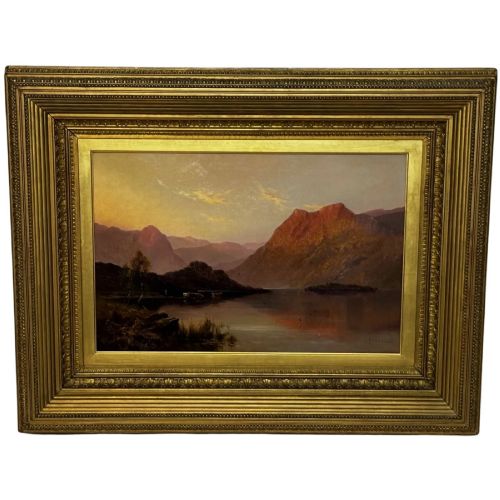
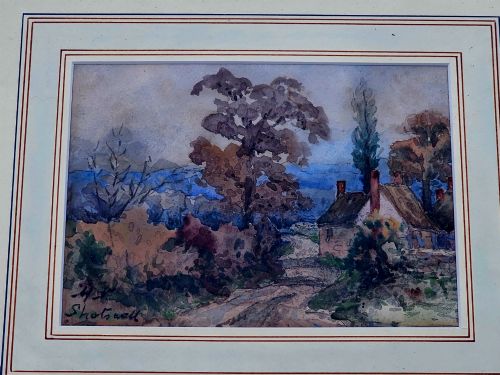
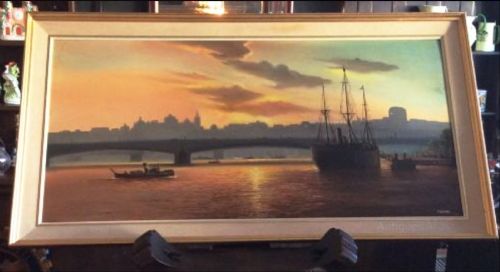
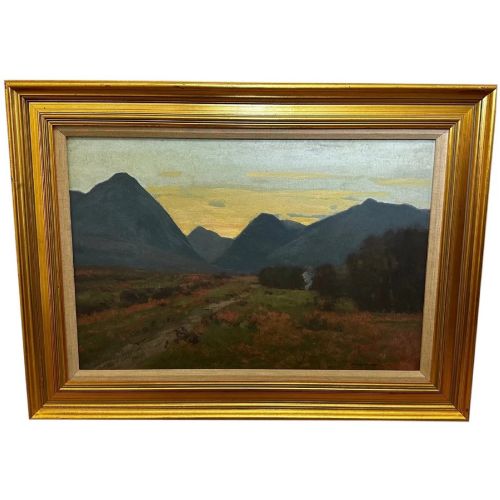
A vintage framed landscape picture encompasses oil paintings, watercolours, and pastels depicting countryside, marine, and urban views. These works capture rivers, woodland scenes, and rural life across various British and European schools.
The selections on this page range from nineteenth-century academic watercolours to mid-twentieth-century impressionist canvases. Buyers encounter framed artwork produced by named artists alongside pieces attributed to wider schools of painting.
Framed presentation varies from simple wooden surrounds to ornate gilt frames suited to traditional interiors. Many items pair original paintings or prints with glass protection and card mounts.
How they were made
Makers utilised oil on canvas, board, and card, applying pigments with brushes to build texture and depth in sky and foliage. Watercolours on paper offer a lighter transparency, frequently finished with pencil detail.
Frames rely on wood construction, often finished with gilt or moulded plaster ornament. Glass is fitted to protect paper and watercolour works from moisture and atmospheric dust.
Listings feature works created across the nineteenth and twentieth centuries, using oil, watercolour, pastel, and lithography on paper, canvas, and board.
What varies in quality
Quality rests in the handling of light and perspective by the artist, distinguishing competent sketches from confident, accomplished compositions. The subtlety of colour mixing in skies and water dictates the visual weight of a painting.
The integrity of the original frame influences the overall piece, with period gilt wood surrounds contributing structural and aesthetic completeness to the artwork it holds.
William H Myers·Donald Grant·Alfred Fontville de Breanski Jr·George Houston·Robert Leslie Howey
The Vintage Framed Landscape Picture Glossary
- Oil on canvas
- Pigment suspended in drying oil applied to stretched woven fabric. This medium allows for rich colour blending and textured brushwork.
- Watercolour
- A paint consisting of soluble pigment in a water-based solution applied to paper. It relies on the white of the paper showing through transparent washes.
- Gilt wood
- Wood coated with a thin layer of gold leaf or metallic gilt paint. It provides a reflective, decorative border to traditional frames.
- Lithograph
- A print produced from a flat stone or metal plate treated to retain ink only in desired areas. This technique reproduces original drawings with high fidelity.
- Impressionism
- An art style focusing on accurate depiction of light and its shifting qualities. Painters utilise visible brushstrokes and open compositions.
Vintage Framed Landscape Picture: Frequently Asked Questions
How do I date a landscape picture?
Dating relies on costume, architectural details, artist signatures, and framing materials. Labels on the reverse also provide clues to the year of creation.
Period styles of painting, from Victorian academic work to mid-century impressionism, further narrow down the decade of production.
Are oil paintings on canvas better than watercolours?
Neither medium is superior, as each offers distinct aesthetic qualities. Oils provide rich textures and deep colour saturation, whereas watercolours present delicate transparency.
Choice depends entirely on the visual atmosphere you prefer in a room.
How should I hang a framed picture?
Ensure the wall fixings match the weight of the wooden and gilt frames. Secure picture wire or D-rings firmly to the back battens before mounting.
Position paintings away from direct sunlight to protect pigments from fading over time.
What is the difference between oil and pastel works?
Oil works utilise wet paint on canvas, panel, or card, creating durable surfaces that handle thick impasto. Pastels use dry pigment sticks on paper, producing a velvety texture.
Pastel works require glass framing to prevent the powdery medium from smudging.