

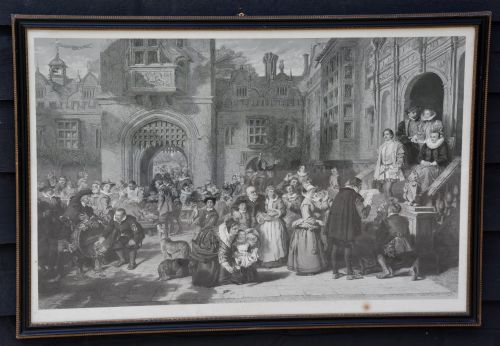

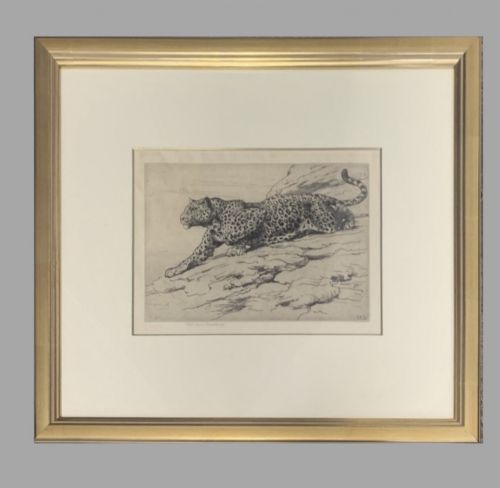
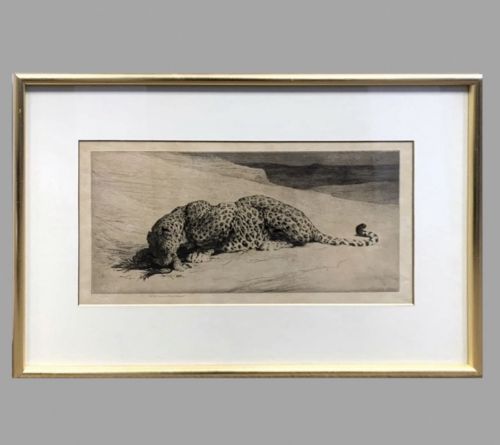
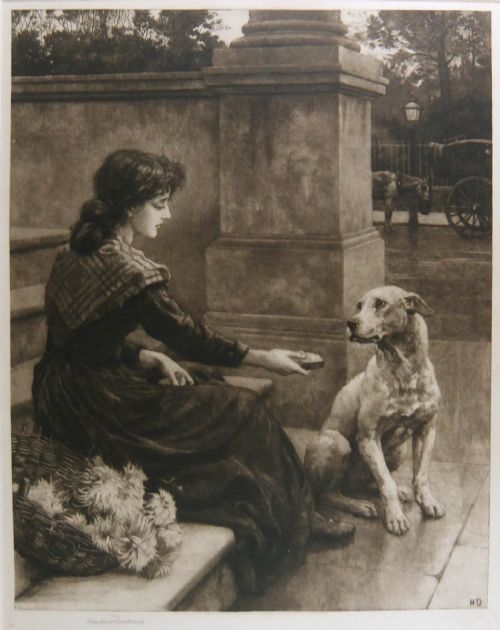
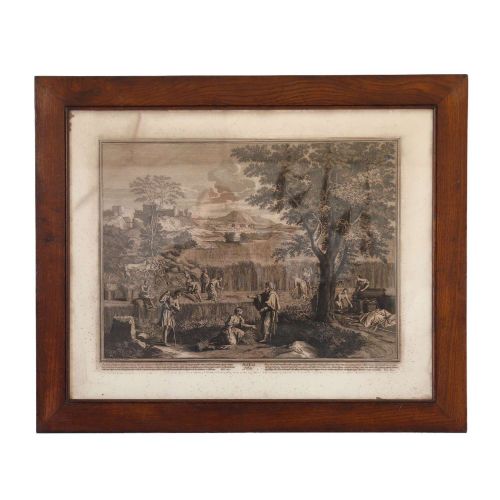
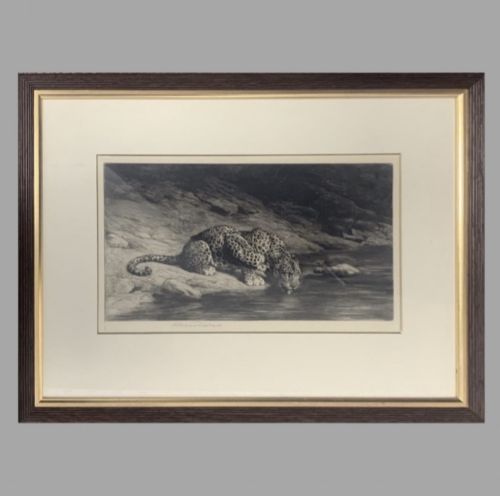
Vintage Framed Etching
A vintage framed etching brings paper, ink, and period character to a wall through centuries of graphic craft.
Vintage Framed Etching
When you search for vintage framed etching, you encounter works on paper and vellum housed in wood, glass, and metal enclosures. The selection spans the eighteenth century through the early twentieth century, taking in both British and continental workshops.
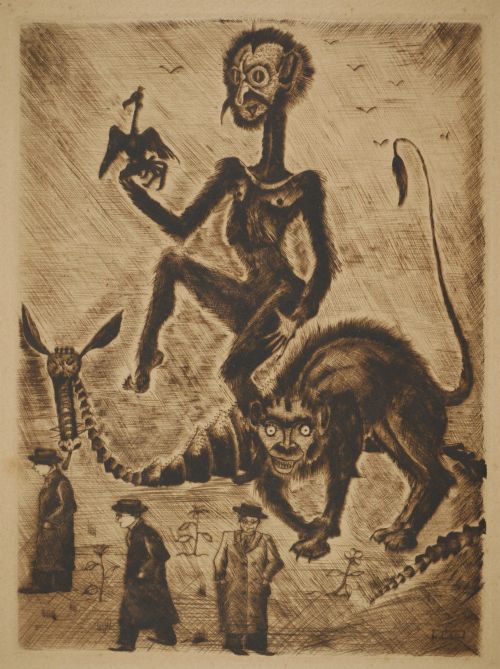
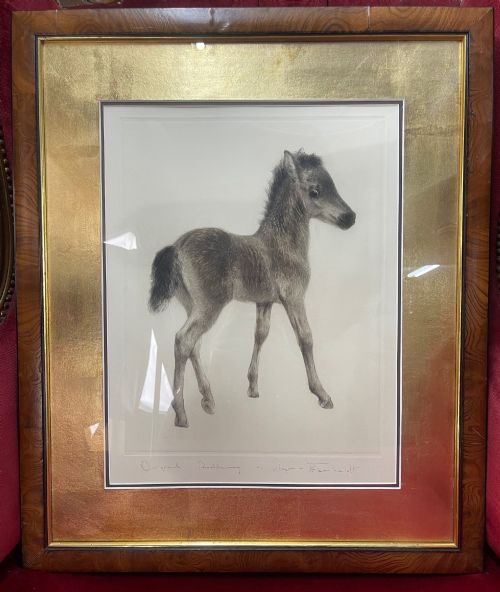
You meet signed artist proofs alongside decorative prints and engravings. Subjects range from animal studies and portraits to architectural scenes and surreal compositions.
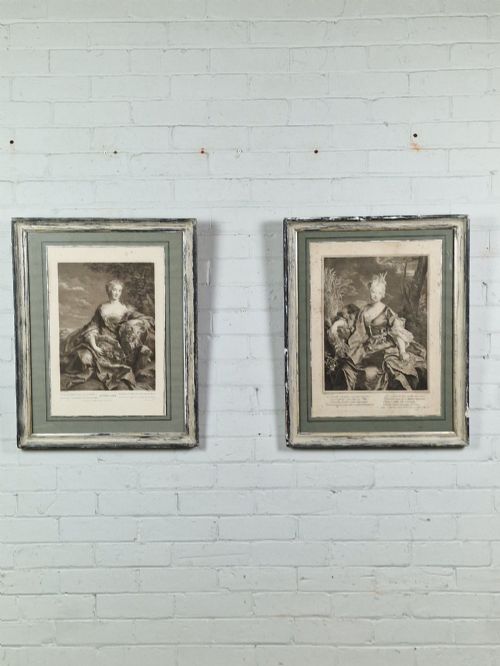
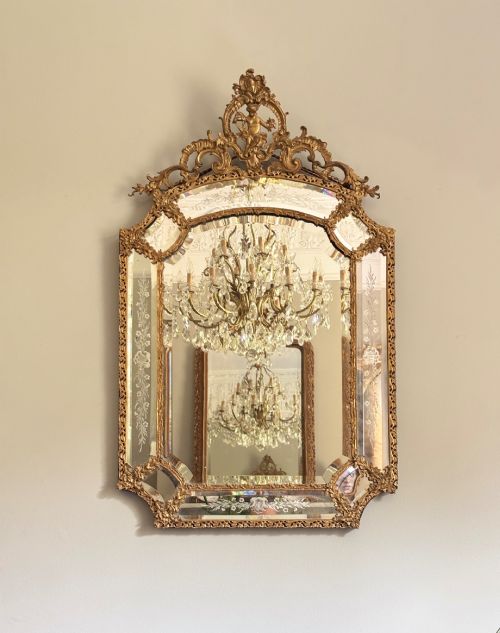
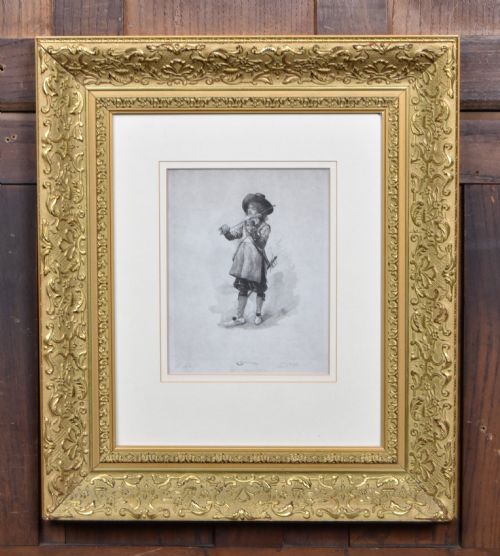
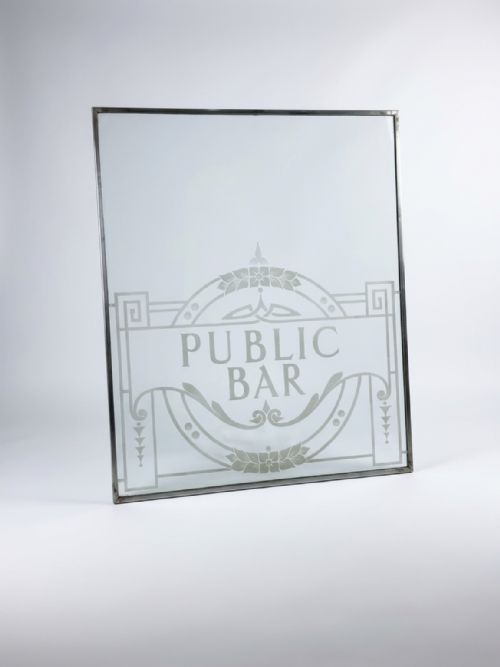
Many examples arrive in period frames, including Hogarth mouldings and carved wood profiles that match the date of the plate. Others utilise mirror glass and etched glass elements reflecting Victorian and Edwardian domestic interiors.
Materials and technique
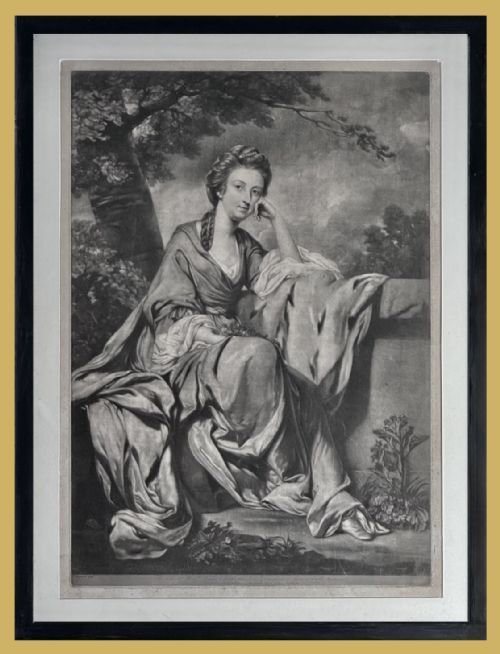
Plates are worked by hand using ink on paper or vellum, incorporating drypoint and etching methods alongside mezzotint and engraving. Pigments sometimes receive hand colouring applied across copperplate impressions.
Mountings rely on traditional timber frames, gold leaf, and protective glass. Edges are held by original backing materials and wooden mouldings.
Listings feature paper, vellum, glass, and gold leaf across centuries of printmaking.
Distinctions in standard
Differentiation lies in the clarity of the plate impression and the strength of the inked line upon the paper. Early proofs pulled directly from the copper show crisp detail that later impressions lose.
The integrity of the original frame and mounting materials matters significantly. Retaining the contemporary wooden frame or Hogarth moulding elevates the piece above later replacements.
Kurt Lorein Victor Peiser·Edward Fisher·Sir Joshua Reynolds·John Faber Jr·Sir Godfrey Kneller·Herbert Dicksee·Louis Icart·Anne Goldthwaite
The Vintage Framed Etching Glossary
- Etching
- A printmaking process where acid bites lines into a metal plate before ink is applied and transferred to paper. This technique allows for fine, fluid lines resembling a drawing.
- Drypoint
- A printmaking method where an artist scratches directly into a metal plate with a sharp needle, creating a characteristic velvety burr in the printed lines. It yields rich, dark tones.
- Vellum
- A fine parchment prepared from calfskin, offering a smooth, durable surface for printing. Etchings pulled on vellum often display exceptional tonal depth.
- Mezzotint
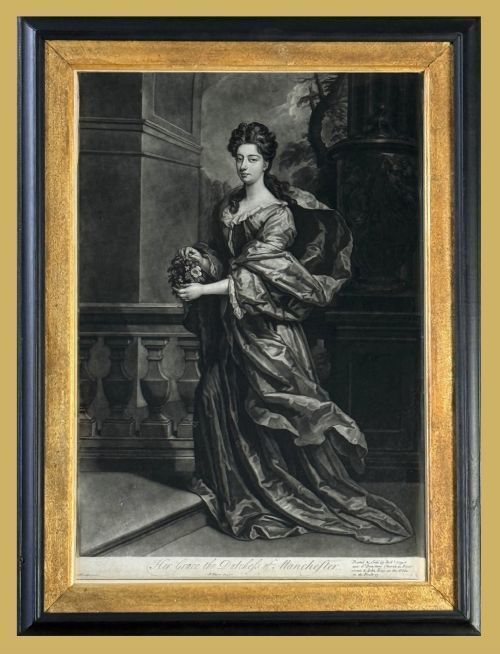
- A tonal printmaking process where the copper plate is roughened uniformly to produce dark areas, then scraped and burnished for highlights. It creates subtle gradations of light and shadow.
- Artist Proof
- An impression printed for the artist's personal use, separate from the numbered edition. These proofs often show superior crispness.
Vintage Framed Etching: Frequently Asked Questions
How do I date an antique etching?
Dating relies on the paper type, watermark, plate style, and any inscribed signatures or publication dates. Examining the framing materials and backboards provides further clues to the period of assembly.
Printers often included publication lines at the bottom margin of eighteenth and nineteenth-century plates. Comparing the paper quality and ink tone against known examples helps narrow the decade.
What is the difference between an etching and an engraving?
An etching uses acid to bite lines into a metal plate, resulting in free-flowing and varied strokes. An engraving relies entirely on a sharp tool called a burin to cut metal directly, producing clean, precise lines.
Under magnification, engraved lines taper at the ends where the burin leaves the metal. Etched lines maintain a more uniform width with slightly rounded edges created by the acid.
How should I hang framed works on paper?
Keep prints away from direct sunlight to prevent the ink and paper from fading over time. Maintain stable room humidity to protect the paper and wooden frames from warping.
Ensure wall fixings match the weight of the timber and glass assembly. Professional framing with acid-free backing materials safeguards the print for future years.
Are artist proofs more desirable?
Artist proofs are pulled before the main commercial edition is printed, making them early impressions from the fresh plate. Collectors value them for their sharpness and direct association with the creator.
Signed proofs carry the personal verification of the artist in pencil along the margin. This provenance often adds historic interest to the piece.