






Vintage Forest Artwork
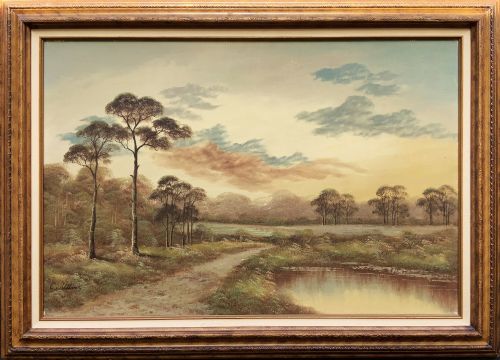
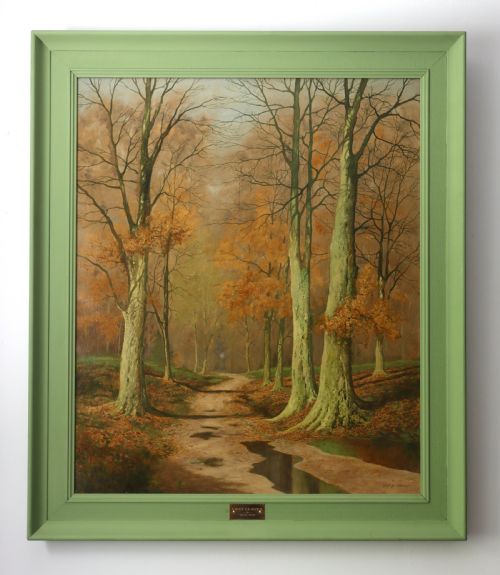
These vintage forest artwork pieces bring the quiet atmosphere of woodland trees and landscape scenes directly to your walls.
Vintage Forest Artwork
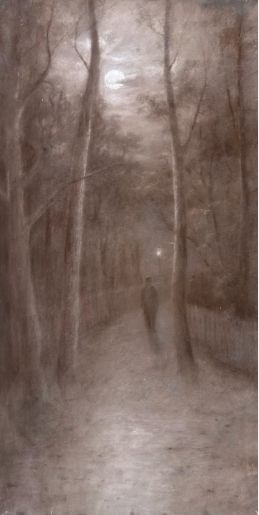
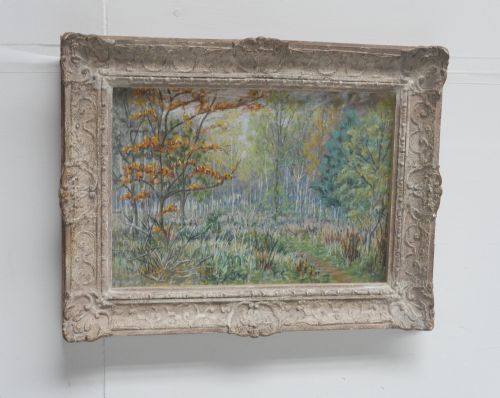
When searching for vintage forest artwork, you encounter a varied selection of landscape paintings, watercolours, drawings, and prints depicting trees, woodlands, and rural nature scenes. These pieces span from the nineteenth century through the 1900s, 1910s, 1920s, 1930s, 1940s, 1950s, and into the 1960s.
The most common examples on this page are oil paintings on canvas and watercolours on paper capturing woodland areas, fairy woods, and country views. Stylistically, the selection encompasses impressionism, British impressionism, tonalism, early twentieth-century realism, art deco, and mid-century modern interpretations.
Makers represented range from named artists such as William H Myers, Thomas Bromley Blacklock, David Watts, James Proudfoot, Rowland Henry Hill, Charles James Adams, Ernest Higgins Rigg, J McIntyre, A Wood, and Emily M Paterson to unsigned works.
How they were made
The primary mediums recorded in these listings are oil paint, watercolour, pastel, ink, charcoal, and collotype print, applied to canvas, paper, and wood supports. Artists utilised these traditional materials to build texture and capture light within woodland and landscape settings.
Techniques range from impressionist brushwork and tonalist layering to detailed charcoal drawing and delicate watercolour washes. Support materials include stretched canvas and heavyweight paper appropriate to each medium.
Vintage Forest Artwork Retail Price Guide 2026
Typical asking prices for vintage forest artwork among the pieces listed under this phrase on Sellingantiques today, from the lower quarter to the upper quarter. They describe what is for sale here now, not the wider market.
One unexpected woodland scene captures bathers alongside deer sharing the same forest floor.
What varies in quality
Quality in these artworks is determined by the artist's ability to handle light, depth, and atmosphere within the woodland setting, separating accomplished academic or impressionist execution from simpler decorative pieces. The sophistication of the composition and the surety of the brushwork or drawing define the upper tier of the range.
The integration of the medium with the support - whether oil on canvas or watercolour on paper - affects the enduring visual impact. Works that successfully convey the specific light of a forest or winter scene demonstrate greater artistic competence.
William H Myers·Thomas Bromley Blacklock·David Watts·James Proudfoot·Rowland Henry Hill·Charles James Adams·Ernest Higgins Rigg·Emily M Paterson
The Vintage Forest Artwork Glossary
- Collotype
- A planographic printing process used for producing high-quality photographic reproductions. It relies on a hardened gelatin plate that takes up ink in proportion to its exposure to light.
- Impressionism
- A nineteenth-century art movement characterised by relatively small, thin, yet visible brush strokes and an emphasis on accurate depiction of light. Artists focused on ordinary subject matter and natural phenomena.
- Tonalism
- An American and British artistic style that emerged around the late nineteenth century when artists painted landscapes with an overall tone or atmospheric mist. Works often featured dark, muted palettes dominated by browns, greys, and deep blues.
- Watercolour
- A painting method in which the paints are made of pigments suspended in a water-based solution. The characteristic feature of watercolour is its transparency and luminosity.
- Pastel
- A painting or drawing medium in the form of a stick, consisting of powdered pigment and a binder. It offers immediate colour application and soft blending qualities.
Vintage Forest Artwork: Frequently Asked Questions
What periods do these forest artworks cover?
The pieces span from the nineteenth century through the 1900s, 1910s, 1920s, 1930s, 1940s, 1950s, and 1960s.
This broad chronological range incorporates various artistic movements from early realism to mid-century modern styles.
What materials were used to create these pieces?
Artists utilised oil paint, watercolour, pastel, ink, and charcoal.
These mediums were applied to supports including canvas, paper, and wood.
Are these artworks signed by artists?
Some listings feature signed works by named historical artists such as William H Myers and Rowland Henry Hill.
Other listings comprise unsigned pieces or works attributed by style and period.
How do I care for vintage paintings and watercolours?
Keep works on paper and canvas away from direct sunlight to prevent fading of watercolours, oils, and inks.
Maintain stable indoor humidity levels to protect wooden supports and canvas integrity.