



Vintage Food Press
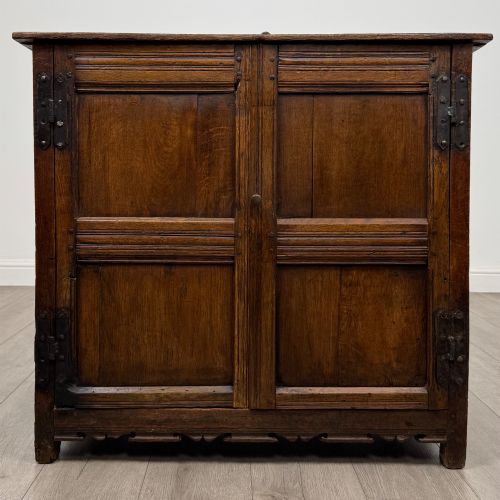
These vintage food press pieces are storage cupboards and larders used to house provisions, offering robust character to a country interior.
Vintage Food Press
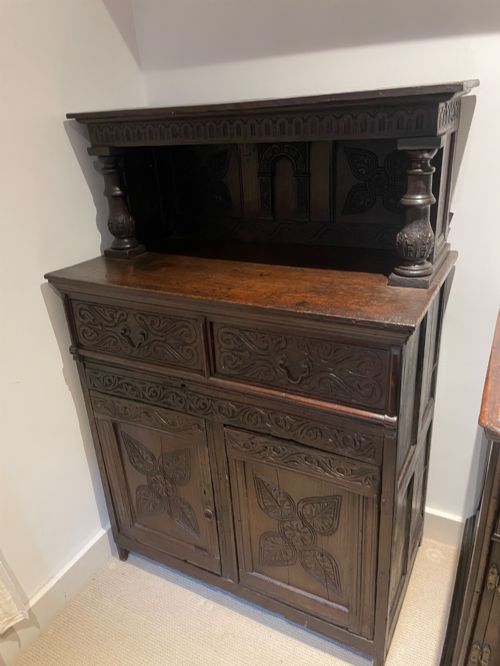
When you search for a vintage food press, you are looking at substantial storage furniture designed for keeping household provisions, linens, and kitchen goods. The pieces appearing here span centuries from the seventeenth through to the twentieth, reflecting long traditions of domestic utility.
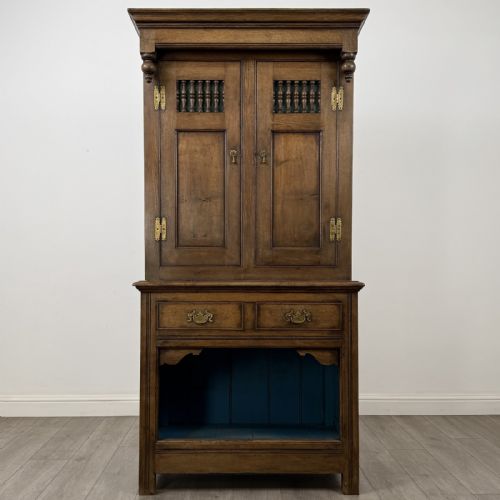
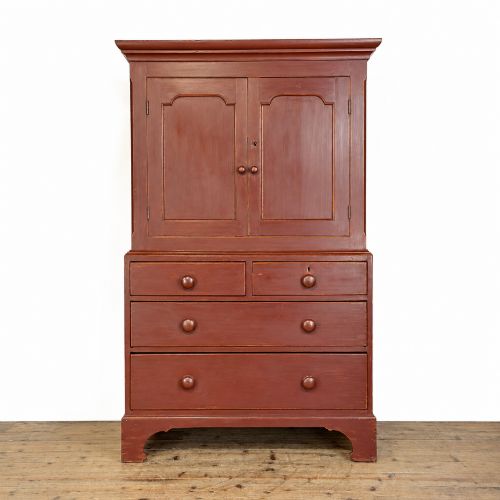
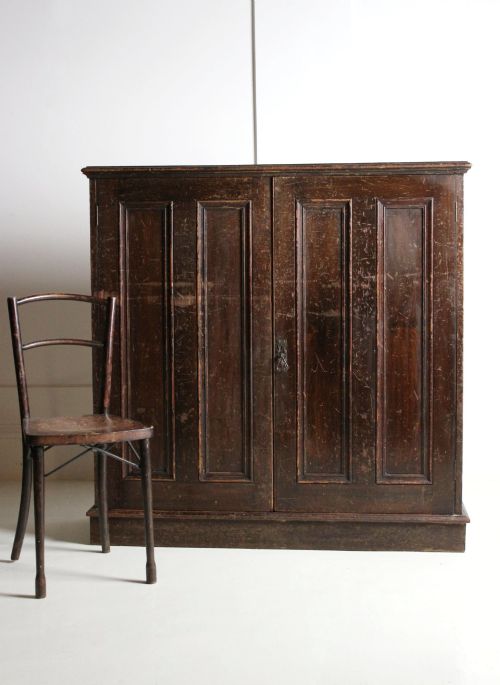
You are most likely to meet pine and oak examples on this page, taking forms such as housekeeper cupboards, larder cupboards, linen cupboards, and court cupboards. These items originate from English, Welsh, French, Scandinavian, and East European workshops.
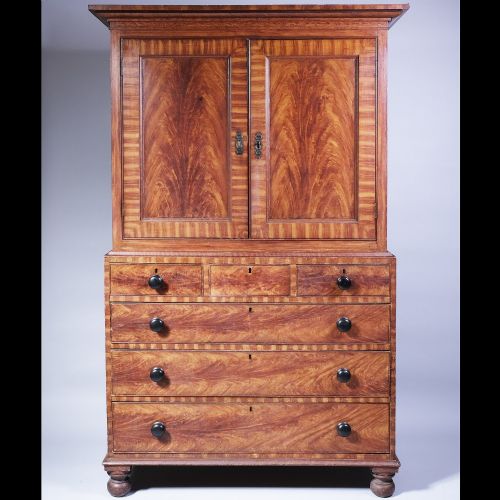
The assortment ranges from rustic scumble painted finishes to carved oak panels and Georgian pine storage cabinets. Each piece demonstrates the practical domestic requirements of its period, from simple farmhouse storage to grander architectural forms.
How they were made
Construction relies heavily on solid timber, predominantly pine and oak, joined using traditional cabinet-making methods suited to heavy everyday use. Wrought iron and brass hardware such as hinges and latches secure the doors.
Many surfaces display historical paint layers, including scumble painting and wax treatments applied over pine or stained pine. Oak variants frequently feature carved pillar panels and joined construction characteristic of earlier centuries.
Vintage Food Press Retail Price Guide 2026
Typical asking prices for vintage food press among the pieces listed under this phrase on Sellingantiques today, from the lower quarter to the upper quarter. They describe what is for sale here now, not the wider market.
Several cupboards retain layers of scumble paint applied generations ago to make humble pine look suspiciously like expensive timber.
What varies in quality
The distinction between items rests in the integrity of the timber, the depth of historical surface finishes such as original paint or scumble work, and the complexity of joinery. Pieces retaining their structural stability and original hardware stand apart from heavily altered examples.
Proportion and decorative detailing also differentiate the range, from simple pegged joints on regional pine storage pieces to intricate carved pillar panels on seventeenth-century oak court cupboards.
The Vintage Food Press Glossary
- Housekeeper cupboard
- A large storage cabinet traditionally used by a housekeeper to store linens, dry goods, and household provisions. These tall pieces often feature multiple doors and internal shelving.
- Court cupboard
- An early form of sideboard or storage cabinet, typically constructed in oak with carved details and tiered sections. They date back to the seventeenth century and earlier.
- Scumble painting
- A decorative technique involving the manipulation of a translucent glaze over a base coat to imitate the grain of more expensive woods or to create aged texture. This finish appears on nineteenth-century pieces.
- Deuddarn
- A traditional Welsh two-section oak cupboard used for storing food and utensils. These pieces date from the seventeenth century and reflect regional craftsmanship.
- Pine
- A soft timber widely utilised across European and English vernacular furniture. It accepts paint and wax finishes readily.
Vintage Food Press: Frequently Asked Questions
How do I use a vintage food press today?
These large cupboards serve well in modern kitchens or utilities for storing dry goods, crockery, and tableware.
Alternatively, they function effectively in hallways and bedrooms for linen and clothing storage, keeping items concealed behind sturdy timber doors.
What wood types appear most often?
Pine and oak form the vast majority of the inventory seen in these listings.
Pine items often carry painted or scumble finishes, whilst oak examples showcase natural grain or carved panels.
How do I date a court cupboard?
Dating relies on construction methods such as pegged joints, hand-carved pillar panels, and regional stylistic traits.
Earlier pieces from the seventeenth century show heavier joined construction compared to later revival variants.
Are painted finishes original on these cupboards?
Many pieces retain historic paint layers, including scumble glaze or traditional flat paint applied to pine surfaces.
Over the centuries, owners frequently updated finishes to suit prevailing domestic tastes.