





Vintage Food Art
These vintage food art pieces capture culinary subjects across centuries of painting, cabinet-making, and decorative design.
Vintage Food Art
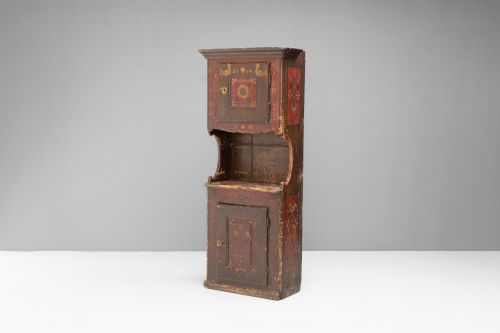
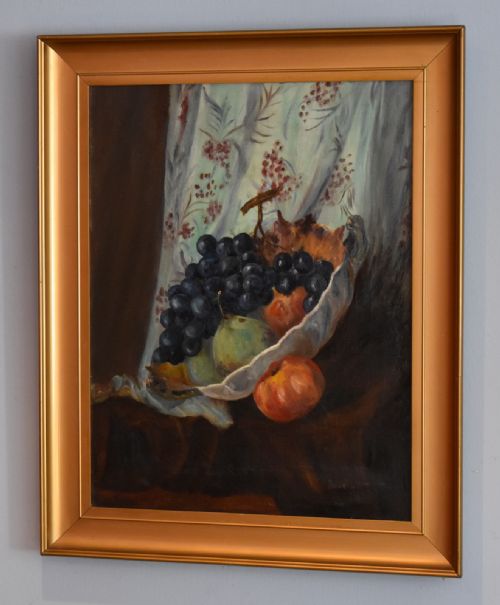
Vintage food art spans oil paintings of still life subjects, painted wooden storage furniture, and novelty barware accessories. When exploring vintage food art, buyers encounter everything from grand canvas depictions of larder views to practical kitchen cupboards and display models.
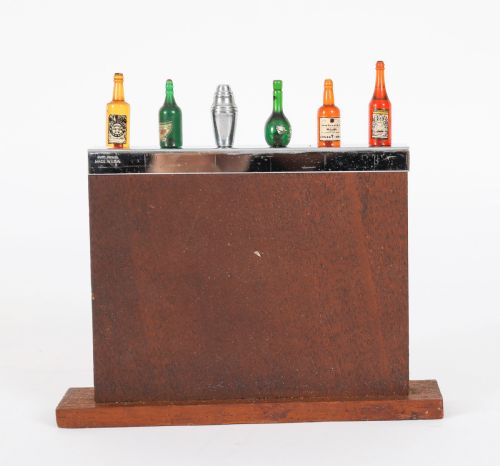
The selections range from nineteenth-century Victorian and Scandinavian painted pine cabinets to Art Deco cocktail sets and French school canvases. Oil paintings and storage furniture form the core of the items available for collectors.
Period pieces include Georgian miniatures, Victorian still life works, and twentieth-century French canvases depicting fruit and table settings. Each object reflects domestic life, culinary display, and the artistic interpretation of provisions through different eras.
Materials and construction methods
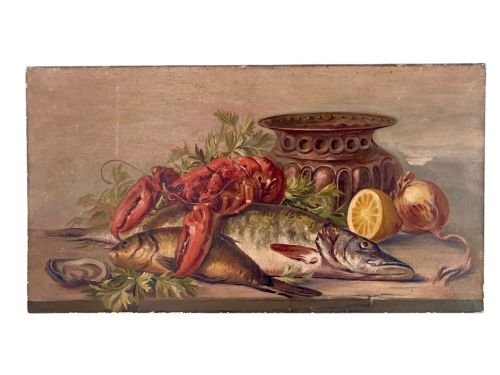
Makers utilised traditional materials such as oil on canvas, solid pine, and wrought iron, alongside chrome and gold leaf details. Paintings apply oil pigments to stretched canvas or panel supports, capturing texture in subjects like lobsters, fruit, and bread loaves.
Wooden items employ pine and other timbers, often finished with historic paint layers, ragwork decoration, or rustic patination. Barware and display pieces incorporate metals and novelty mouldings to achieve durable, tactile kitchen and dining accessories.
Vintage Food Art Retail Price Guide 2026
Typical asking prices for vintage food art among the pieces listed under this phrase on Sellingantiques today, from the lower quarter to the upper quarter. They describe what is for sale here now, not the wider market.
A cheerful cherry man cocktail stick set brings mid-century bar charm straight to the modern table.
Determinants of quality
Quality in paintings rests on the handling of light, brushwork finesse, and the preservation of the original canvas surface. Stronger works display confident composition and subtle tonal shifts within the culinary subject matter.
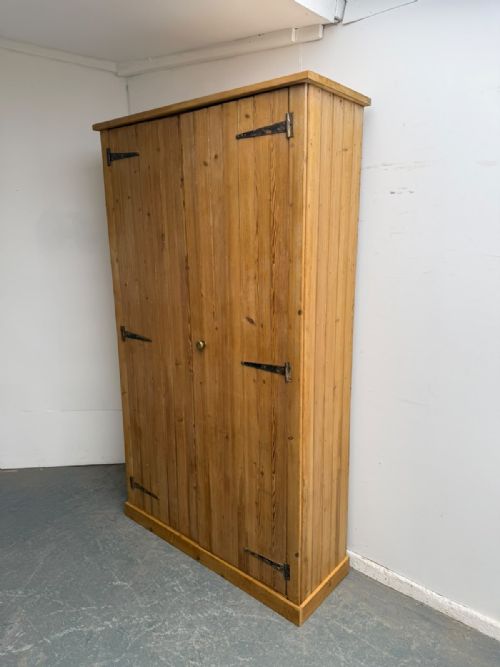
For furniture and objects, the integrity of the original paint finish and structural joinery dictates the standard. Untouched decorative surfaces and genuine period hardware distinguish superior storage pieces and display models from later alterations.
William Henry Ward·Sudre
The Vintage Food Art Glossary
- Still life
- A painting or drawing depicting inanimate subject matter, typically commonplace objects such as food, game, or drink. These works focus on arrangement and lighting.
- Gustavian
- A Swedish neoclassical style characterised by pale painted finishes, restrained ornamentation, and functional elegance. It emerged during the late eighteenth century and influenced Scandinavian furniture design.
- Ragwork
- A decorative paint technique where rags or cloths are used to apply or texture pigment onto a surface. This method creates mottled patterns often seen on period country cupboards.
- Tine
- A traditional Scandinavian wooden container or food box with interlocking bentwood bands and fitted lids. These vessels were historically used for storing and carrying provisions.
Vintage Food Art: Frequently Asked Questions
What periods do these pieces come from?
The listings encompass items ranging from the eighteenth and nineteenth centuries into the mid-twentieth century. Examples include Victorian oils, Georgian miniatures, and Art Deco bar accessories.
Specific dates within the evidence span from the 1800s through the 1940s, capturing shifting domestic aesthetics across European regions.
How were larder cupboards used?
Larder cupboards served as essential domestic storage furniture for perishable provisions before modern refrigeration. They provided ventilated or enclosed spaces to keep food stores organised in kitchens and pantries.
In period homes, housekeeper's cupboards held dry goods, preserves, and baking supplies, combining practical utility with painted craftsmanship.
How do I care for painted wooden furniture?
Painted wooden pieces require stable indoor environments away from direct sunlight and extreme humidity fluctuations. Dust gently with a soft dry cloth and avoid harsh chemical cleaners that might disturb historic paint.
Preserving the original surface involves maintaining gentle handling and treating the pine or hardwood timber with appropriate wax where suitable.