



Vintage Folk Art Cabinet
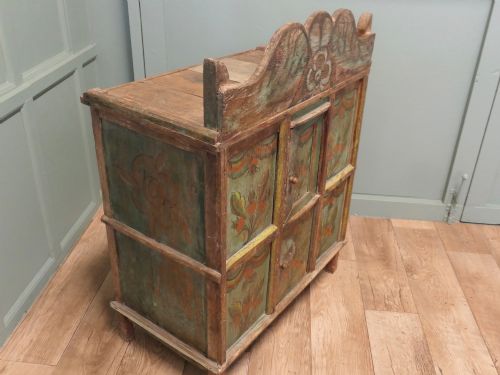
A vintage folk art cabinet brings rustic charm into a room, offering practical storage disguised in colourful, painted surfaces.
Vintage Folk Art Cabinet
A vintage folk art cabinet encompasses regional storage furniture, from wall cupboards and dressers to linen presses and armoires. These pieces originate across Europe, including Sweden, Hungary, France, and England, spanning the eighteenth and nineteenth centuries.
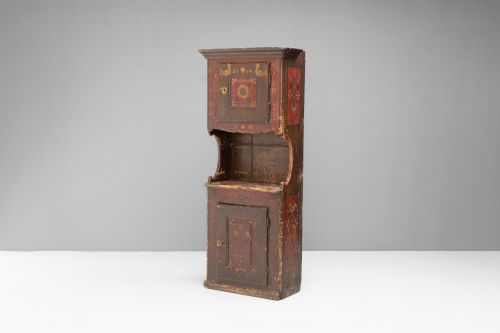
The most common examples on this page are painted pine cupboards from Scandinavia and Central Europe. They range from small hanging cupboards to large two-piece dressers and kitchen cabinets, often displaying distinctive regional country styles.
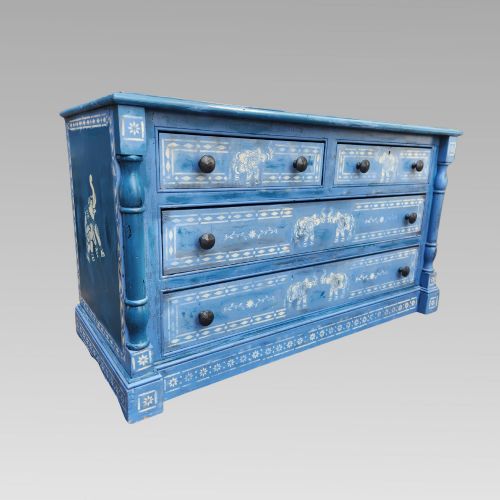
Buyers also encounter related forms such as chests of drawers, buffet tables, and grocery store models. Each piece reflects local vernacular traditions rather than formal academic design.
How they were made
Carpenters typically built these cabinets using native softwoods like pine, joining panels with traditional woodworking techniques suited to everyday domestic use. Iron and brass hardware such as hinges and latches secured the doors and drawers.
Surface decoration relies heavily on paint, with artisans applying layers of oil or water-based pigments. Techniques include ragwork painting, cream and teal finishes, and intricate hand-painted folk motifs.
Vintage Folk Art Cabinet Retail Price Guide 2026
Typical asking prices for vintage folk art cabinet among the pieces listed under this phrase on Sellingantiques today, from the lower quarter to the upper quarter. They describe what is for sale here now, not the wider market.
A nineteenth-century child's high chair mimics high art by adopting the specific decorative style of Roosje Hindeloopen.
What varies in quality
The character and preservation of the original painted surface dictate much of the distinction between pieces. Cabinets retaining untouched layers of regional paintwork command greater interest than those with later redecorations.
Structural proportion and the complexity of vernacular joinery also set examples apart. Well-balanced proportions and clever internal shelving elevate a utilitarian storage piece into a notable work of folk art.
Melissa White
The Vintage Folk Art Cabinet Glossary
- Gustavian
- The Swedish interpretation of French neoclassical style, characterised by restrained decoration and pale painted finishes. It heavily influences Scandinavian country furniture from the eighteenth and nineteenth centuries.
- Ragwork painted
- A decorative paint technique where rags or cloths create textured patterns on the surface. This method appears frequently on nineteenth-century pine furniture.
- Armoire
- A large freestanding cupboard or wardrobe used for storing clothing and linens. French country examples often feature single or double doors.
- Linen press
- A tall piece of furniture designed for storing textiles, typically combining upper cupboard storage with lower drawers. English and general regional versions serve domestic storage needs.
- Tramp art
- A style of woodwork created using simple tools and salvaged materials, often involving chip-carved geometric layers. French examples showcase this decorative approach on larger furniture frames.
Vintage Folk Art Cabinet: Frequently Asked Questions
What is a vintage folk art cabinet?
A vintage folk art cabinet is a piece of regional storage furniture, such as a cupboard, dresser, or armoire, decorated with traditional painted finishes.
These items originate from various European countries, including Sweden, Hungary, and France, dating mainly from the eighteenth and nineteenth centuries.
How do I identify a Swedish folk art cabinet?
Swedish pieces often display Gustavian influence or regional country styles with pale or distinctive painted surfaces. Look for traditional pine construction combined with specific decorative paint techniques like ragwork.
They generally present clean architectural lines paired with vernacular charm characteristic of Scandinavian craftsmanship.
Where were these cabinets used?
These cabinets served practical storage functions in kitchens, larders, and living quarters across European rural and domestic settings. Families used them to store household provisions, kitchenware, and textiles.
Larger versions acted as central dressers or linen presses within the home.
How do I live with a painted folk art cabinet?
A painted folk art cabinet functions well as a focal storage point in modern dining rooms, kitchens, or hallways. Its colourful surface adds warmth and texture to neutral interiors.
Ensure the piece is placed away from direct heat sources to protect the aged wood and historic paint layers.