




Vintage Flower Pot
A vintage flower pot brings form and presence to green growth, taking shape as a jardiniere, cache pot, or plant stand from eras past.
Vintage Flower Pot
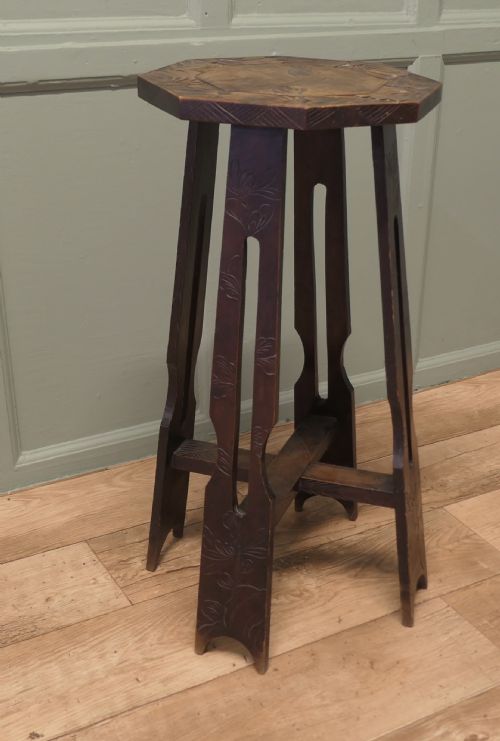
A vintage flower pot encompasses domestic vessels designed to hold plants, stretching from Victorian copper and brass jardinieres to Arts and Crafts stands in solid copper and carved elm. The selection draws together utilitarian containers and decorative display pieces intended for indoor greenery.
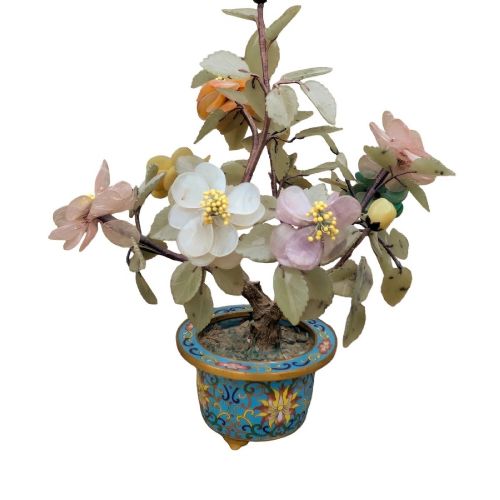
The objects span periods from the nineteenth century through the Edwardian, Art Nouveau, and Art Deco eras, alongside mid-century interpretations. Formats range from freestanding plant tables and heavy lead garden planters to porcelain cache pots and cloisonné bonsai displays.
Vessels emerge in earthenware, ceramic, terracotta, and porcelain, frequently accompanied by metalwork stands in wrought iron, brass, and copper. Buyers encounter pieces styled in Chinese Qing, Chinoiserie, and Amsterdam School aesthetics alongside straightforward British domestic designs.
Materials and construction
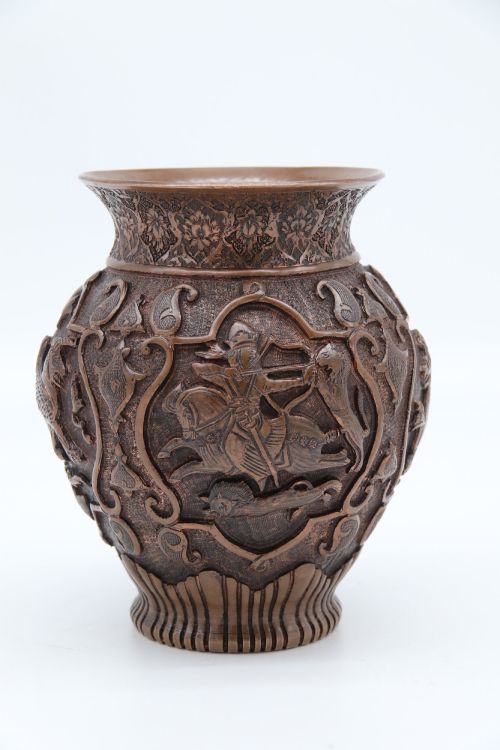
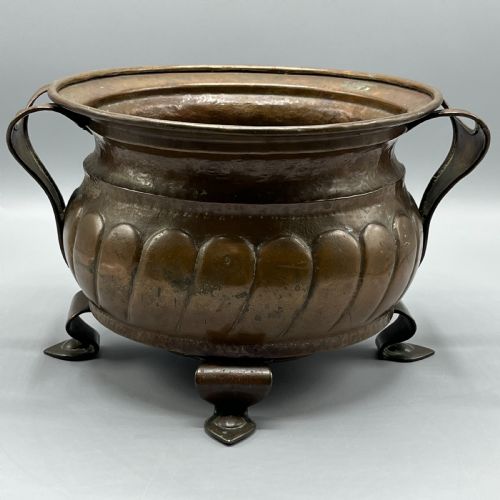
Metals dominate the record through hand-hammered repoussé copper, heavy cast brass, and patinated bronze, often shaped with applied lion mask handles or fluted bodies. Artisans utilised sheet metal manipulation and riveting to build durable indoor planters.
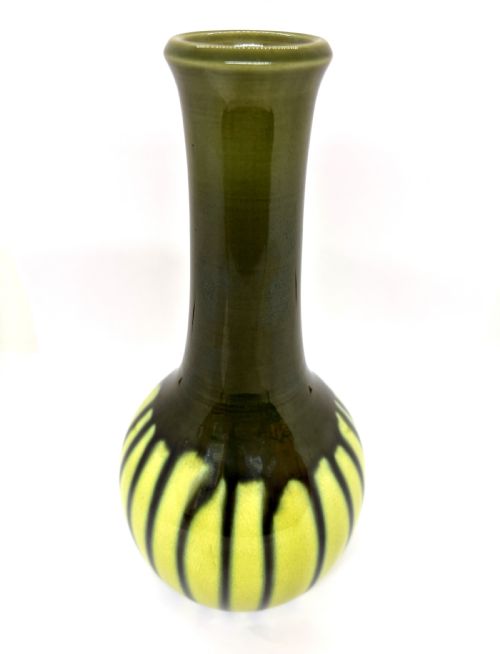
Ceramics and earthenware rely on traditional throwing and moulding techniques, finished with coloured glazes or blue and white transfer printing. Stoneware and porcelain cache pots sit alongside carved elm wood and wrought iron stands painted white.
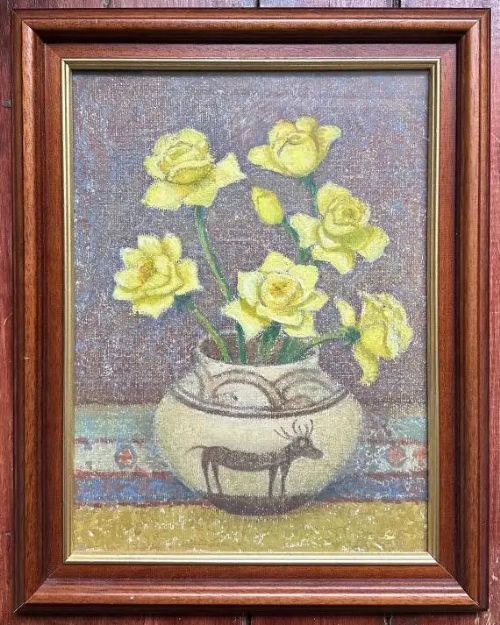
Surface decoration extends to hardstone inlay, cloisonné wirework, and original paint finishes on wood. Paintings on canvas capture floral subjects alongside the pots themselves, executed in oil during the nineteenth and twentieth centuries.
Vintage Flower Pot Retail Price Guide 2026
Typical asking prices for vintage flower pot among the pieces listed under this phrase on Sellingantiques today, from the lower quarter to the upper quarter. They describe what is for sale here now, not the wider market.
A bronze vase stands ready with original patina, alongside painted floral scenes that capture greenery immortalised in oil.
Assessing the standard
Quality rests in the weight of the metal, the crispness of repoussé hammering, and the integrity of joints on stands and handles. Thicker gauge copper and brass retain structural rigidity and take a deeper, more convincing patina over decades of handling.
In ceramics and porcelain, the depth of glaze, clarity of painted or printed motifs, and precision of firing distinguish standard domestic wares from ambitious studio output. Form dictates success, where proportion between container and supporting stand feels resolved and deliberate.
Originality of surface finish dictates distinction, particularly where untouched patination, original paint, or authentic patinated bronze surfaces remain intact without aggressive modern intervention.
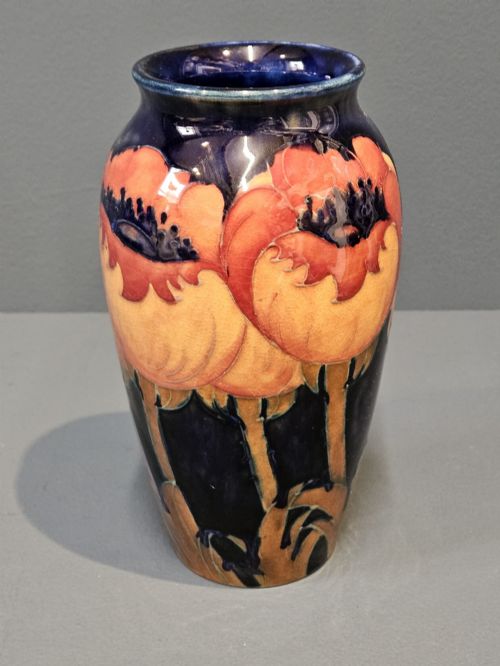
Liberty and Co·Moorcroft·J Sankey and Sons·Enoch Wood and Sons·Doulton
The Vintage Flower Pot Glossary
- Jardiniere
- A large ornamental pot or stand for holding plants or flowers. These vessels sit on tables or directly on the floor in interior spaces.
- Cache pot
- An ornamental flower pot used without a drainage hole to conceal a plain inner pot. They protect indoor surfaces from moisture.
- Repoussé
- A metalworking technique where the artisan hammers metal from the reverse side to form a raised design in relief. This method defines many Arts and Crafts copper vessels.
- Cloisonné
- Enamelling work where metal wire creates compartments on a base to hold coloured glass paste before firing. It appears frequently on decorative botanical containers.
- Plant stand
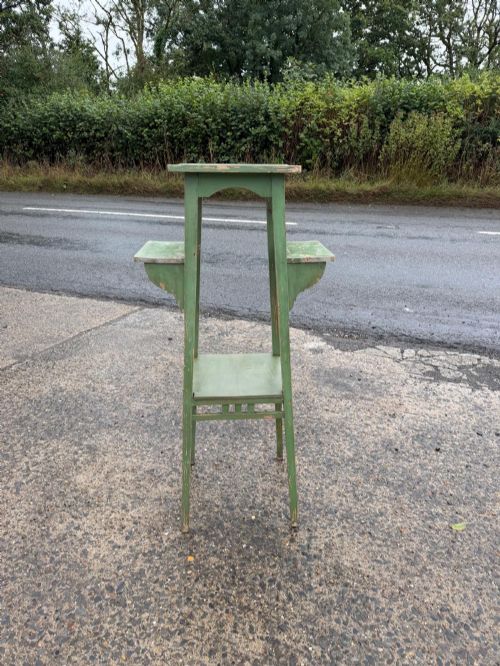
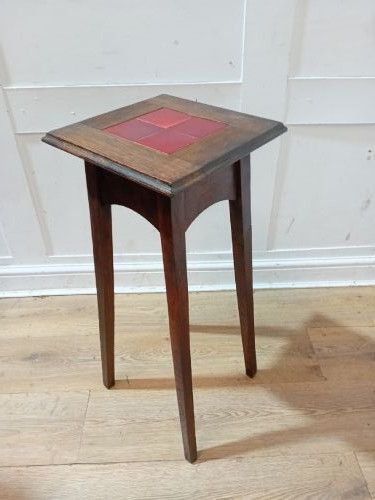
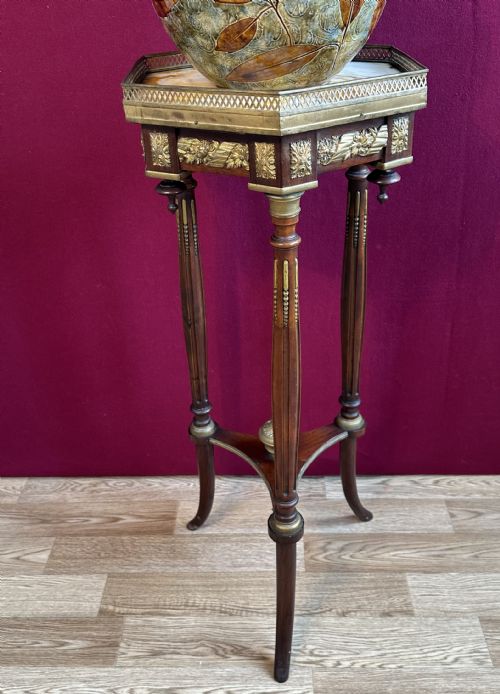
- A specialised piece of furniture designed to elevate greenery. Examples range from carved elm octagonal tables to wrought iron frames.
Vintage Flower Pot: Frequently Asked Questions
What is a jardiniere?
A jardiniere is a decorative container designed to hold a potted plant, differing from standard garden pots through its ornamental finish and domestic placement.
They appear in materials like brass, copper, and ceramic, often featuring decorative handles or repoussé work intended for indoor display.
How were plant stands used?
Plant stands elevated indoor greenery to catch light and display trailing foliage at window height or within living spaces.
They served as functional furniture pieces in Victorian and Edwardian interiors, constructed from timber, wrought iron, or brass.
How do I clean a copper pot?
Cleaning historic copper requires gentle handling to preserve the natural oxidation and dark patination accumulated over time.
Harsh abrasive polishes remove the surface history that collectors value, so gentle dusting and mild soapy water suffice for routine care.
Can these pots hold soil directly?
Many historic metal and ceramic vessels lack drainage holes or liners suited for direct planting and watering.
Placing a plastic or terracotta nursery pot inside the decorative container protects the antique material from moisture damage and root rot.