





Vintage Floral Trinket Box
These small vessels span centuries of decorative handwork, offering a neat place to store keepsakes while bringing period charm to a dressing table or desk.
Vintage Floral Trinket Box
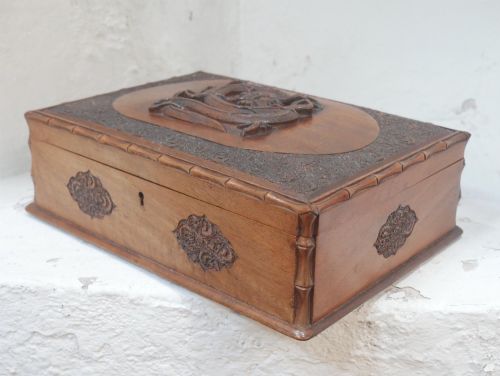
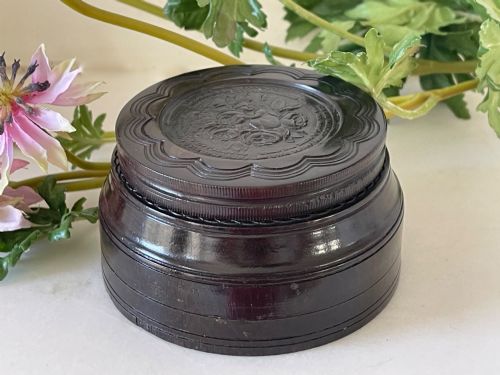
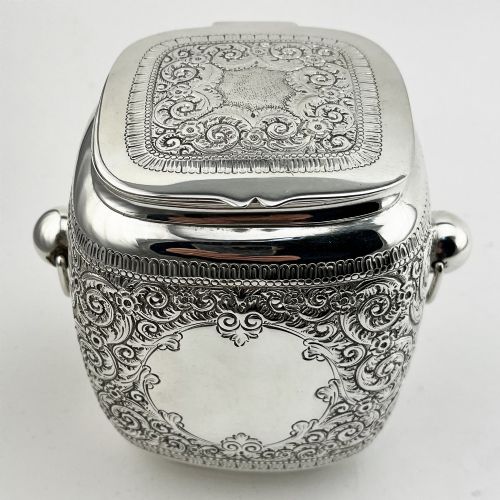
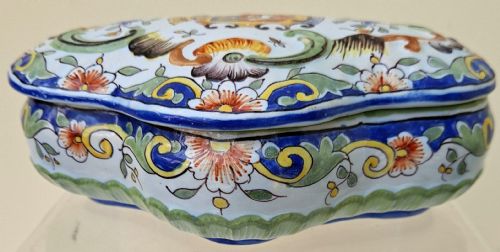
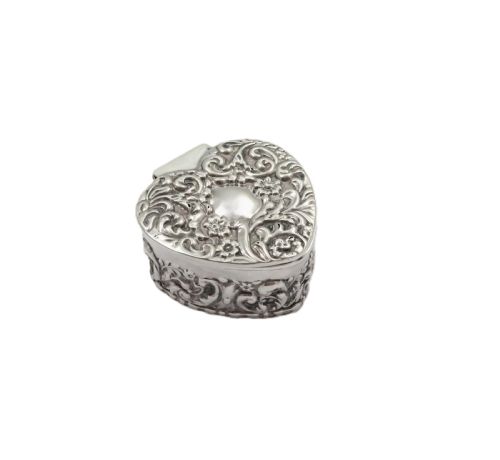
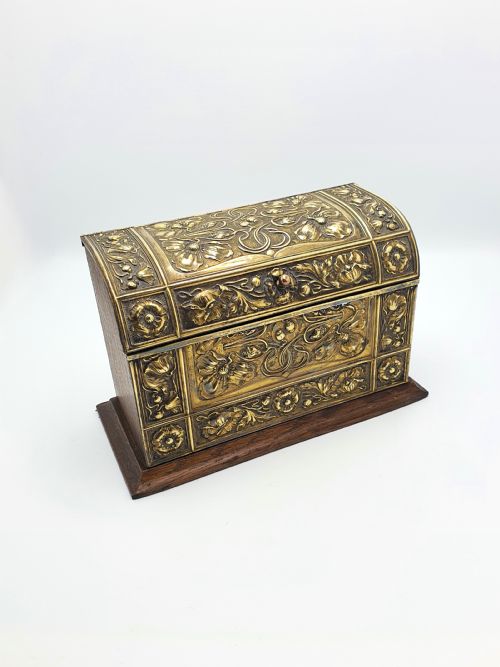
A vintage floral trinket box covers small lidded containers designed to hold keepsakes, jewellery, or small personal items. The pieces seen here cross several forms, including snuff boxes, tea caddies, workboxes, and small caskets.
The selection ranges from Georgian and Victorian examples through to Edwardian and early twentieth-century pieces. Makers utilised materials such as sterling silver, brass, wood, lacquer, and paint to create decorated surfaces.
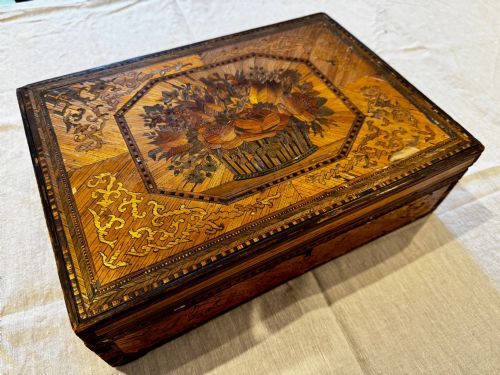
Floral motifs appear across various styles, from folk art and French faience to Art Nouveau and floral marquetry. Buyers encounter both British craftsmanship and international pieces, including French, Italian, Austrian, and Indo-Chinese works.
How they were made
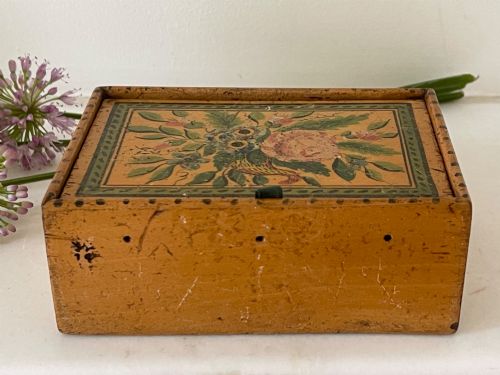
Wood construction relies on techniques like marquetry, parquetry, and Tunbridge Ware mosaic work to form geometric or floral pictures on rosewood, boxwood, and oak foundations. Papier-mâché and painted pine provide alternative surfaces for delicate hand-painted floral ornamentation.
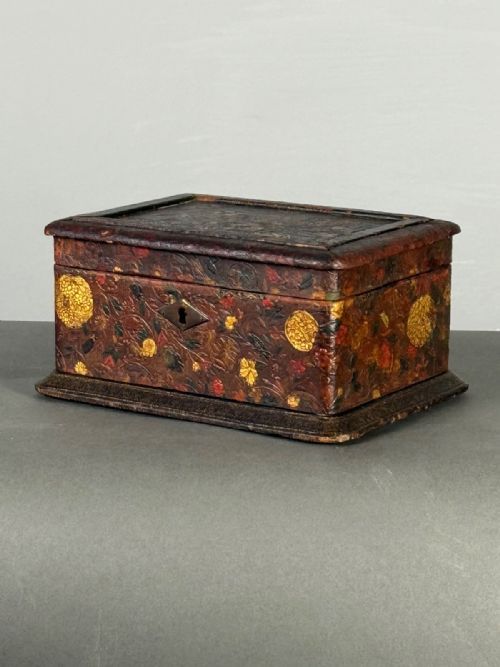
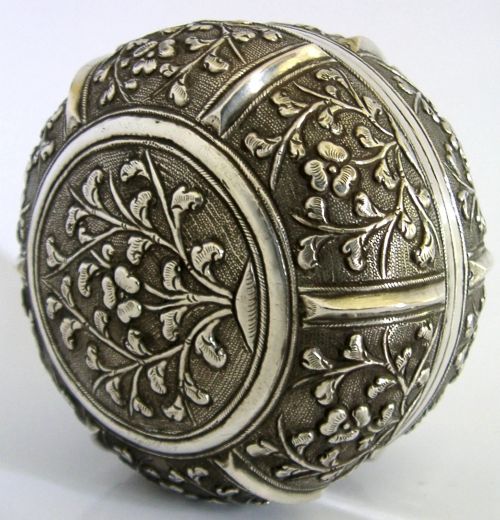
Metal boxes utilise silver, brass, copper, and bronze, shaped through casting, engine turning, and fine engraving. Silversmiths etched floral scrolls onto sterling silver lids, while other pieces combined polychrome leather, lacquer, and paint.
Vintage Floral Trinket Box Retail Price Guide 2026
Typical asking prices for vintage floral trinket box among the pieces listed under this phrase on Sellingantiques today, from the lower quarter to the upper quarter. They describe what is for sale here now, not the wider market.
The selection includes boxes made from sterling silver, brass, copper, rosewood, boxwood, pine, papier-mâché, lacquer, and paint.
What varies in quality
Quality rests in the precision of the surface decoration, whether hand-painted floral pigments retain their crispness or marquetry tesserae align without gaps. Finer pieces demonstrate careful attention to interior fittings, hinges, and lining materials.
The choice of base medium influences the character of the vessel, with solid silver, rosewood, and specialist lacquer marking out more ambitious commissions. Maker attribution and unusual forms further distinguish standard storage pieces from exceptional examples.
Susse Freres Paris·Martin Hall Co·A J Zimmerman Ltd·S Theeman·Josef Margold
The Vintage Floral Trinket Box Glossary
- Tunbridge Ware
- A type of woodworking originating from Kent that creates detailed pictorial mosaics using thousands of tiny coloured wood blocks. These specimens frequently depict floral patterns or local architecture.
- Marquetry
- The art of applying small pieces of veneer to a structure to form decorative patterns or pictures. Craftsmen used various coloured woods to build up floral motifs across box lids.
- Papier-mâché
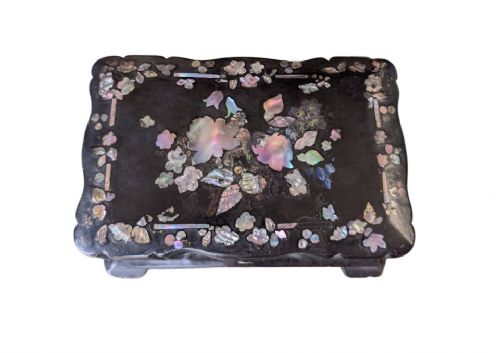
- A composite material made from paper pulp or reinforced sheets of paper mixed with glue, then moulded and dried. It forms a smooth surface suited to dark lacquer and painted floral details.
- Snuff box
- A small pocket-sized container originally built to hold powdered tobacco. Examples often feature hinged lids with decorated or engine-turned exteriors.
- Engine turning
- A mechanical technique used to engrave precise geometric patterns onto metal surfaces. This method creates textured light-reflecting designs on silver and brass boxes.
- Toleware
- Metalware coated with a tin-plate or lacquer base and finished with painted decoration. These items often display floral designs on a dark background.
Vintage Floral Trinket Box: Frequently Asked Questions
What were small decorative boxes originally used for?
These vessels held high-value or personal items ranging from dried tobacco and tea leaves to sewing implements and correspondence. Their compact size kept delicate items protected in domestic spaces.
Over time, owners repurposed them for modern keepsakes and dressing table accessories while retaining their decorative role.
How do I identify a Georgian box from a Victorian one?
Georgian and Regency specimens often rely on hand-painted motifs, Tunbridge Ware, or geometric marquetry with understated proportions. Victorian examples frequently introduce heavier ornamentation, such as mother of pearl inlay on papier-mâché.
Examining the construction methods, hinges, and interior linings helps determine the likely period of manufacture.
Are painted wooden boxes delicate to handle?
Painted wooden and lacquer surfaces require gentle care to preserve the original pigments and varnishes. Keeping them away from direct sunlight and excessive moisture protects the finish.
Regular dusting with a dry, soft cloth keeps the decorated surfaces clean without risking the integrity of the material.
What distinguishes Tunbridge Ware from standard inlaid wood?
Tunbridge Ware uses extremely small wooden tesserae arranged meticulously by hand to build up pictorial scenes and floral mosaics. Standard marquetry uses larger veneers cut and fitted into a background panel.
This mosaic technique creates a distinct pixelated appearance under close inspection.