






Vintage Floral Pottery
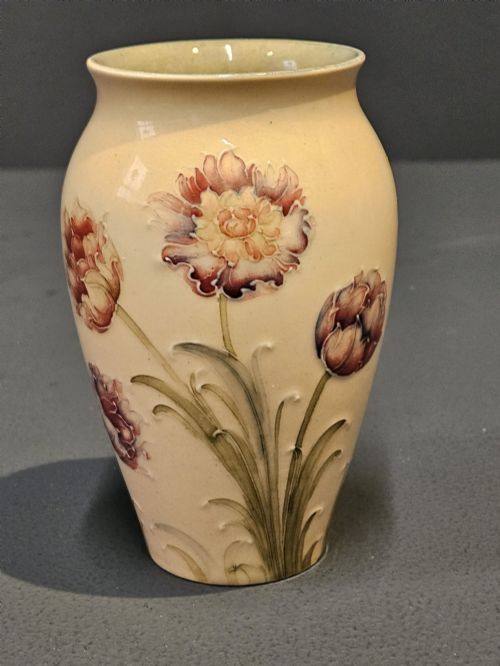
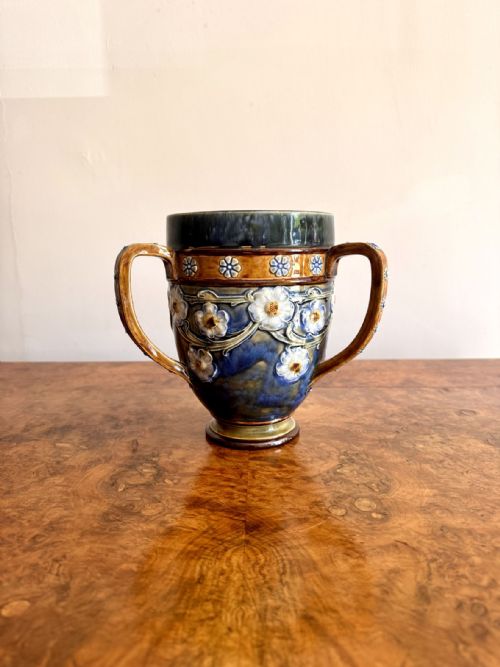
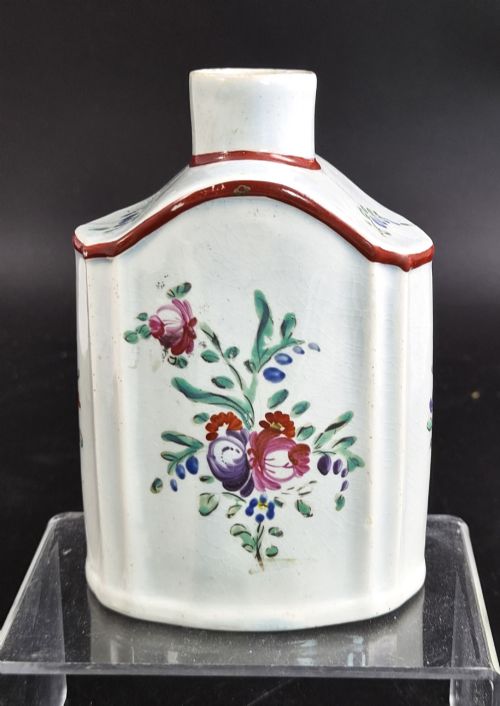
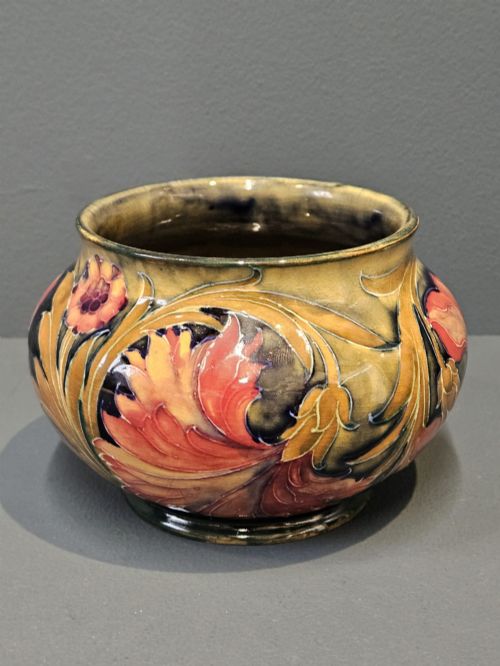
These vintage floral pottery pieces bring painted botanicals into a room, spanning centuries of earthenware and tin glaze.
Vintage Floral Pottery
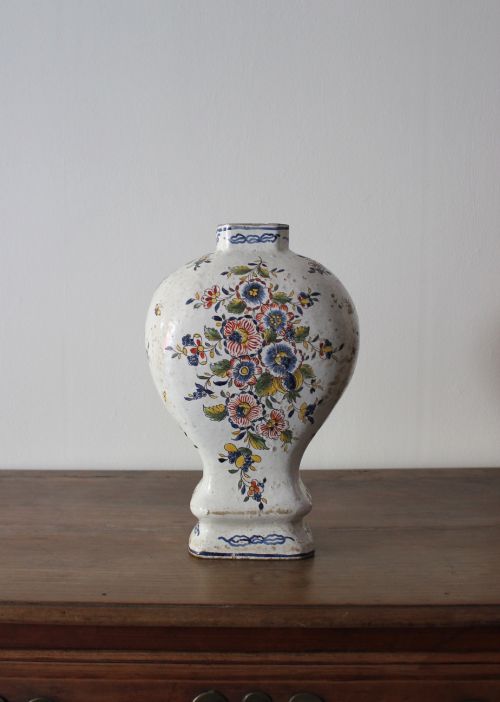
Vintage floral pottery spans practical household wares and purely decorative display items decorated with botanical and painted plant motifs. When searching this phrase, a buyer encounters centuries of ceramic production ranging from Georgian tin glaze to Art Nouveau earthenware.
The objects take many forms, including vases, pitchers, jugs, jardinieres, serving platters, and complete dinner services. These pieces originate from diverse workshops across England, France, Holland, Germany, and Japan.
Examples on this page draw from periods as early as the eighteenth century and extend through the Victorian, Edwardian, and Art Deco eras. Earthenware and glazed ceramics dominate the selection, often carrying hand-painted or transfer-printed floral decorations.
Materials and Techniques
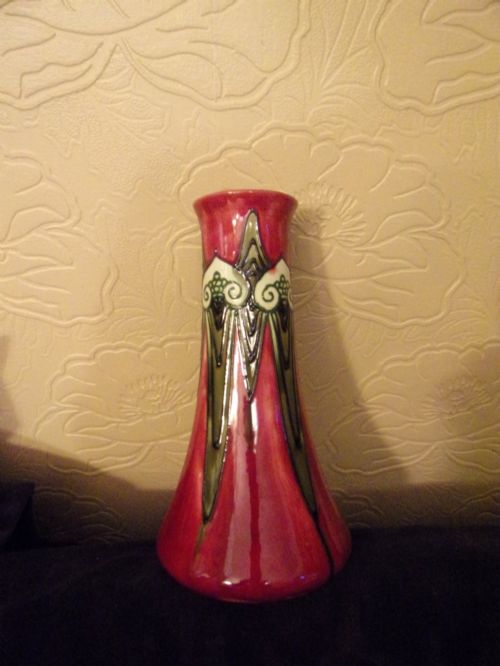
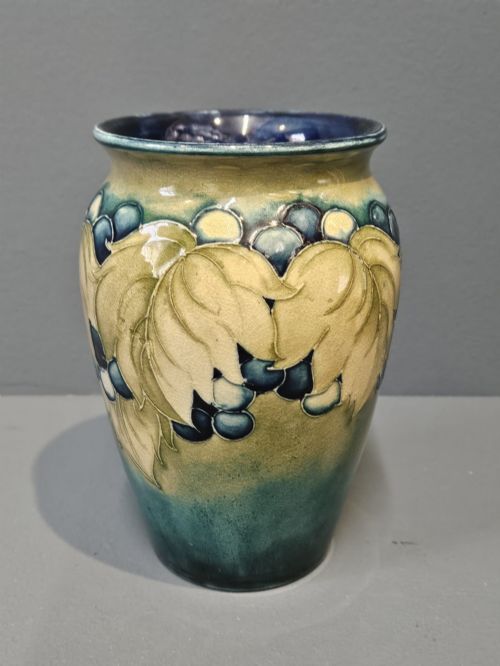
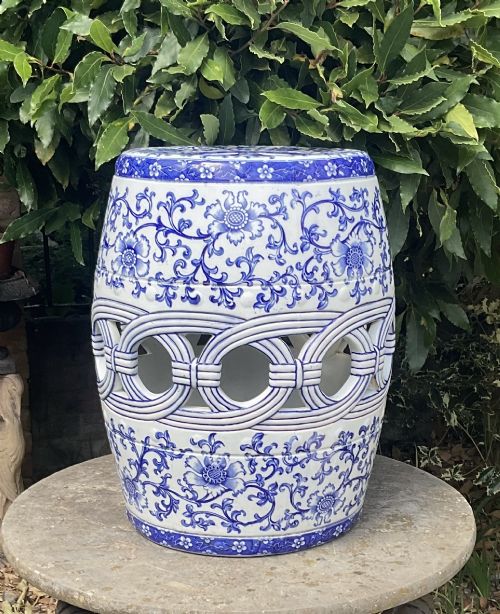
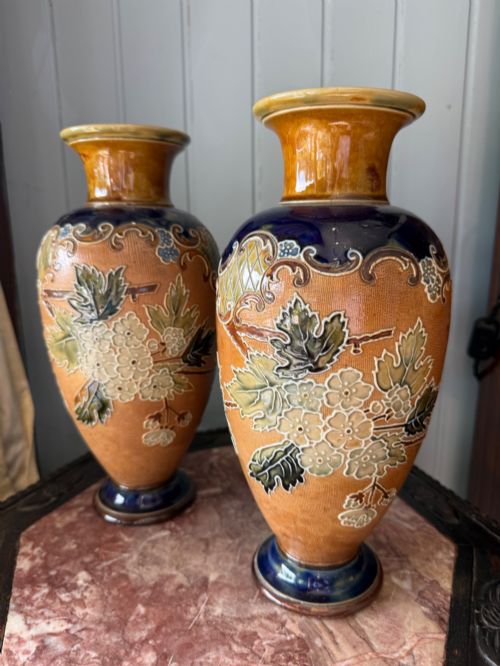
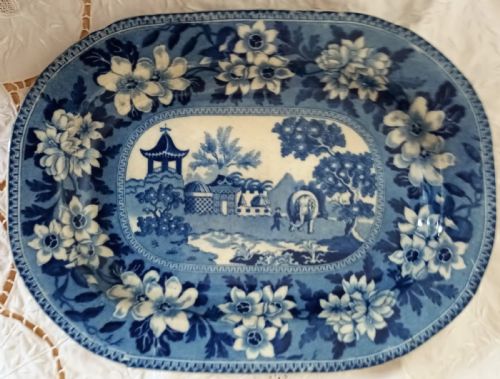
Makers shaped these items from earthenware, stoneware, and ceramic bodies before applying tin glaze, enamel, or gold leaf accents. Techniques range from tube-lined designs that raise the outline of the floral pattern to delicate hand-painted polychrome enamels and transfer-printed blue and white grounds.
Firing methods dictate the durability and finish of each piece, with some factories employing multiple kilns to set complex underglaze colours and overglaze details. Artisans often utilised flow blue or spongeware techniques to create soft, bled edges on botanical motifs.
Vintage Floral Pottery Retail Price Guide 2026
Typical asking prices for vintage floral pottery among the pieces listed under this phrase on Sellingantiques today, from the lower quarter to the upper quarter. They describe what is for sale here now, not the wider market.
Nineteenth-century householders displayed vibrant Gaudy Welsh jugs to brighten dark cottage interiors.
Assessing Quality
Quality in these ceramics rests upon the crispness of the modelled form and the skill executed in the botanical decoration. Pieces featuring hand-painted enamels or tube-lined contours display greater artistic labour than standard transfer prints.
The richness of the glaze and the preservation of overglaze gold leaf determine the visual depth of the object. Weight, balance, and the clarity of factory marks further distinguish standard production items from masterworks.
Royal Doulton·Moorcroft·Leeds Pottery·Minton·John Rogers and Son·TG Green·Booths
The Vintage Floral Pottery Glossary
- Earthenware
- Porous pottery fired at lower temperatures, requiring a glaze to hold liquids. It forms the base body for many traditional decorative wares.
- Tin Glaze
- An opaque white glaze containing tin oxide, providing a smooth background for painted colours. It defines tin-glazed ceramics such as Delft.
- Tube-Lining
- A decorative ceramic technique where a thin line of slip is squeezed through a nozzle to outline a pattern. This creates raised barriers that hold coloured enamels.
- Flow Blue
- A nineteenth-century transfer printing method where lime or ammonia chloride vapours allowed the cobalt blue colour to blur. This produced a misty, bleeding effect across the ceramic body.
Vintage Floral Pottery: Frequently Asked Questions
Can I use these vases for flowers?
Many of these vessels functioned as water-holding vases or pitchers originally. Test glazed interiors for leaks before filling them with water.
Unglazed or porous historical bodies require a small glass insert if used for fresh botanicals. This protects the historic ceramic fabric from moisture damage.
How do I date these pieces?
Examine the underside for factory stamps, painted monograms, or impressed registration numbers. Reference marks against established ceramic archives to narrow down the decade of production.
Stylistic indicators such as Victorian transfer prints or Art Nouveau tube-lining provide strong clues to the manufacturing period when marks are absent.
Where were these pieces made?
Production centres span British potteries in Staffordshire and London, alongside continental workshops in France, Holland, and Germany. Japanese imari wares also contribute distinct styles to this tradition.
Regional preferences influenced whether a workshop utilised tin glaze, ironstone, or heavy earthenware bodies.