



Vintage Floral Pattern Settee
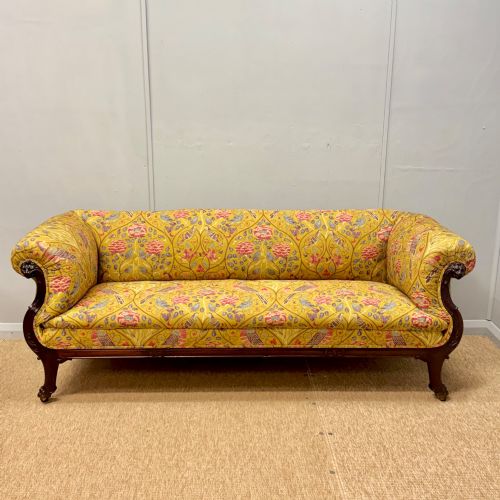
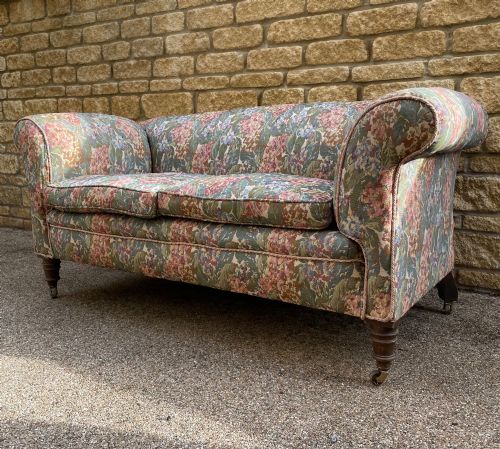
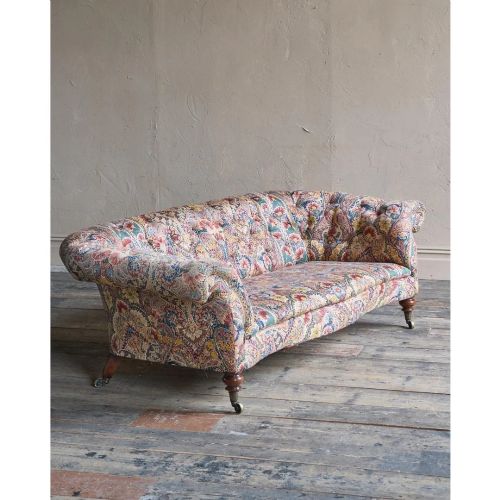
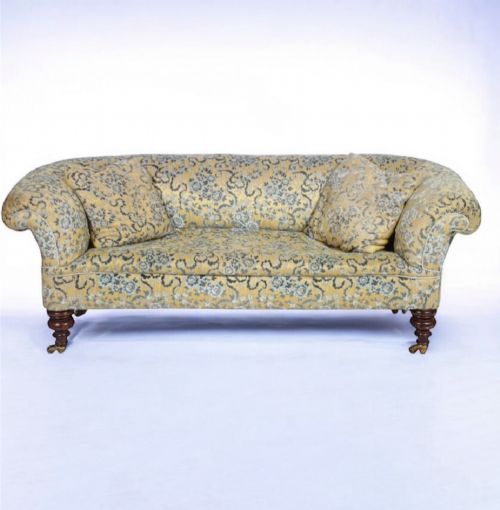
A vintage floral pattern settee brings pattern and comfort into a room, offering classic seating shaped by centuries of British design.
Vintage Floral Pattern Settee
A vintage floral pattern settee encompasses upholstered seating forms ranging from early 18th century walnut frames to substantial 19th century Chesterfields and early 20th century suites. When searching for a vintage floral pattern settee, buyers encounter various historical iterations spanning the Regency, Victorian, Edwardian, and later periods.
The material evidence shows these seating pieces frequently paired with damask, cotton, tapestry, and quilted Morris fabrics. Forms include two-seater drops, large Chesterfaces, Knowle sofas with matching armchairs, and expansive parlour suites.
Originating predominantly from English workshops, these pieces reflect domestic seating traditions where timber frames support elaborate textile upholstery. The physical survival of these settees demonstrates enduring utility across different domestic interiors.
Construction and materials
Makers built these settees upon structural timber and mahogany frames, occasionally incorporating brass details. Traditional joinery supported the heavy loads of sprung and padded seating compartments.
Upholstery relied on textile fabrics including damask, cotton, tapestry, and quilted weaves. Skilled upholsterers secured these patterned covers over internal padding, utilising original ticking or heavy-duty backing materials.
Vintage Floral Pattern Settee Retail Price Guide 2026
Typical asking prices for vintage floral pattern settee among the pieces listed under this phrase on Sellingantiques today, from the lower quarter to the upper quarter. They describe what is for sale here now, not the wider market.
Periods represented span from the 18th century through Queen Anne, Regency, Victorian, and Edwardian eras up to the 1930s.
Judging quality in settee construction
The distinction between tiers rests upon the integrity of the underlying timber frame and the sophistication of the joinery. Pieces featuring dense timbers like walnut or mahogany demonstrate superior foundational strength compared to lighter secondary woods.
Upholstery execution and fabric selection dictate visual hierarchy. The precision in pattern matching across cushions and frames, alongside the use of woven damask or tapestry rather than plain cotton, distinguishes finer examples.
Howard and Sons
The Vintage Floral Pattern Settee Glossary
- Chesterfield
- A large upholstered sofa characterised by deep buttoning and rolled arms of equal height. This form provides formal upright seating.
- Knowle Sofa
- A settee style featuring hinged or adjustable side arms tied with decorative braids. It derives its name from the historic Knole estate.
- Damask
- A reversible figured fabric woven on a jacquard loom with floral or botanical patterns. It offers a subtle sheen and textural depth.
- Ticking
- A tightly woven cotton or linen fabric traditionally used to contain feather or down stuffing. It serves as a durable inner lining.
- Regency
- A British design period spanning the early 19th century noted for classical restraint and occasional Egyptian or Grecian motifs.
Vintage Floral Pattern Settee: Frequently Asked Questions
How do I identify a Victorian settee?
Victorian settees typically display heavier proportions, robust timber frames, and deep buttoning influenced by mid to late 19th-century domestic comfort.
Examination of the underside and upholstery techniques reveals period-specific materials and joinery methods.
What is a Knowle sofa?
A Knowle sofa is an antique seating form featuring high backrests and distinct movable or hinged wings tied with cords. This design originally functioned to exclude drafts in large country houses.
Today, they remain prized for their adjustable proportions and distinct silhouette.
Are these settees comfortable for daily use?
These pieces were built for formal reception rooms or parlours rather than modern lounging. Their internal sprung or stuffed construction offers firm support.
Living with them requires appreciation for historical padding depths and upright postures.
How should I care for vintage upholstery?
Vacuum textile fabrics gently with a soft brush attachment to remove surface dust. Keep the settee away from direct sunlight to prevent textile fading.
Professional cleaning is recommended for delicate damask and tapestry surfaces.