









Vintage Floral Oriental Runner
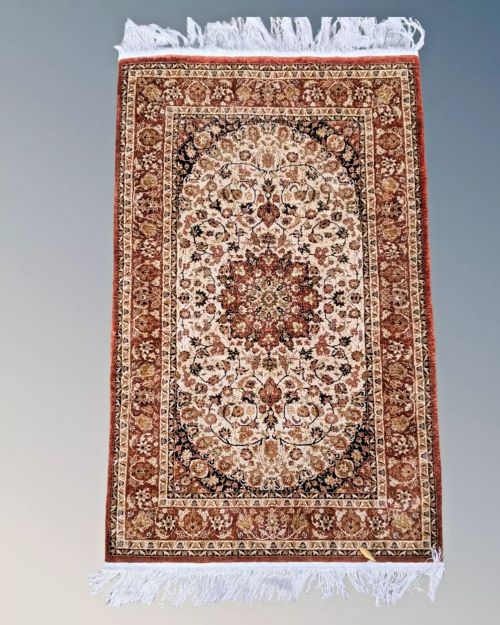
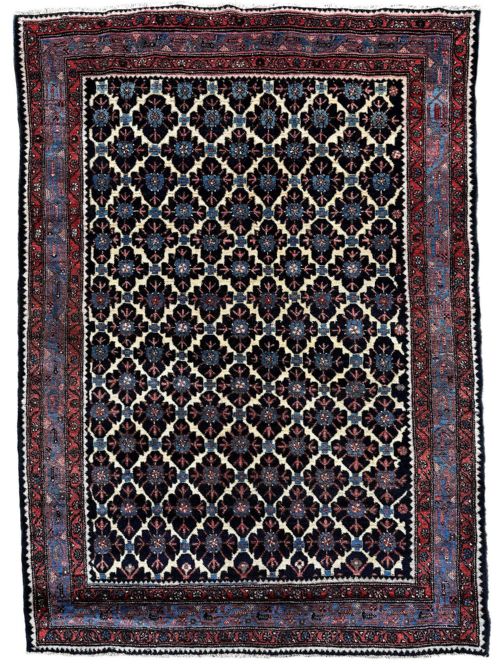
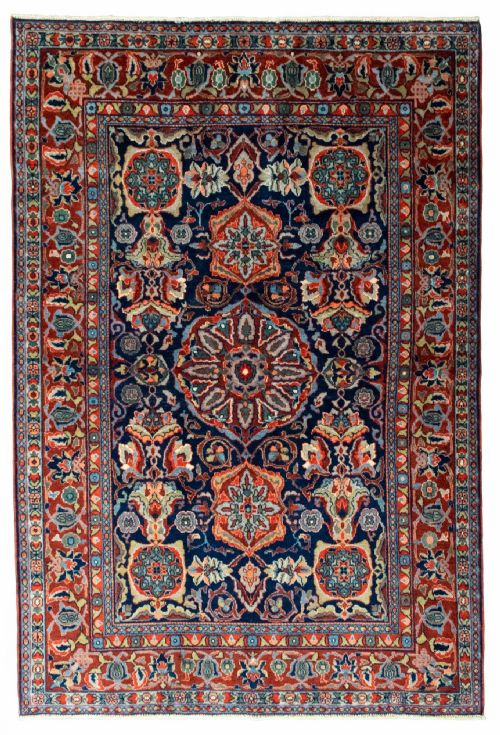
A vintage floral oriental runner brings warmth to corridors and narrow spaces through traditional patterns woven in wool and cotton.
Vintage Floral Oriental Runner
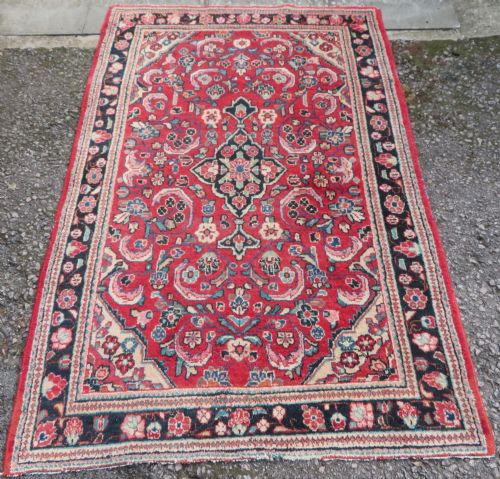
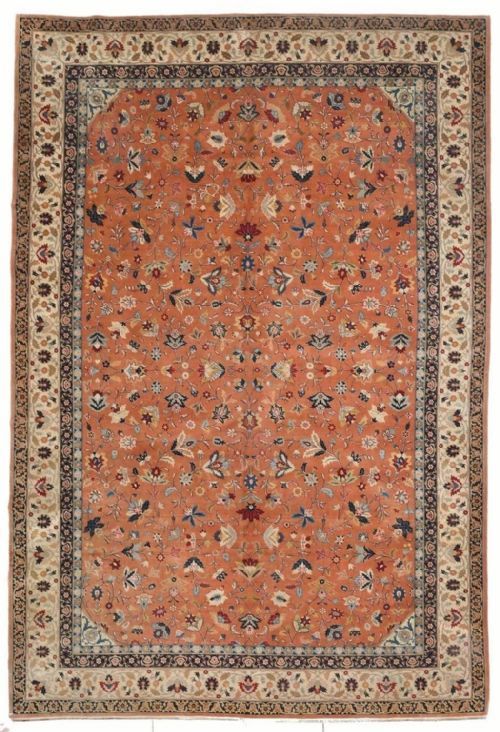
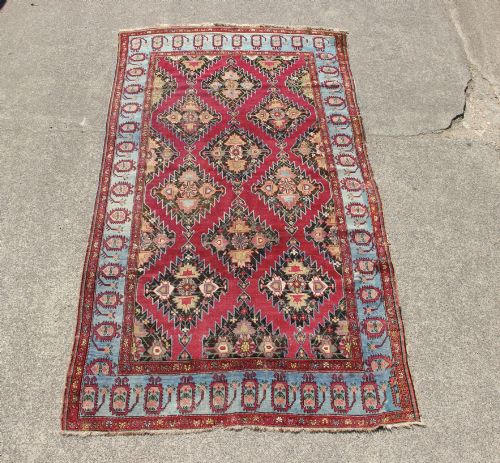
A vintage floral oriental runner is a long, narrow textile designed for hallways and corridors, drawing on styles such as Persian, Caucasian, and Ottoman traditions. The pieces available span the late nineteenth century through the early twentieth century, showing periods like 1890, 1900, 1910, 1920, and 1930.
The inventory includes specific formats such as narrow runner rugs, hallway runners, and long rugs featuring floral motifs, lattice designs, and prayer rug layouts. Origins range from specific regional weaving centres in West Persia and the Caucasus to Kashmir and China.
Makers and workshops across these regions utilised distinctive regional palettes and knotting techniques to produce durable floor coverings. Buyers encounter varying dimensions, from compact proportions to oversized formats suited to extended passageways.
How they were made
The primary materials recorded in these textiles are wool, cotton, and silk, supplemented by art silk, mercerised cotton, and metallic thread. Weavers typically used wool for the pile to ensure durability under foot, while cotton provided a stable foundation for warps and wefts.
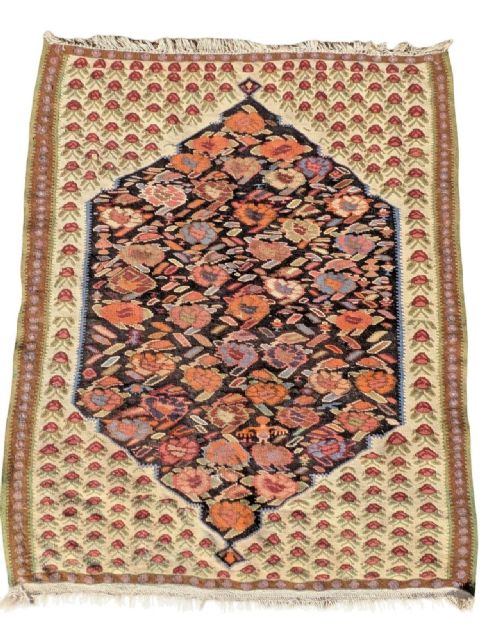
Techniques varied by region, encompassing fine hand-knotting, chain stitch embroidery, and kilim flatweaving. Silk and metallic threads appear in specific carpets and fragments to introduce fine detail and reflective contrast against woollen fields.
Listings feature pieces spanning the late nineteenth century through the 1930s, utilising wool, cotton, silk, and metallic thread.
What varies in quality
Quality in these textiles depends on the density of the weave, the crispness of the floral or geometric detailing, and the integrity of the foundation materials. Denser knotting allows for sharper pattern definition and greater resilience in high-traffic hallways.
The choice of materials also influences the character of the piece, with fine silk, mercerised cotton, and metallic thread creating distinct textural depth compared to standard wool construction. Condition varies according to age, previous use, and the survival of original edge bindings and ends.
The Vintage Floral Oriental Runner Glossary
- Runner
- A long, narrow carpet designed specifically for hallways, corridors, and stairs. These formats connect larger rooms while protecting wooden floors in heavy-traffic areas.
- Kilim
- A flatwoven carpet or rug made without a pile by tightly interweaving warp and weft strands. This technique produces a lightweight, reversible textile with flat geometric or floral motifs.
- Prayer rug
- A small rug featuring a niche or arch design that indicates the direction of prayer. These pieces often incorporate central floral vases or mihrab motifs.
- Chain stitch
- An embroidery technique that forms a sequence of loop stitches resembling a chain. It appears in regional pieces to apply expressive surface decoration over a textile base.
- Warp
- The vertical foundation threads stretched tightly on a loom before weaving begins. Wefts are passed across these stationary threads to lock the knots and structure in place.
Vintage Floral Oriental Runner: Frequently Asked Questions
Where should I place a long runner?
These narrow textiles fit well in hallways, corridors, and galleys where floor protection and visual warmth are required. Their elongated proportions guide movement through domestic spaces.
Ensure the dimensions match your floor area, leaving a balanced border of exposed wood or tile around the edges of the passage.
How do I care for wool floor runners?
Regular gentle vacuuming without a rotating brush roll prevents dust accumulation within the pile. Professional cleaning is recommended for deep maintenance.
Keep the textile out of direct, prolonged sunlight to protect the natural dyes used in the wool and cotton fibres.
What is the difference between a rug and a runner?
Rugs are proportioned as square or rectangular formats designed for central placement in rooms. Runners feature an elongated, narrow shape intended for passages.
Both share regional weaving methods and materials like wool and cotton but serve different spatial functions in an interior.
How do I identify regional styles?
Regional styles appear through distinct colour palettes, floral motifs, and structural borders characteristic of specific weaving centres. Persian and Caucasian pieces each display unique geometric or curvilinear signatures.
Examining the weave density and foundation materials provides further clues to the origin and period of manufacture.