



Vintage Floral Glass
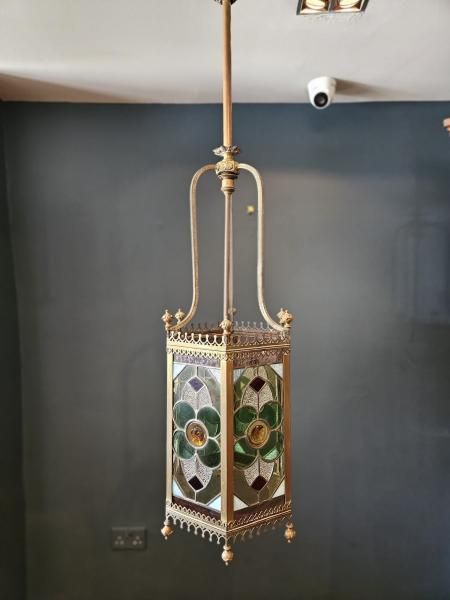
Vintage floral glass brings hand-painted enamels, etched stems, and coloured lampshades into a room, offering tactile charm from the Victorian and Edwardian eras.
Vintage Floral Glass
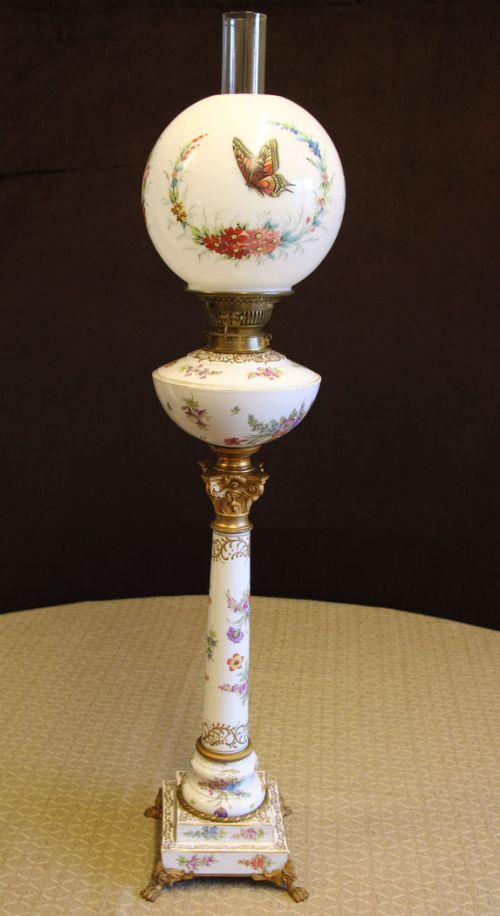
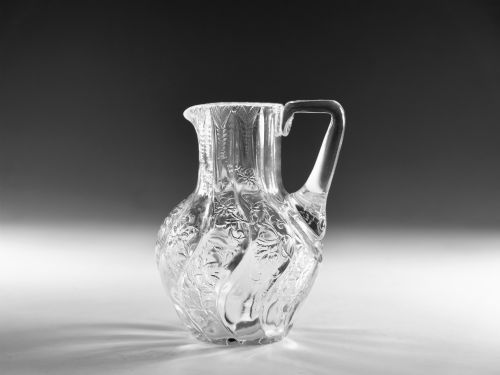
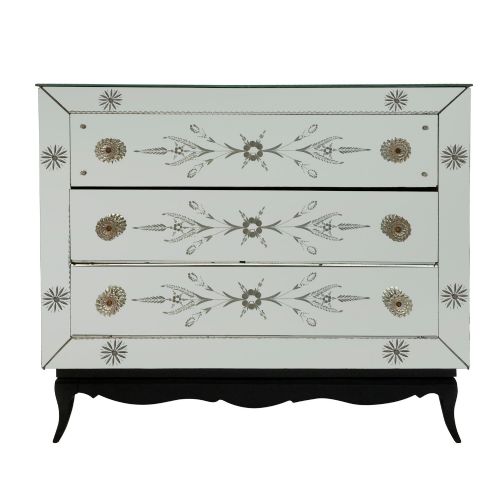
When buyers search for vintage floral glass, they encounter items ranging from oil lamp shades and decanters to delicate wine glasses and perfume bottles produced across the nineteenth and twentieth centuries. These objects reflect domestic routines of past decades, utilising translucent or coloured ground to display botanical motifs.
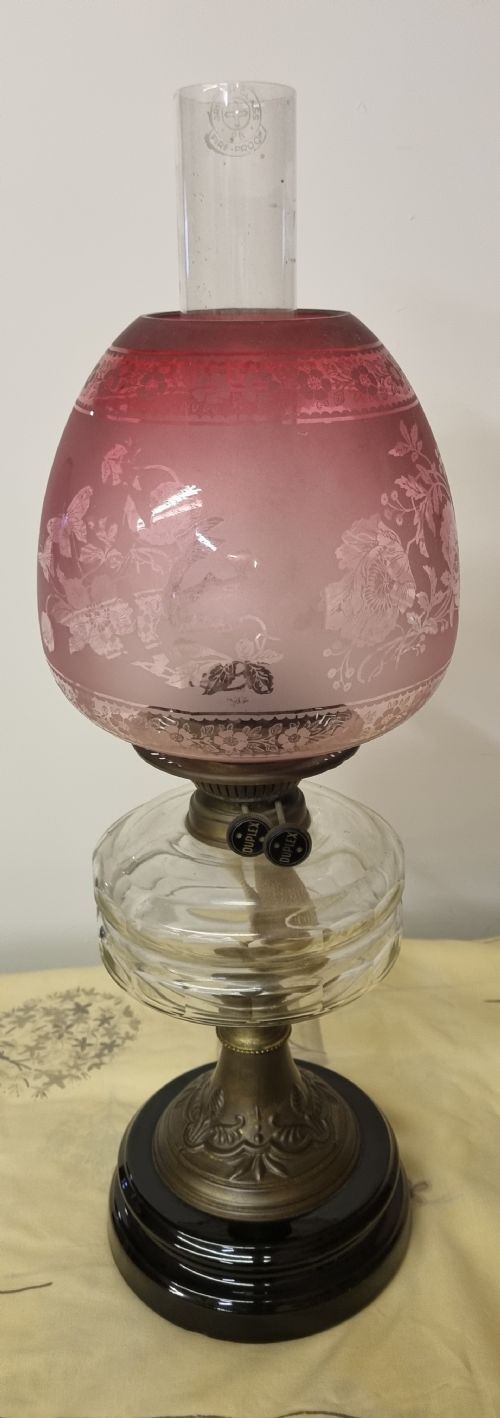
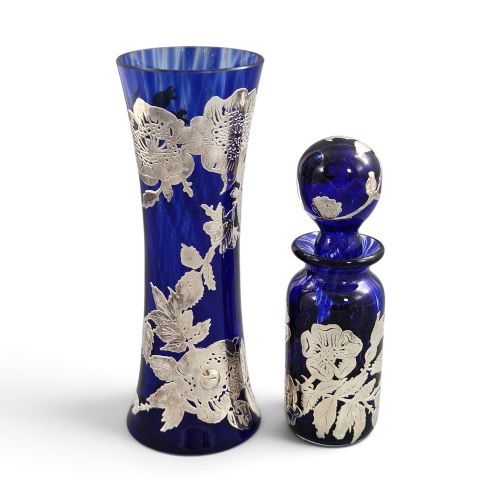
The most common versions on this page originate from Victorian and Edwardian workshops, alongside later continental output from periods like the 1920s and 1930s. Vases, jugs, and lamps dominate the selection, often combining glass bodies with brass fittings, enamel decoration, or silver overlay.
Makers from Britain, Bohemia, and Venice dominate the record, producing items that span utilitarian vessels and decorative display pieces. Each piece demonstrates how makers adapted botanical subjects to glassware through painting, etching, and moulding.
How vintage floral glass was made
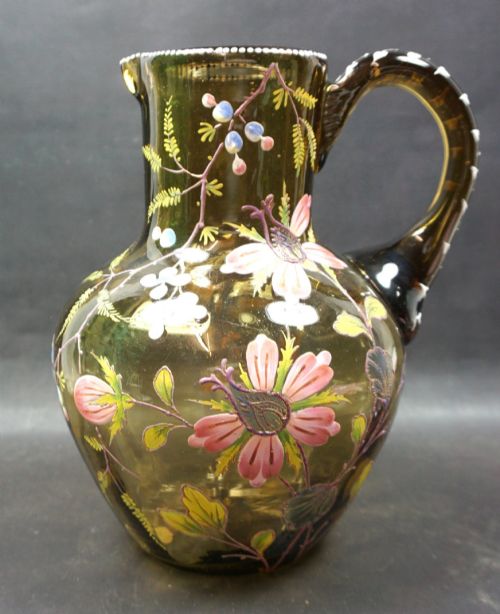
Makers shaped glass through blowing and moulding before applying surface decoration such as hand-painting, enamelling, or acid etching. Cranberry glass, opaline glass, and crystal form the base materials for many pieces, whilst overlay techniques add contrasting layers of metal or secondary glass.
Workshops utilised brass mounts, silver overlay, and gilt decoration to complete vessels like perfume bottles, oil lamp fonts, and decanters. Enamelled floral details required precise firing to bond mineral pigments permanently to the glass body without distorting the shape of the vessel.
Vintage Floral Glass Retail Price Guide 2026
Typical asking prices for vintage floral glass among the pieces listed under this phrase on Sellingantiques today, from the lower quarter to the upper quarter. They describe what is for sale here now, not the wider market.
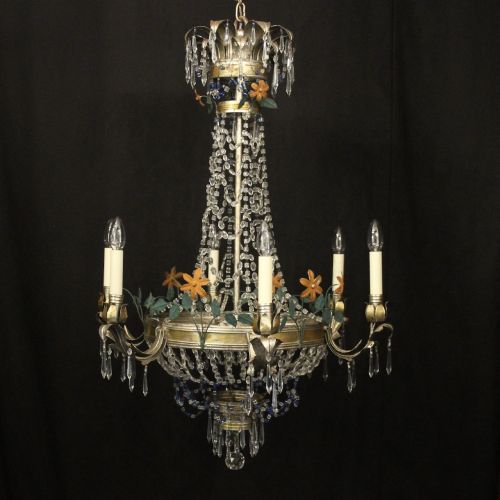
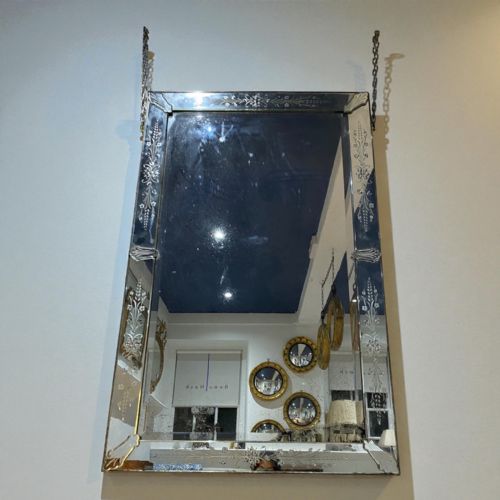
Sea thistles and cherubs quietly share shelf space with eighteenth-century walnut mirrors and French chandeliers.
What varies in quality
The standard of a piece depends upon the crispness of the glass moulding, the delicacy of the hand-painted or etched floral details, and the integrity of any metal mounts. Superior items display refined brushwork and balanced proportions rather than mechanical uniformity.
Preservation of surface decoration separates ordinary items from finer examples, particularly where enamel or gilt highlights remain intact without rubbing. The weight of the glass and the clarity of the material further distinguish standard production from exceptional studio work.
Stevens and Williams·Argy Rousseau·Gorham·Laugharne Glass·Thereisenthal·Lalique·Sitzendorf
The Vintage Floral Glass Glossary
- Cranberry glass
- A transparent pinkish-red glass created by adding gold chloride to the molten batch during production. It appears frequently in Victorian oil lamp shades and tableware.
- Opaline glass
- An opaque or translucent glass with a milky appearance, often tinted in pale pastel shades. Makers frequently painted floral motifs directly onto its smooth surface.
- Silver overlay
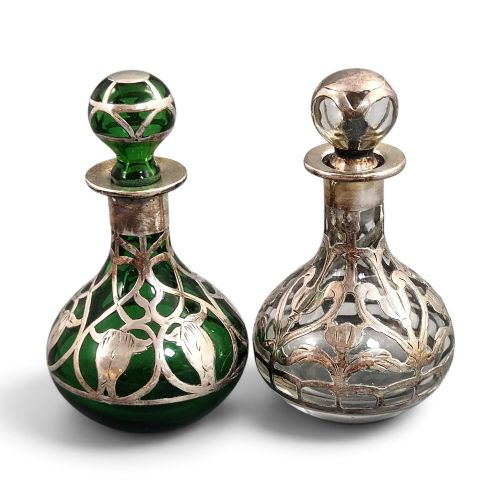
- A decorative technique where sterling silver is bonded directly onto the glass surface in floral or abstract patterns. It is seen on Edwardian perfume bottles and vanity items.
- Etched glass
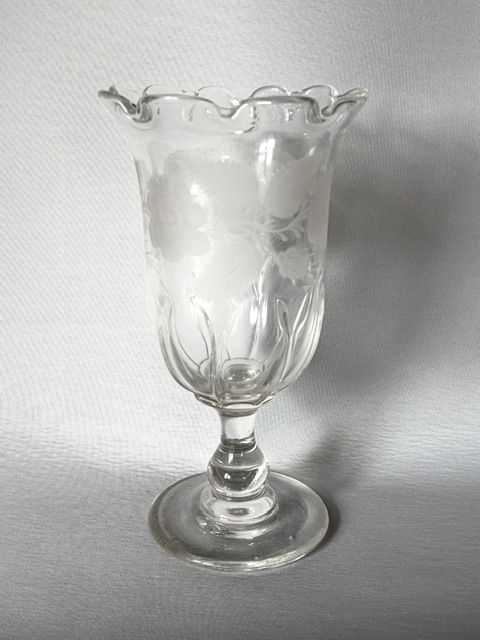
- Glass treated with acid or a cutting tool to create incised designs. Floral patterns rendered this way offer a frosted texture against clear glass.
Vintage Floral Glass: Frequently Asked Questions
What is vintage floral glass?
Vintage floral glass encompasses decorative and functional vessels from the Victorian period through the mid-twentieth century featuring botanical painting, etching, or enamelling. These items include lampshades, decanters, vases, and wine glasses made in Britain and across Europe.
Such pieces rely on traditional glass-making techniques like blowing and moulding, combined with surface decoration that depicts leaves, blossoms, and stems.
How do I date vintage glass?
Dating relies on stylistic clues, manufacturing techniques, and specific signatures or makers' marks where present. Victorian and Edwardian examples often feature heavy brass mounts or hand-painted enamel work, whereas later twentieth-century pieces show different modernist influences.
Comparing the form, colour palette, and mounting hardware against documented periods helps establish an approximate decade of origin.
How were oil lamp shades used?
Oil lamp shades directed light downwards while diffusing the glare from the burning wick inside the font. Cranberry and opaline glass versions added warm colour to Victorian and Edwardian interiors when lit.
These shades sat atop metal burners and chimneys, serving both a practical lighting function and a decorative role in domestic rooms.
How should I clean my glass?
Cleaning requires lukewarm water and mild soap, avoiding harsh abrasives that might damage hand-painted enamel or gilt highlights. Items with silver overlay or delicate painted surfaces should be washed by hand and dried immediately with a soft cloth.
Submerging antique glass in very hot water can cause thermal shock, risking cracks in older or thinner vessels.