






Vintage Floral Decor
These vintage floral decor pieces span centuries of artistic expression, bringing botanical beauty and historic charm into any interior.
Vintage Floral Decor
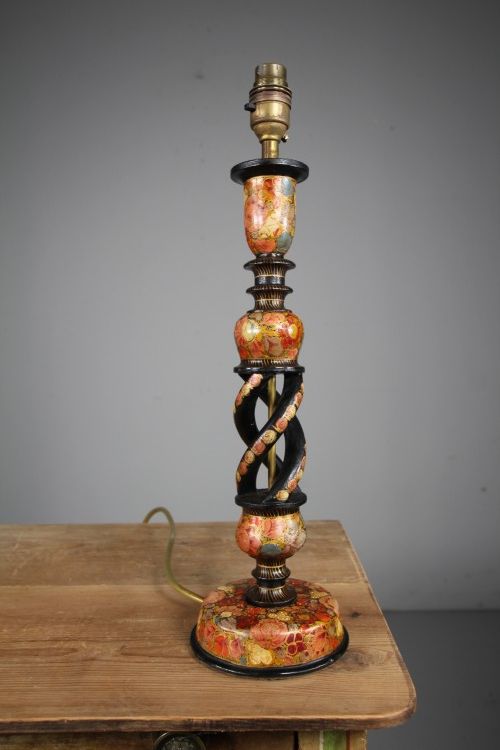
When searching for vintage floral decor, buyers encounter a diverse array of items celebrating botanical and floral motifs across multiple periods. The selection encompasses wall art, decorative plates, mirrors, vases, and textiles.
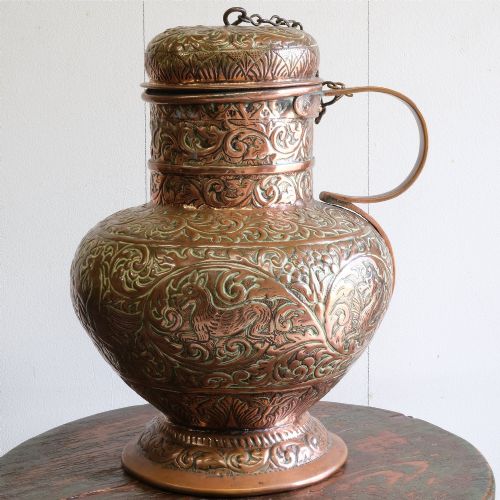
Pieces originating from the nineteenth and twentieth centuries dominate the offerings, including Japanese Imari plates, Victorian oil paintings, and French copper vessels. These items reflect traditional craftsmanship and enduring aesthetic appeal.
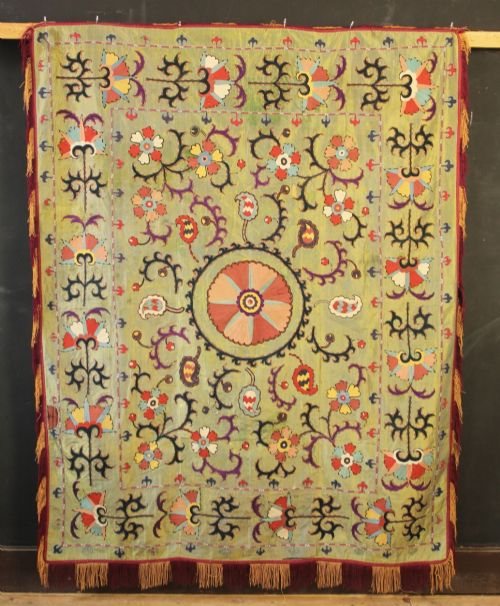
Objects range from intricate embroidered textiles and Suzani panels to framed watercolours, oil paintings, and earthenware mould pieces. Each item incorporates floral elements as a central decorative theme.
Materials and Techniques
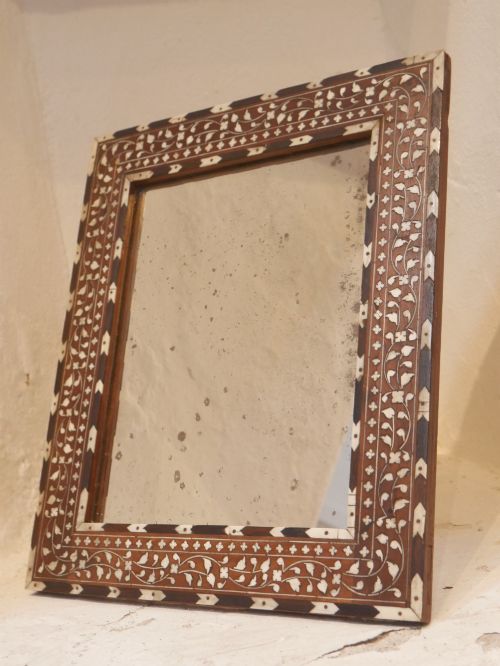
Maker techniques rely heavily on traditional material manipulation, utilising wood, porcelain, enamel, glass, silk, paper, brass, and copper. Artisans employed hand-carving, oil painting, watercolour, and intricate metal inlay methods.
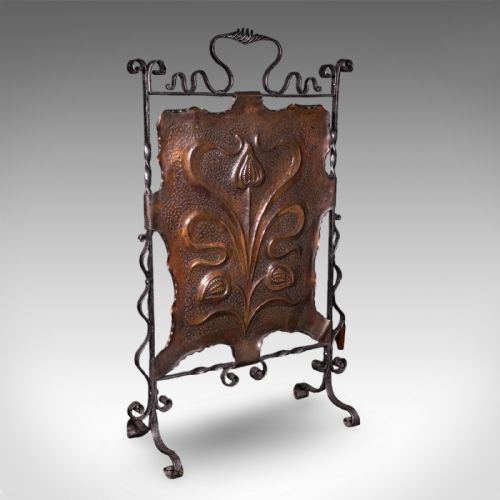
Textile works demonstrate fine silk embroidery and needlework craftsmanship, while ceramics and glassware utilise glazing, stoneware, and Murano glass-forming techniques. Metal items often incorporate repoussé, engraving, or cloisonné detailing.
Vintage Floral Decor Retail Price Guide 2026
Typical asking prices for vintage floral decor among the pieces listed under this phrase on Sellingantiques today, from the lower quarter to the upper quarter. They describe what is for sale here now, not the wider market.
Assessing Quality and Execution
Quality in these decorative pieces rests on the precision of the execution, whether in the fine brushwork of an oil painting or the intricate detail of an inlaid brass mirror. Superior items demonstrate confident hand-manipulation and enduring structural integrity of materials like copper, porcelain, and wood.
The distinction between standard items and exceptional pieces lies in the sophistication of the design composition and the preservation of original surfaces. Masterful handling of botanical subjects and well-preserved textiles or ceramics command greater visual harmony.
Hakusan·Royal Doulton Lambeth·Sitzendorf
The Vintage Floral Decor Glossary
- Suzani
- A type of embroidered and decorative tribal textile made in Tajikistan, Uzbekistan, and other Central Asian countries. These panels often display bold floral patterns.
- Cloisonné
- An ancient technique for decorating metalwork objects with coloured material held in place by metal strips. The method creates distinct boundaries between floral colour cells.
- Toleware
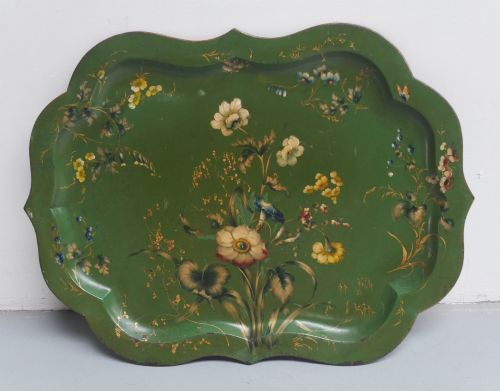
- Metalware, typically tin-plated steel, that is painted and lacquered. These pieces often feature decorative botanical painting.
- Oleograph
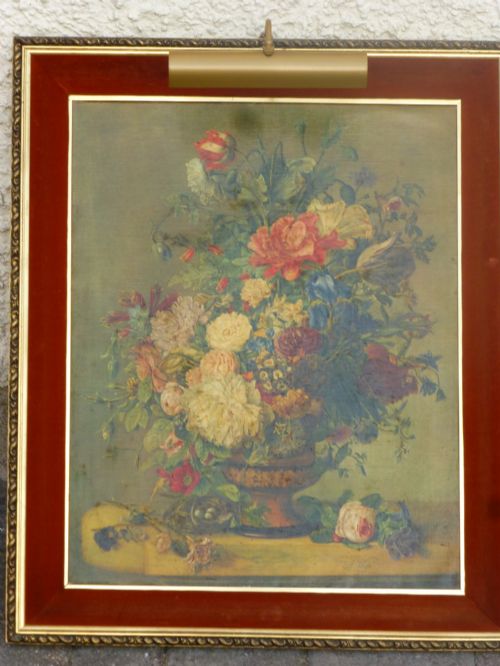
- A type of colour lithograph printed on canvas to imitate an oil painting. They are commonly utilised for reproducing floral still life art.
Vintage Floral Decor: Frequently Asked Questions
What periods do these pieces represent?
The available items stretch across several centuries, with a strong representation from the nineteenth and twentieth centuries. Examples span from early eighteenth-century copper and ceramic pieces through to mid-twentieth-century paintings.
This broad timeline means collectors can find items reflecting specific historic movements, from Victorian and Art Nouveau designs up to mid-century modern artistic expressions.
How are these floral items best displayed?
Display methods depend entirely on the specific object type, ranging from wall-mounted mirrors and paintings to tabletop vases and decorative plates. Textiles like Suzani panels suit wall hanging to showcase their intricate embroidery.
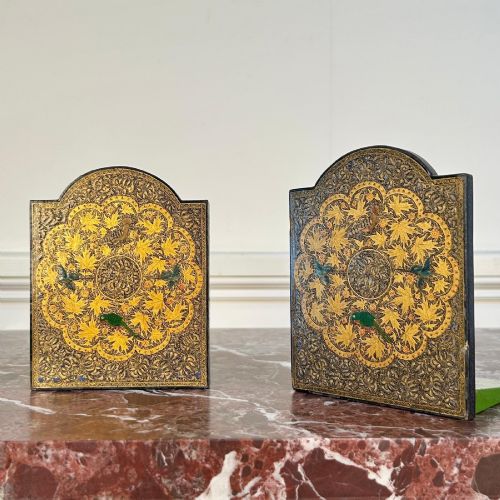
Smaller objects such as bookends and paperweights add botanical accents to shelves and desks, while larger chargers and vases function well as standalone focal points in a room.
What materials are most common?
Ceramics, porcelain, and metals like copper and brass form a large portion of the collection, often embellished with enamel or inlay work. Canvas, paper, and silk also feature prominently in the paintings, engravings, and embroidered needlework panels.
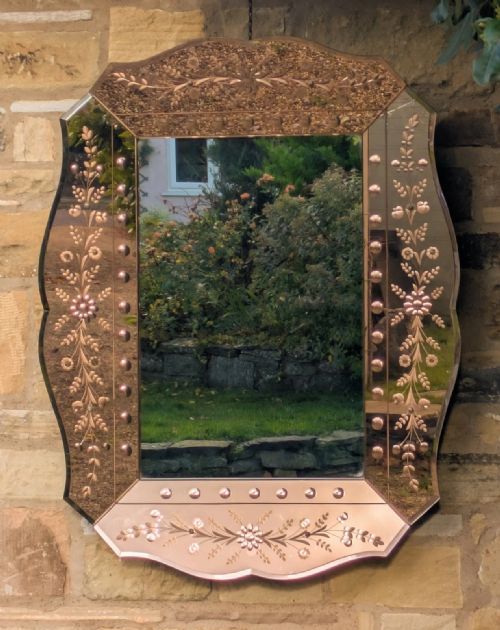
Glasswork, including Murano pieces and Venetian mirrors, offers another distinct material category that captures light and colour within a floral theme.
How do I identify Japanese Imari items?
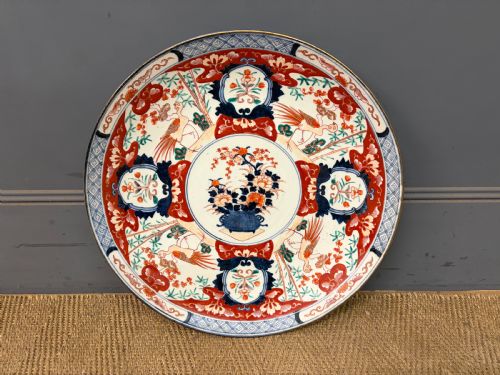
Japanese Imari pieces typically feature a distinct palette of underglaze cobalt blue combined with contrasting overglaze iron red, supplemented by gilt detailing. The surface designs frequently incorporate floral arrangements and garden motifs.
These porcelain plates and vases date largely from the Meiji period and the late nineteenth century, showcasing traditional Japanese export craftsmanship.