

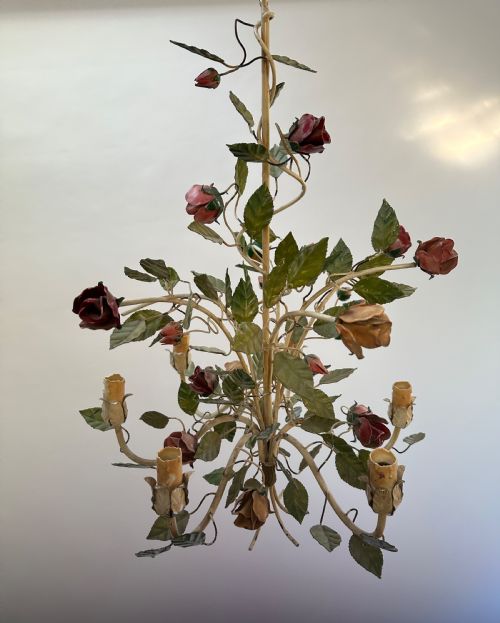


Vintage Floral Chandelier
A vintage floral chandelier brings botanical charm and ambient illumination into a room, offering sculpted blooms and delicate foliage suspended from the ceiling.
Vintage Floral Chandelier
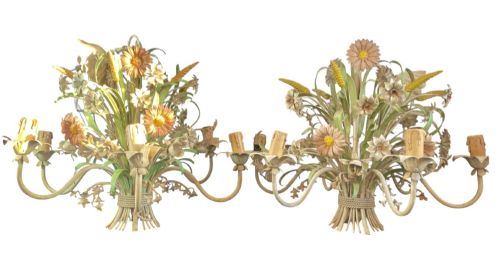
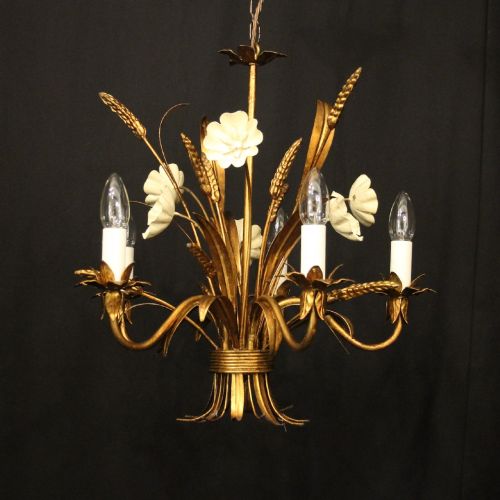
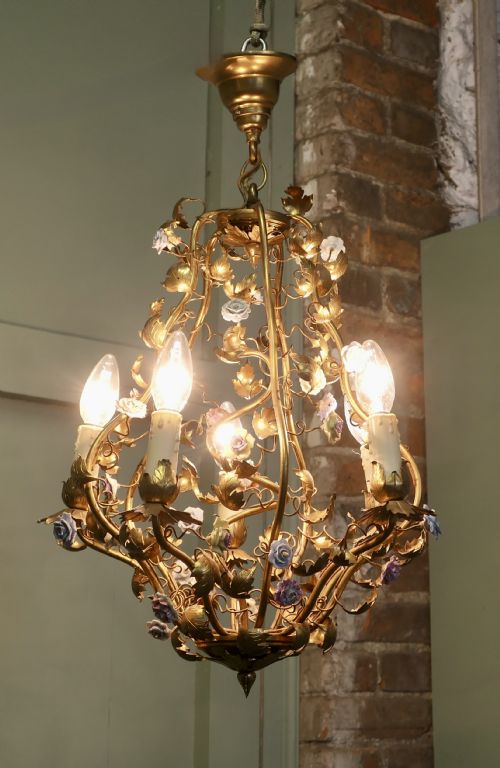
A vintage floral chandelier unites practical ceiling lighting with botanical decoration, drawing heavily on French and Italian design traditions. When seeking a vintage floral chandelier, buyers encounter pieces adorned with porcelain flowers, toleware petals, and ceramic blooms arranged in multi-light branches.
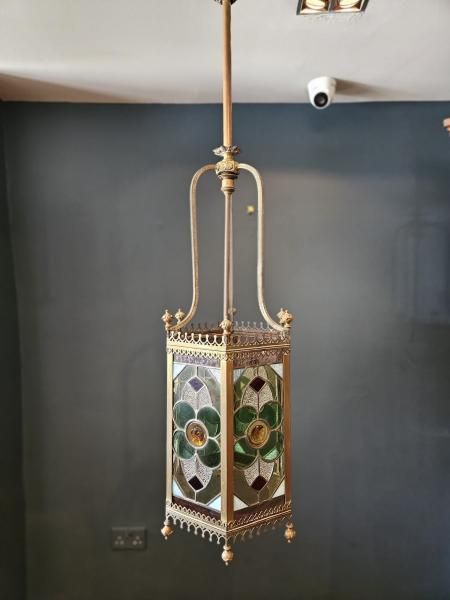
The selections span the Victorian and Edwardian eras into the 1920s and 1930s, reflecting styles such as French Rococo, Florentine, and Art Nouveau. Common formats range from multi-bulb hanging fixtures and tent-and-waterfall configurations to smaller wire frames and hall lanterns.
Continental workshops produced many of these lighting fixtures, incorporating cast brass, wrought iron, and gilded or painted metal. Alongside standard chandeliers, related items such as ceiling lights, wall lights, and mantel lustres appear within the category.
Materials and construction
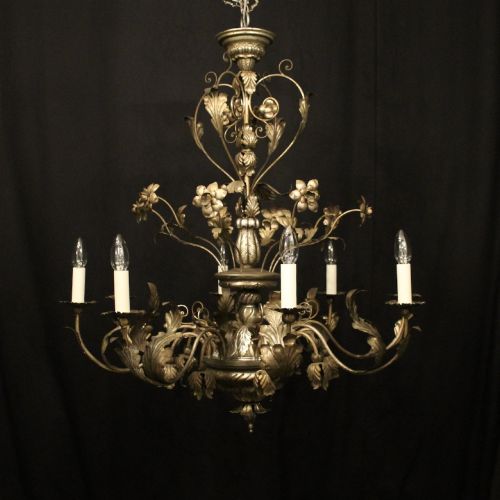
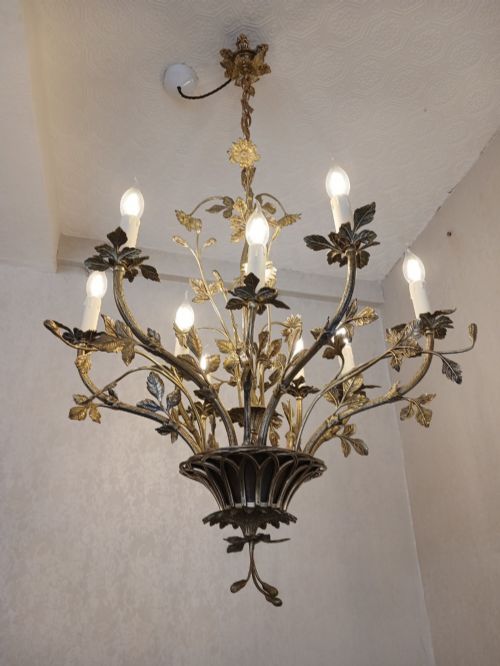
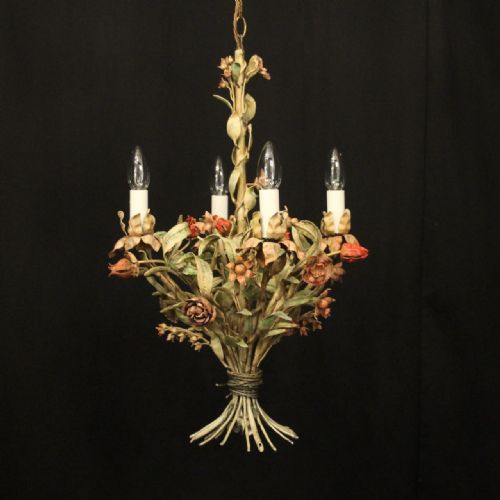
Metal forms the backbone of these pieces, utilising brass, wrought iron, and gilt or silvered metal shaped into scrolling branches and frames. Artisans applied painted polychrome finishes and toleware techniques to render realistic leaves and stems.
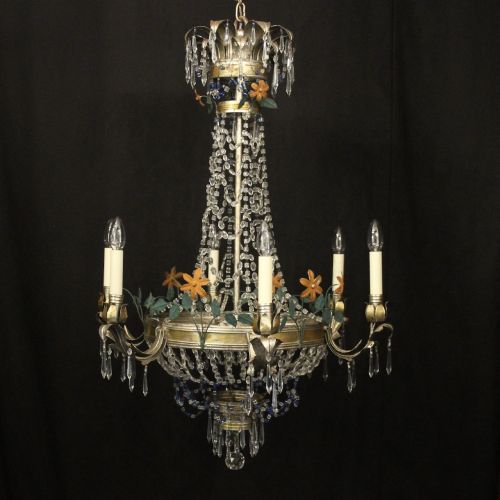
Ceramic, porcelain, and opaque glass form the floral components, shaping individual petals and grapes that encircle the bulb holders. Crystal drops and leaded glass elements frequently accompany these floral arrangements to catch and refract the light.
Vintage Floral Chandelier Retail Price Guide 2026
Typical asking prices for vintage floral chandelier among the pieces listed under this phrase on Sellingantiques today, from the lower quarter to the upper quarter. They describe what is for sale here now, not the wider market.
Evaluating craftsmanship and detail
Quality reveals itself in the delicacy of the botanical elements, where hand-painted polychrome finishes and individually modelled ceramic or porcelain flowers show superior artistry compared to mass-produced stamped metal. The density and integration of glass, crystal, and carved alabaster components further distinguish finer examples.
The intricacy of the metalwork structure, from hand-forged wire frames to heavily chased gilt bronze and silvered brass mounts, sets the finer fixtures apart. Substantial multi-light configurations with complex tent-and-waterfall arrays demonstrate greater technical ambition than simpler single-branch designs.
Schneider
The Vintage Floral Chandelier Glossary
- Toleware
- Painted or lacquered tin metalware often used to create coloured floral motifs and foliage on lighting fixtures. This technique allows for durable, vibrantly hued leaves and petals.
- Tent and waterfall
- A lighting configuration where strings of crystal beads form an upper conical tent above a cascading waterfall effect of descending strands. This design maximises the light-reflecting properties of the crystals.
- Polychrome
- Decorated in multiple colours, typically applied to metal or ceramic floral elements to mimic natural plant hues. It adds depth and realism to hand-painted botanical components.
- Capodimonte
- Italian porcelain originating from Naples, known for intricate modelled ceramic work including floral details. Pieces featuring this ceramic often display high sculptural relief.
- Mantel lustre
- A decorative glass or porcelain vase hung with crystal prisms, sharing stylistic traits with matching chandeliers. They sit on mantelpieces to provide supplementary sparkle.
Vintage Floral Chandelier: Frequently Asked Questions
How do I hang a vintage chandelier?
These fixtures require secure ceiling anchoring and professional electrical installation due to their weight and age. A qualified electrician ensures the ceiling joist supports the fixture safely.
Rewiring may be necessary for older fittings to meet current safety standards while preserving original sockets and components.
What periods do these chandeliers come from?
The available lighting spans from the Victorian and Edwardian periods into the early twentieth century, specifically the 1900s, 1910s, 1920s, and 1930s. French and Italian workshops dominate these decades.
Art Nouveau, Florentine, and Rococo Revival styles heavily influence the aesthetic of these eras.
How do I clean delicate floral chandeliers?
Dust ceramic and glass flowers gently with a soft brush or microfibre cloth to avoid dislodging painted details. Avoid harsh chemical cleaners that might strip gilt or polychrome finishes from the metal and toleware.
For crystal components, use a mild soapy solution and dry thoroughly before reattaching.
Where do these decorative lights originate?
Most examples stem from continental European makers, particularly in France and Italy. Regional variations include Florentine gilt work and French toleware.
Swedish and Bohemian designs also contribute distinct alabaster and glass elements to the selection.