




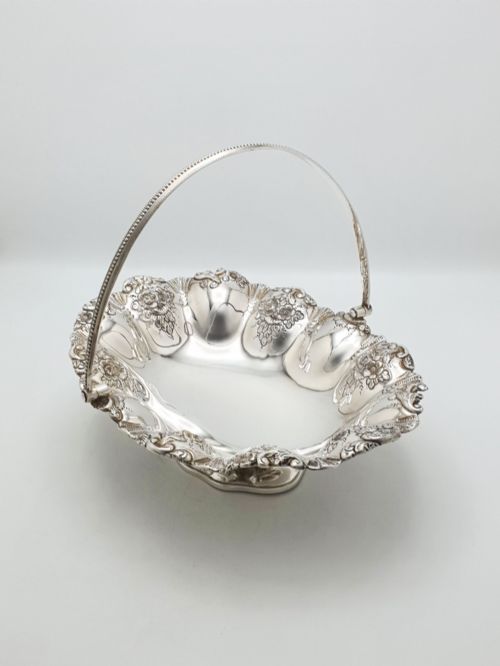


Vintage Floral Centrepiece
A vintage floral centrepiece brings the garden to the dining table through porcelain, glass, and silver shaped across the Victorian and Edwardian eras.
Vintage Floral Centrepiece
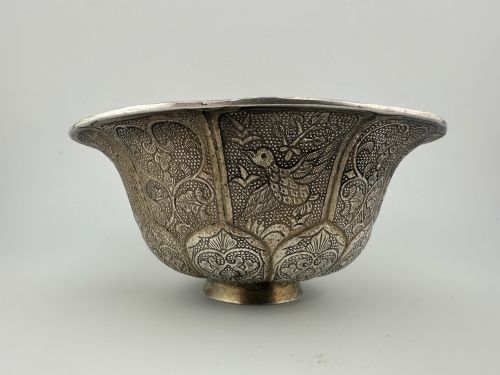
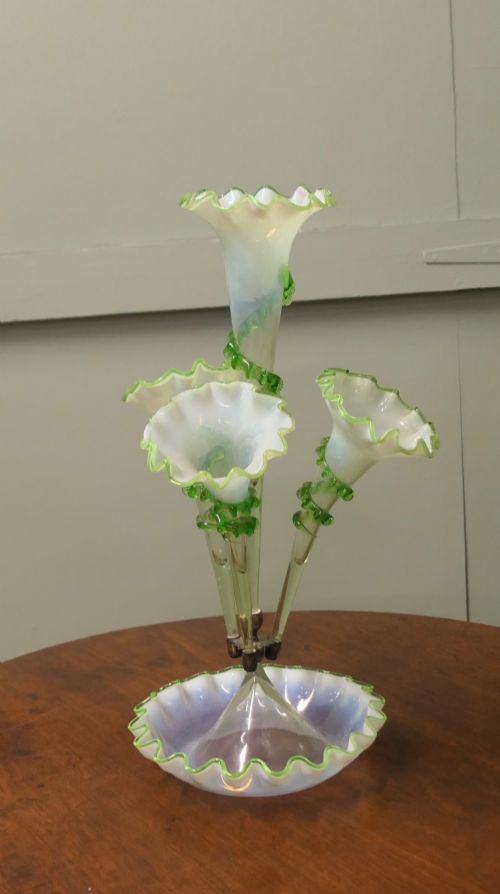
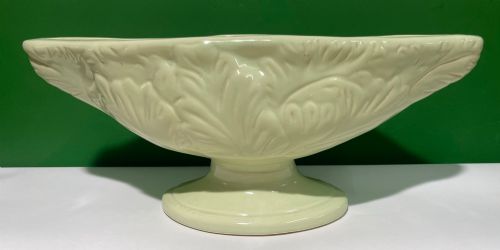
A vintage floral centrepiece sits as the focal point of a table, taking the form of large bowls, comports, baskets, and elaborate figural arrangements. When searching for a vintage floral centrepiece, buyers encounter items designed to hold cut flowers, fruit, or simply to display intricate decorative motifs.
The pieces appearing on this page span the nineteenth and early twentieth centuries, encompassing Victorian, Edwardian, Art Nouveau, and Art Deco aesthetics. Common variations include porcelain bowls decorated with applied roses, etched glass pedestal pieces, and silver-plated baskets featuring floral repoussé rims.
Origins stretch from English workshops and continental European porcelain factories to Japanese Imari kilns and Chinese export studios. Buyers select these items to anchor a room with period character, choosing between simple glass vessels and complex porcelain centrepieces populated by putti and birds.
Materials and methods of construction
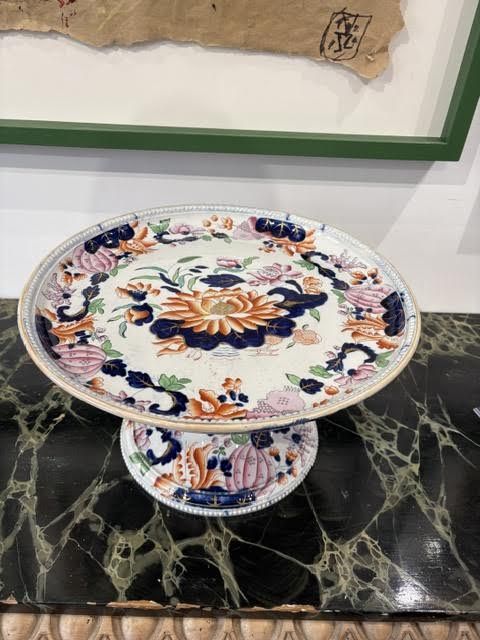
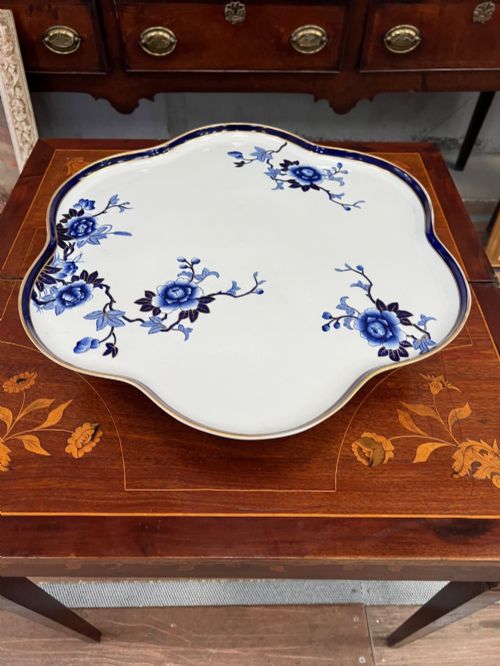
Porcelain and ceramics form the backbone of these pieces, often shaped into bowls and figural groups, then hand-painted or glazed. Artisans frequently applied delicate ceramic flowers or incorporated openwork galleries and pierced rims into the wet clay before firing.
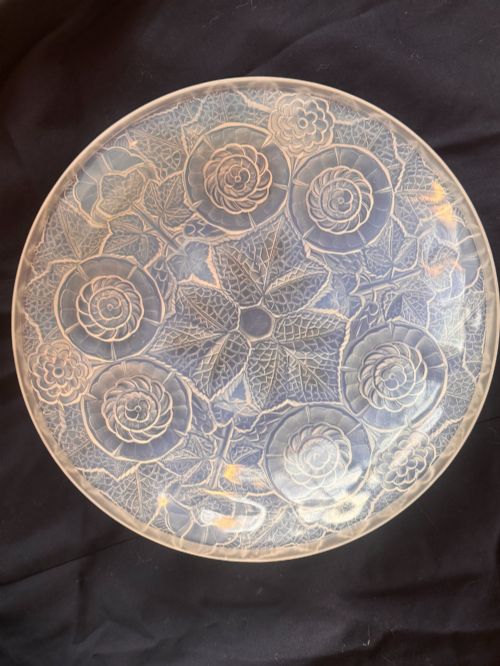
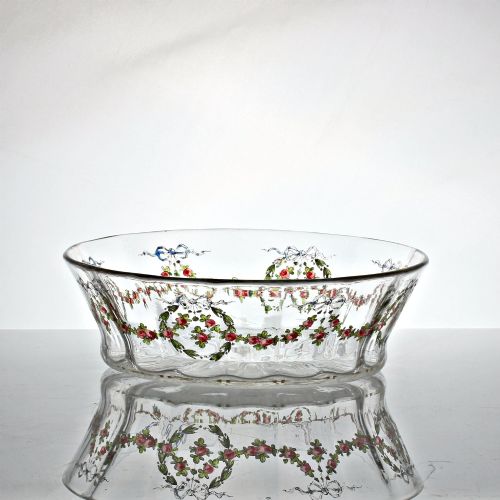
Glass production relied on etching, cutting, and moulding, yielding opalescent, crystal, and pearlescent finishes. Techniques such as acid-staining and enamelling added depth to floral motifs on twentieth-century items.
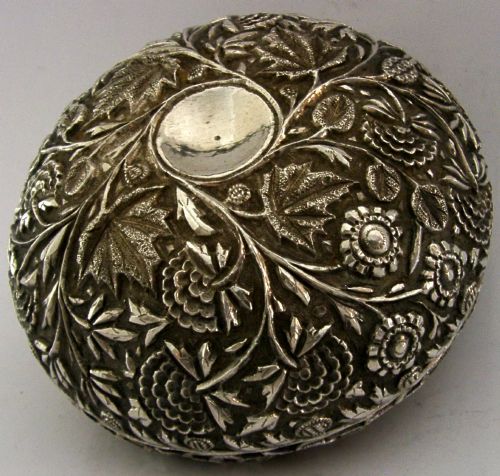
Metalwork involved silver plating, solid silver, white metal, and gilded bronze or pewter. Craftsmen utilised repoussé techniques to hammer floral patterns into metal rims, while others combined bronze frames with crystal vessels.
Vintage Floral Centrepiece Retail Price Guide 2026
Typical asking prices for vintage floral centrepiece among the pieces listed under this phrase on Sellingantiques today, from the lower quarter to the upper quarter. They describe what is for sale here now, not the wider market.
Listings feature periods spanning the Victorian and Edwardian eras alongside early twentieth-century designs, utilising materials from porcelain and silver plate to opalescent glass.
Assessing craftsmanship and finish
Material depth and weight signal superior execution, visible in heavy gauge silver, thick crystal with precise deep-cut faceting, and evenly distributed opalescence in glass. The integration of mixed media, such as securely fitted bronze mounts on crystal bowls, indicates higher workshop standards.
Preservation of delicate elements like thin porcelain petals, gilt highlights, and enamel work dictates the standing of a piece. Stronger examples retain their original surface colour and gilding without excessive rubbing from past cleaning.
Rene Lalique·Meissen·Royal Worcester·Orivit·Mason·Maling·Plaue Schierholz
The Vintage Floral Centrepiece Glossary
- Repoussé
- Metalworking technique where a design is hammered into relief from the reverse side. This method frequently appears on silver-plated baskets and bowls.
- Comport
- A decorative dish or bowl raised on a high foot or pedestal, used for serving fruit or displaying flowers at table.
- Putti
- Depictions of plump, winged infant figures, often appearing as cherubs in continental porcelain centrepieces and candelabra.
- Opalescent glass
- Glass containing agents that create a milky, milky-blue translucency which catches light at the edges. This effect defines many twentieth-century decorative bowls.
- Cloisonné
- Enamelwork technique where spaces created by soldered metal wires on a metal base are filled with paste and fired. Pieces from Japan and China utilise this method for floral and bird patterns.
Vintage Floral Centrepiece: Frequently Asked Questions
What were antique floral centrepieces used for?
These pieces served primarily as decorative table garnitures for grand dinners, holding fresh seasonal blooms, floating flower heads, or fresh fruit.
Wealthy households placed them centrally on dining tables to impress guests, matching the ornamental theme of the service.
How do I care for an antique glass centrepiece?
Wash glass items gently by hand using lukewarm water and mild detergent, avoiding abrasive sponges that scratch the surface.
Dry them immediately with a soft lint-free cloth to prevent water spots from forming on etched or cut details.
How can I tell Victorian pieces from Edwardian ones?
Victorian items tend to feature heavier ornamentation, deep hand-etching, and rich cobalt or gilt colours, reflecting ornate nineteenth-century tastes.
Edwardian designs often shift toward lighter pastel palettes, pearlescent glass finishes, and more restrained floral motifs inspired by early twentieth-century trends.
Can I use these bowls for daily dining?
Many antique porcelain and glass bowls remain structurally sound for holding fruit or dry arrangements on a daily basis.
Items featuring delicate applied porcelain flowers, fragile opalescent glass, or worn silver plating require careful handling and suit display better than heavy daily use.