



Vintage Floral Bangle
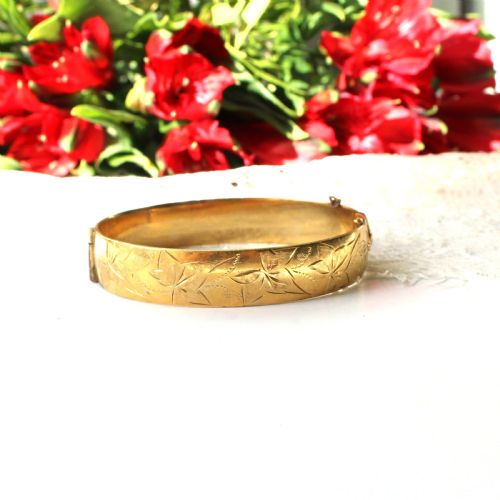
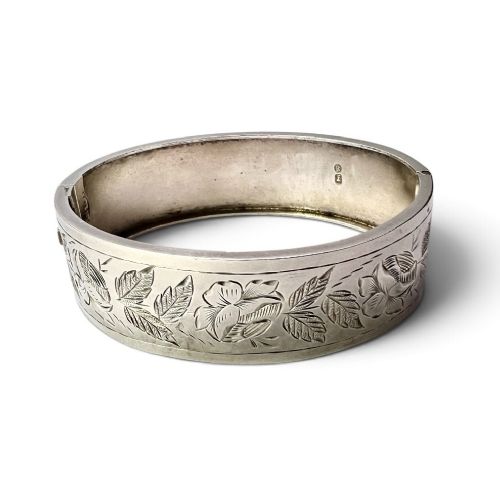
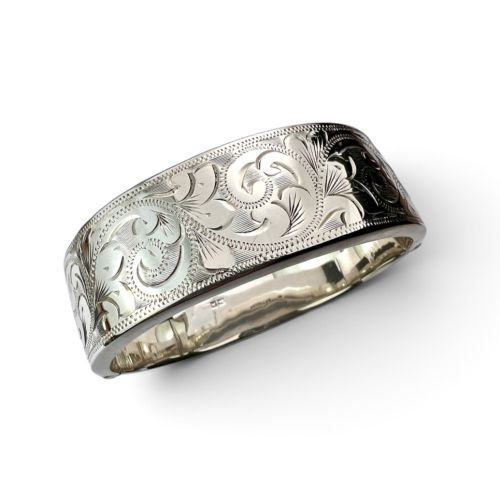
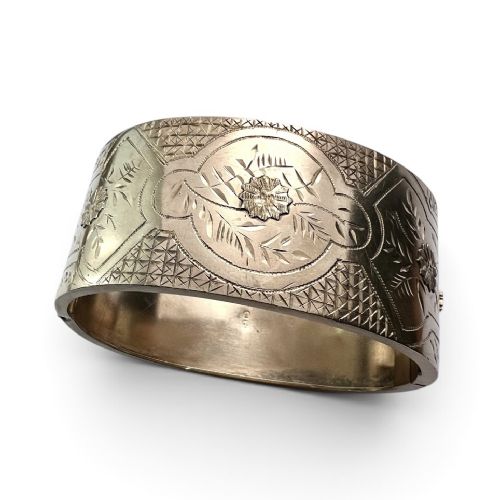
A vintage floral bangle wraps the wrist in enduring botanical motifs, offering the charm of engraved blooms and gem-set blossoms.
Vintage Floral Bangle
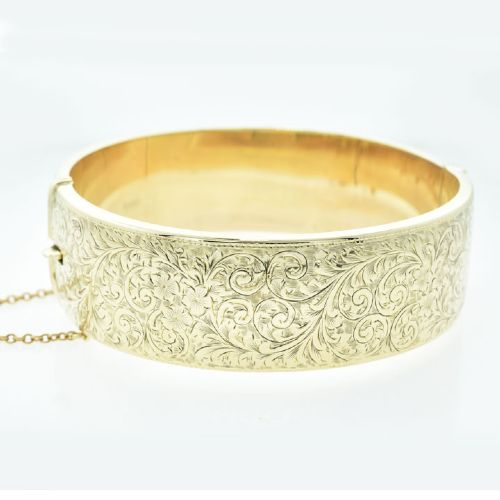
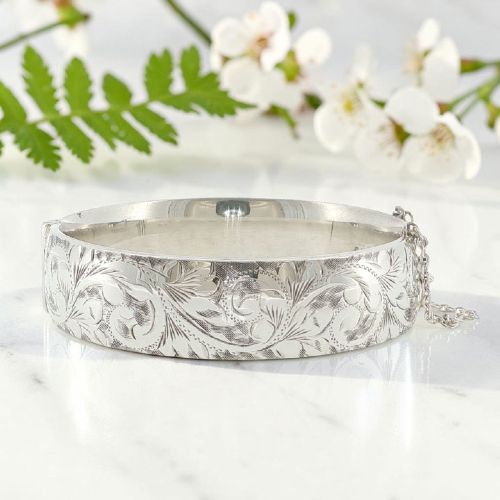
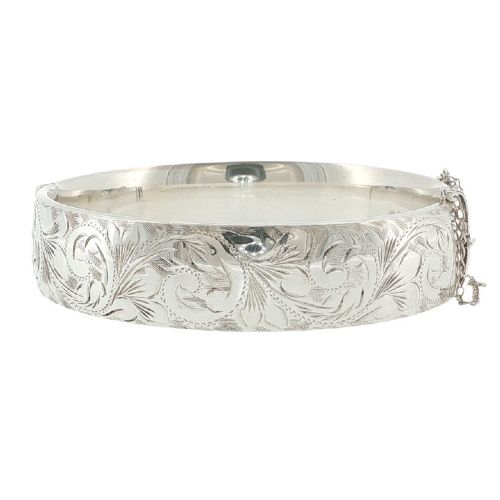
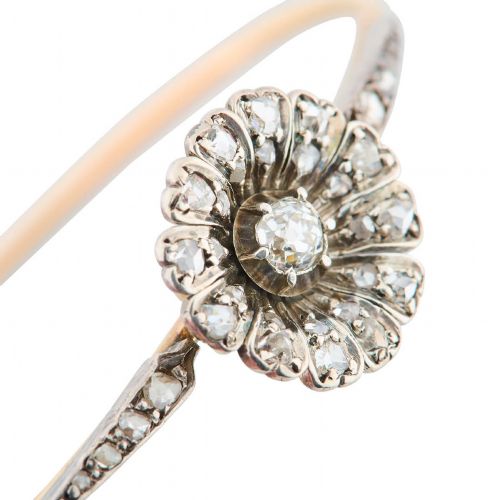
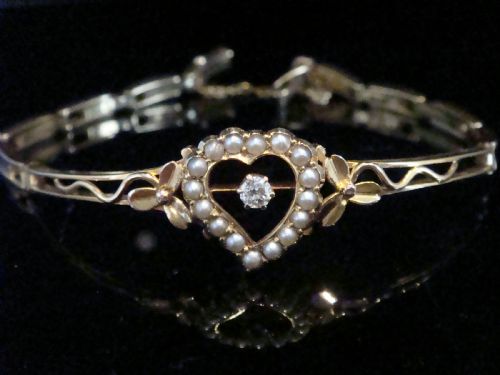
When you search for a vintage floral bangle, you encounter hinged cuffs, solid circles, and flexible bracelets spanning the Victorian, Edwardian, and mid-century eras. The Victorian pieces often display deep hand-engraving or diamond-set flower heads in sterling silver and high-karat gold.
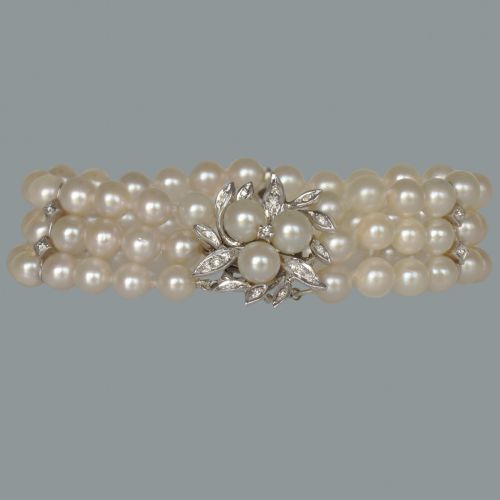
Mid-century examples bring cleaner lines from British and Scandinavian workshops, frequently utilising sterling silver or 9ct gold. You also meet delicate pearl and diamond clasps alongside natural red coral cameos set into gold mountings.
The selection ranges from robust hinged silver cuffs to slender rolled gold bangles and triple-strand cultured pearl bracelets fastened with floral clasps. Each piece demonstrates how makers across different decades interpreted botanical themes through metalwork and gemstones.
How they were made
The materials recorded in these pieces rely heavily on sterling silver, 9ct yellow gold, and 15ct gold, supported by occasional use of 12ct gold filled and rolled gold. Gemstones such as diamonds, cultured pearls, and floral paste are integrated to highlight the botanical motifs.
Techniques combine traditional hand-engraving with hinged construction, allowing cuffs to fit snugly around the wrist. Goldsmiths utilised casting, soldering, and meticulous stone-setting to build secure mountings for coral cameos and diamond flower clusters.
Vintage Floral Bangle Retail Price Guide 2026
Typical asking prices for vintage floral bangle among the pieces listed under this phrase on Sellingantiques today, from the lower quarter to the upper quarter. They describe what is for sale here now, not the wider market.
Listings feature sterling silver, 9ct gold, 15ct gold, and diamonds across Victorian, Edwardian, and mid-century periods.
What varies in quality
The distinction in quality rests upon the depth and crispness of the hand-engraving, alongside the purity of the metal used, such as the step up from rolled gold to solid 9ct or 15ct gold. Maker attribution and the integration of genuine diamonds or cultured pearls further elevate certain pieces above standard production.
Engineering integrity also defines the standard, particularly the strength of the hinge and the reliability of the clasp mechanism on cuff bangles. Heavier weight and finer detail in the floral motifs separate workshop-produced items from simpler commercial output.
Smith and Pepper·Georg Jensen
The Vintage Floral Bangle Glossary
- Bangle
- A rigid ring or cuff that slips over the hand or opens with a hinge to encircle the wrist.
- Hinged Cuff
- A rigid bracelet divided into halves joined by a pin hinge and secured with a tongue clasp.
- Rolled Gold
- A manufacturing method where a layer of gold is mechanically bonded to a base metal core.
- Floral Paste
- Faceted glass stones cut and set by hand to imitate genuine gemstones within a floral design.
- Cameo
- A gemstone or shell carved in relief to project a raised floral or portrait subject from a contrasting background.
Vintage Floral Bangle: Frequently Asked Questions
How do I open a hinged bangle?
Most hinged pieces use a side release mechanism where you press the internal tongue while pulling the halves apart.
Take care not to pull the hinge itself, as undue side pressure can misalign the pin.
Are these bangles suitable for daily wear?
Solid gold and heavy silver cuffs endure regular wear well, though older clasps require gentle handling.
Delicate pearl strands and hollow rolled gold versions benefit from occasional rather than daily use.
How can I tell Victorian from mid-century pieces?
Victorian designs tend to feature heavy hand-engraving, natural coral, and higher karat gold or sterling silver.
Mid-century items often display Scandinavian or British modernism with smoother contours and lighter profiles.
What does gold filled mean?
Gold filled indicates a thick layer of solid gold mechanically fused to a base metal core for durability.
This construction differs from modern plating because the outer gold layer is substantially thicker and wears slowly.