




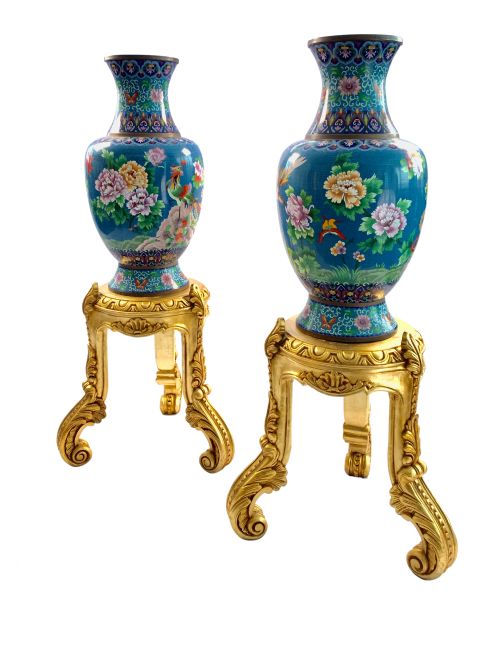
Vintage Floor Urns
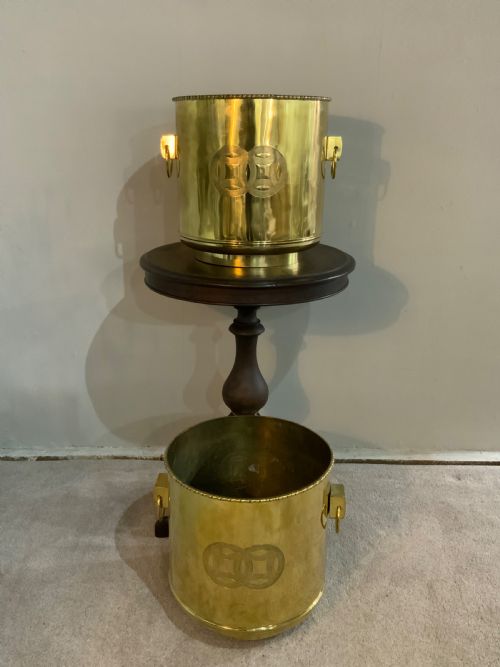
These vintage floor urns are substantial vessels and jardiniers selected to anchor a room, offering both decorative presence and historical character.
Vintage Floor Urns
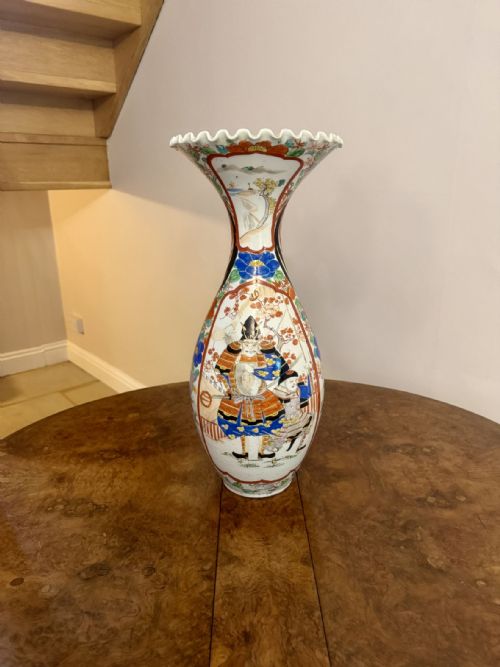
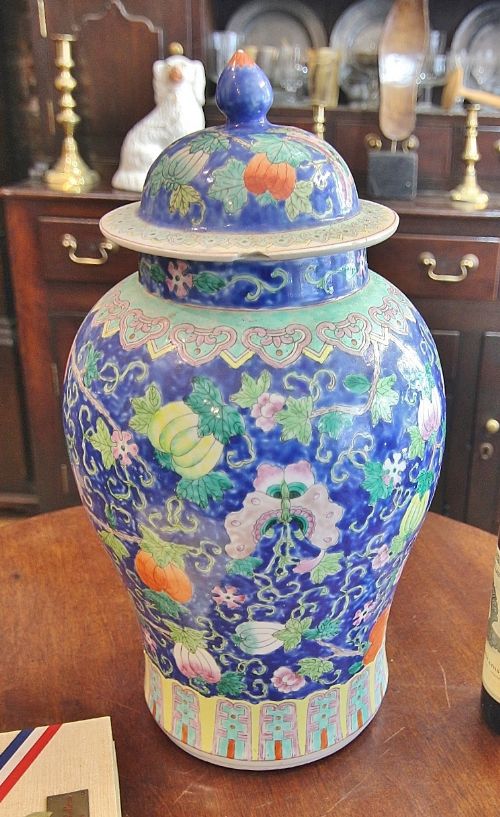
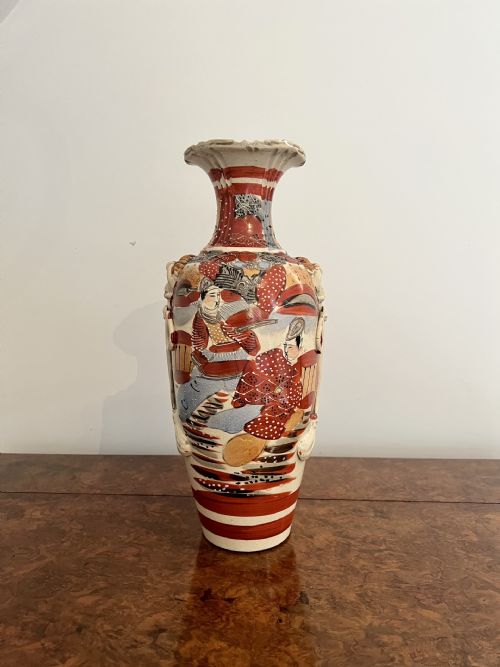
Vintage floor urns encompass large decorative vessels, jardinieres, and monumental vases designed to stand directly upon the floor rather than on furniture. The selection draws together diverse traditions, spanning Japanese Imari and Satsuma ceramics, Chinese cloisonne and porcelain, and European terracotta and brass.
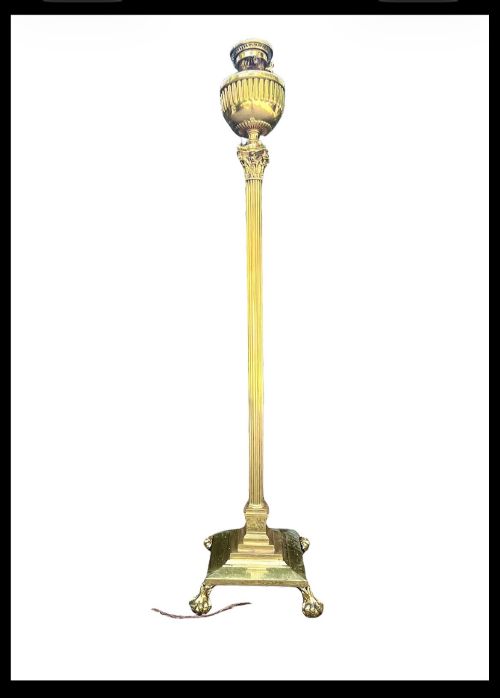
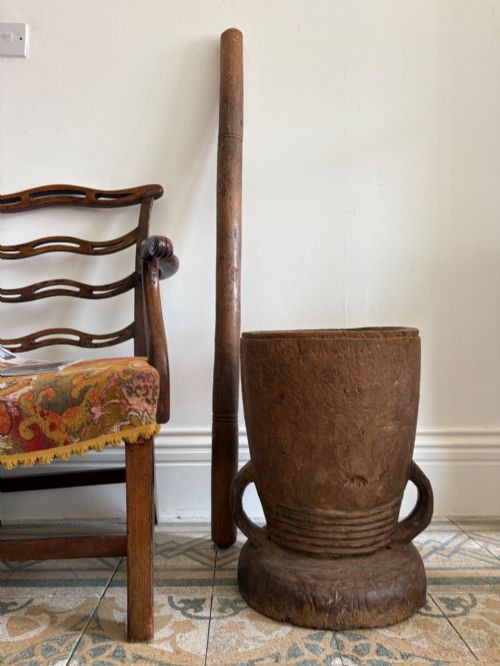
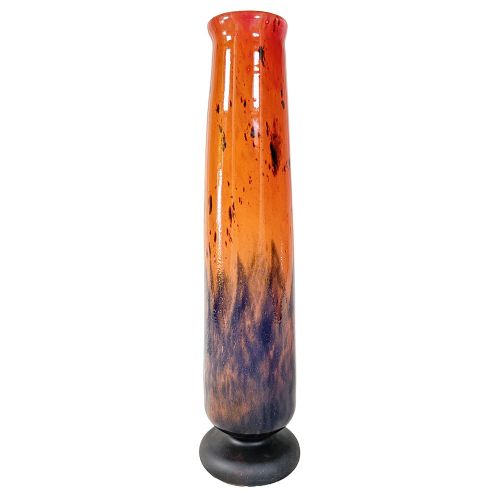
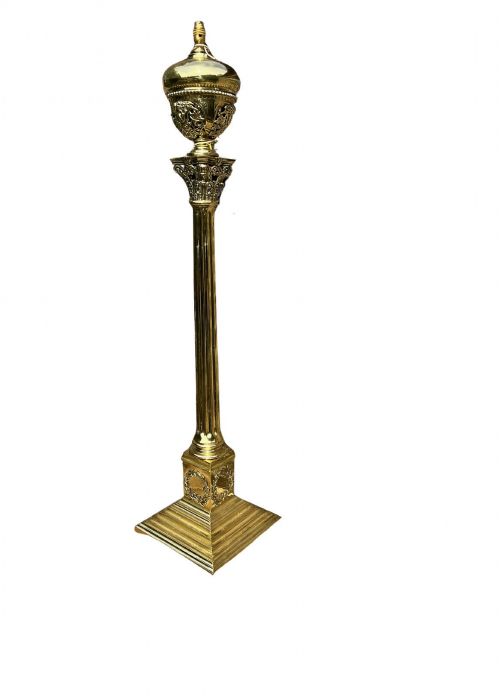
Most pieces date from the nineteenth and twentieth centuries, taking the form of high-impact statement objects such as French Biot jars, African grain mortars, and English standard lamps adapted from pedestals. Buyers encounter everything from hand-carved tree trunks to polished brass jardiniers, reflecting varied global aesthetics.
The larger examples function as architectural elements within a space, often paired to frame a doorway or hearth. These substantial vessels bring texture, scale, and rich historical context to domestic interiors.
How they were made
Ceramic pieces rely on traditional throwing and moulding in terracotta, earthenware, and porcelain, finished with hand-painted glazes, famille rose enamels, or intricate cloisonne wirework. Artisans built up surface depth through repeated firings and precise brushwork.
Metal vessels utilise heavy brass and copper construction, sometimes shaped into jardiniers or paired with turned hardwood stands and gold leaf details. Turned wooden churns and hand-carved tree trunk mortars demonstrate robust carpentry using native hardwoods.
Vintage Floor Urns Retail Price Guide 2026
Typical asking prices for vintage floor urns among the pieces listed under this phrase on Sellingantiques today, from the lower quarter to the upper quarter. They describe what is for sale here now, not the wider market.
The listings feature diverse materials including enamel, porcelain, brass, gold leaf, earthenware, hardwood, and terracotta across the nineteenth and twentieth centuries.
What varies in quality
Quality rests upon the crispness of the modelled form and the sureness of the hand-applied decoration, whether painted Satsuma panels or cloisonne cells. Superior pieces display harmonious proportions and depth of glaze that withstand close inspection.
Material integrity and surface patination dictate the standing of a vessel, with age-worn terracotta and polished brass showing honest ageing rather than fatigue. The balance between weight and scale ensures the piece sits securely as a floor-standing ornament.
Daum·Brannam·Kinkozan
The Vintage Floor Urns Glossary
- Jardiniere
- A large ornamental pot or stand designed to hold live plants or flowers, frequently manufactured in brass, ceramic, or copper.
- Cloisonne
- A decorative metalwork technique where enamel is applied within compartments created by soldered wire strips.
- Imari
- A style of Japanese export porcelain characterised by underglaze blue and overglaze red, gold, and green colours.
- Torchiere
- A tall floor-standing standard lamp or stand, often utilised in country house interiors for ambient lighting or display.
- Famille rose
- A palette of Chinese porcelain enamels dominated by opaque pink or rose colours, popular in the eighteenth and nineteenth centuries.
Vintage Floor Urns: Frequently Asked Questions
Where should I place a floor urn?
These large vessels sit best in empty corners, framing fireplaces, or flanking large entryways where their scale can be appreciated without obstructing movement.
Pairs work particularly well to create symmetry in a grand room or hallway.
How do I clean antique brass urns?
Dust regularly with a soft dry cloth to prevent the buildup of grime on polished or patinated metal surfaces.
Avoid harsh chemical polishes that strip away the aged character accumulated over decades.
Are these pieces heavy?
Due to materials like terracotta, thick porcelain, cast brass, and hardwood, these urns possess substantial weight to ensure stability on the floor.
Lift from the base rather than the rim or handles when repositioning them.