




Vintage Flintlock
Vintage flintlock arms are historical ignition firearms spanning the eighteenth and nineteenth centuries, sought after for their intricate mechanism and military provenance.
Vintage Flintlock
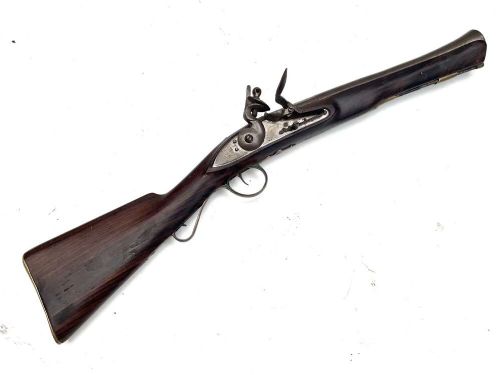
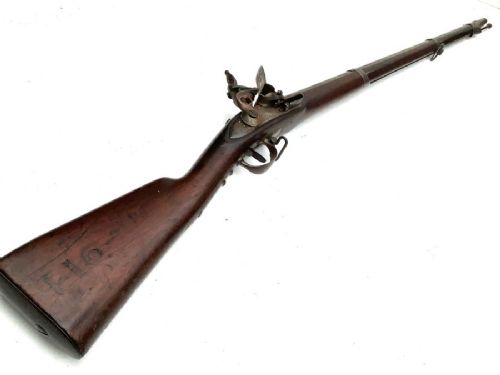
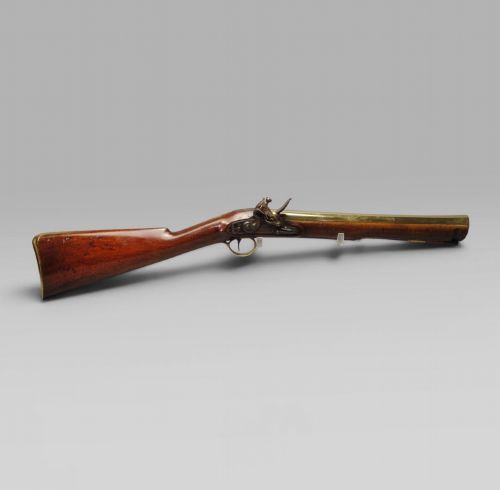
Vintage flintlock items comprise a diverse array of antique firearms, muskets, and pistols originating from the eighteenth and nineteenth centuries. Collectors encountering this selection will find various military and civilian patterns, ranging from British blunderbusses to French and Ottoman service arms.
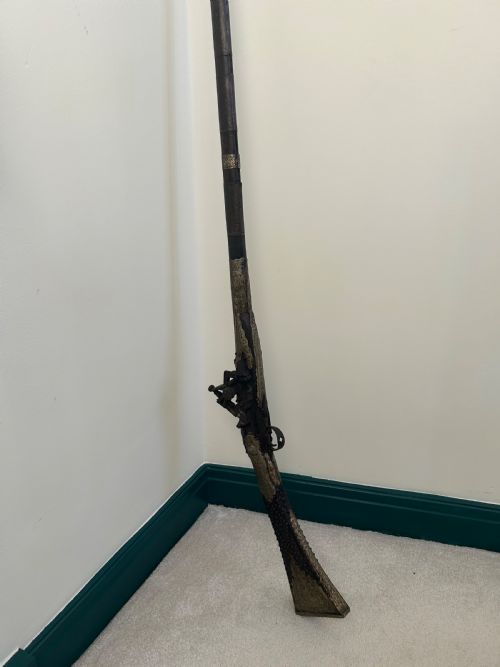
The assortment includes specialised forms such as pocket pistols, holster pistols, and long arms like jezail rifles and musketoons. These pieces reflect specific historical contexts, including the Georgian period, Napoleonic era, and Balkan tribal traditions.
Materials and Construction
The construction of these firearms relies heavily on robust metals like steel, iron, and brass for barrels, lock plates, and mounts. Stocks are typically fashioned from timber, with figured walnut appearing frequently among higher-grade British and European pistols.
Many examples feature decorative enhancements, such as intricate silver inlay work on stocks and embossed brass cladding. Mechanical assembly requires precision engineering of the flintlock ignition system, including the frizzen and mainspring.
Vintage Flintlock Retail Price Guide 2026
Typical asking prices for vintage flintlock among the pieces listed under this phrase on Sellingantiques today, from the lower quarter to the upper quarter. They describe what is for sale here now, not the wider market.
Listings feature walnut stocks alongside brass, steel, and iron components across eighteenth and nineteenth-century periods.
Evaluating Quality and Finish
Quality in these pieces is dictated by the crispness of the lock mechanism, the legibility of maker signatures, and the integrity of the wooden stock. Finer specimens display detailed silver wire or plate inlay and well-preserved brass furniture without excessive wear.
The presence of official proof marks and original barrel finishes distinguishes standard military issue arms from bespoke officer or duelling pieces. Superior examples maintain matching components and functional internal springs.
Timothy Hughes·Meyer And Mortimer·Barber of Newark·Dutton·Wilson
The Vintage Flintlock Glossary
- Flintlock
- A firearm ignition mechanism that uses a flint held in a cock to strike a steel frizzen, creating sparks to ignite the priming powder. This system dominated military and civilian arms for centuries.
- Blunderbuss
- A muzzle-loading firearm with a flared barrel designed to scatter shot at close range. It appears frequently in coach defence and naval contexts.
- Frizzen
- The vertical steel plate struck by the flint to produce sparks and cover the priming pan. Its grooved face is essential for reliable ignition.
- Jezail
- A type of long-barreled muzzle-loading rifle used across the Middle East and Central Asia. They often feature distinct curved stocks and flintlock or snaphaunce actions.
Vintage Flintlock: Frequently Asked Questions
How do I identify a genuine flintlock pistol?
Examine the lock mechanism for the characteristic cock, frizzen, and priming pan arrangement that defines the ignition system. Look for contemporary maker signatures and proof marks stamped onto the barrel or lock plate.
Verify that the wooden stock aligns properly with the metal furniture and shows appropriate signs of age. Authentic pieces generally exhibit period-correct manufacturing techniques rather than modern machine tooling.
What is the difference between a flintlock and a percussion firearm?
A flintlock relies on a flint striking a steel frizzen to generate sparks that ignite loose gunpowder in an external pan. This technology precedes the percussion cap system.
Percussion firearms use a hammer to strike a small primed cap placed on a nipple, transferring flame directly to the powder charge inside. This later method proved more reliable in wet weather.
How should I display vintage firearms at home?
Mount firearms securely on walls using padded brackets that support the weight without stressing the wooden stock or barrel. Ensure display areas avoid direct sunlight and significant fluctuations in temperature or humidity.
Maintain stable environmental conditions to preserve the integrity of both the timber and the metal components. Regular light dusting with a soft cloth keeps the surfaces clean.
Were these arms used primarily for military or civilian purposes?
The selection encompasses both military service arms, such as French and British muskets, and civilian self-defence weapons. Overcoat and pocket pistols served travellers and citizens for personal protection.
Officers typically purchased their own sidearms, resulting in finer decorative finishes compared to standard-issue enlisted equipment. Sporting guns and blunderbusses fulfilled specific roles in hunting and coach security.