
Vintage Flap Leaf Table
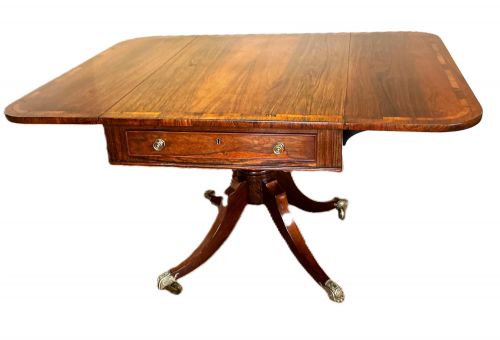
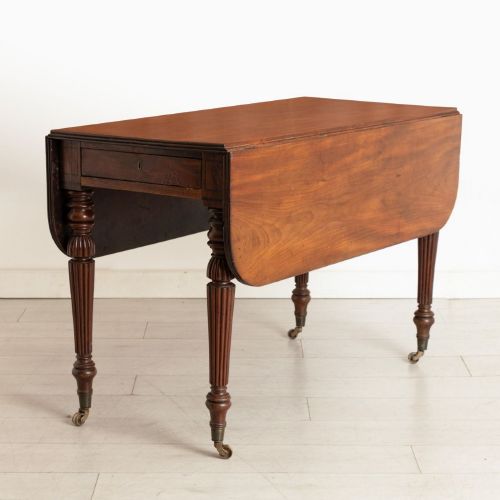
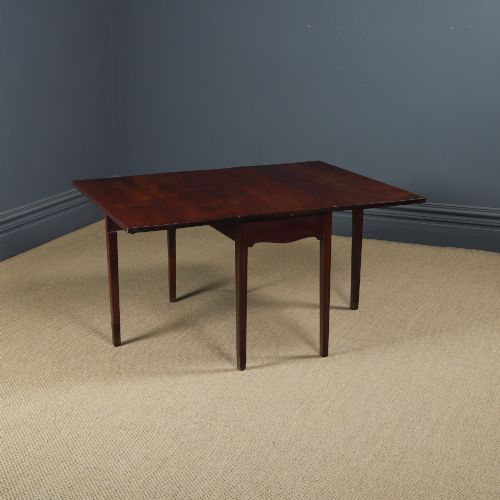
These vintage flap leaf table examples provide adaptable surfaces in mahogany, oak and pine across centuries of British and continental design.
Vintage Flap Leaf Table
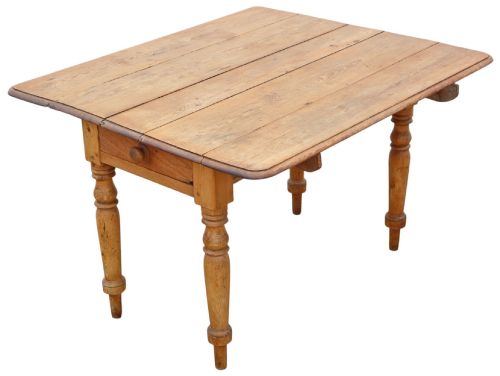
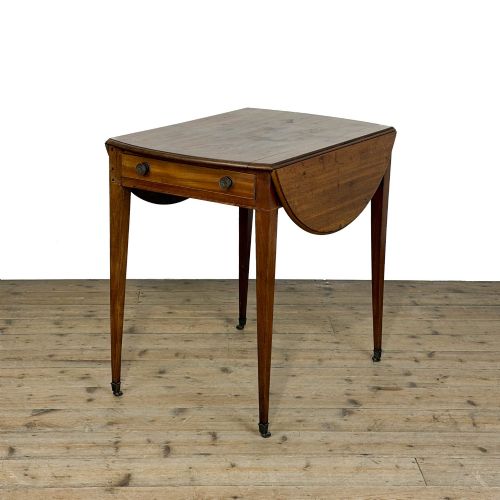
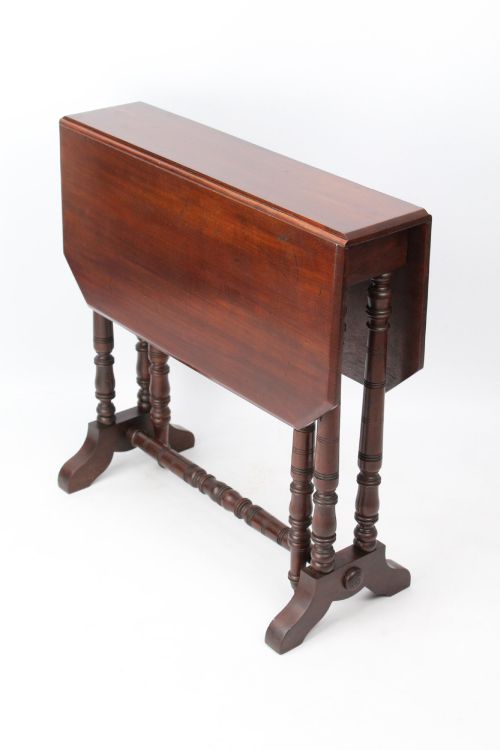
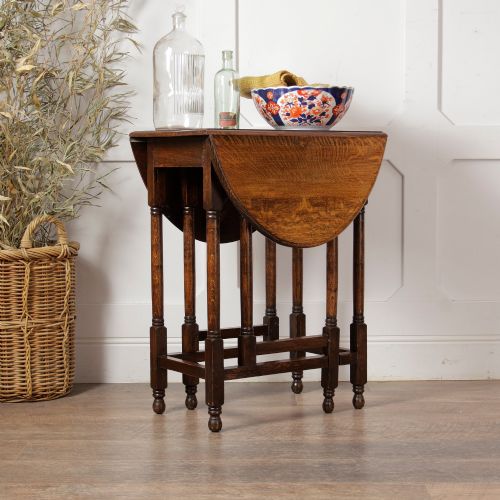
A vintage flap leaf table serves as a versatile furniture form designed to expand when needed and fold down to save space in compact rooms. Buyers seeking a vintage flap leaf table encounter various configurations including gateleg, pembroke, drop-leaf and sutherland tables spanning from the seventeenth century through the Edwardian period.
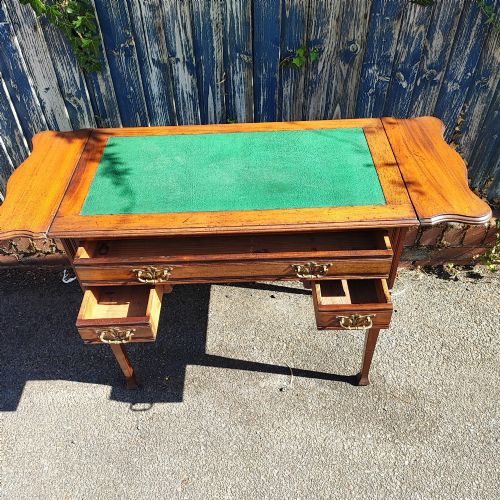
The materials span sturdy structural hardwoods and softwoods, featuring mahogany, oak, walnut, pine, elm, fruitwood, satinwood and burr walnut. These pieces function variously as dining tables, side tables, occasional tables, library tables, writing desks and bedside cabinets.
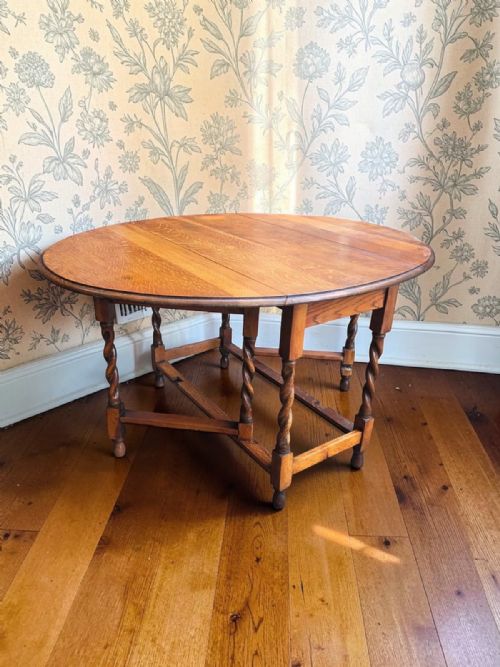
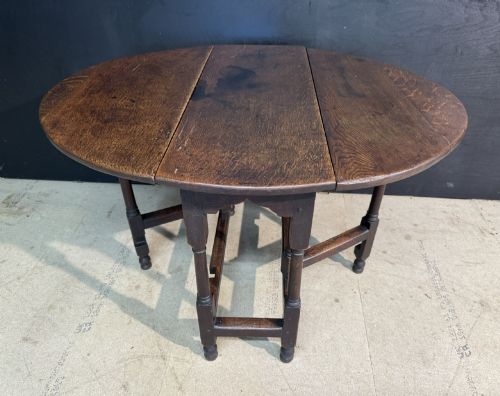
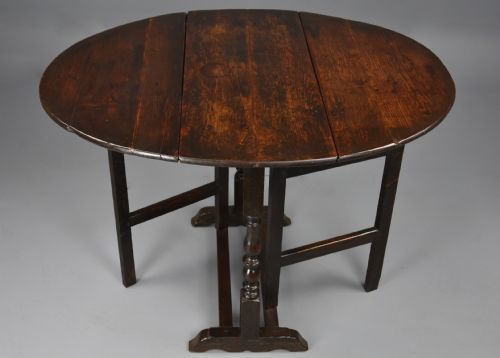
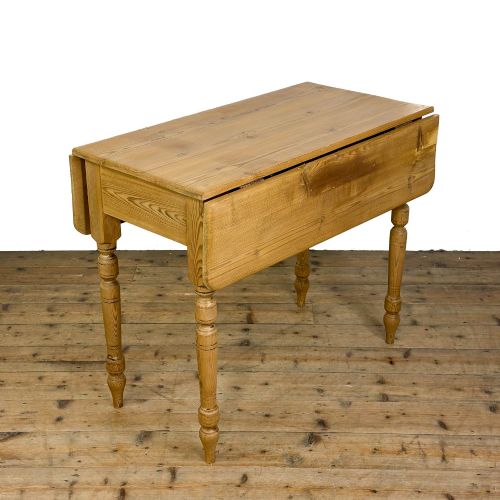
Examples on this page draw from distinct eras, including the seventeenth century, eighteenth century, Regency period, Victorian era and Edwardian years. Gateleg tables with barley twist or bobbin turned legs appear alongside mahogany pembroke tables and pine kitchen variants.
Quality differences
The choice of timber and the sophistication of the figuring, such as burr walnut or figured mahogany, distinguish standard utility items from finer examples. Superior pieces display thoughtful proportions, original hardware like brass castors or hinges, and well-executed joinery that maintains structural integrity across the moving flaps.
Surface finish and patination reveal how a table has aged and been maintained over centuries. Examples retaining an original surface with rich depth and honest wear stand apart from pieces that have undergone heavy restoration or unsympathetic refinishing.
Object types include dining tables, side tables, occasional tables, pembroke tables, sofa tables and gateleg tables.
The Vintage Flap Leaf Table Glossary
- Gateleg table
- A table with hinged flaps supported by legs that swing outward like gates to hold the leaves up. This form provides a large surface area when open and folds compactly.
- Pembroke table
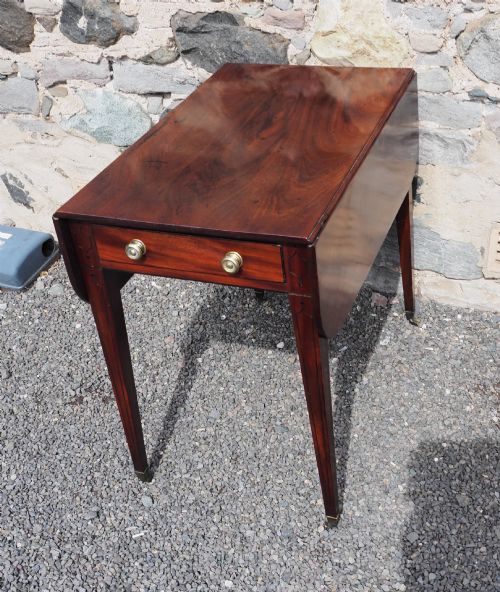
- A small rectangular table with two hinged drop flaps on opposing sides, frequently fitted with a drawer. It emerged in the eighteenth century as a convenient breakfast or writing table.
- Sutherland table
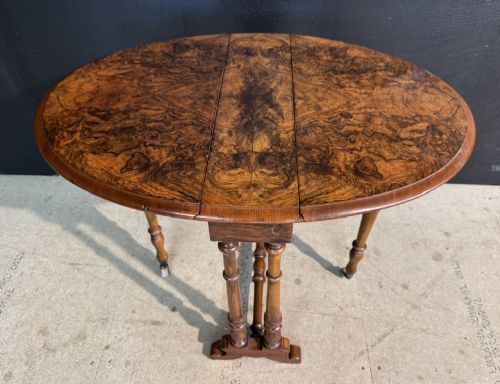
- A narrow table type featuring unusually slender drop leaves supported by swinging gate legs. Miniature and standard versions exist in mahogany and burr walnut.
- Drop-leaf table
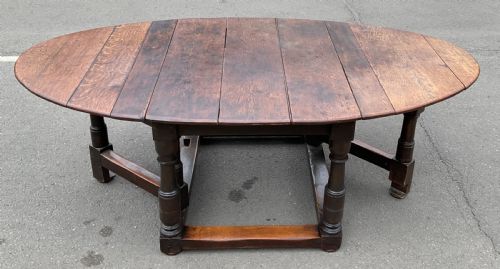
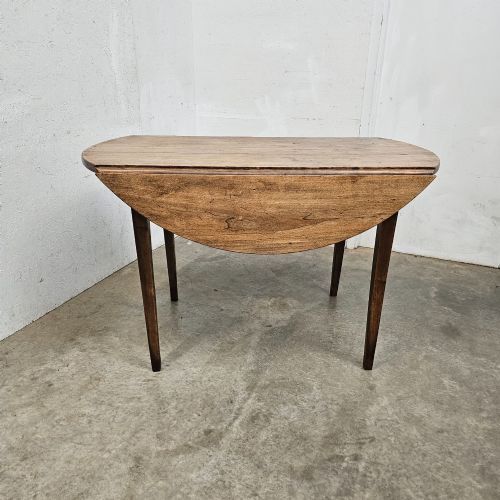
- Any table fitted with hinged leaves that drop down when not in use. These forms appear across pine, oak and mahogany for dining or kitchen tasks.
- Patina
- The surface appearance developed through age, use and polishing over years. Collectors prize original patination on seventeenth and eighteenth century oak surfaces.
Vintage Flap Leaf Table: Frequently Asked Questions
How do I use a drop leaf table in a small room?
Drop leaf tables fold down along the sides to occupy minimal floor space against a wall or in a corner. When extra surface area is needed for dining or working, the flaps lift up to extend the top.
The movable leaves make these pieces adaptable for changing room layouts throughout the day. Owners can drop one leaf to fit a tight space or raise both for full seating capacity.
How do I care for antique mahogany and oak tables?
Protect the wood surfaces from direct sunlight and excessive heat fluctuations to prevent timber splitting or fading. Regular dusting with a soft, dry cloth preserves the finish without building up heavy wax residues.
Use coasters and placemats to guard against moisture and heat marks from cups or plates. Periodic gentle waxing helps maintain the natural lustre of the timber.
How can I tell a seventeenth century gateleg table from later revivals?
Early seventeenth century tables display authentic hand-turned woodwork, such as bobbin or early baluster turnings, joined with traditional pegged construction. The timber exhibits deep patination and wear consistent with centuries of handling.
Revival pieces from later periods often show machine-cut joints, uniform modern finishes, and hardware that lacks the signs of age found on authentic early examples.