



Vintage Fishing Case
A vintage fishing case brings preserved freshwater fish and cased sporting cutlery into the room, offering a glimpse into nineteenth and twentieth century angling.
Vintage Fishing Case
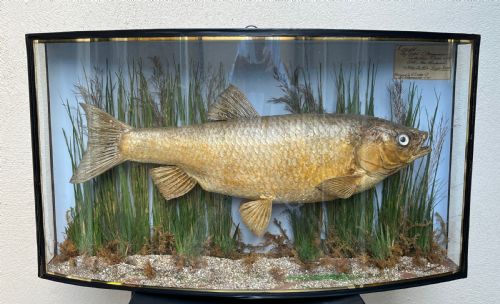
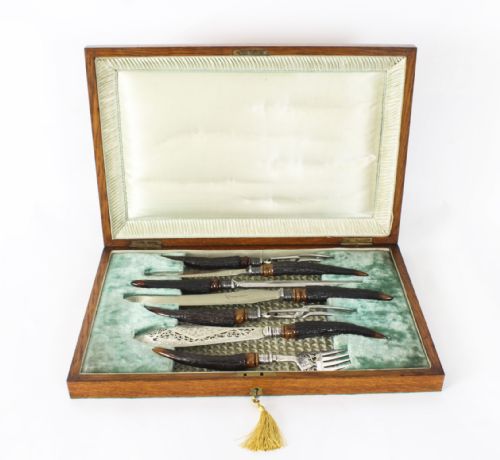
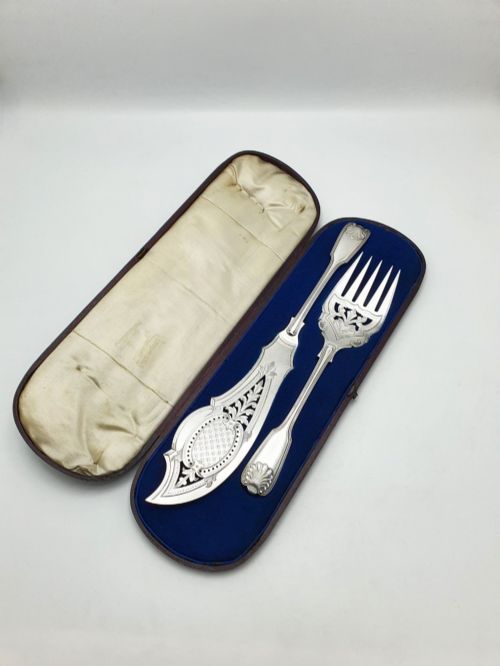
A vintage fishing case encompasses taxidermy displays of river fish and fitted cased sets designed for serving fish and seafood. Collectors encounter wooden display boxes housing specimens like roach, tench, pike, and golden carp alongside silver plated carving sets and lobster picks.
The objects span from the Victorian period through to the nineteen forties, drawing on Victorian and Edwardian sporting traditions. Specimens often arrive in glass fronted wooden cases, while tableware appears in oak canteens or presentation boxes lined with velvet.
Fish displays dominate the taxidermy selections, accompanied by horn handled servers and engraved silver fish service pieces. These items reflect an era when angling and elaborate dining shared a common aesthetic.
Materials and construction
Taxidermy cases combine wood frames with glass viewing panels, housing preserved specimens set against backgrounds of dried reeds and painted water scenes. Preserved fish share space with paper labels and painted details that mimic natural riverbeds.
Cutlery and serving sets utilise silver plate or solid sterling silver for blades and picks, paired with natural materials for the grips. Antler horn and animal horn feature prominently alongside ebonised wood for handles.
Presentation boxes rely on sturdy timber construction, frequently using oak or ebonised wood fitted with internal linings of velvet to secure each piece of cutlery or silver.
Vintage Fishing Case Retail Price Guide 2026
Typical asking prices for vintage fishing case among the pieces listed under this phrase on Sellingantiques today, from the lower quarter to the upper quarter. They describe what is for sale here now, not the wider market.
Golden carp and tench peer out from behind glass, forever caught mid swim among dried reeds.
Assessing quality
Taxidermy quality rests upon the preservation of the specimen and the artistry of the setting. Cases containing signed work by established practitioners demonstrate superior skill in mounting and background painting compared to unsigned examples.
Tableware standards depend on the weight of the silver plate or sterling silver and the condition of the horn handles. Engraved detail on fish servers and matching sets indicate higher production standards.
Little & Co·James Jones of London·J. Cooper & Sons·Waring & Gillows·Suckling Ltd.
The Vintage Fishing Case Glossary
- Taxidermy case
- A glass fronted wooden enclosure built to house and protect a preserved animal specimen. These boxes often include painted backdrops and dried reeds to simulate a natural habitat.
- Silver plate
- A base metal coated with a thin layer of silver to provide the appearance and lustre of solid silver. This technique appears frequently on nineteenth century cutlery and serving sets.
- Ebonised wood
- Timber treated with a dark stain or finish to imitate ebony. This dark wood provides a contrasting frame for bright silver blades or fish displays.
- Dried reeds
- Plant material preserved and arranged inside taxidermy displays to recreate underwater or riverbank environments. They frame the preserved fish alongside painted scenery.
Vintage Fishing Case: Frequently Asked Questions
What is inside a vintage fishing case?
These items typically contain either preserved freshwater fish mounted within glass fronted wooden display boxes or fitted cased sets of cutlery for serving fish.
Fish specimens are arranged among dried reeds and painted backgrounds, while cutlery sets feature silver plated servers, knives, and lobster picks with horn or wooden handles.
How do I display taxidermy cases at home?
Taxidermy cases require placement away from direct sunlight and damp environments to protect the preserved fish and paper elements inside the wooden frames.
Wall mounting or positioning on sturdy shelves allows the glass front to remain visible while keeping the delicate interior secure.
How can I tell Victorian pieces apart?
Victorian pieces often display heavier ornamentation, elaborate engraving on silver serving sets, and specific markers like nineteenth century dating or stylistic cues.
Later pieces from the Edwardian era or the nineteen thirties tend towards different handle materials and simpler presentation boxes, though sporting themes persist across periods.
Were fish cases used for decoration or sport?
Taxidermy fish cases served as commemorative items for anglers wanting to preserve a notable catch from rivers and lakes.
They functioned as domestic display pieces in studies and smoking rooms, celebrating successful fishing expeditions.