



Vintage Fish Case
A vintage fish case holds preserved specimens or fitted cutlery sets, bringing mid-nineteenth to mid-twentieth-century British sporting life straight into a room.
Vintage Fish Case
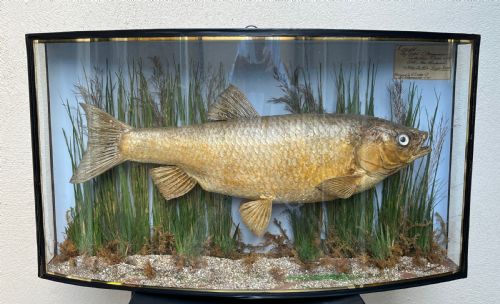
A vintage fish case covers preserved taxidermy specimens mounted within glass displays alongside fitted canteens and silver-plated serving cutlery designed for seafood. These items capture Victorian, Edwardian, and Art Deco periods through distinct domestic and sporting expressions.
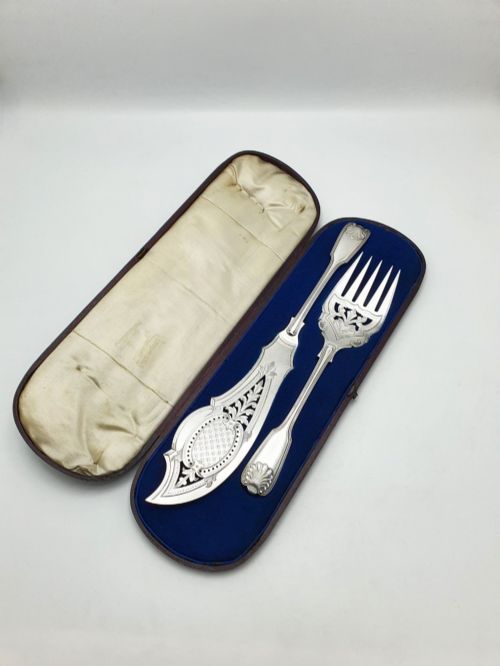
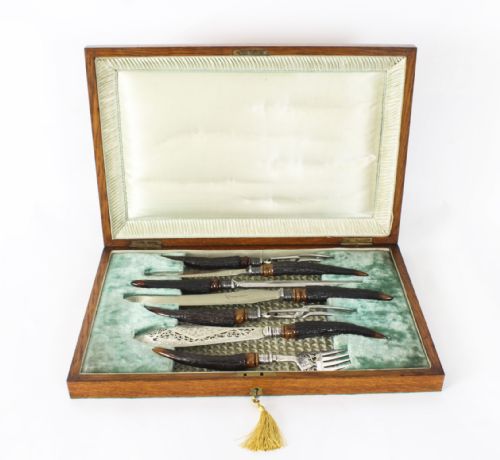
The taxidermy examples present species such as roach, tench, golden carp, pike, and rudd set among dried reeds and velvet backgrounds inside ebonised wood or glass enclosures. Alternatively, the cutlery versions provide boxed sets of silver-plated fish servers, antler horn carving sets, and solid sterling silver lobster picks.
On this page, buyers meet both the natural history taxidermy displays from makers like Little & Co and J. Cooper & Sons, and the dining room canteens originating from workshops like Waring & Gillows and Suckling Ltd. These pieces span from the 1870s through the 1940s, offering a direct link to historical angling and dining traditions.
Materials and construction
The taxidermy versions utilise glass, ebonised wood frames, velvet linings, and dried reeds to construct miniature aquatic dioramas that protect the preserved specimens. Makers mounted the fish within these sealed environments to prevent dust and moisture from degrading the delicate scales and painted backdrops.
The cutlery sets employ silver plate, solid sterling silver, paper labels, and horn handles to produce functional dining implements. Artisans engraved hunting and dog motifs onto the blades of fish servers, combining metalwork with organic materials like antler horn.
Vintage Fish Case Retail Price Guide 2026
Typical asking prices for vintage fish case among the pieces listed under this phrase on Sellingantiques today, from the lower quarter to the upper quarter. They describe what is for sale here now, not the wider market.
Materials recorded across these items include glass, ebonised wood, silver plate, paper, velvet, dried reeds, and horn.
Distinctions in quality
Quality in taxidermy displays rests upon the skill of the taxidermist in maintaining the lifelike posture of the fish and the artistic arrangement of the dried reeds and background scenery. Early masters achieved greater realism in scale preservation and habitat simulation than lesser practitioners.
Within cutlery and canteens, distinction depends on the weight of the silver plate, the crispness of the engraved hunting or dog motifs on the blades, and the structural integrity of the oak or wooden cases. Maker attribution to established firms like J. Cooper & Sons or Waring & Gillows elevates the standing of the piece.
Little & Co·James Jones of London·J. Cooper & Sons·Waring & Gillows·Suckling Ltd.
The Vintage Fish Case Glossary
- Taxidermy case
- A glass-fronted wooden box containing a preserved animal specimen arranged in a simulated natural habitat. These displays served as domestic trophies for Victorian anglers.
- Ebonised wood
- Timber treated to resemble ebony, frequently used for the frames of nineteenth-century taxidermy displays. It provides a dark, neutral border that frames the specimen inside.
- Fish servers
- A matched knife and fork specifically shaped for portioning seafood at the dining table. They frequently feature engraved blade decorations and horn or silver handles.
- Seafood picks
- Small pointed utensils utilised for extracting meat from crustaceans such as lobsters and crabs. They appear in fitted canteens from the early twentieth century.
Vintage Fish Case: Frequently Asked Questions
What is a vintage fish case?
A vintage fish case is either a glass-fronted taxidermy display box featuring a preserved specimen like a roach or pike, or a fitted wooden canteen containing silver-plated cutlery for serving seafood. These objects date from the Victorian period through the mid-twentieth century.
They reflect the historical popularity of sport fishing and formal dining customs in Britain, preserving natural history and domestic craftsmanship within a single category.
How were taxidermy fish cases displayed?
Victorian and Edwardian anglers placed these glass cases on walls or mantelpieces in studies and antechambers to exhibit their fishing catches. The interior dioramas utilised dried reeds and painted backgrounds to mimic the natural aquatic environment of the river.
Over time, these displays transitioned from personal sporting trophies into decorative historical artefacts collected for their detailed craftsmanship and aesthetic contribution to interiors.
How do I date a fish cutlery set?
Dating relies on stylistic markers such as the presence of Victorian engraving, Edwardian canteen designs, or Art Deco silver hallmarks stamped by makers like Suckling Ltd. Packaging, paper labels, and the type of wood used in the case also provide chronological clues.
Examining the handle materials, such as natural horn or antler, helps place the piece within the nineteenth or early twentieth-century manufacturing periods.
How do I care for a taxidermy display?
Maintaining a taxidermy fish case requires keeping the glass clean and ensuring the sealed wooden frame remains protected from direct sunlight and excessive humidity. Avoiding rapid temperature shifts prevents the dried materials inside from degrading.
Because the specimens and background reeds are fragile, the case should remain closed and handled as little as possible to preserve the interior arrangement.