



Vintage Fish Bowl
A vintage fish bowl brings striking form and colour to a room, spanning opalescent glass and painted porcelain.
Vintage Fish Bowl
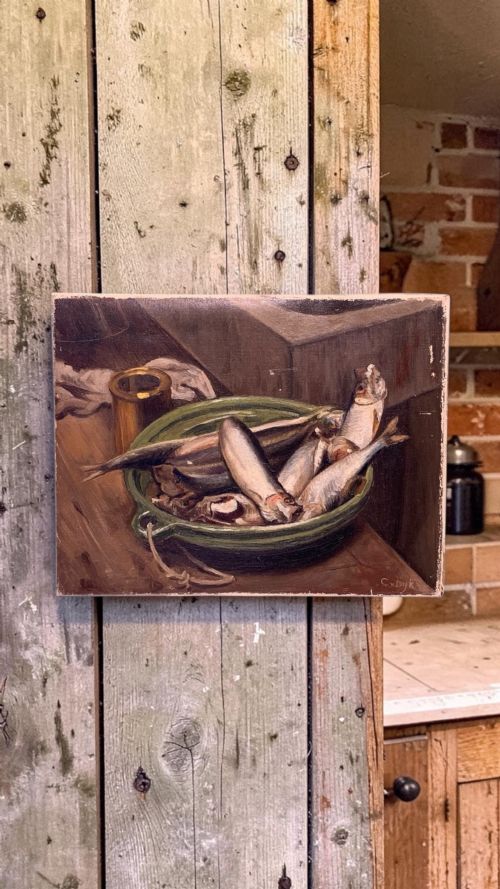
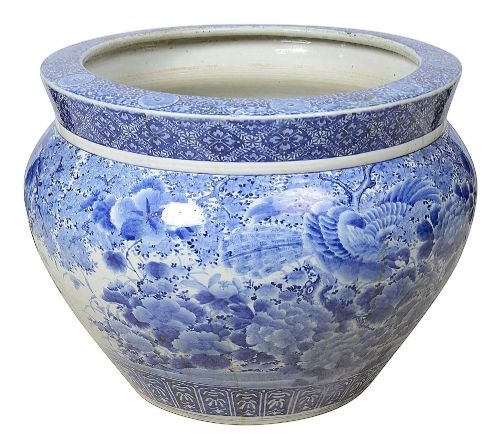
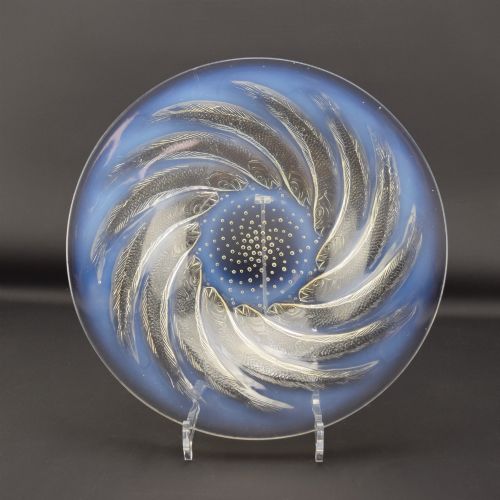
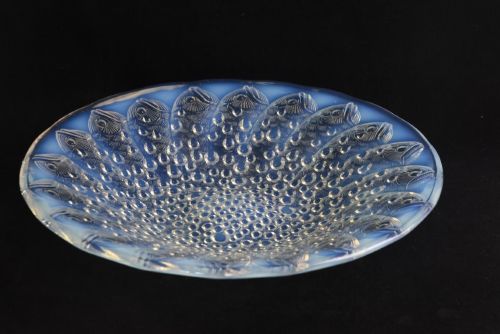
A vintage fish bowl encompasses decorative glass vessels, porcelain jardinieres, and painted dishes from the nineteenth and early twentieth centuries. These objects range from Art Deco opalescent glass creations to traditional blue and white oriental planters.
The pieces on this page lean heavily towards twentieth century glasswork, particularly French production from the nineteen-twenties and nineteen-thirties, alongside nineteenth century Japanese porcelain jardinieres and English bone china serving pieces.
Materials and construction
Makers utilised moulded opalescent glass, cobalt underglaze, and bone china to shape these vessels. Glass pieces often relied on high heat moulding techniques to achieve depth and translucency.
Porcelain and ceramic examples combined traditional throwing methods with detailed hand-painting or cobalt underglaze decoration, followed by high temperature firing.
Vintage Fish Bowl Retail Price Guide 2026
Typical asking prices for vintage fish bowl among the pieces listed under this phrase on Sellingantiques today, from the lower quarter to the upper quarter. They describe what is for sale here now, not the wider market.
Listings feature periods from the nineteenth century through the nineteen-thirties, spanning glass, porcelain, and canvas.
Assessing quality in design and execution
Quality rests in the crispness of the moulded relief on glass or the precision of the cobalt underglaze brushwork on porcelain. Superior examples display clear definition and balanced proportions without distortion.
The handling of opalescent glass dictates its visual success, where shifts in light reveal depth and varied tone rather than a flat surface.
Rene Lalique·Royal Worcester·Sabino
The Vintage Fish Bowl Glossary
- Opalescent Glass
- Glass that milky or translucent appearance with milky blue or amber highlights, often moulded in high relief. This technique creates shifting visual depths when light crosses the surface.
- Jardiniere
- A large decorative pot or bowl used for holding plants or flowers. These items often stand on furniture or pedestals.
- Cobalt Underglaze
- A blue decoration applied to pottery before glazing and firing. This method ensures the pigment remains permanent beneath a glossy protective layer.
- Imari
- A traditional style of Japanese porcelain featuring a distinct palette of cobalt blue, iron red, and gold. Artisans produced these wares primarily for export during the nineteenth century.
Vintage Fish Bowl: Frequently Asked Questions
What is a vintage fish bowl used for?
These pieces function primarily as decorative vessels, centrepieces, or planters rather than active aquariums. Collectors display them to highlight their form and material quality.
Larger ceramic examples suit large floral arrangements or floor placement, while glass bowls sit on tables to catch the light.
Are nineteenth century jardinieres heavy?
Nineteenth century porcelain and ceramic jardinieres are substantial, thick-walled vessels designed to hold damp soil and heavy plants. Their weight gives them stability.
This robust construction helped them survive decades of use in traditional interiors.
What distinguishes Japanese Imari ware?
Japanese Imari porcelain is recognised by its dense ornamentation and distinct palette of underglaze blue and iron red, often accented with gold. The patterns frequently cover the entire surface.
These pieces reflect historic trade patterns and nineteenth century craftsmanship.