




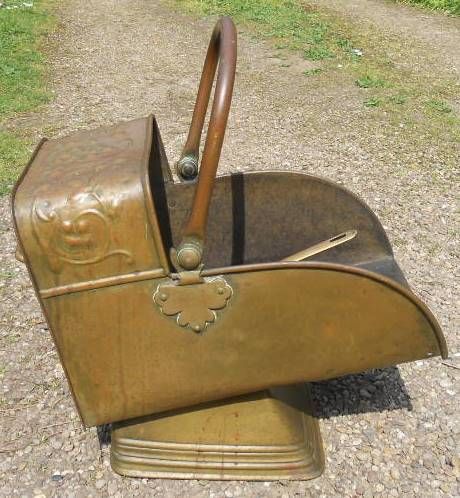

Vintage Fireside Box
A vintage fireside box keeps fuel neat beside the hearth, combining heavy brass, rich mahogany and sturdy oak in practical domestic design.
Vintage Fireside Box
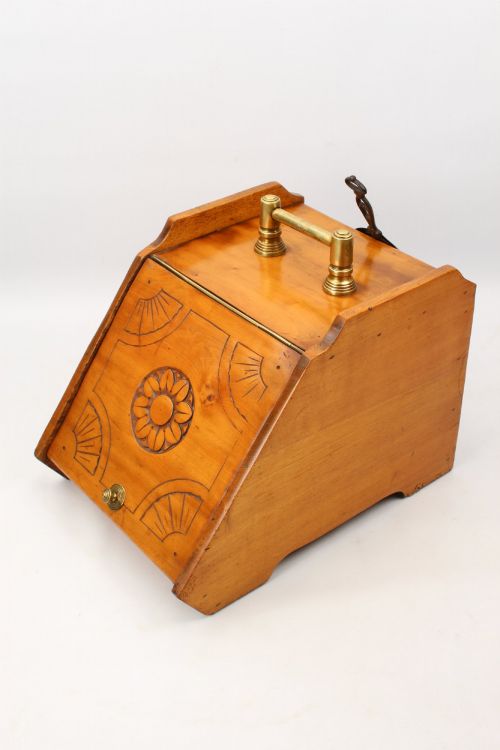
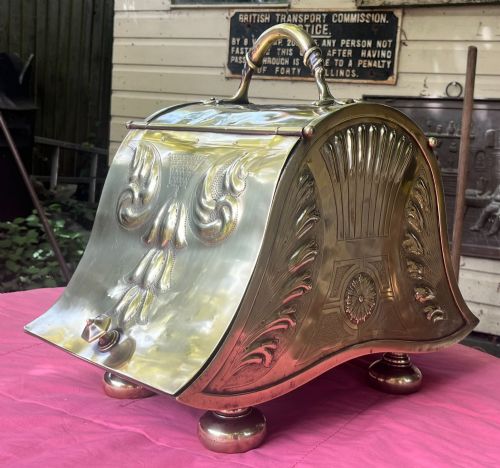
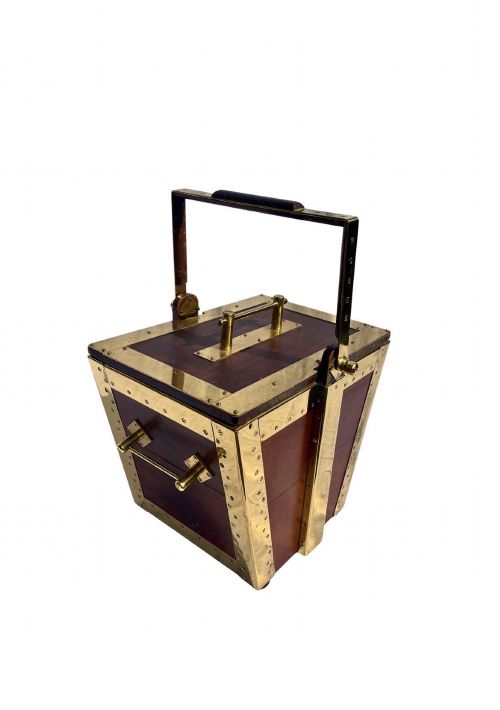
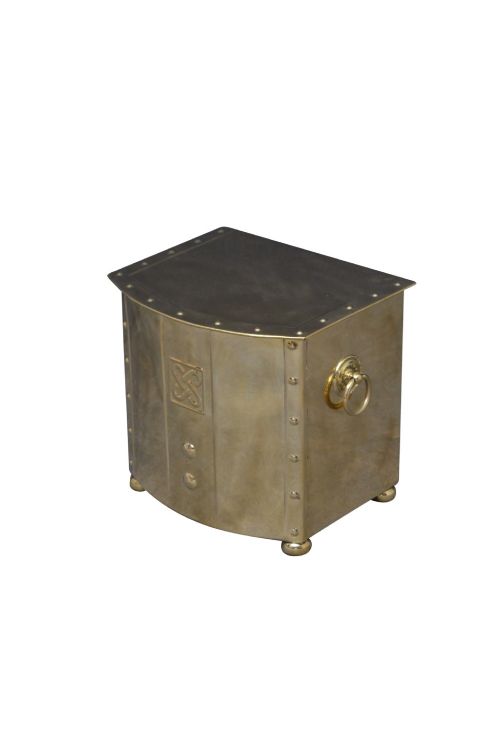
A vintage fireside box serves as a functional container for coal, logs or kindling, designed to sit unobtrusively by a fireplace. The pieces appearing here span the Victorian and Edwardian eras through to the nineteen-thirties, taking forms such as coal boxes, purdoniums, scuttles, bins and log buckets.
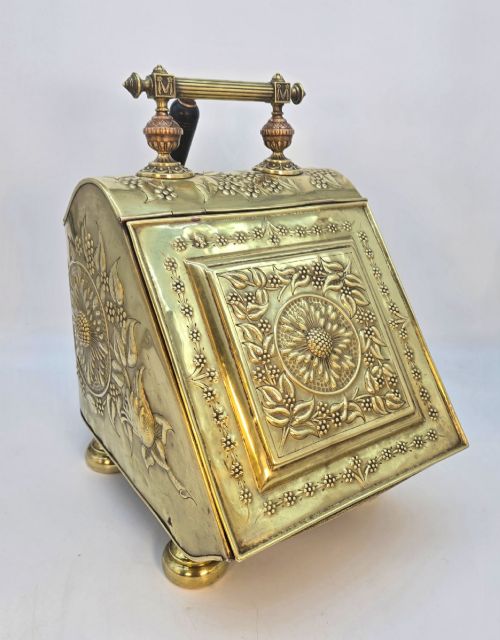
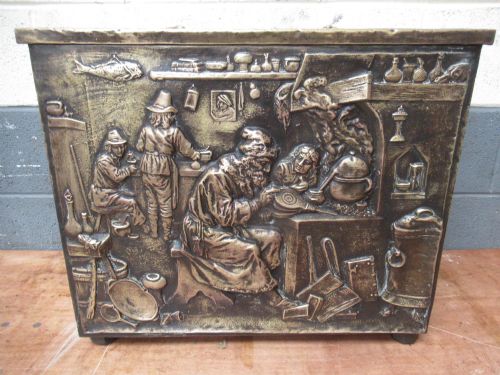
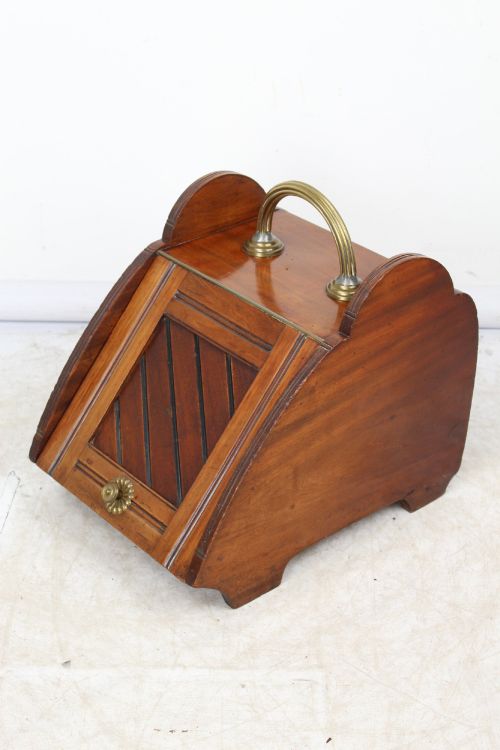
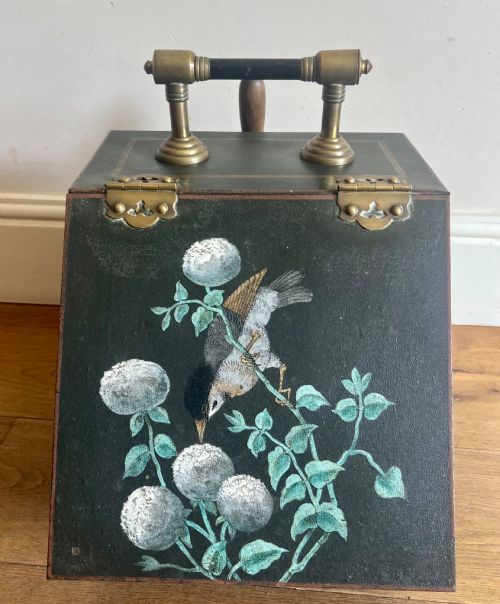
The most common examples on this page are constructed from timber like oak, mahogany and walnut, frequently fitted with hinged lids, drop fronts or sloping scuttle bodies. Metal versions rely on heavy brass, copper, iron and tole ware, often shaped as helmets or cylindrical bins.
Origins stretch across English workshops, French provincial makers and various domestic British cabinet makers. Buyers select them to store fuel while maintaining the decorative order of a period sitting room.
Materials and construction
Makers utilised dense hardwoods such as oak, mahogany and walnut for structural boxes and purdoniums, frequently employing fine carving, panel work and mahogany inlay. Metal counterparts relied on hand-beaten copper, embossed sheet brass and cast iron, sometimes combined with wrought iron fittings.
Many brass and copper examples featured applied metal ornamentation, chased patterns or repoussé panels characteristic of the Arts and Crafts movement. Original removable metal liners and interior coal shovels completed the functional build, designed to withstand daily handling of heavy fuel.
Vintage Fireside Box Retail Price Guide 2026
Typical asking prices for vintage fireside box among the pieces listed under this phrase on Sellingantiques today, from the lower quarter to the upper quarter. They describe what is for sale here now, not the wider market.
Listings feature woods like mahogany, oak, walnut and pine alongside metals including brass, copper and iron.
Assessing quality
Quality rests in the weight of the metals, the choice of timber and the crispness of any carving or metal embossing. Substantial gauge brass, heavy oak framing and intact original liners distinguish superior examples from lighter, purely decorative pieces.
Makers such as Benham and Froud or Henry Loveridge demonstrate the standard set by notable nineteenth-century metalworkers. Refined details like hand-hammered panels, original ceramic or turned wooden handles and tight joinery elevate the overall execution.
BENHAM AND FROUD·Henry Loveridge
The Vintage Fireside Box Glossary
- Purdonium
- A specialised cabinet or box designed to hold coal, typically featuring a sloping front drop-down door to access the fuel. It often includes an internal metal scoop and liner.
- Coal Scuttle
- A bucket or container used for carrying and storing coal by the fireplace. They frequently take helmet shapes or cylindrical forms with swinging handles.
- Tole Ware
- Lacquered or painted sheet metal items popular in domestic settings. These pieces add colour and decorative pattern to utilitarian fireside vessels.
- Repoussé
- A metalworking technique where the metal is hammered from the reverse side to create a raised design on the front. It is widely seen on brass and copper fireside boxes.
- Aesthetic Period
- A late nineteenth-century movement emphasising visual beauty over narrative or moral themes in design. Pieces from this time often display simplified forms and refined surface decoration.
Vintage Fireside Box: Frequently Asked Questions
How do I clean brass and copper?
Maintenance depends on the desired finish, though most collectors prefer to retain a warm, aged patina rather than polishing the metal to a bright shine.
Dust regularly with a soft cloth and avoid abrasive cleaners that can strip away historic surface character.
Are original liners important?
Original metal liners help preserve the interior timber or metal body from moisture and debris associated with coal and logs. Finding a box with its original liner and matching shovel adds considerable authenticity.
Replacements are functional, but matching period interiors remain preferable for collectors.
Where should I place a fireside box?
These boxes sit naturally beside a fireplace, wood burner or hearth as both storage and decorative furniture. Their sturdy construction also allows them to function as small side tables or log holders in living spaces.
Keep them away from direct, excessive heat sources to protect the wood and joints.