




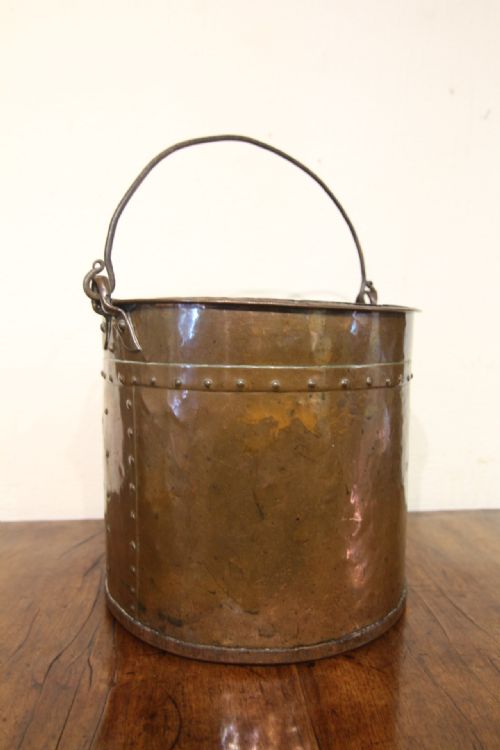


Vintage Fireplace Pot
These vintage fireplace pots span centuries of metalwork, offering sturdy hearth utility and rich decorative character for any interior.
Vintage Fireplace Pot
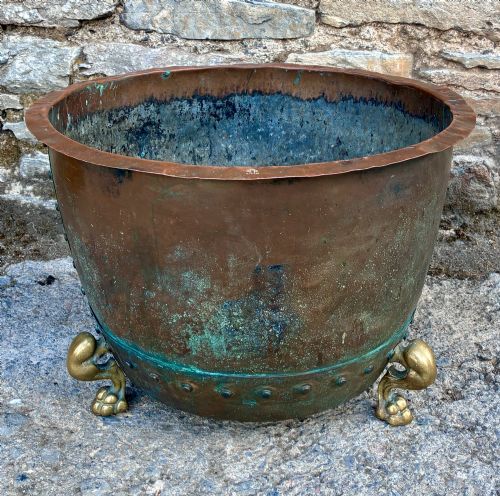
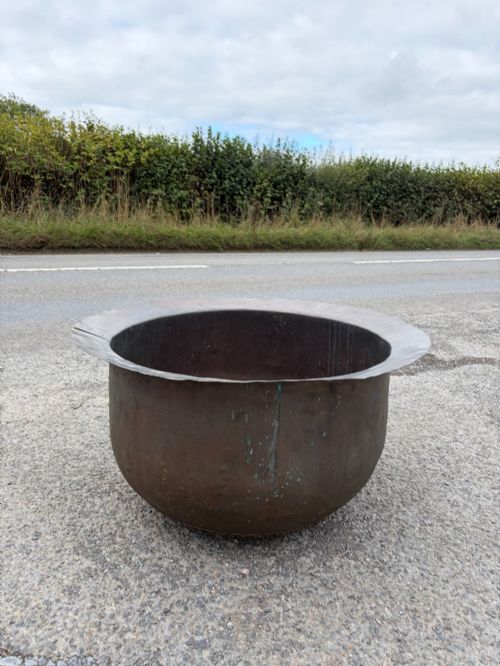
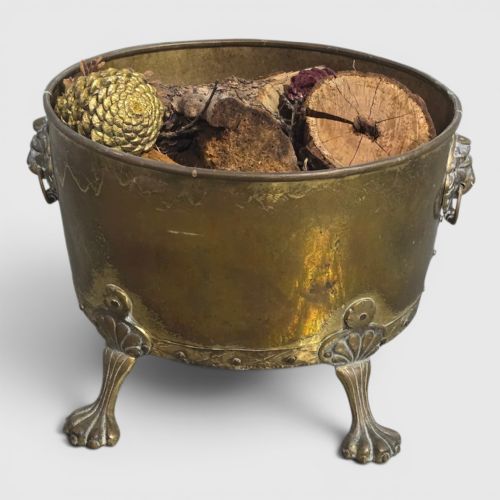
A vintage fireplace pot encompasses heavy metal vessels originally designed for hearth use, cooking, and fuel storage. Buyers searching for a vintage fireplace pot will encounter robust utilitarian items ranging from Georgian brass pans to Victorian copper log bins and cauldrons.
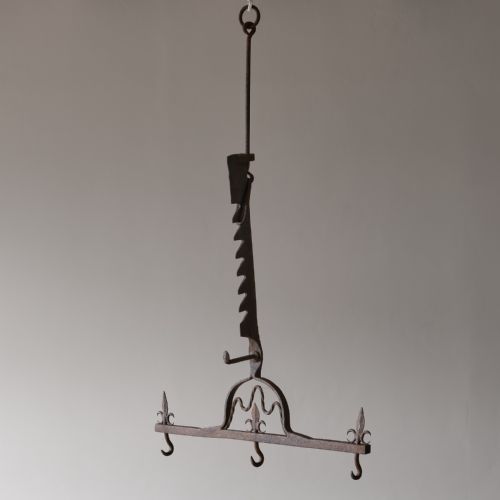
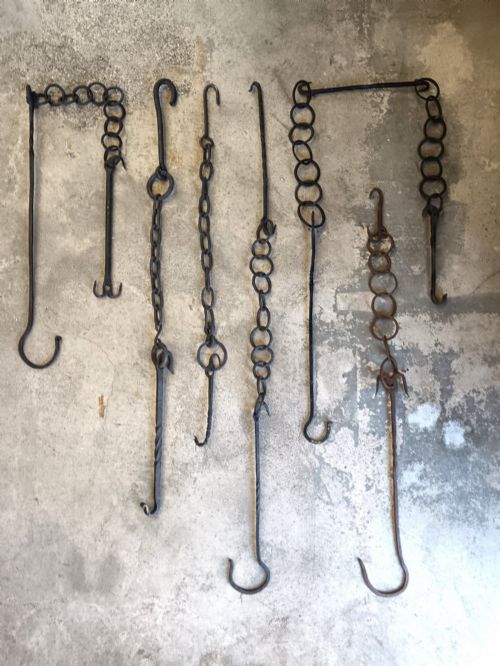
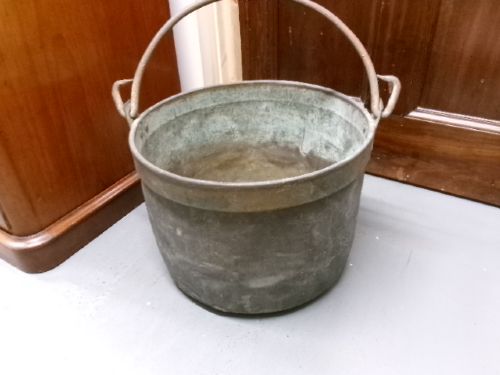
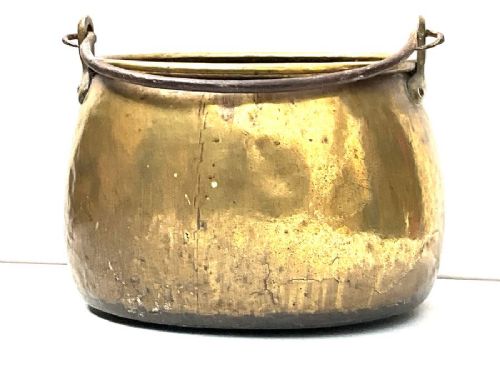
The most common examples on this page are nineteenth century copper pots, brass buckets, and wrought iron chimney trammel hooks. These pieces transition easily from historical hearth accessories to modern garden planters and fireside storage containers.
Origins stretch across Georgian, Victorian, and Edwardian periods, displaying regional influences such as Dutch revival designs and French metalwork. Form follows function closely, resulting in round cauldrons, swing handled buckets, and oval kettles.
Materials and construction methods
Metalworking relies heavily on copper, brass, and wrought iron shaped through hammering, riveting, and hand-forging. Riveted copper boilers and hand-forged chimney jacks demonstrate the physical labour required to produce durable vessels for daily hearth use.
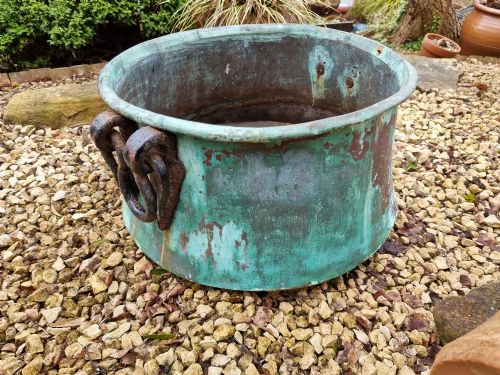
Surface treatments include polished finishes, natural verdigris accumulation, and embossed brass detailing. Iron components provide structural strength for handles and hanging hooks, while softer copper and brass form the main body of the vessel.
Vintage Fireplace Pot Retail Price Guide 2026
Typical asking prices for vintage fireplace pot among the pieces listed under this phrase on Sellingantiques today, from the lower quarter to the upper quarter. They describe what is for sale here now, not the wider market.
Some nineteenth century copper pots arrive with enough accumulated hearth soot to remind you they once boiled water for muddy boots and damp children.
Distinguishing quality in metalware
Quality rests on the integrity of construction, seen in heavy gauge metal, secure hand-driven rivets, and well-forged iron handles. Thicker walls and substantial weight indicate a piece built for heavy domestic service rather than light decorative display.
Proportion and surface finish separate ordinary items from exceptional examples. Pieces retaining original swing handles, uncompromised seams, and honest patination command greater appreciation among collectors.
The Vintage Fireplace Pot Glossary
- Cauldron
- A large metal pot with a rounded bottom and a swing handle, traditionally used over an open hearth for boiling and cooking. Most examples seen here date from the nineteenth century.
- Trammel hook
- An adjustable wrought iron hook hung in a chimney to suspend pots and kettles over the fire at varying heights. These display hand-forged blacksmithing techniques from the eighteenth century.
- Dinanderie
- A term for medieval and later brass and copper wares, often applied here to decorative vessels like cauldrons and planters. The technique involves hammering and shaping base metals into ornate forms.
- Verdigris
- The green patina that naturally forms on copper and brass over long periods of exposure to air and moisture. Collectors often value this surface oxidation for its authentic aged appearance.
- Trivet
- A metal stand or support raised on feet, placed near the fireplace to hold hot kettles or pots off the hearth floor. They appear in brass and iron across Georgian and Victorian periods.
Vintage Fireplace Pot: Frequently Asked Questions
How do I clean a copper fireplace pot?
Maintenance depends entirely on whether you prefer a bright polished finish or an aged appearance with natural verdigris.
Wash the metal gently with warm soapy water and dry thoroughly to preserve the historical surface without stripping its character.
Can these old pots be used outdoors?
Many sturdy metal vessels function exceptionally well as garden planters and log bins.
Ensure proper drainage if planting directly into copper or brass containers to protect the historical metal from prolonged standing moisture.
What is the difference between a cauldron and a log bin?
Cauldron forms typically feature rounded bases and swing handles intended for hearth suspension or direct heating. Log bins are wider, flat-bottomed vessels designed to hold firewood securely beside the hearth.
How can I tell a Georgian pot from a Victorian one?
Georgian metalwork often displays simpler, heavier brass construction or hand-forged iron details suited to eighteenth-century hearths. Victorian pieces frequently incorporate machine rolling, decorative embossing, and diverse alloy treatments.