




Vintage Fireplace Ornament
A vintage fireplace ornament brings character to a hearth, most often through glazed pottery figures, heavy brass items or cast iron work.
Vintage Fireplace Ornament
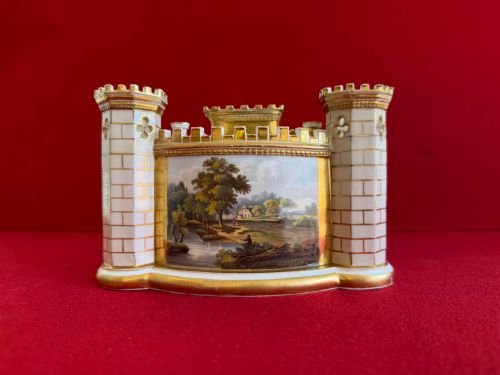
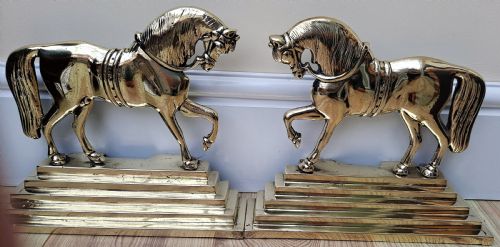
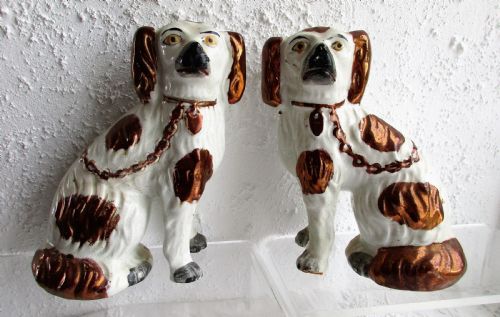
When you search for a vintage fireplace ornament, you encounter a selection centred on nineteenth century earthenware spaniels, heavy brass doorstops and cast iron screens. The earthenware figures frequently appear in pairs, depicting dogs, cats or lions modelled for placement on mantelpieces and hearths.
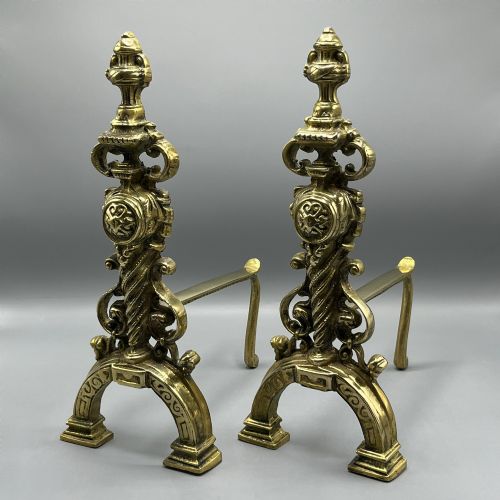
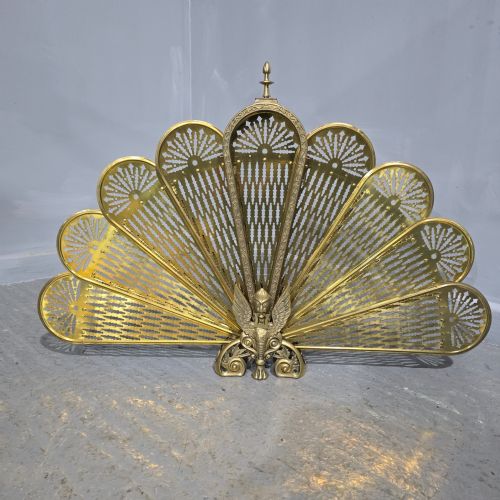
Beyond pottery, the selection encompasses brass andirons, copper fireside ornaments, and folding peacock screens. These metal objects served practical roles around coal and wood fires while providing decorative visual weight to the chimney breast.
Materials and construction
Pottery items are formed from earthenware or terracotta, then finished with hand painted details, metallic copper lustre accents or simple enamel colours over a white glaze. These ceramic pieces rely on traditional moulding techniques common in the nineteenth century.
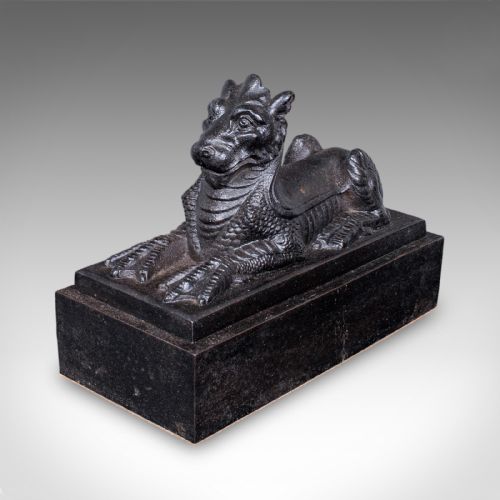
Metal items utilise cast iron, solid brass and copper sheets, shaped through casting, hammering and riveting. Brass components often receive a bright polish or retain a darker historic patina, whilst iron pieces depend on heavy moulding for structural stability.
Listings feature nineteenth century earthenware, cast iron, and solid brass pieces originating from the Victorian and Edwardian eras.
Distinctions in quality
Completeness dictates value in matched pairs and sets, such as pairs of spaniels or companion sets with all original tools. Pieces retaining their original paintwork and uncompromised surface patination command stronger interest from collectors.
The Birmingham Guild
The Vintage Fireplace Ornament Glossary
- Andirons
- Iron or brass supports placed horizontally in a hearth to hold logs above the floor. They are also known as fire dogs.
- Chimney ornament
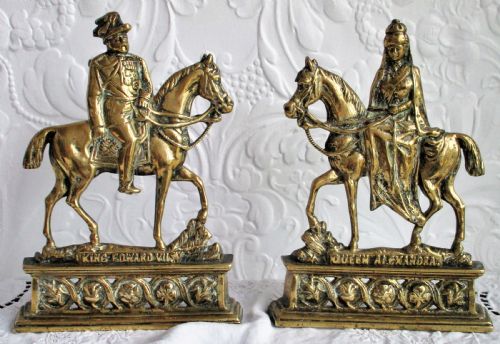
- A decorative object designed specifically to sit upon the mantelpiece above a fireplace. These items include ceramic animals and commemorative brass figures.
- Doorstop
- A heavy weight used to keep doors open, frequently repurposed from cast iron or brass figures originally placed near hearths. Many antique doorstops depict animals or historic personages.
- Earthenware
- Porous pottery fired at relatively low temperatures and usually covered with an opaque glaze. This material forms the base of nineteenth century fireplace figures.
- Copper lustre
- A metallic glaze producing a reflective, coppery sheen on pottery surfaces. It appears frequently on nineteenth century Staffordshire ceramics.
Vintage Fireplace Ornament: Frequently Asked Questions
Where should I place a vintage fireplace ornament?
These pieces sit naturally on mantelpieces, hearths or flanking the opening of a fireplace. Figures work well on flat ledges, while metal screens and tools occupy the hearth floor.
Ensure that active open fires do not damage delicate glazed ceramics or painted surfaces by keeping pottery at a safe distance from excessive heat.
How do I clean antique brass and copper?
Dust metal items gently with a dry cloth to preserve their historic surface finish. Avoid harsh chemical polishes that strip away age patination.
Light cleaning maintains the integrity of nineteenth century brass and copper without removing the character accumulated over decades of use.
Are Staffordshire pottery dogs always found in pairs?
Many nineteenth century ceramic dogs were produced and sold as mirror image pairs to sit at either end of a mantelpiece. Single pieces do appear independently.
When purchasing a pair, check that the size, stance and painted markings correspond closely, as individual figures were sometimes separated over time.
What is the difference between an andiron and a fire dog?
Andirons and fire dogs are largely synonymous terms for the heavy metal supports used in open hearths to elevate firewood. Both terms describe functional iron or brass structures.
In practical use, decorative versions often face outward into the room, combining utility with ornamental appeal during periods when the fireplace sat unlit.