



Vintage Firearm
A vintage firearm is a tangible piece of military and civilian history, spanning flintlocks to early revolvers.
Vintage Firearm
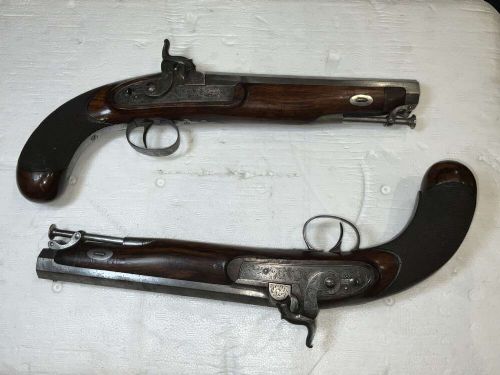
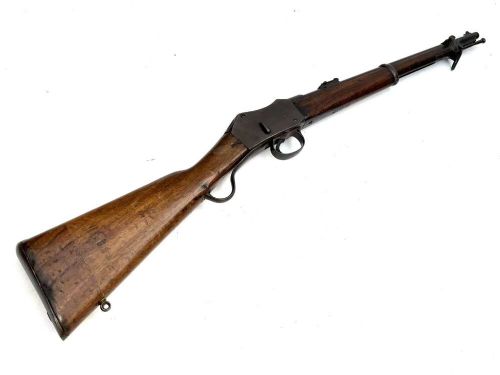
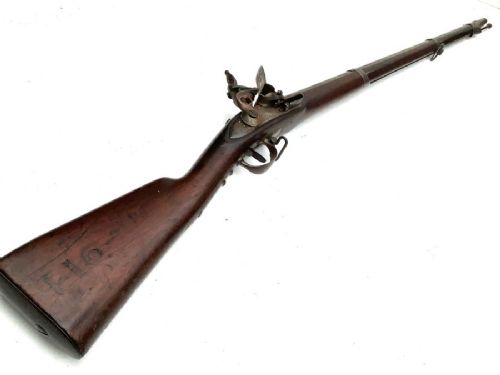
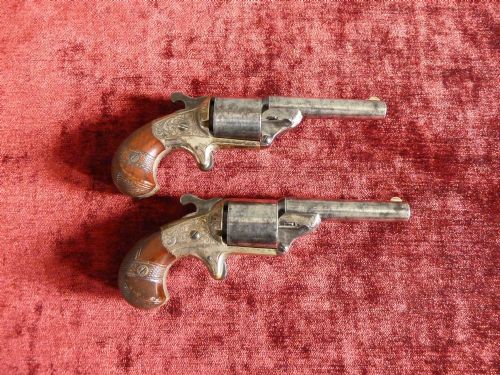
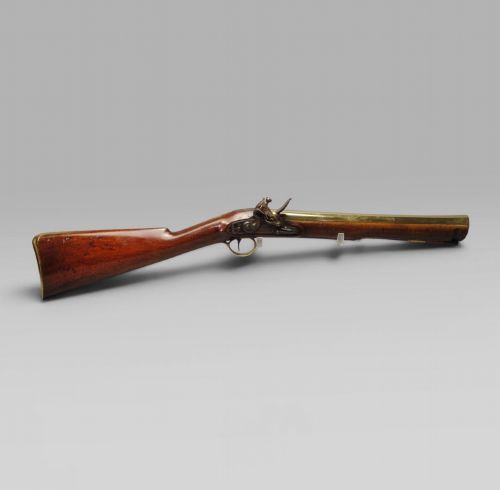
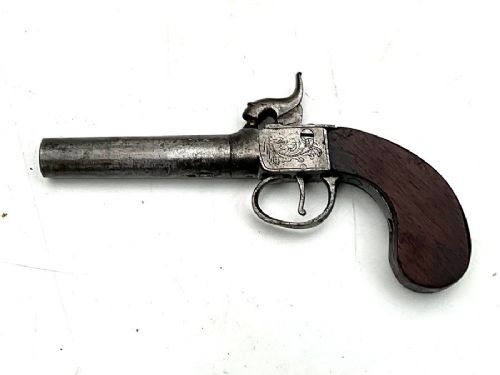
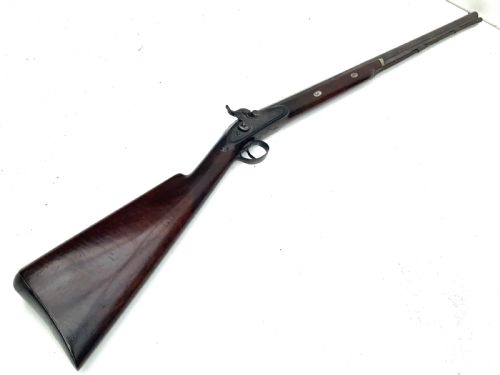
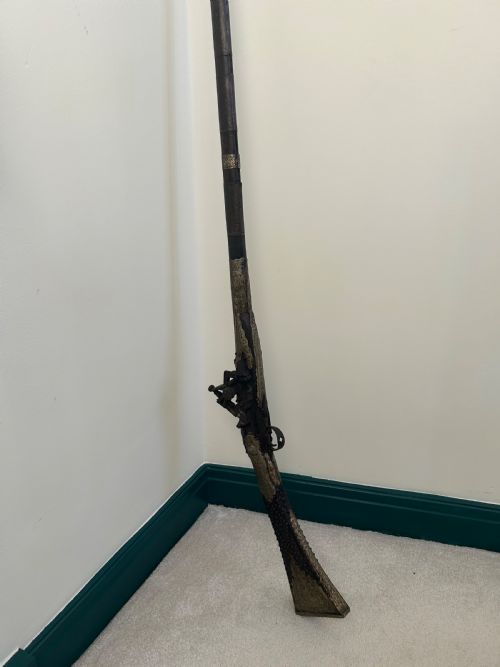
When you search for a vintage firearm, you encounter a range of functional arms and accessories dating from the eighteenth century through to the late nineteenth century. These objects include flintlock blunderbusses, percussion pocket pistols, and military rifles used by various forces.
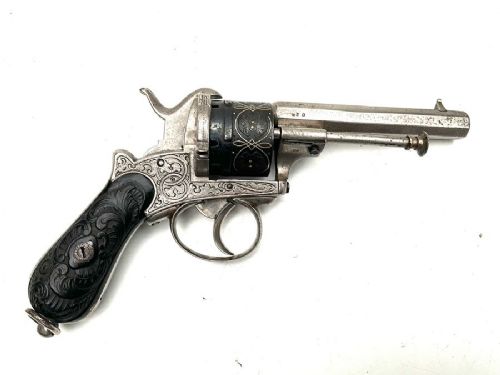
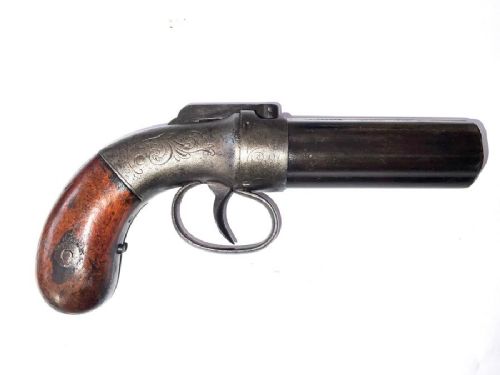
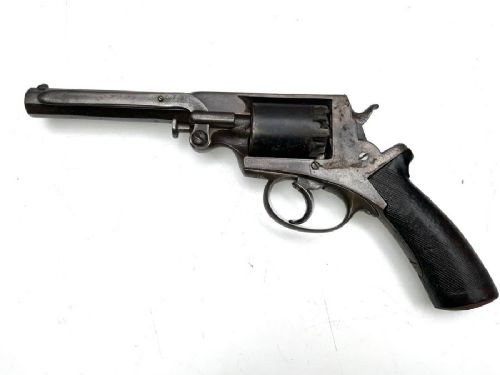
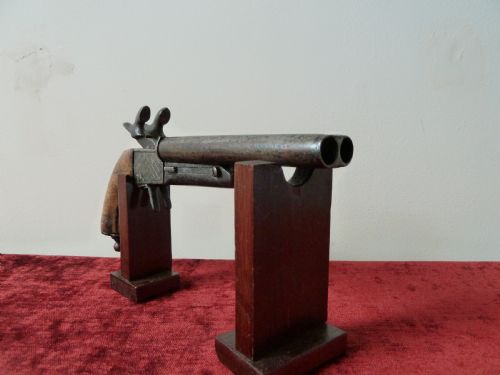
The selection here encompasses forms such as single-shot holster pistols, pepperbox revolvers, and pinfire double barrels. Origins span British, French, American, and Ottoman workshops, reflecting the diverse military and civilian needs of past centuries.
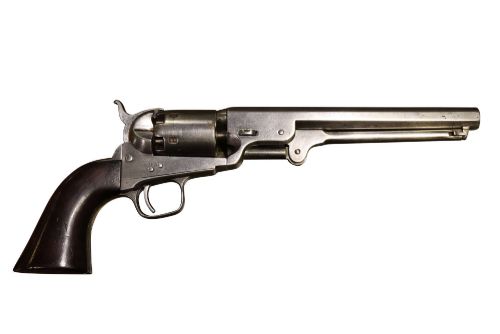
Most pieces you meet on this page belong to the nineteenth century, particularly the percussion era of the 1850s and 1860s. Alongside pistols and rifles, you also find related militaria such as horn powder flasks with brass fittings.
Materials and construction
Constructed primarily from steel, iron, and brass, these arms utilise durable metals for barrels, locks, and mounts. Stocks are fashioned from dense timbers like walnut and ebony, providing structural integrity and a solid grip.
Many specimens incorporate decorative and functional details such as silver inlay, velvet lining in boxed sets, and brass barrels. Mechanical systems range from flintlock ignition mechanisms to percussion caps and pinfire cartridges.
Vintage Firearm Retail Price Guide 2026
Typical asking prices for vintage firearm among the pieces listed under this phrase on Sellingantiques today, from the lower quarter to the upper quarter. They describe what is for sale here now, not the wider market.
Listings feature steel, brass, and iron hardware paired with walnut and ebony stocks across the eighteenth and nineteenth centuries.
Distinctions in quality
Quality in these arms rests on the crispness of the lock mechanism, the legibility of maker signatures, and the integrity of the stock timber. Finer examples display precise metal engraving, matching serial numbers, and well-preserved brass or silver mounts.
Pieces produced by known makers or designated military contractors often exhibit superior fit and finish compared to standard utility arms. Preserved accessories and original fitted boxes elevate the completeness and historical standing of a piece.
John Manton & Son·Harrison of London·Mortimer·Allen & Thurber·Timothy Hughes·Auguste Francotte
The Vintage Firearm Glossary
- Flintlock
- An ignition mechanism utilising a piece of flint held in a cock to strike a steel frizzen, creating sparks to ignite the priming powder. This system dominated firearms from the seventeenth to the early nineteenth century.
- Percussion cap
- A small metal cup containing fulminate of mercury placed on a nipple, which explodes when struck by the hammer to ignite the powder charge. It replaced the flintlock system in the nineteenth century.
- Blunderbuss
- A muzzle-loading firearm with a flared barrel designed to scatter shot at close range. It was widely used by coach guards and military officers.
- Pepperbox
- A multi-barrelled repeating firearm where several barrels rotate around a central axis to fire successive shots. Allen & Thurber produced notable examples of this design.
- Pinfire
- An early metallic cartridge featuring a percussion pin protruding radially from the base of the cartridge case. The hammer strikes this pin to fire the round.
Vintage Firearm: Frequently Asked Questions
How do flintlock and percussion systems differ?
Flintlock mechanisms use a flint striking a steel frizzen to generate sparks that ignite external powder. Percussion systems rely on a hammer striking a cap placed on a nipple to ignite internal powder.
The percussion system offered faster ignition and greater reliability in wet weather, largely replacing the flintlock during the nineteenth century.
What were powder flasks used for?
Powder flasks stored loose gunpowder safely and allowed users to measure out precise charges for muzzle-loading firearms. They were essential field accessories for shooters before the widespread adoption of self-contained cartridges.
Many featured adjustable nozzles to regulate the volume of powder dispensed for different calibres and loads.
How do I identify a military pistol?
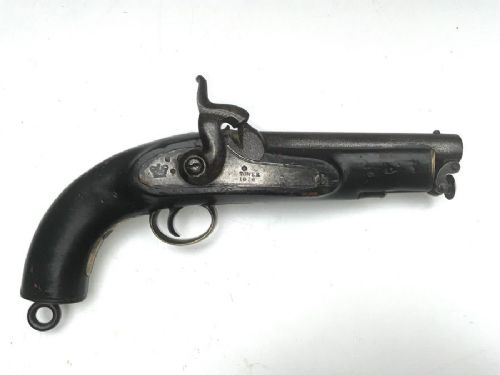
Military pistols typically feature government inspection stamps, standardised parts, and contractor markings such as Tower or U.S. property stamps. They were built for rugged service rather than ornate civilian display.
Common forms include cavalry and belt pistols issued to troops during conflicts like the American Civil War or the Napoleonic Wars.
Can I fire a vintage firearm?
Most antique arms listed here are collected as historical artefacts rather than active shooters. Assessing the safety and operational viability of an antique mechanism requires specialist gunsmith inspection.
Many jurisdictions regulate obsolete calibre and antique arms under specific legal frameworks regarding possession and firing.