





Vintage Fire Shovel
A vintage fire shovel is a practical hearth implement forged from brass, steel, or iron, ready to tend coal fires with period character.
Vintage Fire Shovel
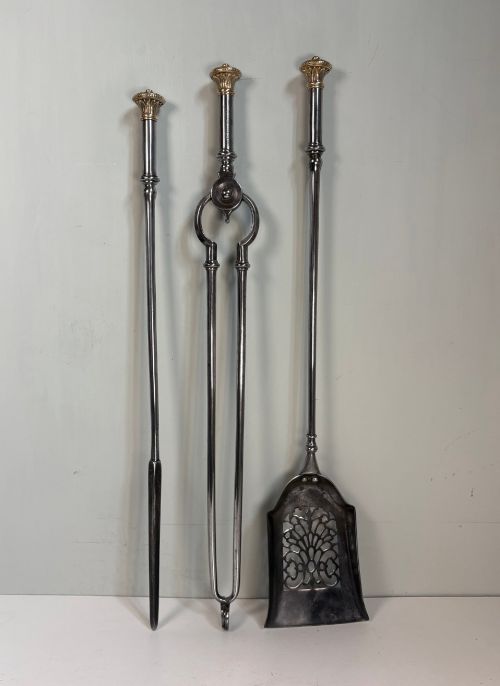
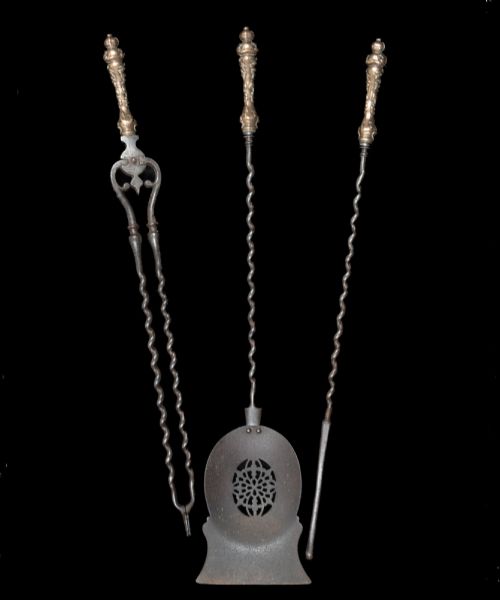
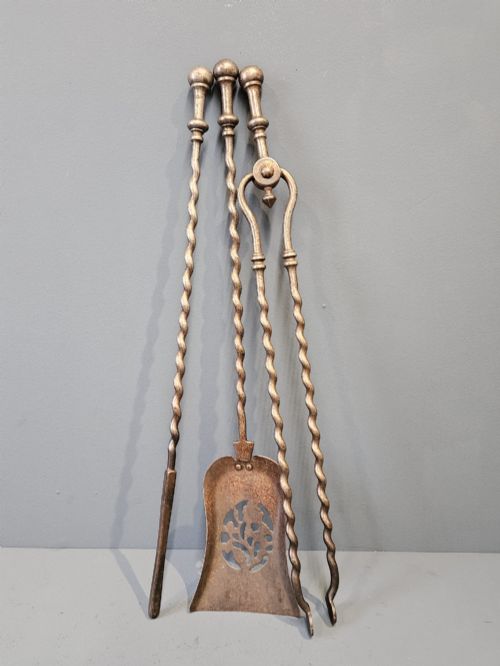
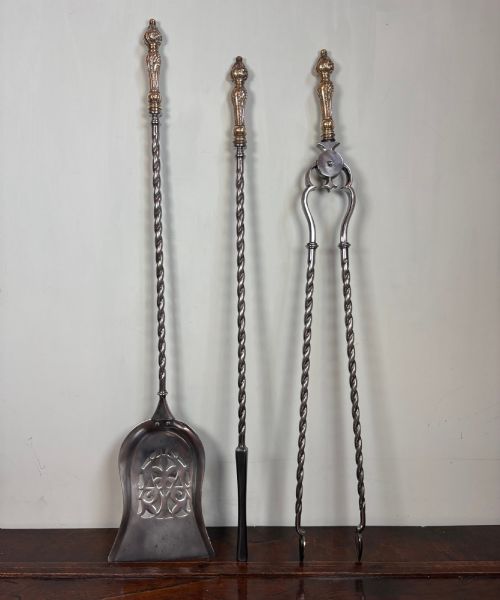
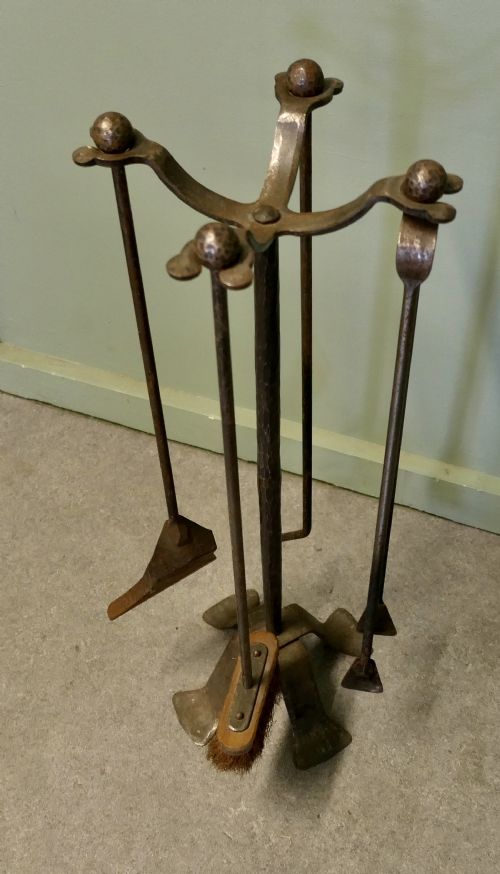
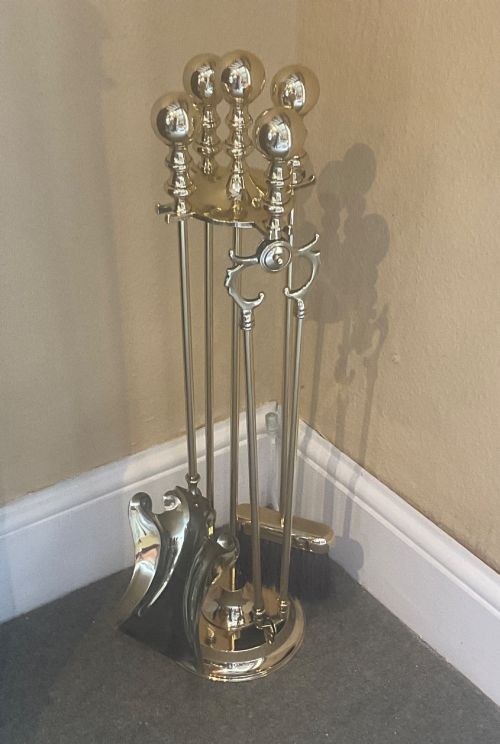
A vintage fire shovel forms part of wider fireplace accessories and companion sets, often encountered alongside pokers and tongs. These implements emerge from periods spanning the Georgian era through to the Victorian, Edwardian, and Arts and Crafts movements.
Most examples appear in brass or polished steel, occasionally combined with iron or gunmetal for durability at the hearth. They take forms ranging from simple country house utilities to ornate Rococo styles and rope twist handles.
Buyers looking for a vintage fire shovel will find single items as well as pieces grouped into larger sets with fire dogs or fenders. Their origins cross English country houses and French country workshops.
Materials and construction methods
Makers utilised brass and burnished steel as primary metals, shaping them through casting and hammering to create durable blades and slender stems. Wrought iron and gunmetal also appear, providing heavier alternatives for robust use.
Handles often incorporate decorative details like rope twists or period-specific motifs cast directly into the metal. Construction relies on traditional joinery methods suited to high-heat hearth environments.
Vintage Fire Shovel Retail Price Guide 2026
Typical asking prices for vintage fire shovel among the pieces listed under this phrase on Sellingantiques today, from the lower quarter to the upper quarter. They describe what is for sale here now, not the wider market.
Materials span solid brass, polished steel, wrought iron, and gunmetal, frequently paired in matching companion sets.
Assessing quality and craftsmanship
Quality rests in the weight of the metal and the firmness of the join between handle and shovel blade. Heavy gauge brass and properly polished steel distinguish superior pieces from lighter utilitarian versions.
Refinement in the casting of details, such as Rococo curves or crisp rope twist handles, separates standard hearth tools from those produced with artistic ambition.
The Vintage Fire Shovel Glossary
- Companion set
- A matched group of fireplace tools, usually including a shovel, poker, and tongs, often arranged together on a stand or with fire dogs.
- Burnished steel
- Steel that has been mechanically polished to a bright, reflective finish, common in 19th-century hearth equipment.
- Rococo style
- A decorative design approach characterised by asymmetry, scrollwork, and ornate curves, seen on select brass companion sets.
- Arts and Crafts
- A design movement prioritising visible craftsmanship and honest materials, reflected in simpler, sturdier fire tool construction.
Vintage Fire Shovel: Frequently Asked Questions
How do I clean a brass fire shovel?
Clean brass surfaces with a soft cloth and a gentle metal cleaner formulated to preserve historic patinas without stripping the underlying detail. Avoid abrasive pads that scratch the polished finish.
Regular dusting keeps soot and ash from accumulating in the recessed patterns of decorated handles.
Can I use these shovels with an open fire?
Many vintage fire shovels remain robust enough for daily use with coal or wood fires, particularly heavier steel and iron examples. Lighter decorative brass pieces suit modern hearths primarily as display items.
Check the weight and handle security before putting older tools to active service.
What is a companion set?
A companion set gathers the essential tools needed to manage a solid fuel fire into a unified assembly. These sets typically combine the shovel with pokers and tongs.
They coordinate in material and style, often sharing specific handle designs or metal pairings like brass and steel.
How do I date a fire shovel?
Dating relies on observing material choices, manufacturing techniques, and stylistic markers such as Victorian Rococo curves or Arts and Crafts simplicity. Georgian and early 19th-century pieces often display burnished steel and distinct hand-forged joinery.
Comparing the shovel to documented companion sets from the same era helps narrow its period of origin.