



Vintage Fire Basket
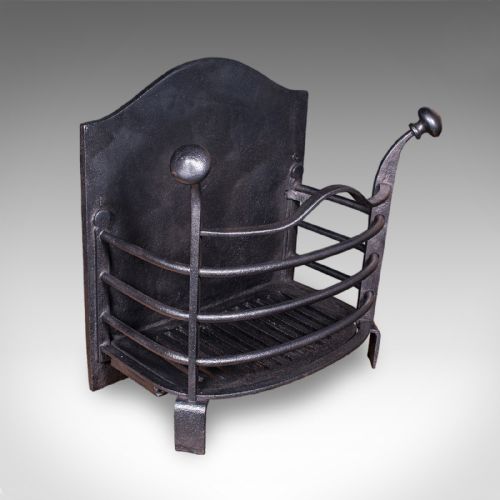
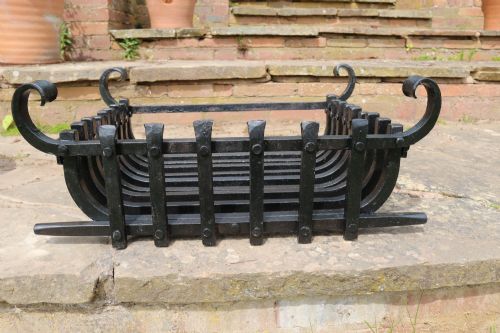
A vintage fire basket brings solid metalwork and period character to a hearth, offering a practical hearth centrepiece built to burn fuel safely.
Vintage Fire Basket
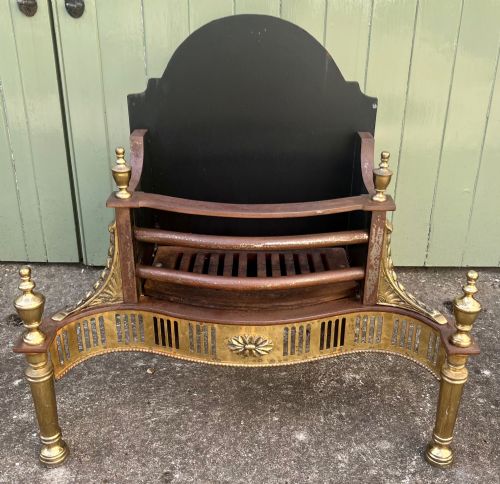
A vintage fire basket centres on heavy metal construction designed to hold solid fuel within a fireplace or as a freestanding hearth unit. These pieces span the Victorian, Georgian, and Regency eras alongside Arts and Crafts and Gothic Revival interpretations.
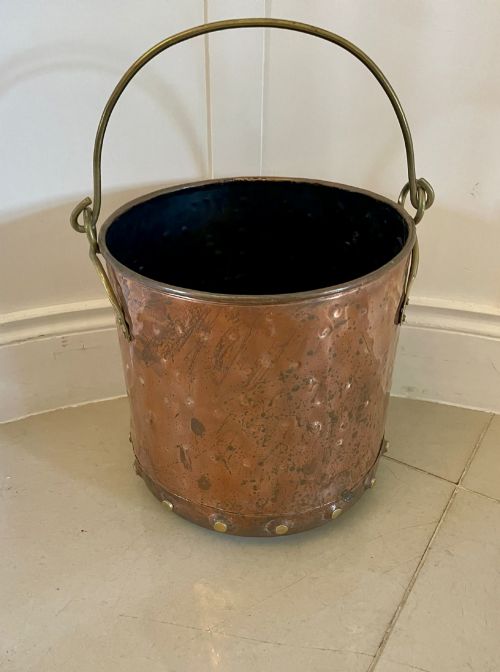
The most common forms on this page include cast iron and brass grates, often accompanied by andirons, fenders, and matching log bins or coal buckets in copper and leather. The design vocabulary ranges from simple rustic farmhouse grates to ornate Adam style and Neo Gothic ironwork.
Materials and construction methods
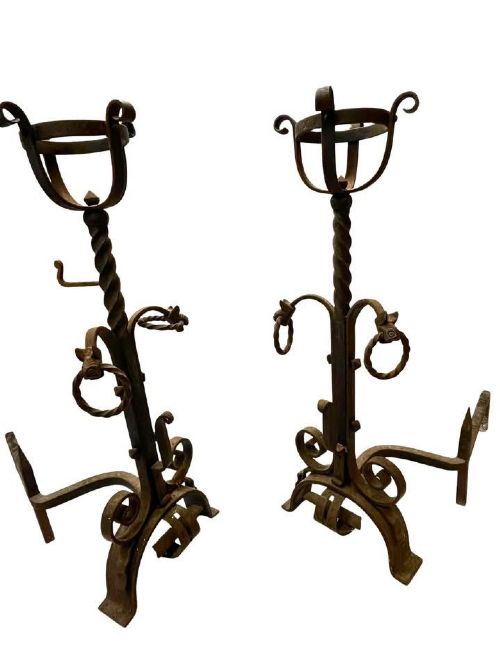
Makers utilised cast iron and wrought iron for the structural baskets and grates, providing the high thermal mass needed to withstand continuous coal or wood fires. Brass and copper components, including decorative studs and mountings, added polished contrast against the dark iron.
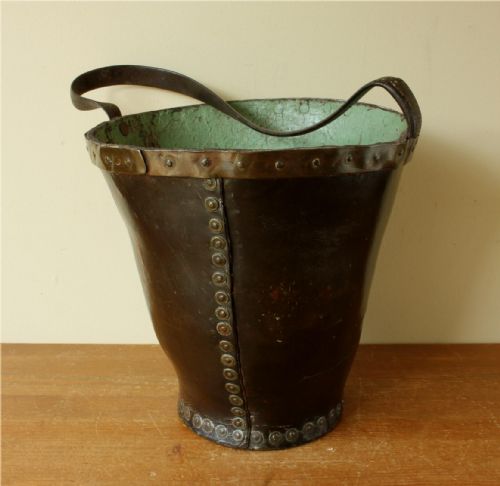
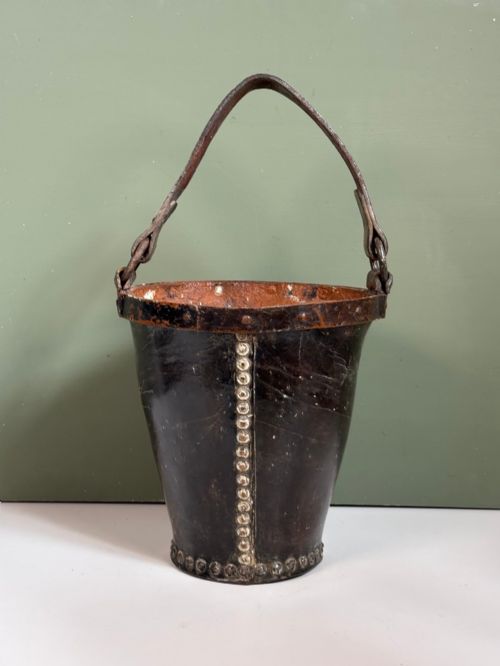
Alternative materials appear in related hearth furniture, notably boiled leather and oak, utilised for robust log bins and fire buckets fitted with riveted seams.
Vintage Fire Basket Retail Price Guide 2026
Typical asking prices for vintage fire basket among the pieces listed under this phrase on Sellingantiques today, from the lower quarter to the upper quarter. They describe what is for sale here now, not the wider market.
The listings show a strong presence of 19th-century copper log bins alongside cast iron fire baskets dated from the Georgian era through the Arts and Crafts movement.
Distinctions in construction and detail
Quality rests in the weight of the casting and the crispness of decorative detailing, particularly in cast iron grates and brass mounts. Heavier gauge metal and secure riveting separate robust utility pieces from lighter decorative iterations.
The integrity of secondary materials, such as tight copper riveting on leather buckets and solid firebrick linings within grates, defines the standard of manufacture across different workshop traditions.
The Vintage Fire Basket Glossary
- Fire basket
- An open metal grate designed to hold coal or wood logs for burning in a fireplace. These units sit either within an existing hearth or stand freely.
- Andiron
- One of a pair of horizontal metal supports placed in a fireplace to hold logs above the hearth floor. They frequently accompany fire baskets in period fireplace sets.
- Fireback
- A heavy cast iron plate placed at the back of an open fireplace to reflect heat into the room and protect the masonry wall. They often feature moulded floral or heraldic designs.
Vintage Fire Basket: Frequently Asked Questions
How do I choose the right size fire basket?
Measure the internal width and depth of your fireplace opening carefully to ensure adequate clearance around the basket for airflow and safety. Freestanding models require sufficient hearth space in front of the grate.
Consider the scale of the mantel and surround when selecting a basket, ensuring the proportions match the architectural period of the room.
Can these vintage fire baskets burn real fires?
Many cast iron baskets are built from heavy metal intended for solid fuel combustion, though internal firebrick linings should be checked for soundness before use.
Some decorative or lighter period examples serve primarily as hearth furnishings or display pieces rather than active burning grates.
What is the difference between a fire grate and a fire basket?
A fire grate typically refers to a flat or slightly raised iron framework for burning fuel, while a fire basket incorporates sides and an integrated container structure.
Both forms share similar Victorian and Georgian origins, often paired with matching andirons and fenders.
How do I clean and maintain copper log bins?
Dust copper surfaces regularly with a soft cloth and avoid abrasive cleaners that can strip the natural aged patina developed over decades.
Leather buckets and bins benefit from occasional conditioning to keep the hide supple while preserving riveted brass details.