



Vintage Filing Cupboard
These vintage filing cupboards are practical storage solutions built to last, offering character and utility for the modern home or office.
Vintage Filing Cupboard
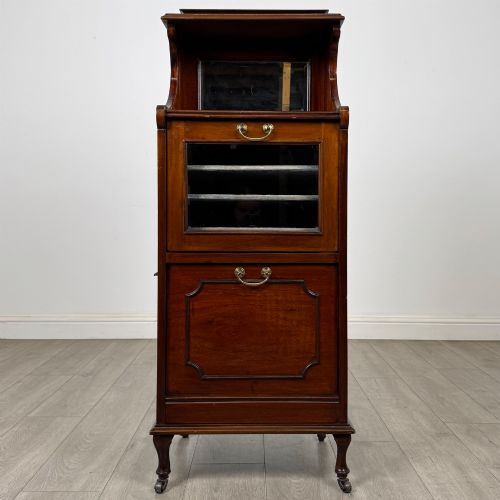
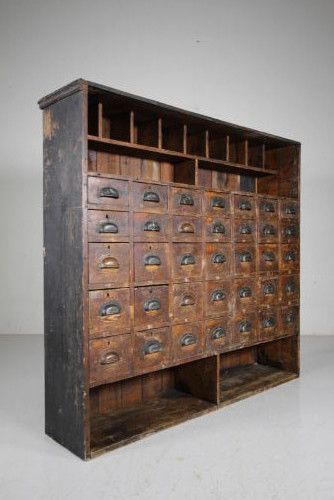
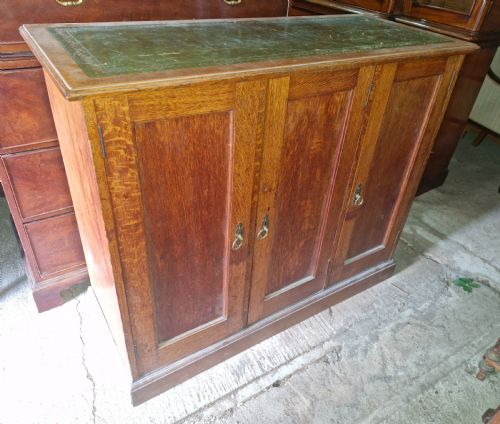
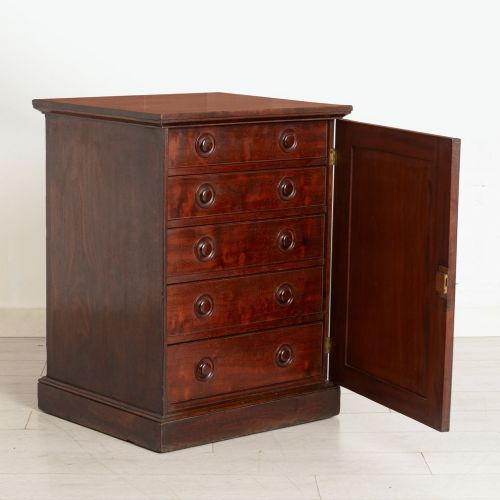
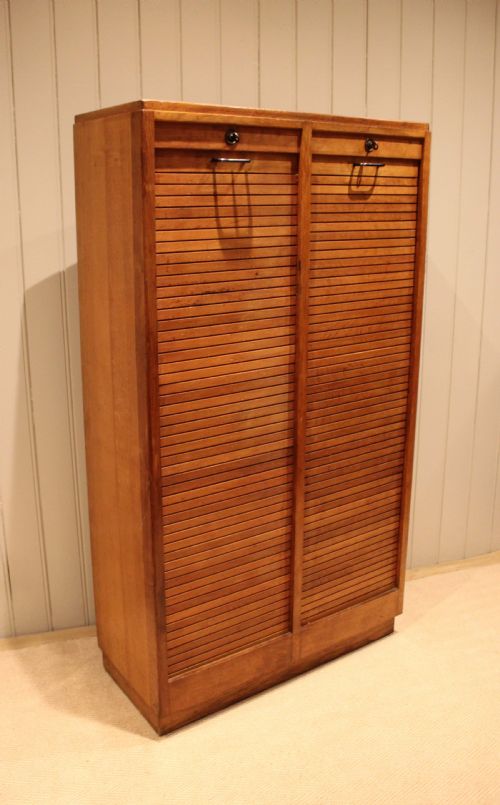
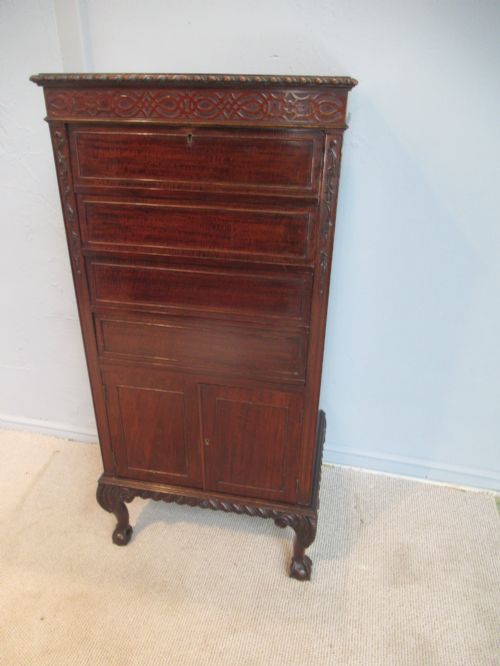
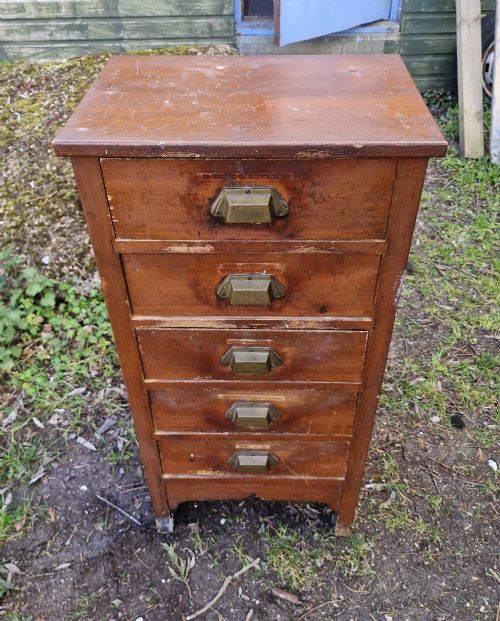
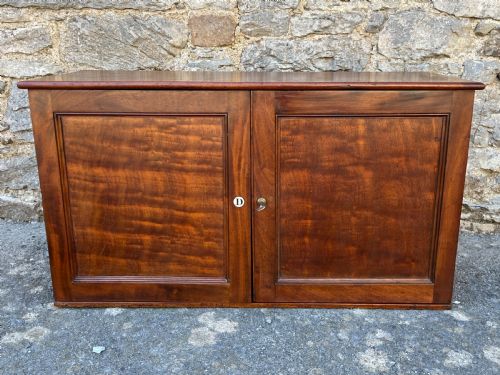
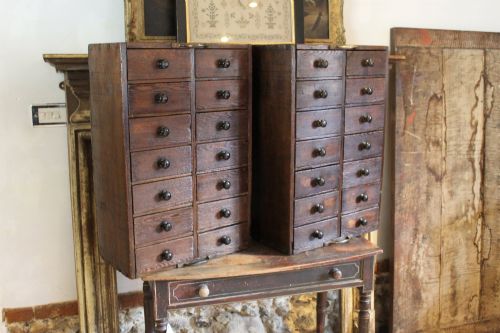
When you search for vintage filing cupboard, you encounter practical storage pieces designed for documents and office use, spanning the nineteenth century through to the early twentieth century. These items include banks of drawers, music cabinets, and tambour door cupboards originating from English, French, and American workshops.
Originating largely from the Victorian, Edwardian, and 1930s periods, these items reflect the administrative and musical storage needs of their respective eras. Their forms vary from utilitarian office furniture to more refined polished walnut and mahogany pieces.
How they were made
Construction relies heavily on solid timbers such as oak, mahogany, walnut, and pine, chosen for their durability and grain. Cabinetmakers utilised traditional joinery methods to ensure the framework could support the weight of heavy paper files and ledgers.
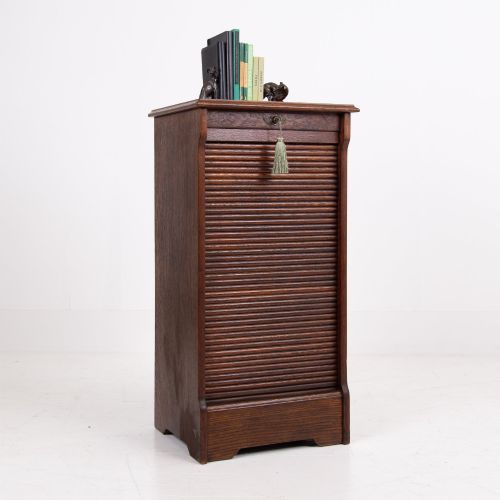
Hardware played a crucial functional role, with manufacturers outfitting doors and drawers with brass handles, cast iron brackets, and specialised locking mechanisms. Tambour fronts were constructed from narrow strips of wood glued to canvas backing to allow flexible movement around curved tracks.
Vintage Filing Cupboard Retail Price Guide 2026
Typical asking prices for vintage filing cupboard among the pieces listed under this phrase on Sellingantiques today, from the lower quarter to the upper quarter. They describe what is for sale here now, not the wider market.
Some nineteenth century cabinets hid patented letter systems inside, designed to keep office secrets safe from prying junior clerks.
What varies in quality
The caliber of a piece often rests on the selection of timber and the complexity of its mechanism, such as smoothly operating tambour doors or patented letter filing systems. Superior examples demonstrate precise dovetail joinery and retain their original hardware and polished finishes.
Proportion and utility differentiate standard utilitarian office furniture from finer domestic variants like music cabinets or shop chests. The integrity of internal fittings, leather accents, and brass work significantly influences the overall character of the piece.
The Vintage Filing Cupboard Glossary
- Tambour door
- A flexible door made from narrow wooden slats attached to a fabric backing, allowing it to slide smoothly around a curved cabinet track. This ingenious mechanism saves space in tight office environments.
- Cartonniere
- A decorative piece of furniture containing multiple compartments or drawers specifically designed for sorting papers and correspondence. These French pieces often incorporate leather detailing.
- Bank of drawers
- A large assembly of numerous small drawers stacked in tiers, originally used for organising documents, sheet music, or haberdashery items. They provide substantial compartmentalised storage.
- Military filing cabinet
- A robust storage piece traditionally constructed with portability and durability in mind for use in field offices or on campaigns. These items often feature reinforced brass corners and sturdy drop handles.
Vintage Filing Cupboard: Frequently Asked Questions
What were music cabinets used for?
Music cabinets were originally manufactured to store sheet music, scores, and songbooks within Victorian and Edwardian drawing rooms. Their shallow drawers and internal shelving kept fragile paper items flat and organised.
Over time, these versatile pieces transitioned into domestic use for organising letters, stationery, and small household items. Their refined proportions make them popular today as compact bedside tables or hallway storage.
How do tambour doors work?
Tambour doors operate by sliding along recessed tracks cut into the sides of the cabinet frame. The door consists of vertical wooden slats glued to a flexible canvas backing, enabling it to curve around corners.
This clever design allows the door to disappear completely into the body of the cabinet when opened. It provides full access to the interior without requiring clearance space for hinged doors.
How do I identify a Victorian filing piece?
Victorian pieces are typically identified through their dense timbers like mahogany and walnut, combined with hand-cut dovetail joints and heavy brass hardware. Stylistic cues often align with the revival tastes of the nineteenth century.
Look for construction methods predating modern sheet materials, such as solid secondary woods and hand-finished backboards. Maker's marks or patent plaques can occasionally provide exact chronological clues.
Can I use an antique office cabinet at home?
Antique office cabinets integrate easily into modern living spaces by providing concealed storage for paperwork, electronics, or everyday clutter. Their compact footprints suit contemporary room dimensions while adding historical warmth.
Drawer depths and internal dimensions vary by period, so measuring your specific items before purchase is advisable. Maintenance involves simple waxing to preserve the original timber finishes against daily wear.