

Vintage Figure Sketch
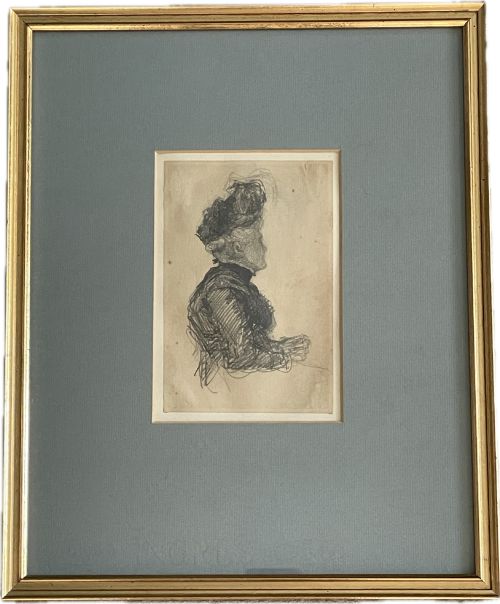
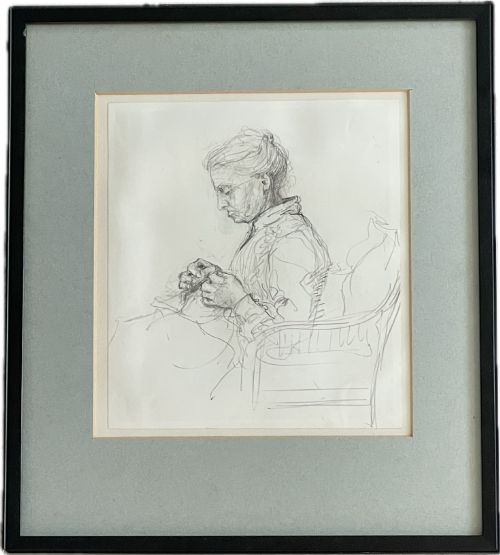
A vintage figure sketch captures the immediacy of human form and character, offering direct insight into an artist's hand through rapid line and tone.
Vintage Figure Sketch
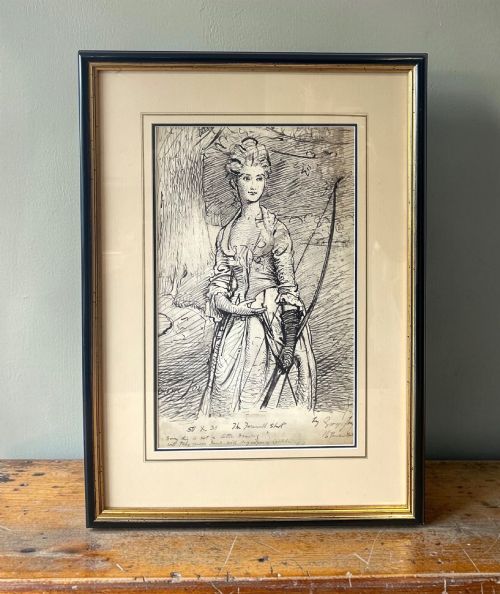
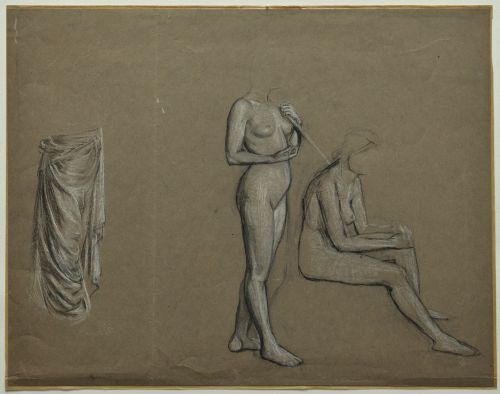
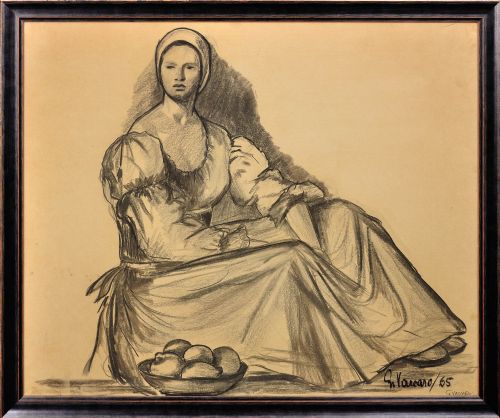
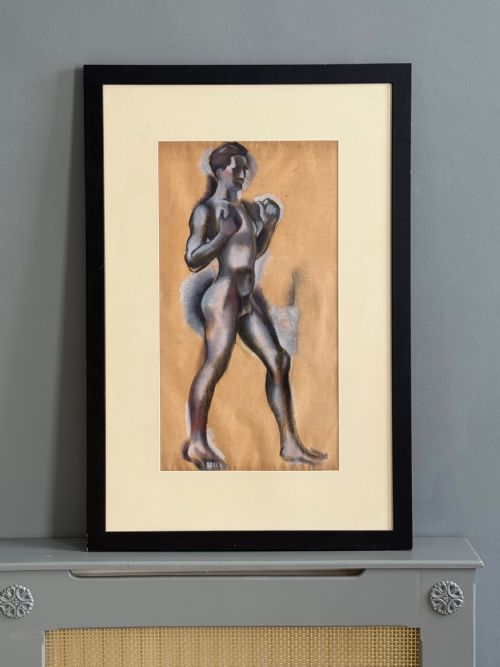
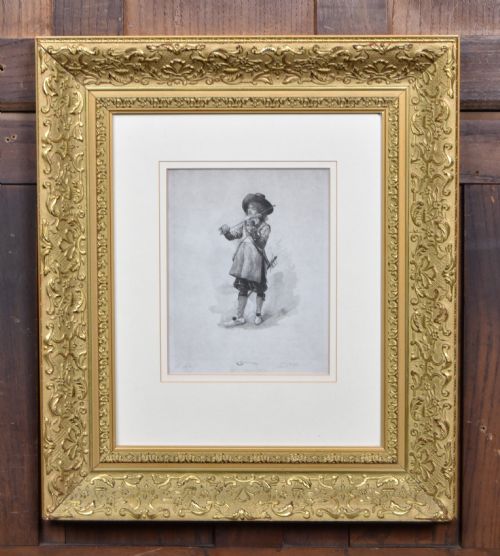
A vintage figure sketch encompasses works on paper ranging from rapid academic life studies to finished portraiture and narrative compositions. These pieces document human anatomy and expression through historical periods spanning from the eighteenth century to the mid-twentieth century.
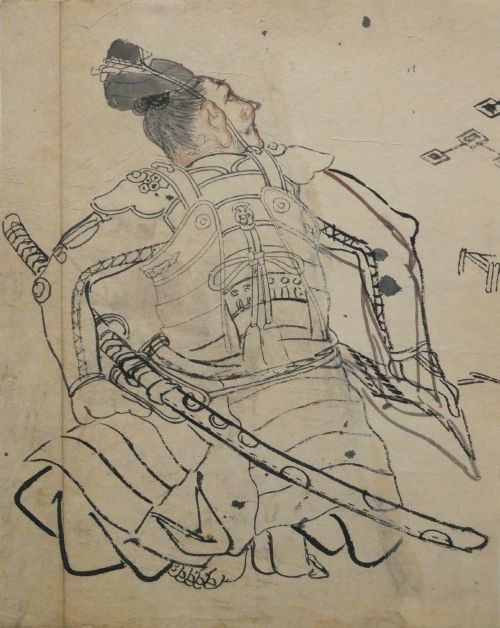
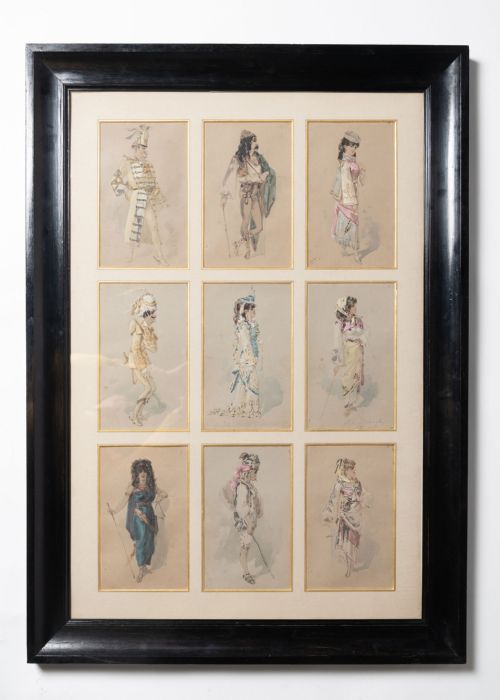
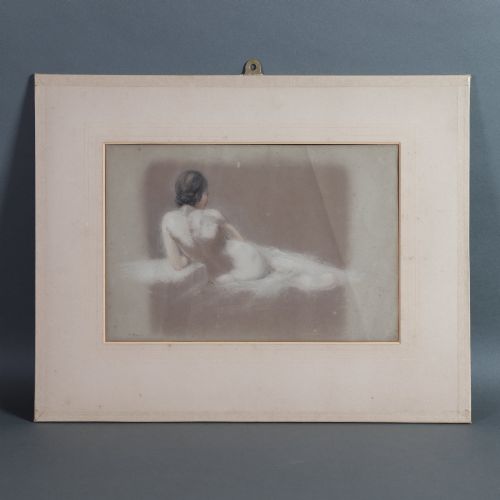
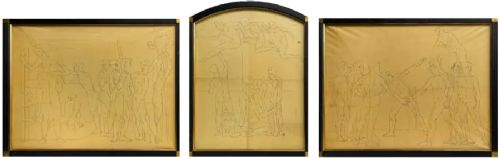
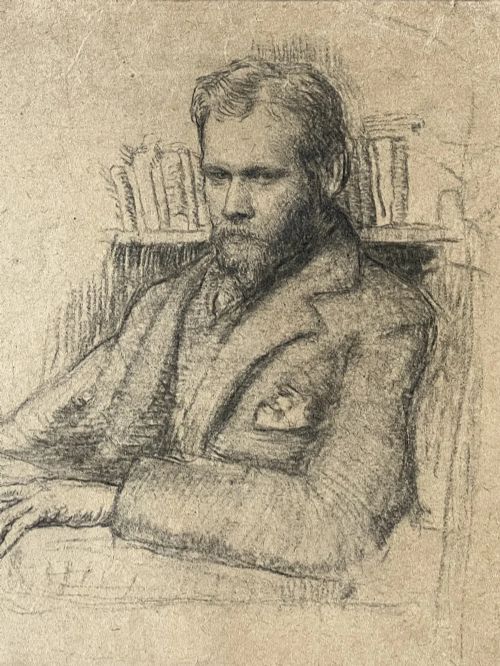
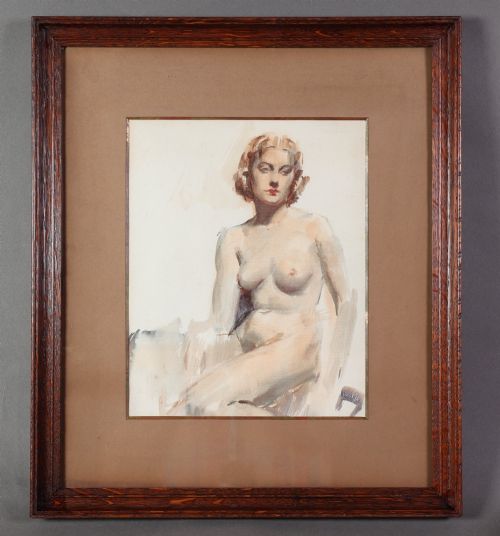
The selections available feature diverse cultural origins, including British, French, Italian, and Iraqi schools. Forms vary from framed original female nude life drawings and portrait studies to complex mixed media compositions.
Buyers encounter both anonymous studio exercises and documented works by listed artists executed in graphite, charcoal, ink, and chalk. Many retain their period framing or remain presented simply as original works on paper.
Materials and execution
Artists relied primarily on paper supports, applying mediums such as graphite, charcoal, chalk, ink, and watercolour to capture gesture and tone. Sanguine and pastel appear frequently in portraiture, offering warm tonal variations.
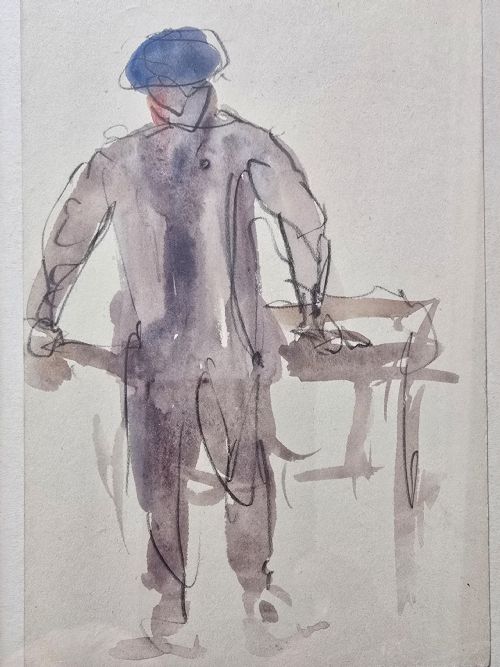
Execution methods range from preparatory studies and life-room drawings to finished mixed media works. The application of multiple mediums, such as ink and watercolour combined, allows for both sharp linear definition and atmospheric wash.
Framing materials typically include antique wood and gilt surrounds that protect the delicate paper supports while contextualising the age of the artwork.
Vintage Figure Sketch Retail Price Guide 2026
Typical asking prices for vintage figure sketch among the pieces listed under this phrase on Sellingantiques today, from the lower quarter to the upper quarter. They describe what is for sale here now, not the wider market.
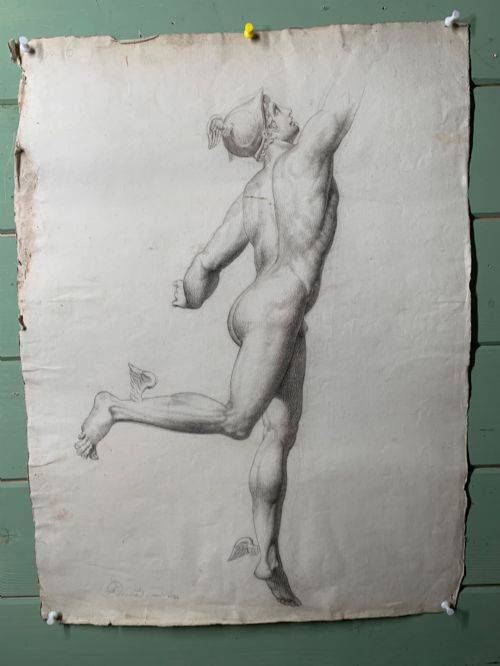
Several drawings preserve the hurried graphite notes and anatomical corrections of artists working quickly before the model shifted pose.
Distinctions in quality
Quality rests upon the sureness of the draftsmanship and the economy of line used to convey volume and movement. Superior examples demonstrate a confident understanding of human anatomy and gesture, whether in a rapid charcoal life study or a finished portrait.
The preservation of the paper support and the vibrancy of fugitive mediums like charcoal and pastel influence the overall integrity of the piece. Works retaining clear provenance and attribution to documented practitioners or established art schools carry distinct academic weight.
William Etty·Augustus John·James Stroudley·Samuel Rabin·Henry de Waroquier·François-André Vincent·Michael Healy·Henry Arthur Roberts·John Merrifield·Demetrios Galanis·Winifred Eugene Ballard·Faeq Hassan·Frank Dobson
The Vintage Figure Sketch Glossary
- Life drawing
- The act or result of drawing the human figure from a live model. These exercises form the foundation of academic training across centuries.
- Sanguine
- A reddish-brown chalk used historically for sketching and portraiture. It provides a warm, earthy tone favoured for rendering flesh.
- Deux crayon
- A drawing technique utilising two distinct colours of chalk or crayon, typically black and red on tinted paper. This method achieves subtle tonal depth and highlights.
- Mixed media
- An artwork utilising more than one medium or material on the support. Artists often combine ink and watercolour to build complex surface textures.
- Academic realism
- A style of painting and drawing produced under the influence of European academies of art. It emphasises precise anatomical accuracy and traditional techniques.
Vintage Figure Sketch: Frequently Asked Questions
What is a life study?
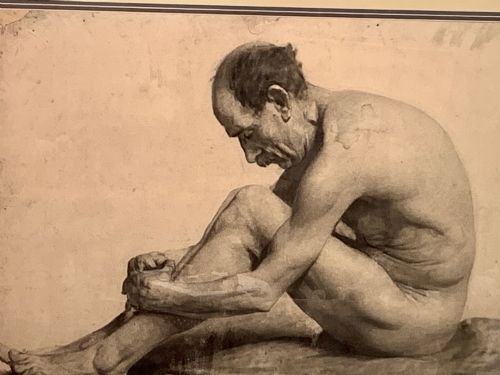
A life study is an artwork created directly from a live model, focusing on anatomical accuracy, posture, and shadow. These pieces were standard academic exercises in artists' studios.
Such drawings reveal the foundational training of the draughtsman and often capture an unpolished immediacy missing from finished canvases.
How should I frame works on paper?
Works on paper require conservation-grade mounting to prevent acid transfer from backing boards and mats. Glazing with UV-filtering glass protects fugitive pigments like charcoal, chalk, and watercolour from fading.
Keeping the paper away from direct sunlight and high humidity ensures the longevity of these delicate historical items.
How do I identify academic drawings?
Academic drawings often depict classical figures, anatomical sections, or posed models with precise shading and proportions. They frequently originate from formal art school training sessions or studio ateliers.
Inscriptions, studio stamps, or traditional framing styles frequently accompany these instructional and preparatory works.
What does mixed media mean in these sketches?
Mixed media refers to drawings that combine two or more artistic materials, such as ink washes paired with graphite lines or watercolour highlights over charcoal. This approach allows artists to layer textures and build tonal contrast.
Such works showcase experimental techniques used to enhance depth and mood within a single composition.