





Vintage Figural Group
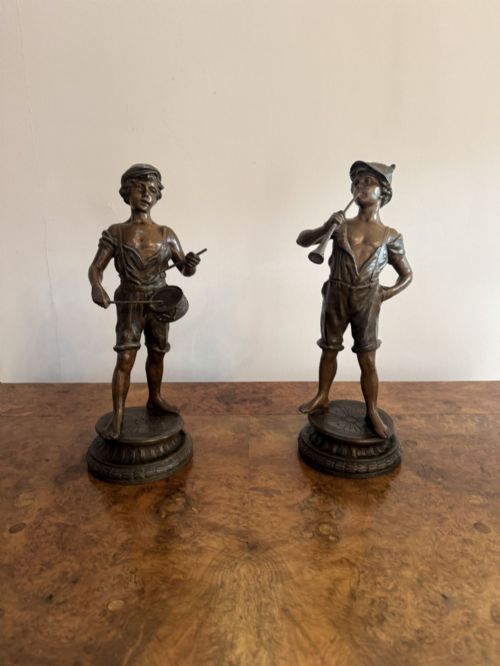
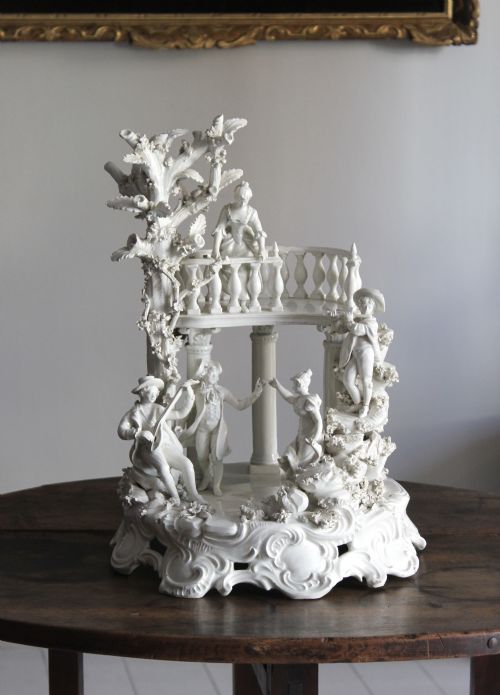
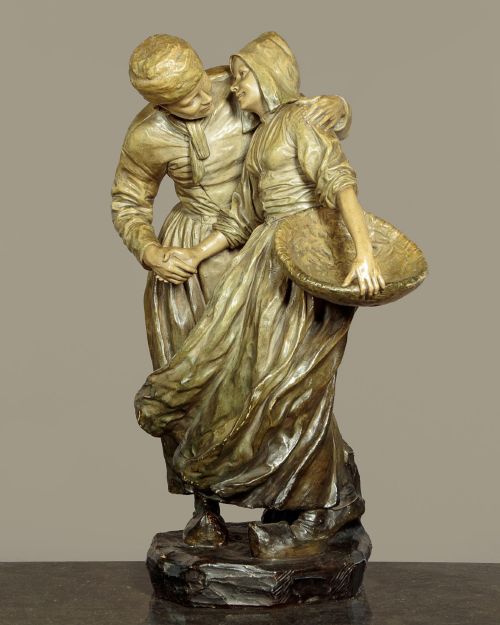
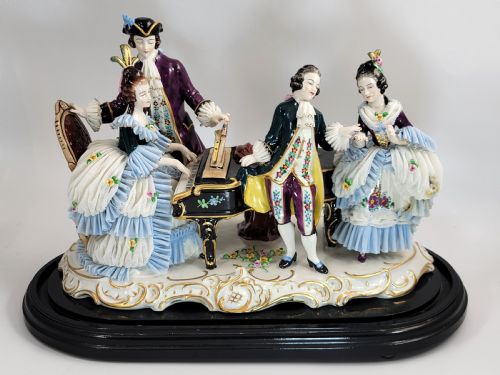
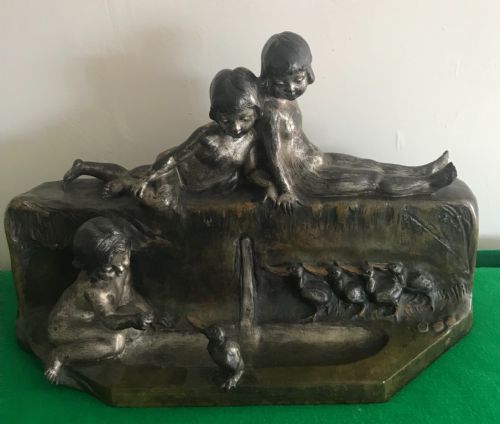
A vintage figural group brings together multiple characters in bronze, porcelain, or marble, capturing a narrative scene to anchor a room.
Vintage Figural Group
A vintage figural group depicts multiple human or animal figures interacting within a single sculpted or painted composition. When you explore this selection of vintage figural group pieces, you encounter works spanning from the nineteenth century through the Art Deco era.
The objects take diverse forms, ranging from porcelain figurines and terracotta sculptures to pith paintings and carved wood. Continental porcelain groups, French bronzes, and marble carvings appear frequently across the periods.
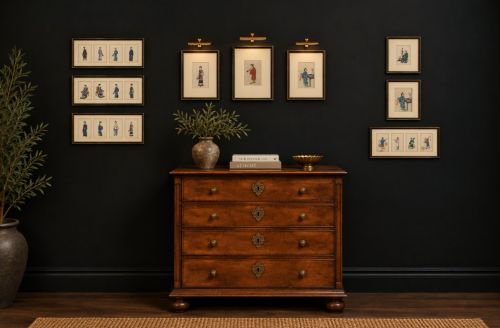
Origins stretch from European ateliers in France and Germany to Chinese workshops of the Qing dynasty. Creators utilised materials like alabaster, onyx, and cast iron to realise scenes of dancers, musicians, and family groups.
Materials and construction methods
Foundry casting brought metallic compositions to life, utilising bronze and spelter shaped into fluid Art Deco dancers and classical subjects. Artisans then chased the metal surfaces to refine details in drapery and hair.
Ceramic works rely on porcelain, bisque, and terracotta, often fired with delicate hand-painted polychrome finishes or lace applications. Sculptors also carved directly into stone mediums, working marble and alabaster to achieve smooth contours.
Vintage Figural Group Retail Price Guide 2026
Typical asking prices for vintage figural group among the pieces listed under this phrase on Sellingantiques today, from the lower quarter to the upper quarter. They describe what is for sale here now, not the wider market.
Materials represented include bronze, marble, alabaster, terracotta, porcelain, wood, and cast iron.
Distinctions in craftsmanship
Superior examples display precise anatomical proportions and nuanced facial expressions that convey genuine emotion between the figures. Lesser pieces rely on generalised casting or hurried painting that flattens the narrative depth.
Material selection and base integration set finer works apart from standard production. Sculptures mounted on contrasting marble or onyx plinths demonstrate a deliberate balance absent in simpler ornaments.
Goldscheider·Ernst Bohne Söhne·Antoine Bofill
The Vintage Figural Group Glossary
- Spelter
- A zinc alloy frequently utilised as a cost-effective alternative to bronze during the nineteenth and twentieth centuries. It accepts patination well to simulate heavier metals.
- Bisque
- Unglazed porcelain that has been fired once, prized for its matte, marble-like texture that highlights delicate modelling. It appears often in nineteenth and early twentieth-century figure groups.
- Pith painting
- Watercolour artwork created on thin slices of plant pith, historically produced in China for export. These delicate sheets capture vibrant traditional scenes.
- Terracotta
- Fired clay ranging from buff to deep red in colour, favoured for modelled sculptures. It allows artists to capture immediate gestural marks before kiln firing.
Vintage Figural Group: Frequently Asked Questions
What defines a figural group?
A figural group contains two or more figures interacting within a single sculptural or painted composition, rather than standing as a solitary subject. This creates an interactive narrative scene.
These pieces range from intimate porcelain table ornaments to substantial bronze and marble sculptures designed as room centerpieces.
How were these groups displayed?
Historically, large marble, alabaster, and bronze groups stood on pedestals, sideboards, or mantelpieces as primary decorative focal points in period interiors.
Smaller porcelain and bisque groupings sat within glass cabinets or on parlour tables where guests could examine their delicate painted details closely.
How do I identify Art Deco groups?
Art Deco groups often feature streamlined forms, geometric bases in marble or onyx, and subjects such as dancers, musicians, or figures with animals.
Materials like spelter and terracotta dominate this period, showing stylised drapery and dynamic movement characteristic of the nineteen-twenties and thirties.
Are these pieces fragile?
Vulnerability depends entirely on the material, with delicate bisque porcelain, lace ceramic applications, and pith paintings requiring careful handling.
Bronze, cast iron, and solid stone groups prove considerably more robust for everyday display in active living spaces.