


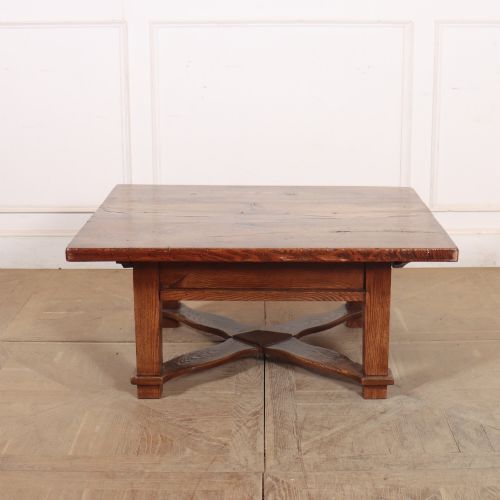

Vintage Farmhouse Furniture
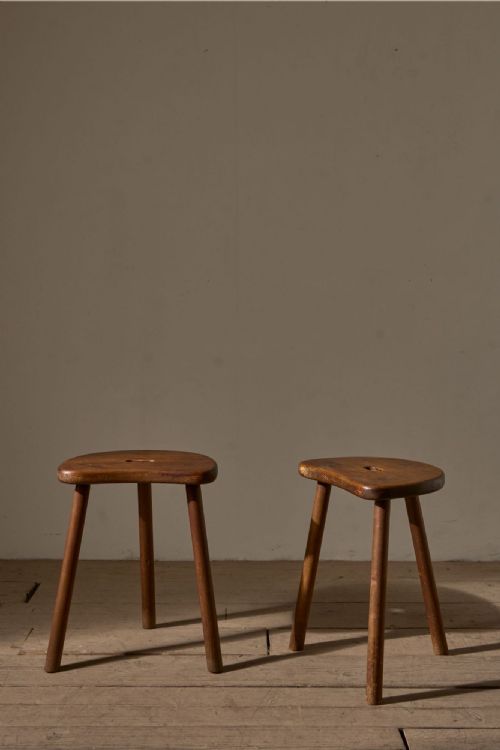
These pieces of vintage farmhouse furniture offer the honest utility and timeworn character built into everyday country seating and tables.
Vintage Farmhouse Furniture
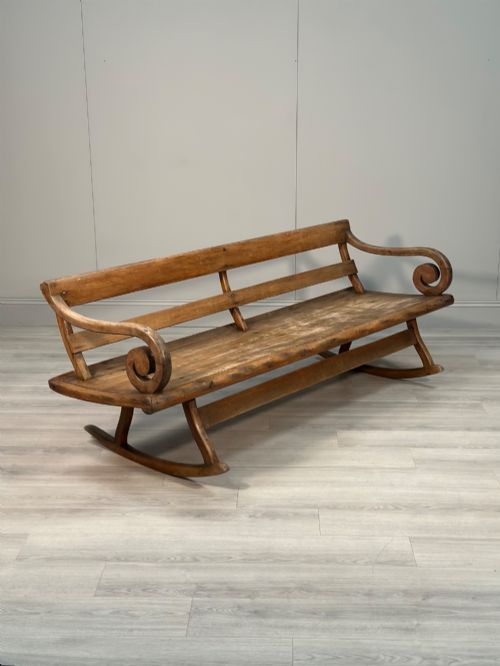
Vintage farmhouse furniture comprises utilitarian tables, benches, settles, chairs, dressers, and storage chests made for functional domestic and agricultural use. The selection relies heavily on nineteenth-century pieces alongside early twentieth-century examples shaped by regional traditions across Britain, France, Austria, Hungary, Sweden, and Scotland.
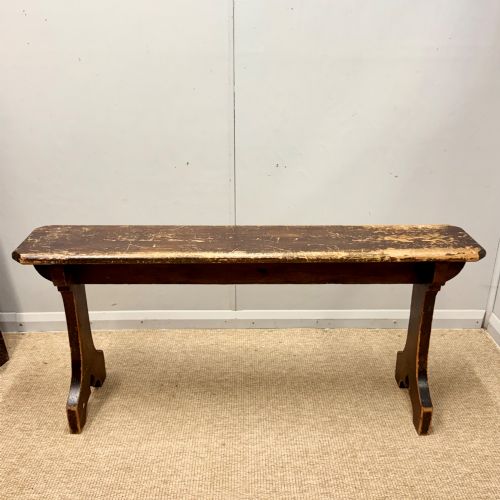
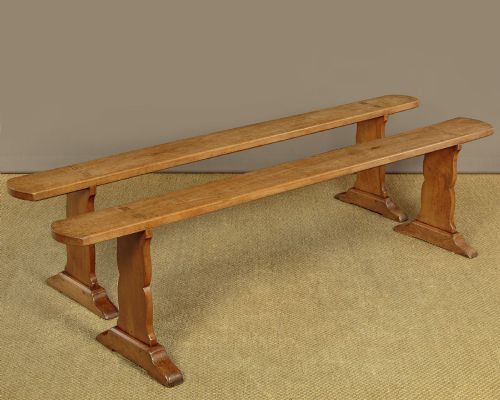
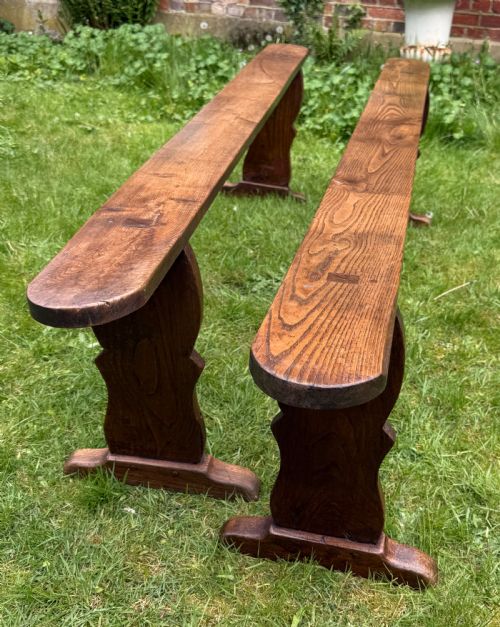
The most common forms on this page are long dining benches, refectory and work tables, and kitchen dressers designed for daily service. These items originate from vernacular workshops rather than grand urban cabinet makers, prioritising straightforward construction and robust utility.
Materials span domestic hardwoods and softwoods including pine, oak, elm, beech, cherrywood, fruitwood, poplar, and chestnut, often finished with original paint, Falu paint, or waxed surfaces. Styles range from French provincial and rustic country to English, Austrian, and Scandinavian country traditions.
How they were made
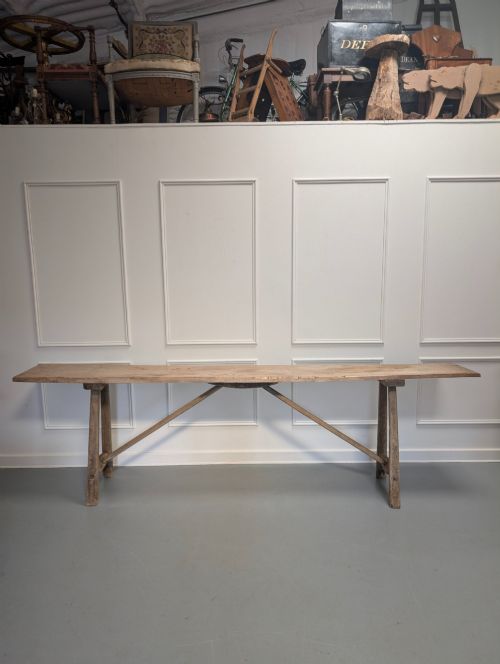
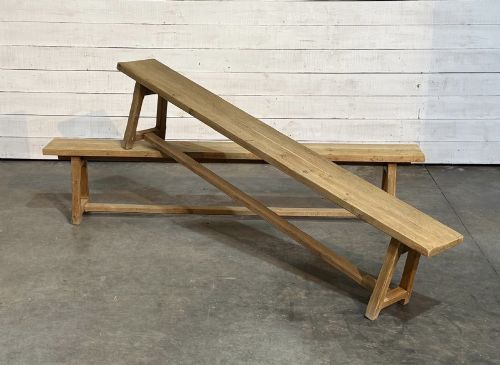
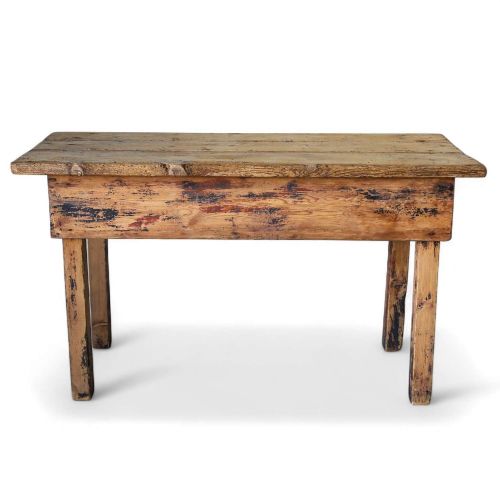
Makers utilised solid timbers such as pine, oak, elm, and beech, selecting woods for local availability and structural strength rather than decorative display. Tables and work benches frequently combine thick plank tops with pegged joints and sturdy trestle or four-leg frames built to withstand heavy daily labour.
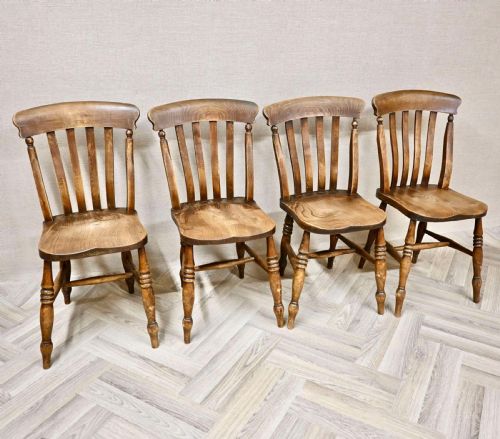
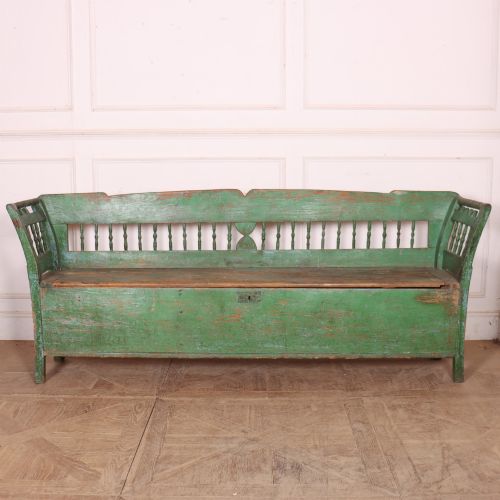
Seating forms like Windsor chairs, lathbach chairs, and spindleback settles demonstrate traditional turning and joinery techniques, often integrating mixed timbers for seats, backs, and legs. Surfaces display minimal intervention, retaining original layers of paint, Falu paint, or simple wax finishes applied to protect the wood.
The listings on this page span the eighteenth, nineteenth, and early twentieth centuries, featuring pine, oak, elm, and painted finishes.
What varies in quality
Quality rests upon the integrity of the original construction, the thickness and condition of the timber, and the survival of untouched surfaces like original paint or early wax. Pieces that retain their genuine working character without excessive structural replacement command greater attention from collectors.
Proportion and scale also separate standard utility items from more exceptional examples, such as unusually long dining benches or large regional dressers. The harmony between the original function and the remaining patination determines the standing of each piece within its type.
The Vintage Farmhouse Furniture Glossary
- Settle
- A wooden wooden bench with a high back, solid arms, and often a storage box beneath the seat, designed to block draughts in country kitchens. Early versions utilise panelled or spindleback construction.
- Refectory table
- A long, narrow dining table traditionally built for communal dining in monastic or large domestic settings. These examples use sturdy trestle or four-leg frames suited to heavy everyday use.
- Falu paint
- A traditional deep red or earthy paint originating from copper mining waste in Sweden, widely used to protect exterior and interior timber surfaces. It ages with a matte finish that develops a distinct patination.
- Lathbach
- A traditional chair design featuring horizontal wooden laths or slats forming the backrest. These chairs were common in country kitchens and cottages for their sturdy, straightforward construction.
- Vernacular
- Objects built by local craftspeople following regional traditions and practical requirements rather than formal academic design rules. These pieces reflect the specific materials and needs of their immediate geographic area.
Vintage Farmhouse Furniture: Frequently Asked Questions
What defines a farmhouse table?
A farmhouse table is a utilitarian work or dining surface built from solid timber with sturdy legs and thick plank tops designed for heavy kitchen use.
These tables originate from rural workshops across Britain and Europe, showing practical construction methods intended for daily domestic life.
How do I care for painted pine?
Care for painted pine by dusting gently with a dry or slightly damp cloth, avoiding harsh chemical cleaners that strip historic finishes.
Keep these pieces away from direct heat sources and strong sunlight to prevent the timber from warping and the original paint from flaking.
Where were these pieces used?
These pieces served primarily in rural kitchens, dairies, farmhouses, and taverns for food preparation, dining, and daily seating.
Their robust design suited spaces where furniture needed to withstand heavy, continuous work rather than act as formal parlor display.
What is a dresser base?
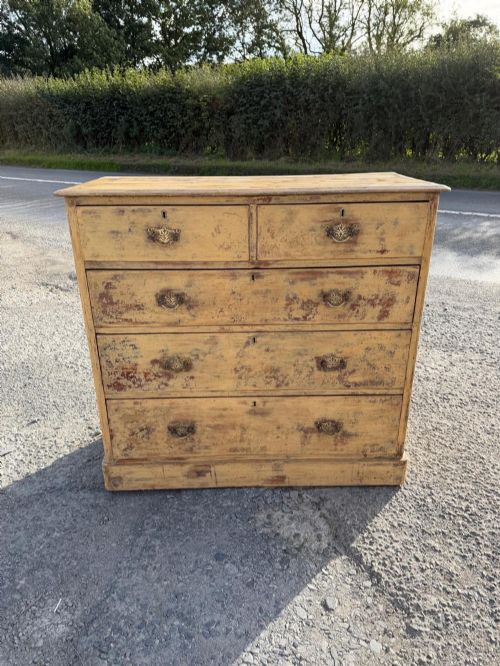
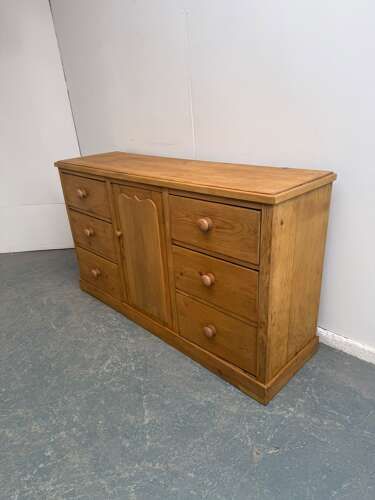
A dresser base is the lower portion of a kitchen dresser featuring cupboards and drawers for storing utensils and provisions.
Unlike complete dressers with upper plate racks, these standalone bases offer a flat working surface alongside enclosed storage.