
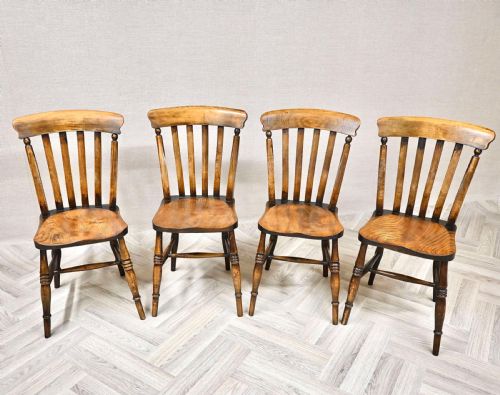
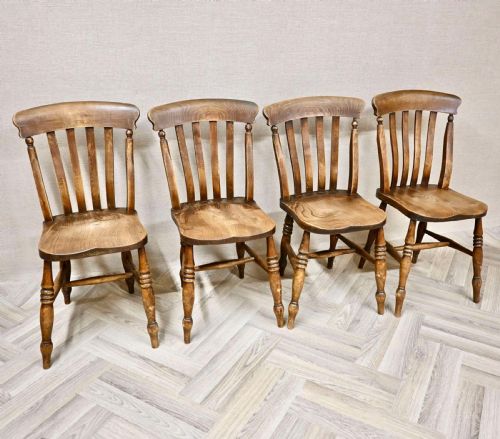
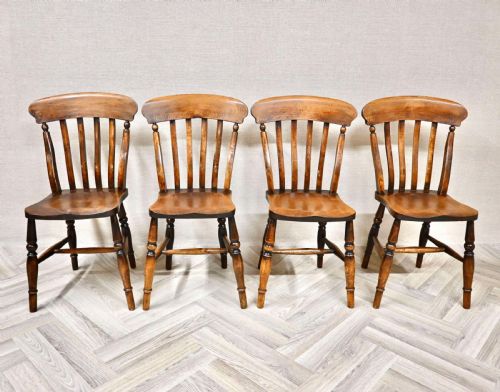
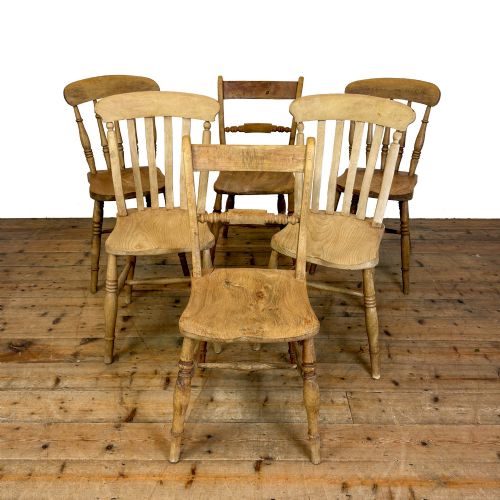
Vintage Farmhouse Chairs
Vintage farmhouse chairs bring honest utility and enduring character to domestic spaces through robust vernacular construction.
Vintage Farmhouse Chairs
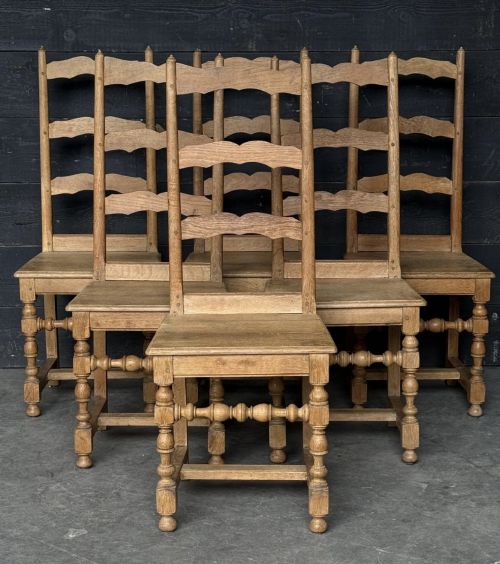
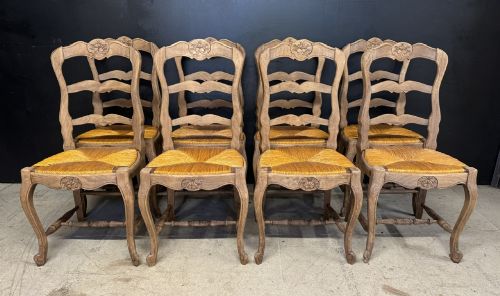
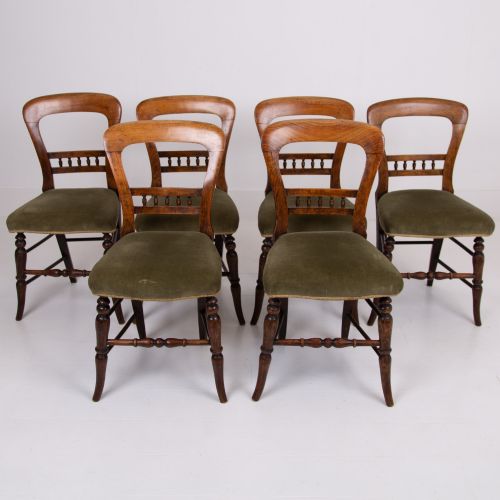
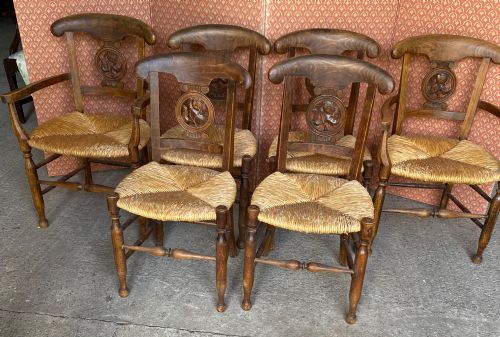
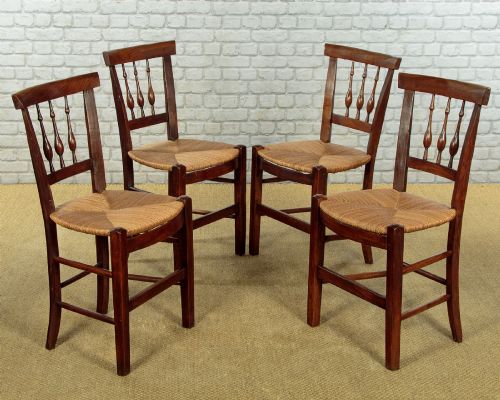
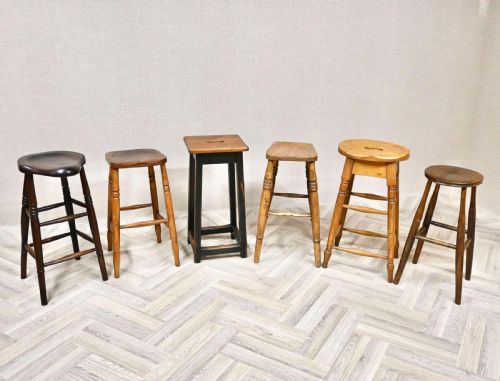
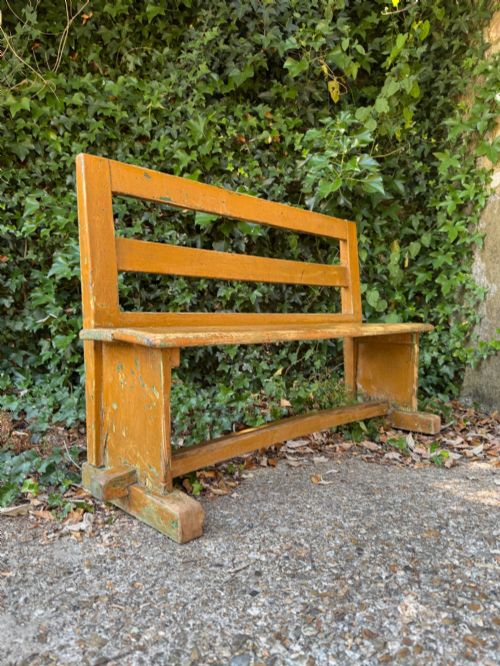
When you search for vintage farmhouse chairs, you encounter sturdy utilitarian seating designed for daily domestic use across the nineteenth and early twentieth centuries. These pieces encompass matching dining sets, mismatched harlequin groupings, individual armchairs, benches, and tall bar stools originating from English, French, and American vernacular traditions.
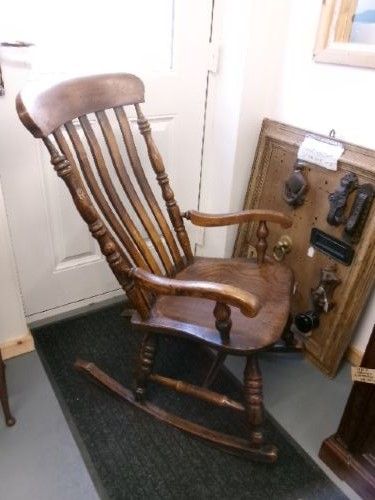
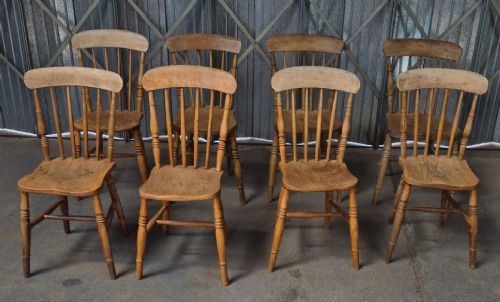
You are most likely to meet Windsor variations alongside ladder backs, lathbacks, and stick backs constructed from regional timbers. They appear both as large sets for dining rooms and as individual accent pieces like rocking chairs and spindle back armchairs.
How they were made
Joiners and bodgers built these seats using locally available hardwoods such as elm, beech, ash, oak, pine, and fruitwood. Combining multiple timbers within a single frame was common practice, utilising flexible woods like ash for spindles alongside durable elm for solid saddle seats.
Makers employed traditional joinery techniques including turned spindles, steam-bent hoops, and double stretchers to ensure structural rigidity. Seats often featured rush webbing or thick plank construction shaped for comfort without upholstery.
Listings feature nineteenth-century and early twentieth-century designs, encompassing Victorian and Edwardian periods with regional English and French country influences.
What varies in quality
The distinction between ordinary utility seating and superior examples rests in the depth of timber selection and the harmony of the turned components. Thicker plank seats, well-matched wood grain, and balanced spindle turning elevate certain sets above standard utilitarian output.
Original surface patination and structural integrity without excessive timber replacement determine the lasting merit of a piece. Sets that retain their matching components and original stretchers command greater appreciation than heavily altered or mismatched groupings.
Worksop Allsop
The Vintage Farmhouse Chairs Glossary
- Windsor
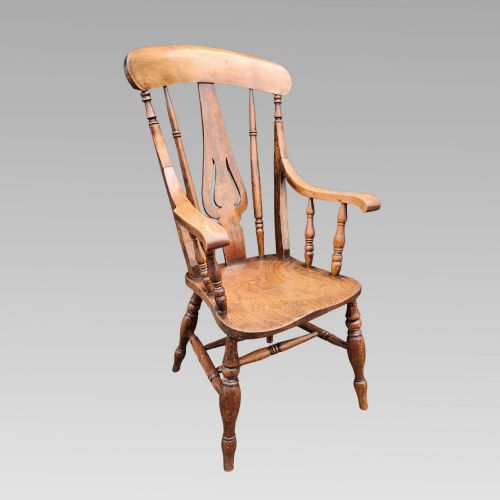
- A chair built with a solid wooden seat into which the legs, back, and arm pieces are independently dowelled. These sturdy forms often feature steam-bent back hoops and central splats.
- Harlequin set
- A collection of seating sharing similar style or period characteristics while displaying intentional variations in design or proportions. These assembled groups commonly serve around large kitchen dining tables.
- Lathback
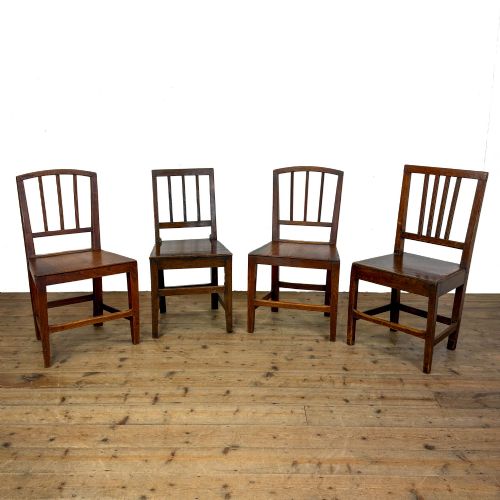
- A chair back featuring flat wooden slats or laths arranged vertically between the top rail and the seat. This robust form provides strong lumbar support in busy kitchen environments.
- Spindle back
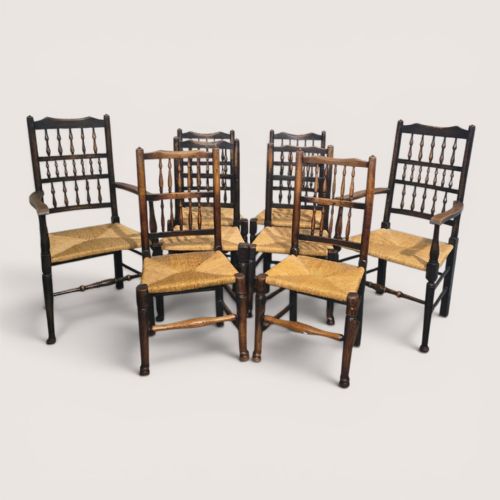
- A seating design incorporating numerous slender, turned vertical wooden rods forming the backrest. Turners shaped these components on lathes to create rhythmic patterns of support.
- Rush seat
- A woven seating surface constructed from dried marsh grasses twisted into cords and hand-plaited across the chair frame. This traditional method yields a resilient and supportive platform.
Vintage Farmhouse Chairs: Frequently Asked Questions
What defines vintage farmhouse chairs?
These pieces represent utilitarian domestic seating produced primarily during the nineteenth and early twentieth centuries. They reflect regional vernacular building traditions focused on durability and practical comfort.
Materials typically include native hardwoods combined with rush or solid plank seats. Their construction avoids superfluous ornamentation in favour of robust joinery suited to daily kitchen or dining use.
How were these chairs used originally?
Households utilised these sturdy seats around large kitchen tables for daily meals, food preparation, and family gatherings. Armchairs and rocking chairs often stood near hearths for resting.
Commercial environments like country inns and farmhouses also employed tall bar stools, benches, and large dining sets to accommodate numerous guests for communal dining.
How do I care for wooden farmhouse seating?
Maintain these wooden surfaces by applying occasional beeswax to nourish the dry timber and preserve the historic patination. Avoid placing chairs near direct heat sources or in extreme humidity.
Check stretcher joints periodically to ensure dowels remain secure. Regular gentle dusting prevents grime buildup in carved or turned crevices.
How can I date a vintage farmhouse chair?
Examine tool marks, timber choice, and construction methods to establish an approximate period. Hand-turned spindles and pit-sawn boards often indicate nineteenth-century production.
Harlequin sets and specific regional styles like Thames Valley stick backs help narrow down the manufacturing era. Comparing joint wear and nail types provides additional chronological clues.