

Vintage Fairy Book
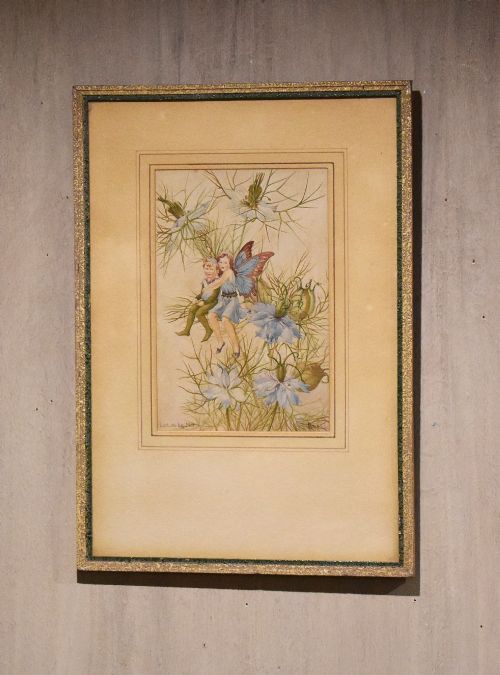
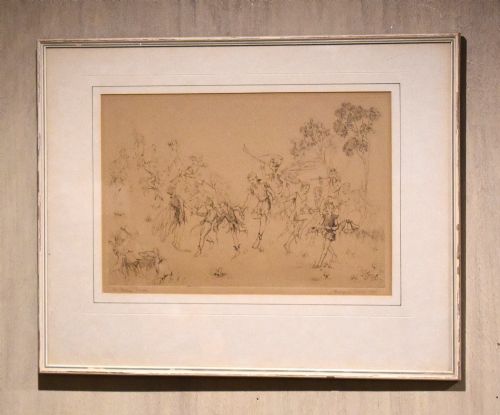
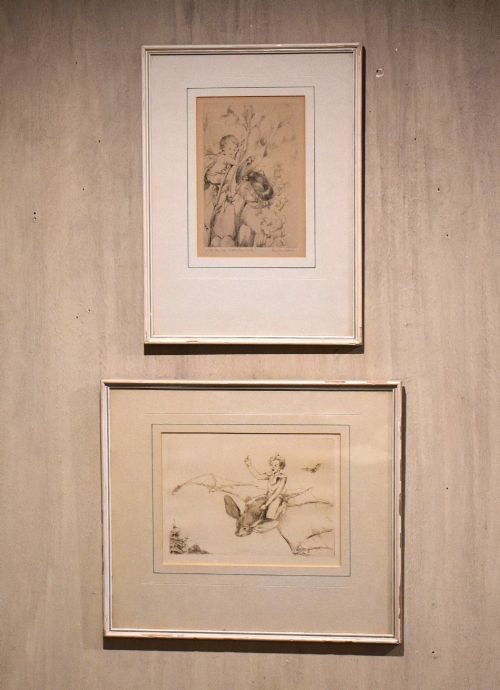
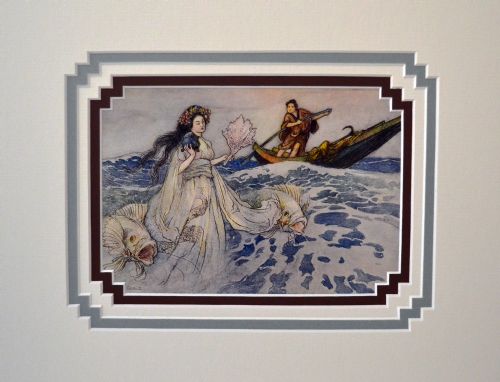
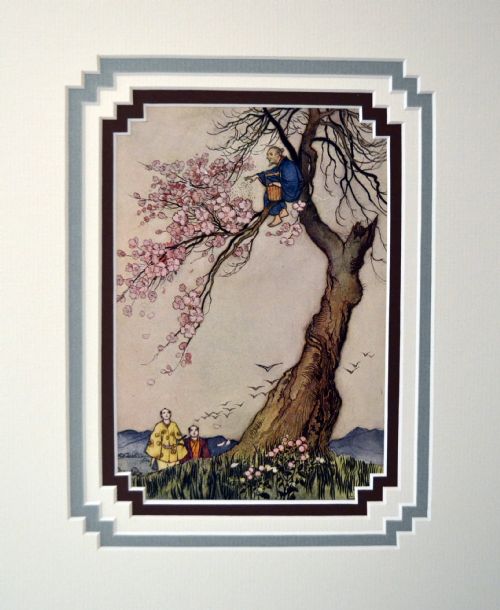
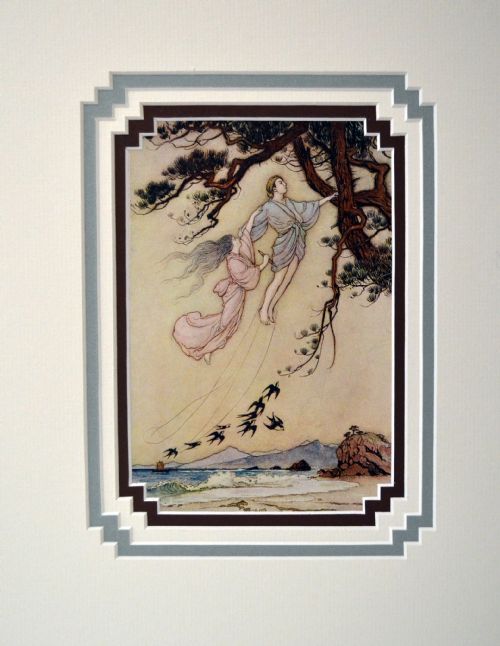
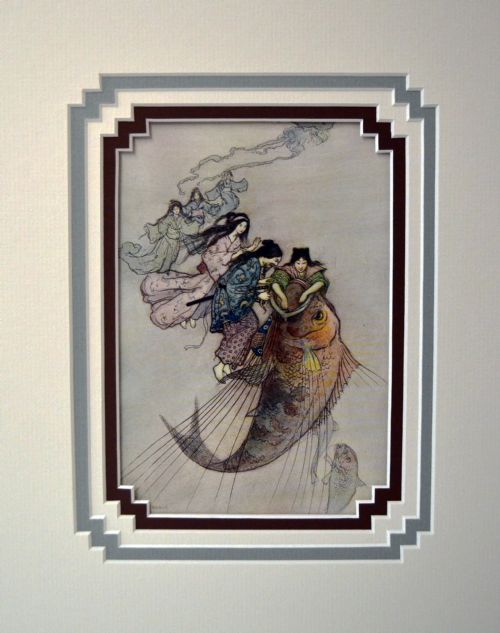
These vintage fairy book illustrations are framed prints and paintings bringing Edwardian and twentieth-century illustration directly into your home.
Vintage Fairy Book
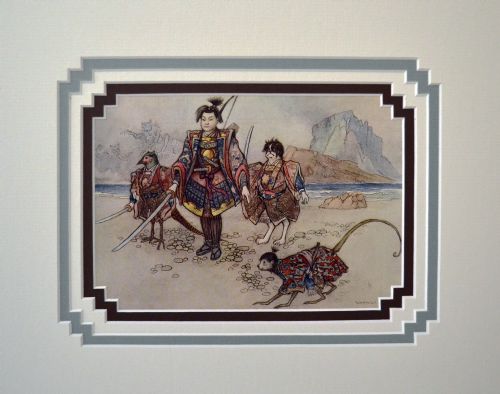
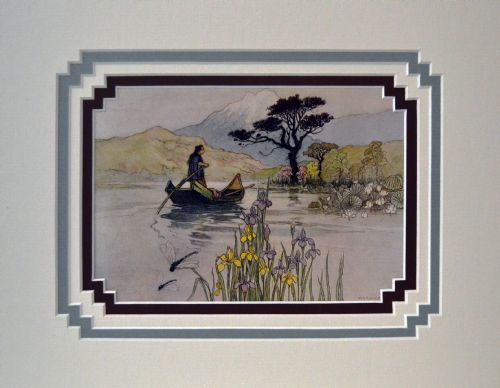
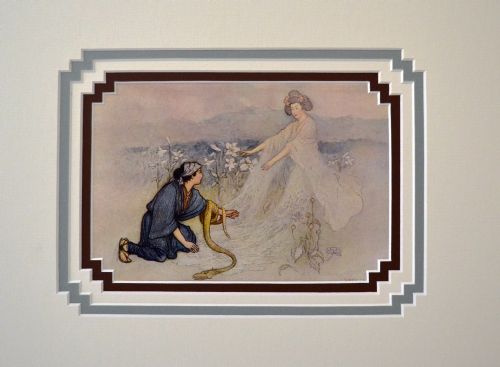
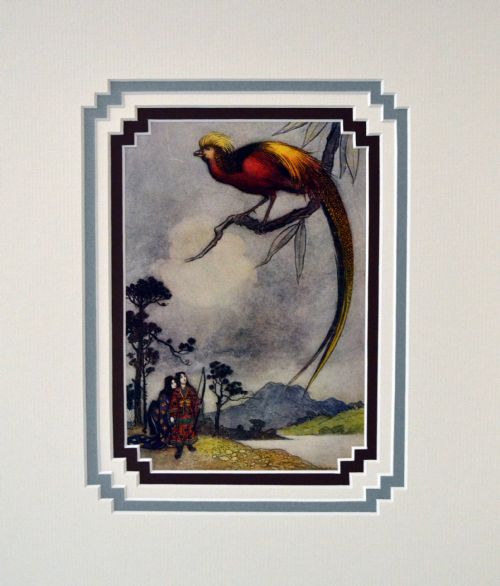
When you search for a vintage fairy book selection, you encounter framed prints, antique prints, and watercolour paintings originating from the early to mid-twentieth century. The material record spans 1910, 1930, and 1940, capturing distinct periods of British and Golden Age illustration.
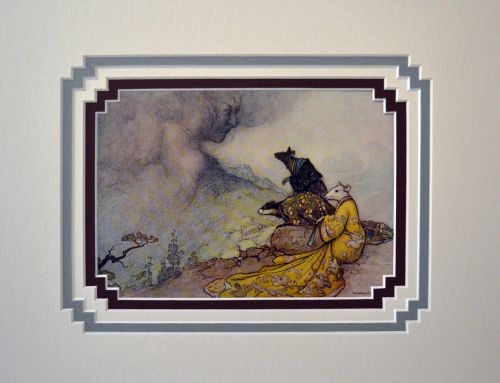
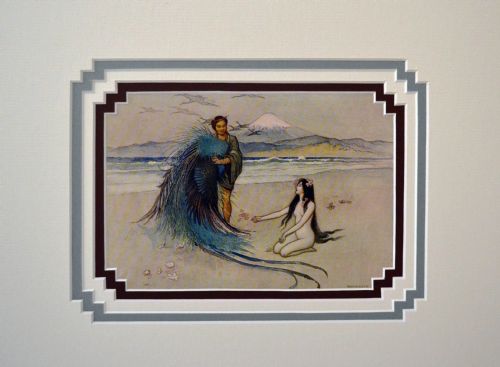
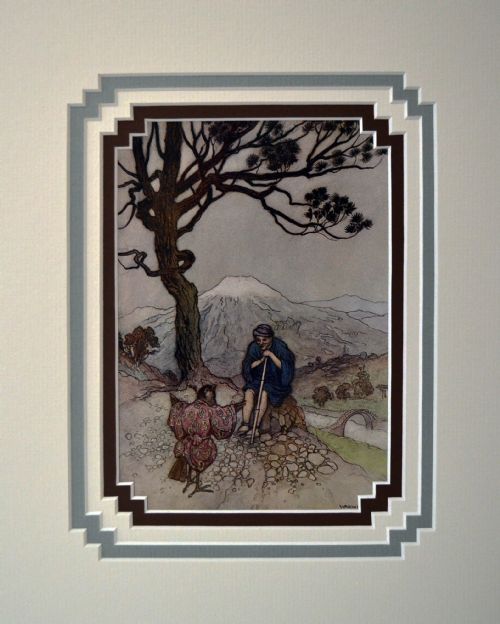
You are most likely to meet individual first edition prints and original watercolours depicting flower fairies and narrative scenes. These pieces reflect Edwardian, Art Nouveau, Japonisme, and twentieth-century illustration styles.
The assortment on this page ranges from delicate watercolours to published book illustrations mounted behind glass with card and mountboard. Each item offers a tangible piece of historical storytelling and decorative graphic design.
Materials and techniques
The production relies on paper, card, cardboard, and mountboard as the primary supports for delicate ink and watercolour applications. Printers and artists utilised these stable mediums to preserve fine illustrative details across decades.
Framed pieces incorporate glass protection alongside wood framing to safeguard the paper surfaces from environmental damage. Ink and watercolour mediums define the visual texture of the prints and original paintings.
Flower fairies flutter alongside Shakespearean drama and Japanese tales, proving tiny wings fit anywhere.
Judging quality in illustration art
Quality separates through the crispness of the ink impressions and the preservation of pigment vibrancy in watercolours. Original paintings demonstrate direct artist brushwork, whereas printed plates rely on the fidelity of early twentieth-century reproduction techniques.
The condition of the paper support and the quality of the surrounding mountboard influence the overall presentation. Stronger examples maintain clean paper tones and stable framing materials that respect the original aesthetic.
Marjorie L Davies·Warwick Goble
The Vintage Fairy Book Glossary
- Watercolour painting
- A work of art executed with water-soluble pigments on paper. This technique allows for translucent washes and delicate botanical detailing seen in flower fairy art.
- First edition prints
- Impressions pulled from the original printing plates during the initial published run. These plates capture the sharpest detail before any wear occurs to the source material.
- Mountboard
- Heavy paperboard used to frame and separate a print or painting from the glass. It provides structural support and prevents the artwork from sticking to the glazing.
- Japonisme
- An artistic style influenced by Japanese aesthetic principles and ukiyo-e prints. This approach appears in early twentieth-century illustration through simplified compositions and linear elegance.
- Golden Age illustration
- A period of prolific excellence in book illustration lasting from the late nineteenth century until the mid-twentieth century. Artists during this era produced highly detailed narrative plates for published volumes.
Vintage Fairy Book: Frequently Asked Questions
Are these original book pages?
The selection includes both original watercolour paintings and first edition prints sourced from published volumes.
Printers created these plates to accompany classic stories and fairy tales during the early decades of the twentieth century.
How should I frame them?
Framed pieces already utilise wood frames, glass, and mountboard to protect the delicate paper surfaces from atmospheric moisture.
When hanging these artworks, keep them away from direct sunlight to prevent the ink and watercolour pigments from fading over time.
What styles are represented?
The visual styles span Edwardian design, Art Nouveau, Japonisme, and Golden Age illustration.
Artists employed these varied aesthetic movements to create imaginative depictions of flora, fauna, and literary scenes.
How do I date the prints?
Dating relies on recorded publication years, artist lifespans, and stylistic markers associated with specific decades.
The inventory records specific pieces from 1910, 1930, and 1940, reflecting distinct periods of twentieth-century print production.