





Vintage Fabric Tapestry
These vintage fabric tapestry pieces span centuries of needlework, ikat weaving and wall hangings, bringing rich textile history straight into your room.
Vintage Fabric Tapestry
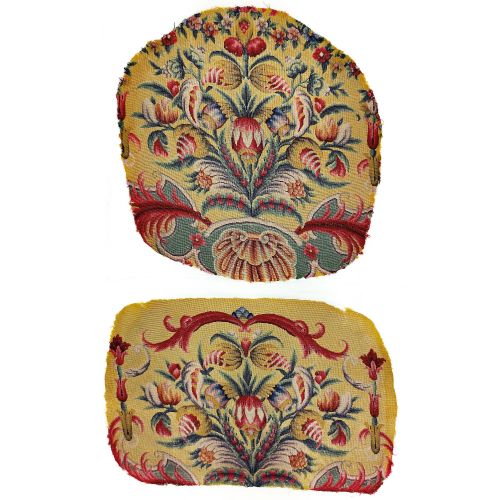
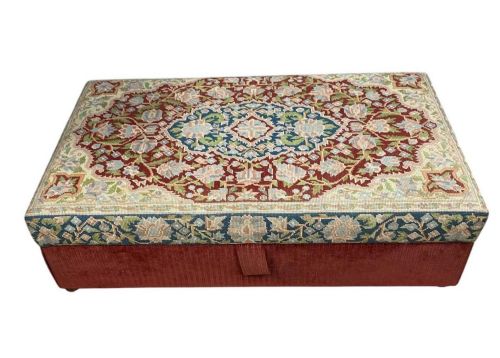
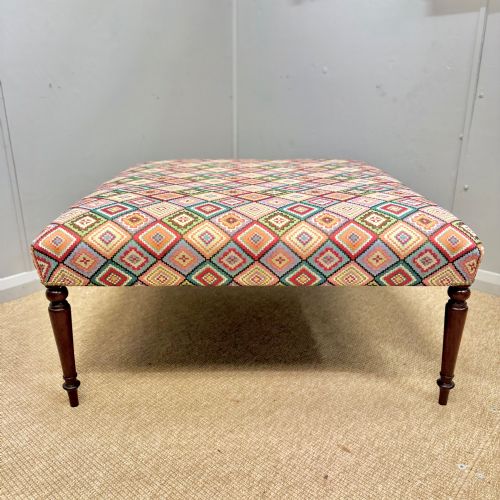
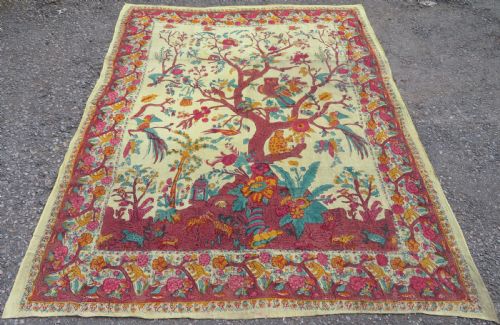
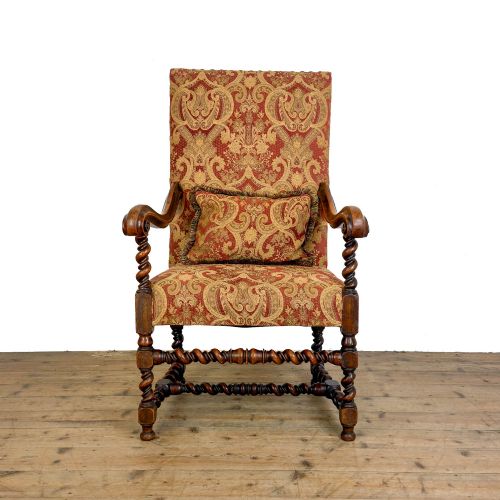
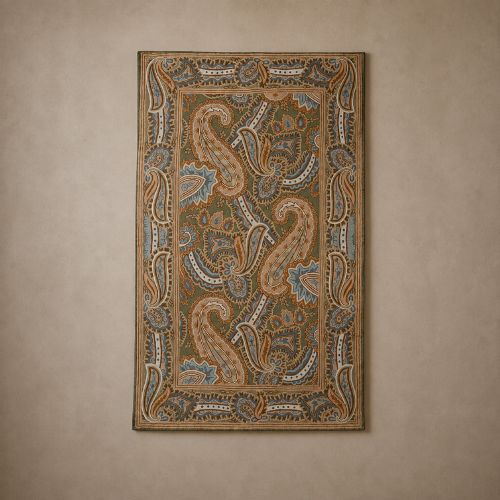
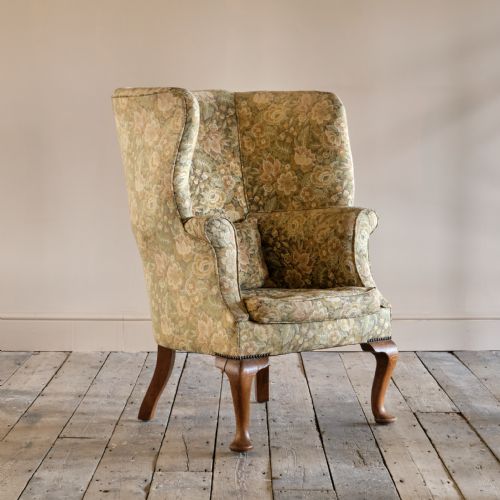
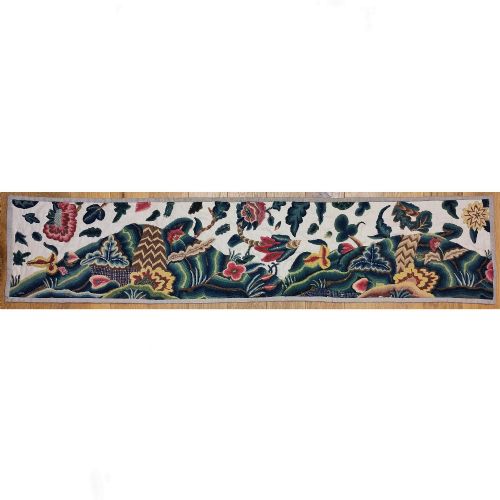
When you search for vintage fabric tapestry, you encounter a diverse range of textiles, wall hangings and upholstered furniture spanning several centuries. The selection encompasses framed fragments, panels, wall art and seating upholstered in needlework, crewelwork, kilim and ikat.
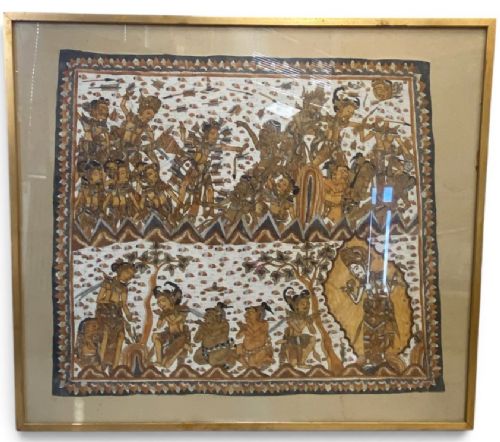
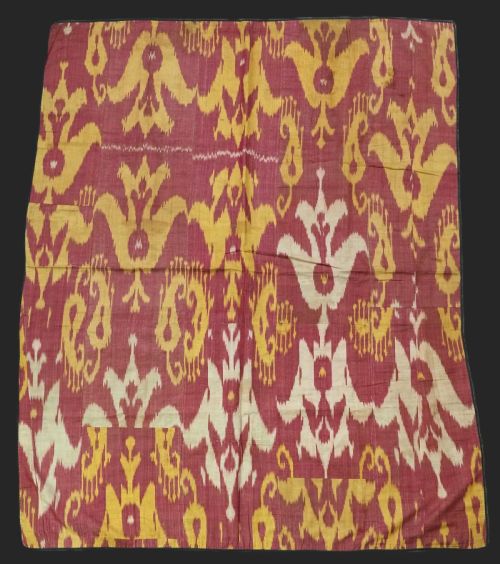
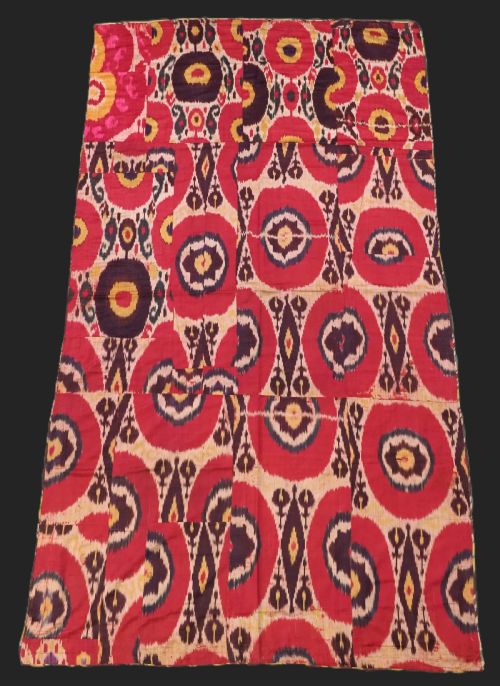
The pieces originate from various traditions, including Central Asian Suzanis, Balinese paintings on textile, English crewelwork and French Toile de Jouy fragments. You are likely to find everything from large silk ikat panels to nineteenth-century ottomans and armchairs covered in historic fabric.
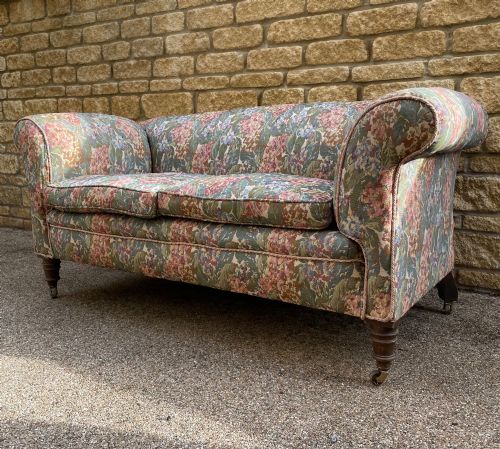
The forms vary widely from functional seating such as sofas, settees and footstools to decorative wall panels and framed needleworks. Each item displays distinct regional techniques and period styles ranging from the eighteenth century through to the mid-twentieth century.
How they were made
Makers utilised natural materials such as silk, wool, cotton, timber, mahogany, walnut, oak, pine and brass across these items. Textiles are worked in needlepoint, embroidery, crewelwork and ikat weaving techniques, often mounted on wood or framed as art.
Support structures for upholstered pieces involve traditional joinery in mahogany, walnut and pine, while panels and hangings rely on hand-woven silk, semi-silk adras, and cotton grounds. Frames and structural elements frequently incorporate brass details and carved timber.
Vintage Fabric Tapestry Retail Price Guide 2026
Typical asking prices for vintage fabric tapestry among the pieces listed under this phrase on Sellingantiques today, from the lower quarter to the upper quarter. They describe what is for sale here now, not the wider market.
The listings span from the eighteenth century to the mid-twentieth century, featuring materials such as silk, wool, mahogany and brass.
What varies in quality
The standard of a textile depends upon the complexity of the needlework, the density of the weave and the preservation of the fabric. Intricately worked Suzanis and fully embroidered palaks demonstrate high technical skill compared to simpler printed fragments.
Structural integrity in upholstered furniture and frames dictates overall worth, separating pieces with original timber frames and sound joinery from those requiring extensive restoration. The clarity of design, whether in an ikat panel or a needlework chair seat, marks the distinction.
The Vintage Fabric Tapestry Glossary
- Suzani
- A traditional embroidered tribal textile originating from Uzbekistan and surrounding Central Asian regions. These large panels typically feature bold floral and architectural motifs worked in silk on a cotton ground.
- Ikat
- A dyeing and weaving technique where yarns are tie-dyed before being woven into fabric, creating characteristic feathered edges along the pattern lines. Uzbek examples often utilise semi-silk adras.
- Crewelwork
- A type of surface embroidery using wool yarn to create flowing floral and animal designs on a sturdy linen or cotton fabric base. This technique appears frequently in English textile panels.
- Toile de Jouy
- A historic cotton or linen fabric featuring monochromatic printed pastoral scenes, often associated with eighteenth-century French design. Fragments are frequently preserved under glass.
- Kilim
- A flatwoven textile produced in regions including Central Asia, utilised here both as wall decoration and as sturdy upholstery for nineteenth-century footstools and seating.
Vintage Fabric Tapestry: Frequently Asked Questions
How do I care for a vintage fabric tapestry?
Keep textile panels and upholstered seating away from direct sunlight to prevent the silk, wool and cotton fibres from fading over time. Gentle surface dusting with a soft brush helps maintain the fabric without causing damage.
Avoid using harsh liquid cleaners on historic needlework or ikat panels. Professional textile conservation is recommended for delicate wall hangings.
Can I hang a heavy textile panel on the wall?
Large panels and wall hangings require even weight distribution across the top edge to prevent stress on the historic fabric. Utilising a sleeve or a padded batten helps secure heavier pieces safely.
Ensure the wall fixings align with solid studs, particularly for substantial framed tapestries and boards. Smaller panels can often utilise traditional framing with glass protection.
How do I identify the period of a textile?
Dating relies on examining the dyes, weave structure, motifs and ground fabrics used in the piece. Eighteenth-century needlework differs distinctly in stitch density and subject matter from early twentieth-century ikat panels.
Comparing the style of floral or architectural designs with documented examples from regions like Uzbekistan or England provides further chronological context.
Are these pieces suitable for everyday use?
Upholstered armchairs, ottomans and footstools with historic textile coverings can withstand gentle domestic use. Heavier kilim and needlework upholstery offers durability for seating when maintained properly.
Fragile silk ikat panels and framed needlework fragments function best as decorative wall art rather than high-traffic furnishings.