



Vintage Fabric Table
A vintage fabric table brings tactile warmth and period textile charm to any room through upholstered surfaces and fitted sewing compartments.
Vintage Fabric Table
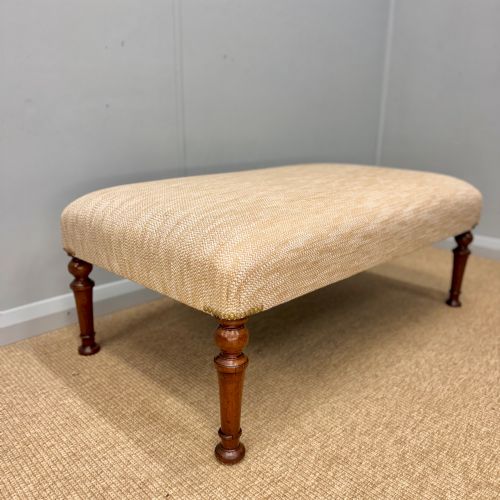
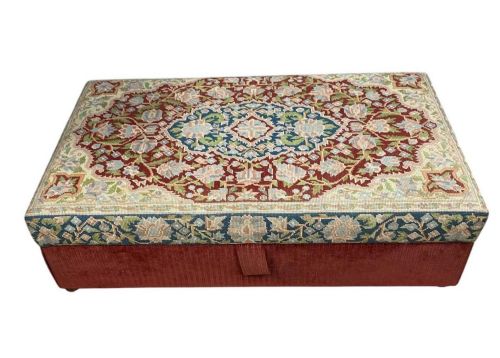
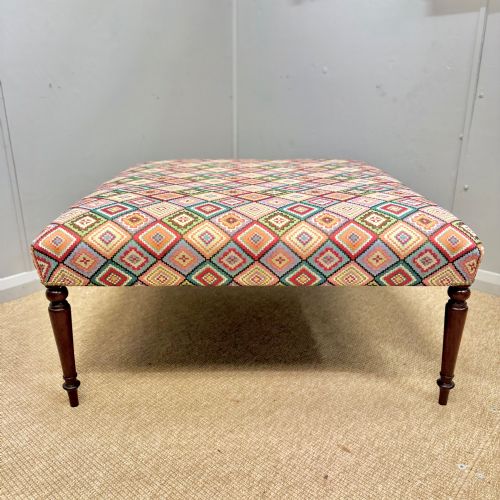
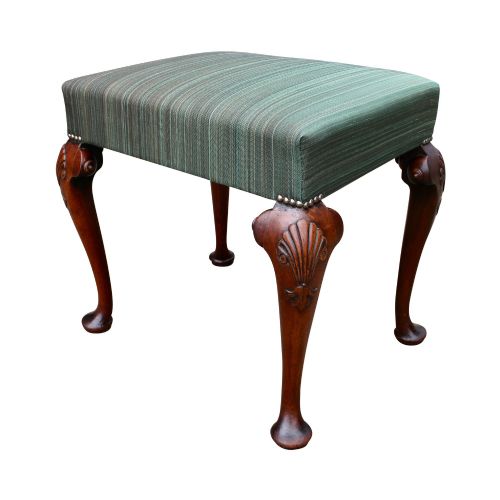
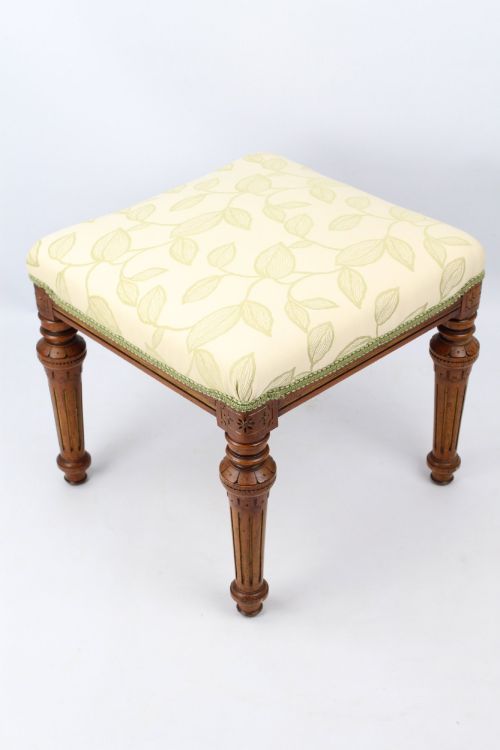
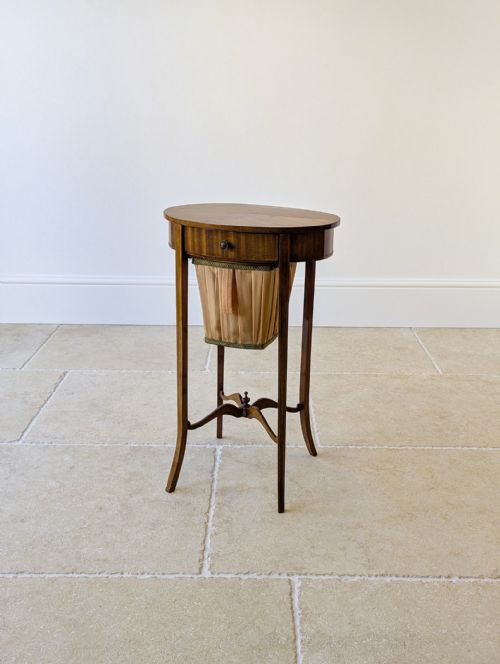
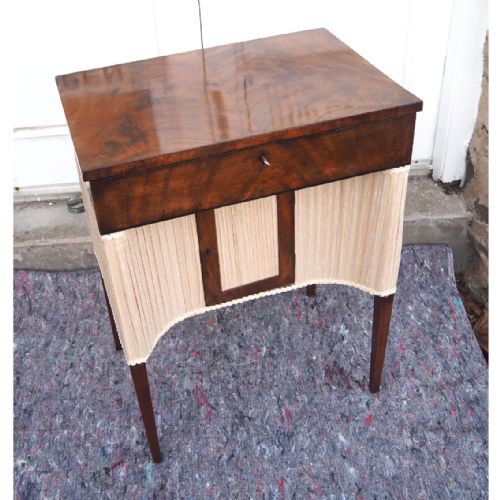
A vintage fabric table generally encompasses specialised work and sewing tables featuring integrated textile bags, alongside upholstered stools and ottomans topped with decorative tapestries or needlepoint panels. These pieces span the nineteenth century through the Edwardian period, often incorporating mahogany, rosewood, or walnut frames.
The most common examples on this page are nineteenth-century work tables designed for needlework, alongside Victorian and Edwardian footstools and ottomans upholstered in chenille or needlepoint. Buyers encounter these forms frequently alongside related lighting and occasional pieces sharing the same eras.
Origins stretch across English country house styles, Regency designs, and Amsterdam School interpretations, reflecting domestic utility and ornamental craft. The integration of fabric ranges from hinged work bags beneath the top to fully upholstered seating surfaces.
Materials and construction methods
Cabinetmakers utilised dense timbers including mahogany, walnut, satinwood, and rosewood for the structural frames of work tables and seating, applying fine turning and carving. Brass mounts, handles, and occasional fringe elements frequently accent these wooden bodies.
Textile integration relies on traditional techniques such as needlepoint, tapestry work, and block printing applied to wool, cotton, and chenille. Interiors of work tables often conceal fitted compartments for sewing implements above suspended fabric bags.
Vintage Fabric Table Retail Price Guide 2026
Typical asking prices for vintage fabric table among the pieces listed under this phrase on Sellingantiques today, from the lower quarter to the upper quarter. They describe what is for sale here now, not the wider market.
Some Victorian footstools hide needlework secrets beneath plush chenille tops.
Assessing quality in construction and textile
Quality rests upon the structural integrity of the timber frame, the precision of joinery in small drawers and compartments, and the original condition of the woodwork. Refined mahogany or satinwood carcasses with intact internal fittings denote superior workshop standards.
The grade of the textile top or suspended fabric bag significantly determines a piece's character, favouring tight needlepoint execution and durable upholstery weaves over later replacements. Original brass hardware and balanced proportions complete the finer examples.
The Vintage Fabric Table Glossary
- Work table
- A small domestic table fitted with drawers and a suspended fabric bag designed for holding sewing and needlework supplies. These pieces date predominantly from the Regency and Victorian eras.
- Needlepoint
- A type of canvas work embroidery executed with wool or silk yarn, frequently seen as the decorative upholstery top on nineteenth-century footstools and ottomans.
- Chenille
- A fuzzy, tufted pile yarn used in textile upholstery to provide a soft, tactile surface texture on footstools and seating.
- Ottoman
- A low, upholstered seat or footstool lacking arms or a back, often featuring decorative tapestry or geometric fabric coverings from the Victorian period.
- Satinwood
- A pale, lustrous hardwood sourced from tropical trees, utilised by cabinetmakers during the Edwardian period for fine occasional and work tables.
Vintage Fabric Table: Frequently Asked Questions
What is a work table used for?
A work table served historical households as a dedicated station for sewing, embroidery, and small needlecraft tasks. The integrated drawers and suspended fabric bags kept materials organised near sitting areas.
Today, collectors use these versatile pieces as bedside tables or side stands where hidden compartment storage remains practical.
How do I clean antique upholstery?
Gentle surface dusting with a soft brush or low-suction vacuum attachment preserves delicate antique textile fibres on ottomans and stools. Avoid harsh liquid cleaners that risk damaging aged wool, cotton, or chenille.
Professional textile conservationists should handle deeper cleaning or repairs to prevent structural degradation of nineteenth-century needlework.
Are these tables sturdy enough for daily use?
Solid hardwood frames built from mahogany, oak, or walnut offer robust structural support suitable for everyday placement in a modern home. Care should be taken with delicate leg joints and hinged work bag frames.
Footstools and ottomans generally withstand regular seating if the underlying webbing and frame joints remain secure.
How do I date a Victorian work table?
Dating relies on examining timber choices, turning styles, and the construction of internal compartments within the drawer units. Victorian pieces frequently employ heavy mahogany or rosewood alongside distinct Revival stylistic cues.
Comparing hardware fixings and secondary woods helps narrow the manufacture period between early nineteenth-century Regency examples and later Edwardian pieces.