
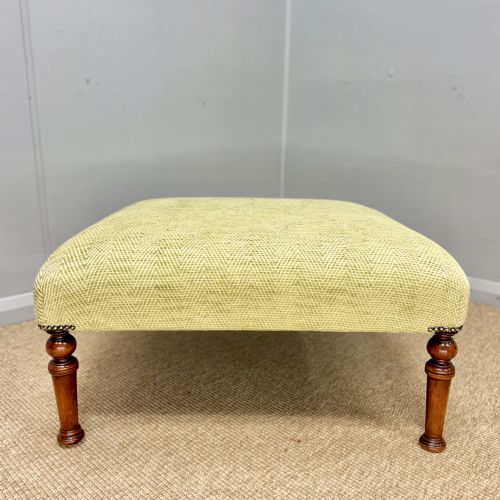


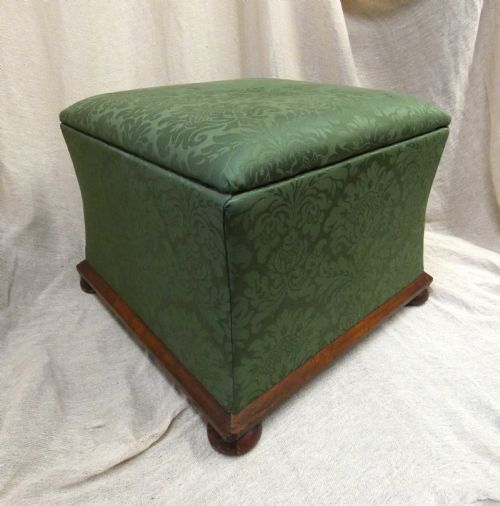


Vintage Fabric Footstool
A vintage fabric footstool brings warmth and texture to a room, offering a versatile seat or rest that grounds a traditional interior.
Vintage Fabric Footstool
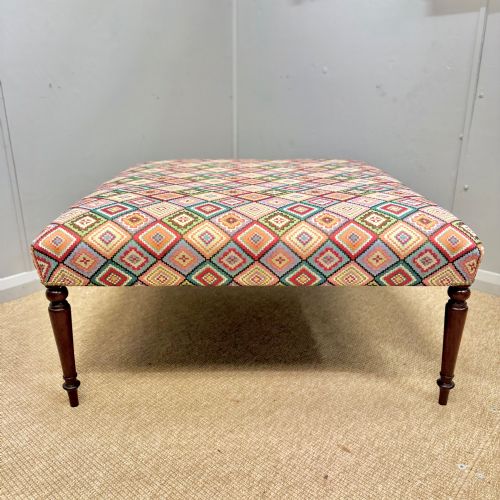
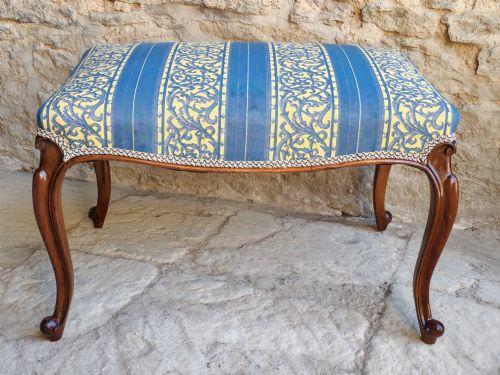
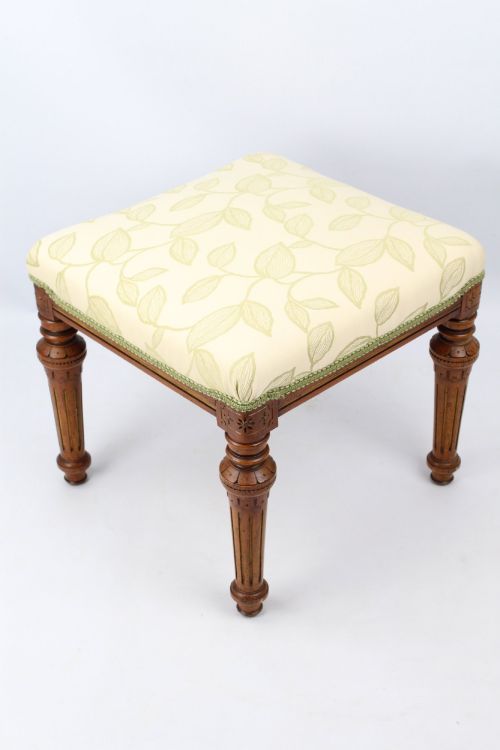
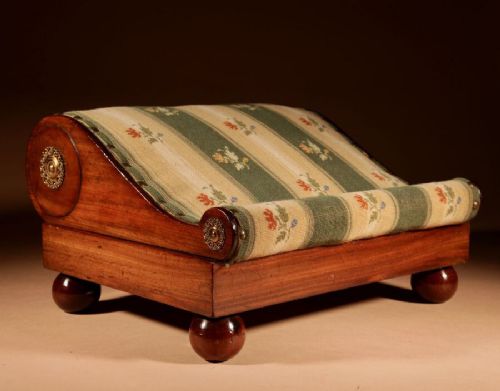
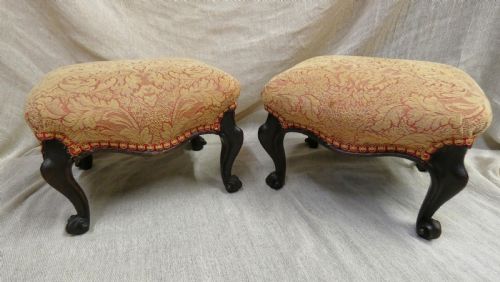
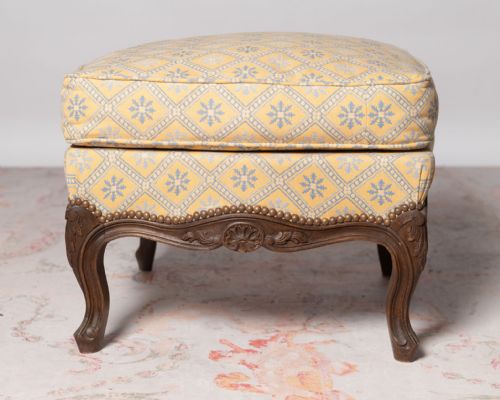
When you search for a vintage fabric footstool, you encounter a diverse selection of low seating forms designed for comfort and utility. The most common examples on this page hail from the Victorian and nineteenth-century periods, ranging from compact dressing table stools to large upholstered ottomans.
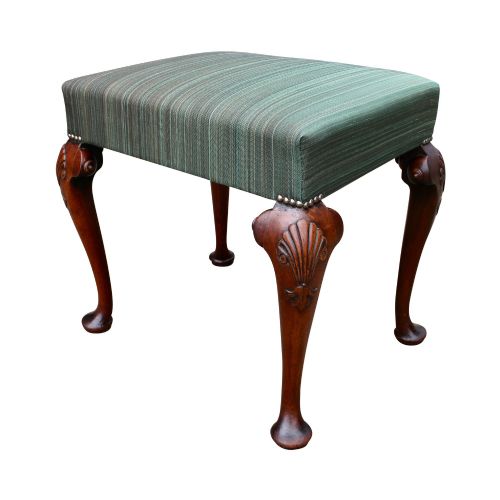
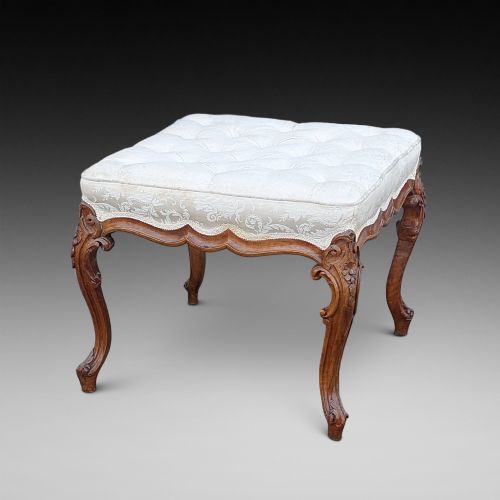
These pieces encompass various styles including English country house, Arts and Crafts, and Queen Anne revival. Forms vary from simple square cushions on cabriole legs to long window seats and concave blanket boxes covered in wool, cotton, and needlepoint.
How they were made
The frames are constructed from hardwoods such as mahogany, walnut, and oak, often shaped with turned or cabriole legs and sometimes finished with brass castors. Traditional joinery supports the weight, while the upper portions utilise solid timber foundations.
Upholstery techniques involve durable textiles including wool, cotton, kilim, and geometric or herringbone fabrics. Many pieces feature deep buttoning or needlepoint work applied over traditional stuffing materials.
Listings feature pieces spanning the eighteenth, nineteenth, and early twentieth centuries, constructed from mahogany, walnut, oak, and various fabrics.
What varies in quality
The distinction between standard examples and the finest pieces lies in the choice of timber and the sophistication of the frame carving. Superior items display refined woodwork, such as elegant cabriole legs or robust oak construction, alongside dense, supportive padding.
Another measure of distinction is the quality of the covering textile and the execution of the upholstery work. Pieces associated with notable makers or specific revival styles command greater interest due to their decorative presence and adherence to historical forms.
Howard & Sons·Morris & Co·Liberty & Co
The Vintage Fabric Footstool Glossary
- Cabriole leg
- A furniture leg that curves out and then in, resembling the leg of an animal. This form appears frequently on walnut and mahogany stools from the nineteenth century.
- Kilim
- A flatwoven textile originating from the Middle East or Eastern Europe. Such fabrics provide a durable and patterned covering for period footstools.
- Needlepoint
- Embroidery stitched on canvas to create a firm, decorative textile. This technique frequently decorates the tops of Victorian ottomans and dressing stools.
- Ottoman
- A low, upholstered seat or box without a back or arms. Versions from the nineteenth century often double as blanket boxes or window seats.
Vintage Fabric Footstool: Frequently Asked Questions
What is a vintage fabric footstool used for?
These pieces function primarily as footrests or extra seats in living rooms, bedrooms, and dressing areas. Larger examples also serve as low tables or blanket boxes.
Their substantial upholstery makes them practical for daily domestic use while adding a decorative layer to period and country house interiors.
How do I identify a Victorian footstool?
Victorian examples often feature turned wooden legs, mahogany or walnut frames, and deep buttoned upholstery or needlepoint covers. Many incorporate brass castors for mobility.
Stylistic cues range from heavy proportions to graceful cabriole legs reflecting revivals of earlier design periods.
Can I use an ottoman as a window seat?
Longer upholstered ottomans and window stools fit naturally beneath low window frames. Their length provides ample surface area for sitting or resting feet.
These pieces were frequently designed specifically for placement in hallways or beneath bay windows in nineteenth-century homes.
What woods were used for these stools?
Cabinet makers predominantly utilised mahogany, walnut, and oak for the structural frames of these pieces. Softer woods occasionally appear in concealed internal framework.
Exposed timber is often polished to a deep dark tone that complements the textile upholstery.