







Vintage Ethnic Rug
A vintage ethnic rug brings the rich nomadic and tribal heritage of Central Asia, Persia, and Anatolia straight onto the floor.
Vintage Ethnic Rug
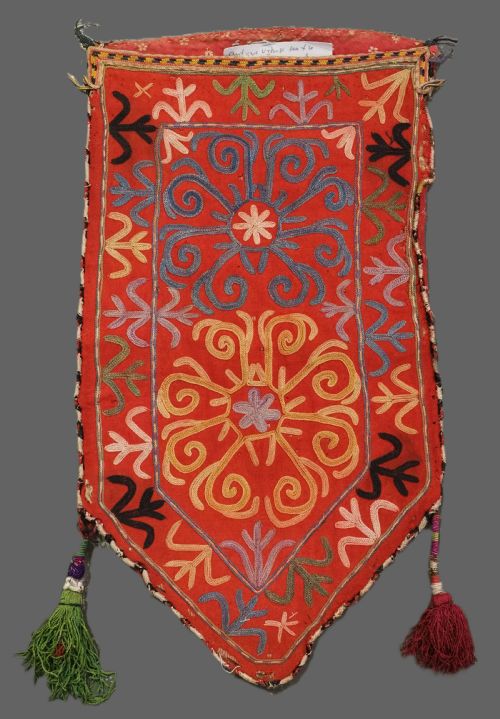
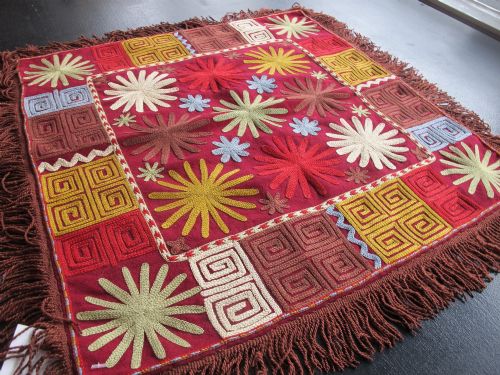
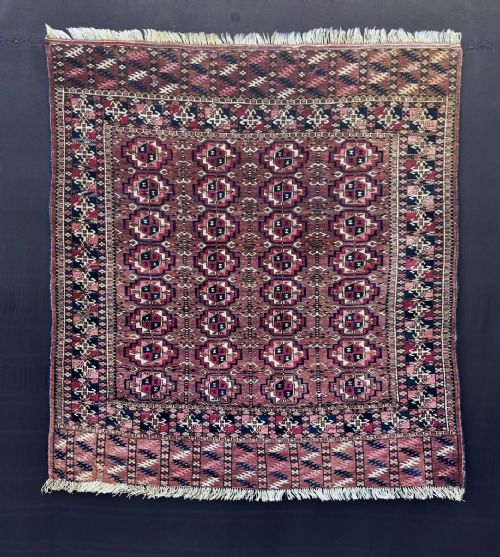
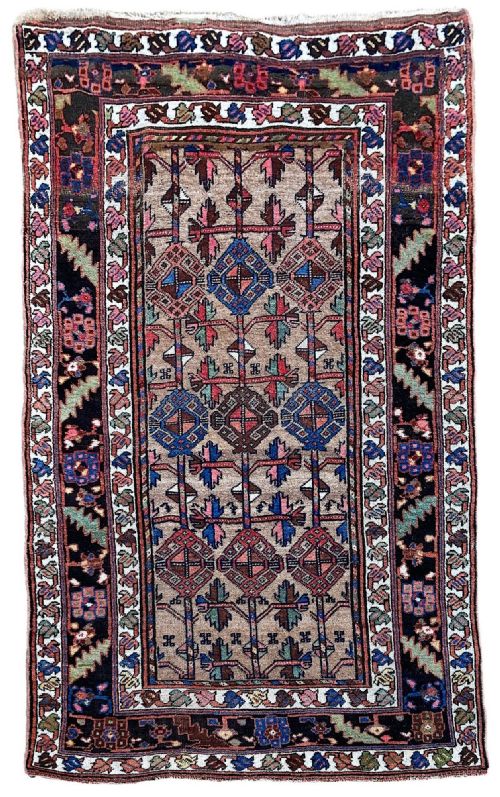
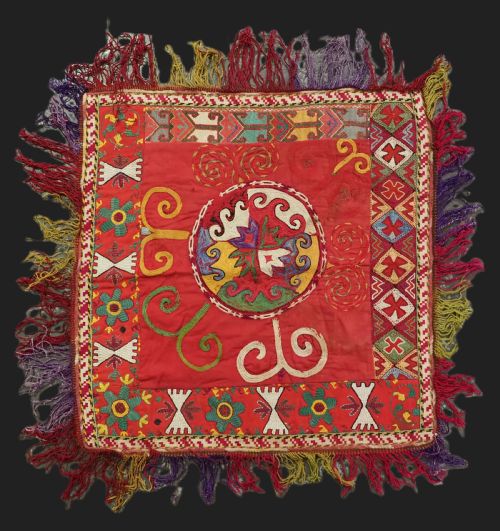
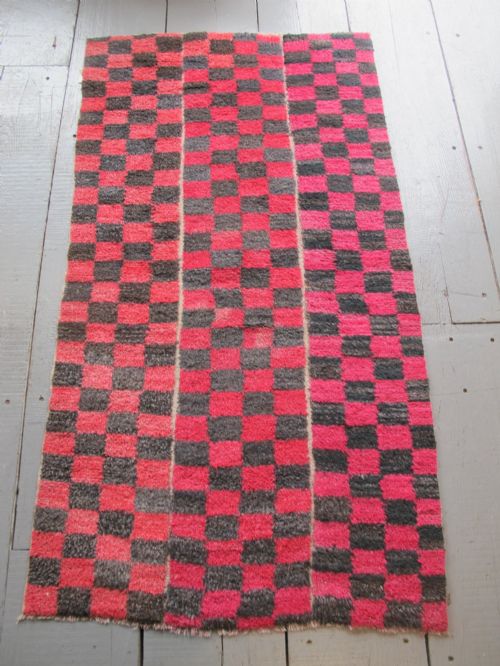
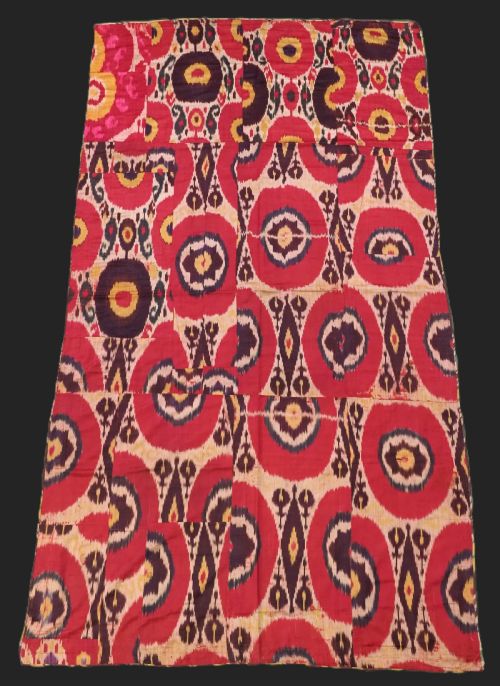
A vintage ethnic rug encompasses nomadic and tribal weavings, including Turkmen wedding rugs, Kurdish runners, and Anatolian kilims from the nineteenth and early twentieth centuries. These pieces originate from distinct tribal groups such as the Lakai, Yomut, and Teke, serving both practical functions in tents and yurts and ceremonial roles in dowries. Buyers encounter various formats on this page, ranging from floor carpets and runner rugs to wall hangings, yurt bands, and cushions.
The aesthetic of these textiles relies on geometric medallions, repeat patterns, and symbolic tribal motifs woven by village and nomadic makers. Pieces span from small meditation rugs and bag face cushions to large tent bands measuring many feet in length. Each item reflects the specific regional traditions of areas like the Trans-Caspian steppes, Uzbekistan, and north-west Persia.
Assessing quality in tribal textiles
Quality rests on the fineness of the weave, the crispness of the tribal motifs, and the integrity of the materials used in construction. Tightly packed knots in pile rugs or precise flat-weave structures in kilims indicate skilled handiwork by the weaver.
The complexity and completeness of the design, such as full-work embroidery on Suzanis or balanced repeat medallions on kilims, elevate a piece. Furthermore, the vibrancy and depth of natural dyes contribute significantly to the visual success of the textile.
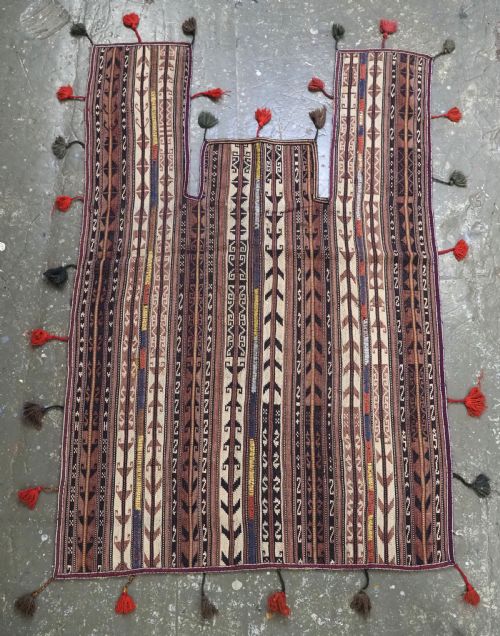
Some ceremonial horse blankets were dressed upon animals during special tribal gatherings and weddings.
The Vintage Ethnic Rug Glossary
- Kilim
- A flat-woven carpet or rug produced in countries of the former Ottoman Empire, Persia, and Central Asia. These pieces lack a pile, created instead by tightly interweaving warp and weft strands.
- Suzani
- A type of embroidered tribal textile made in Tajikistan, Uzbekistan, and other Central Asian nations. Makers typically stitch silk designs onto a cotton ground in specific regional formats.
- Torba
- A small storage bag produced by Turkmen and other nomadic tribes. These items frequently feature detailed guls and were used inside tents for domestic storage.
- Yurt
- A portable, round tent covered with skins or felt, used by nomads in the steppes of Central Asia. Textiles such as wall hangings and bands decorated these traditional dwellings.
- Gul
- A medallion-like design element used repeatedly in Turkmen and other Central Asian tribal carpets. Each pattern often identifies a specific tribe or clan.
Vintage Ethnic Rug: Frequently Asked Questions
What is a tribal rug?
A tribal rug is a hand-woven textile created by nomadic or village populations for daily domestic use, ceremonial events, or trade. These pieces use traditional motifs and local materials unique to specific cultural groups.
They differ from urban workshop carpets through their geometric designs and direct connection to regional nomadic lifestyles across Central Asia, Persia, and Anatolia.
How were antique kilims used?
Antique kilims served multiple functions within nomadic and village settings, acting as floor coverings, blankets, and decorative wall panels. Their flat-woven structure made them lightweight and adaptable for life in tents and yurts.
Nomadic families also utilised them for transport bags and domestic storage, integrating practical utility with traditional patterns.
What is a Suzani embroidery?
A Suzani is a large, decorative embroidered textile originating from Uzbekistan and surrounding regions, traditionally made by brides as part of their dowry. Artisans stitch vibrant silk threads onto cotton grounds using chain, satin, or blanket stitches.
These pieces typically feature large floral roundels and prayer formats, serving as wall hangings or bed covers in Central Asian homes.
How do I identify tribal regions?
Identifying tribal origins involves examining the specific motifs, colour palettes, and structural techniques characteristic of different weaving groups. Turkmen tribes often employ distinct guls, while Kurdish and Baluch weavers favour specific geometric layouts and wool qualities.
Regional variations in materials, such as the use of yellow cotton grounds in certain Uzbek Suzanis, provide further clues to provenance.