


Vintage Etching Frame
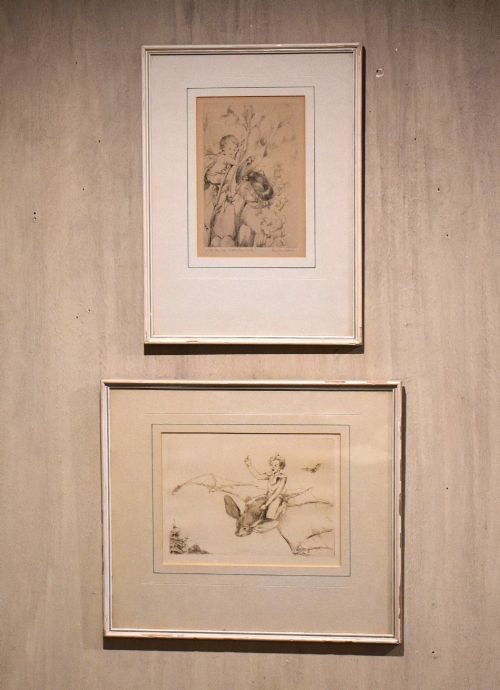
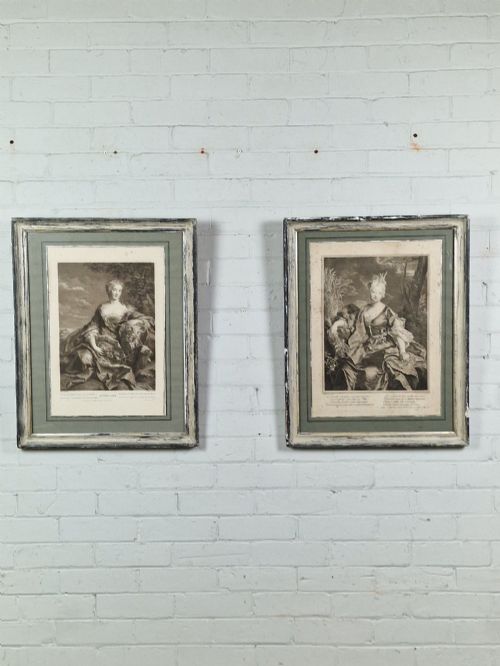
A vintage etching frame holds delicate works on paper, uniting period prints and mirrors within wood, metal and glass.
Vintage Etching Frame
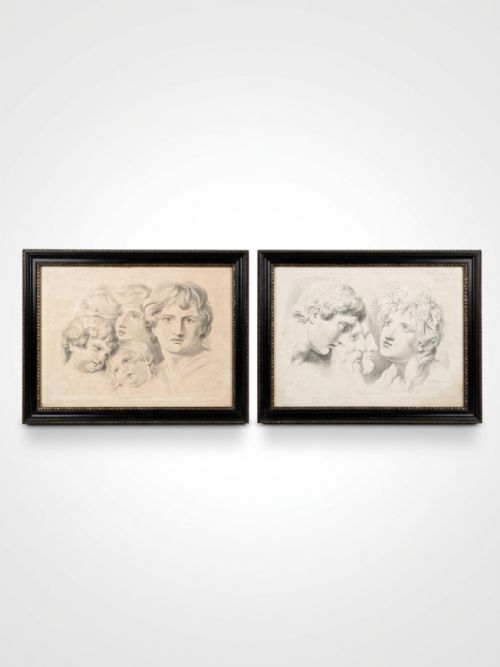
When you search for a vintage etching frame, you encounter a mix of antique engravings, etchings, drypoints, and mirrored plates housed in period surrounds. The selection spans the seventeenth century through to the early decades of the twentieth century, capturing diverse aesthetic movements.
You are most likely to meet pieces originating from the Victorian, Edwardian, and Art Deco eras alongside eighteenth-century works. These items bridge decorative wall art and protective enclosures, functioning as both frames and integral components of the visual objects they hold.
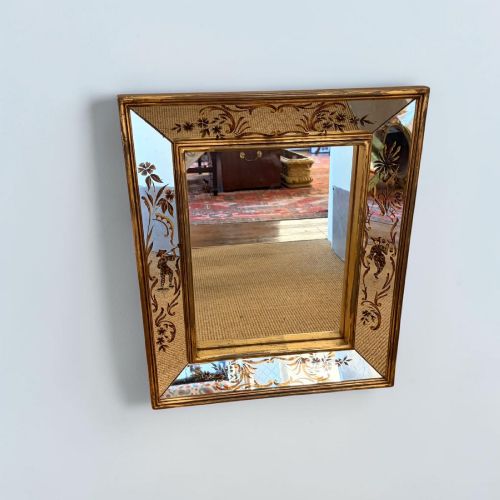
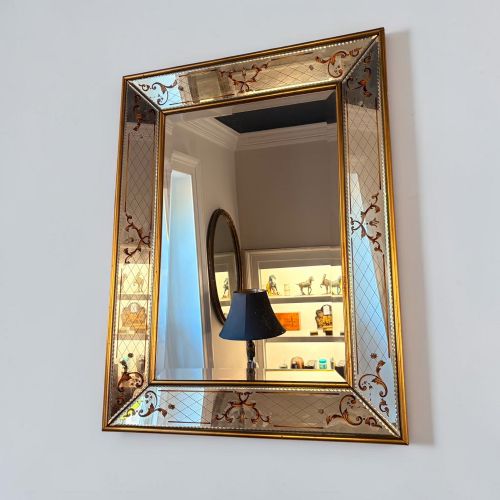
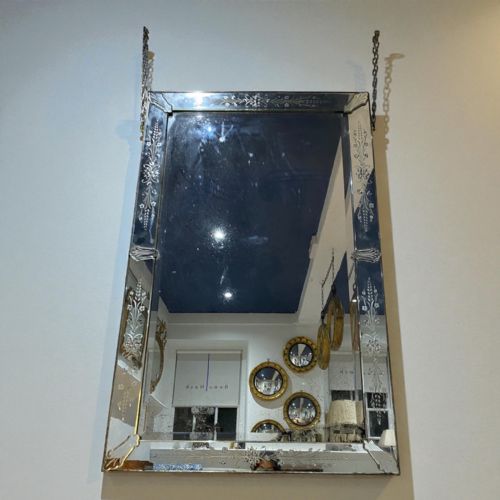
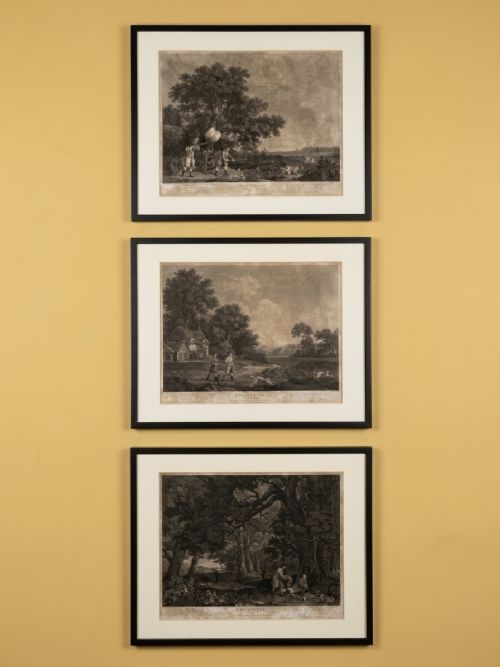
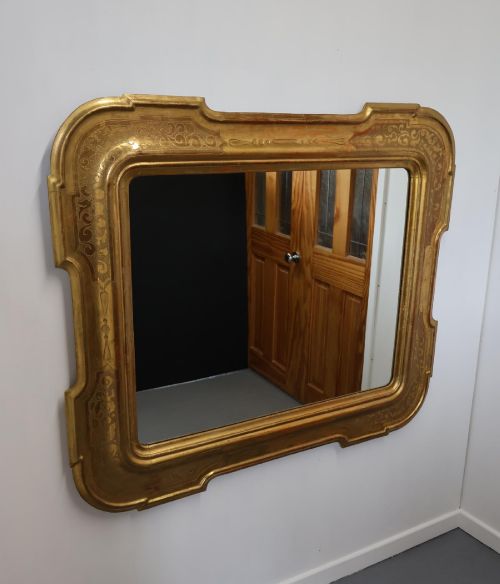
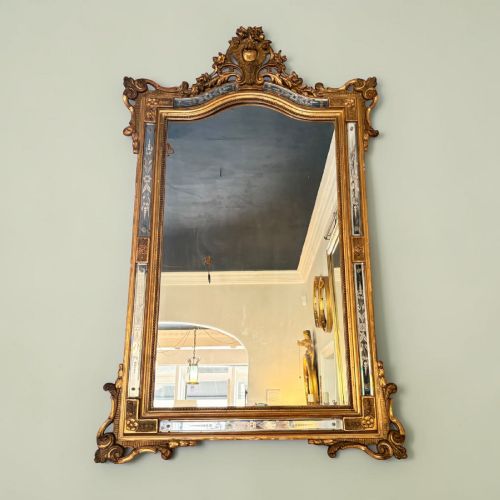
The forms encompass framed prints, wall mirrors with etched plates, and detailed paper artworks. Origins range from British sporting scenes to Venetian glass and French Rococo styling.
How they were made
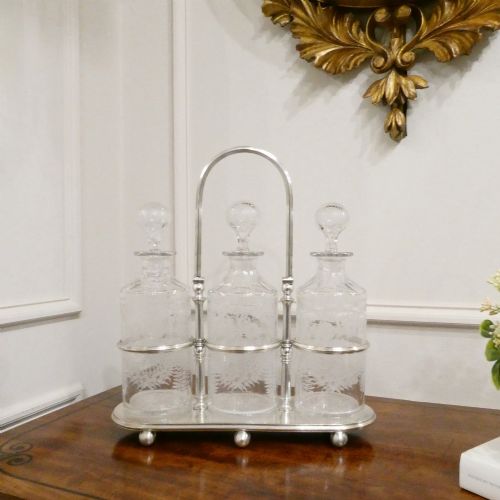
Makers utilised traditional timber frames, often embellished with gold leaf, giltwood, or gilt bronze to house paper and ink works. Glass and mirrored glass served dual purposes, protecting delicate etchings or forming the reflective surface of eglomise wall mirrors.
Metal components, including brass and bronze, appear in structural mounts and lanterns, while vellum and paper provide the grounding for inked prints and drypoints. Hand-coloured copper engravings demonstrate meticulous application of pigment over inked lines.
Vintage Etching Frame Retail Price Guide 2026
Typical asking prices for vintage etching frame among the pieces listed under this phrase on Sellingantiques today, from the lower quarter to the upper quarter. They describe what is for sale here now, not the wider market.
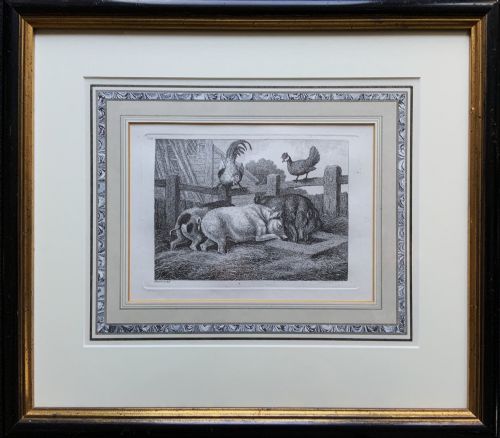
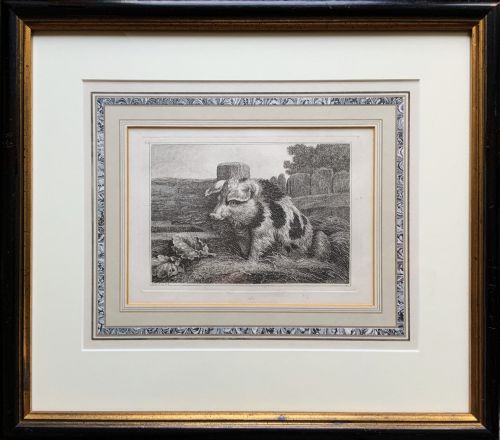
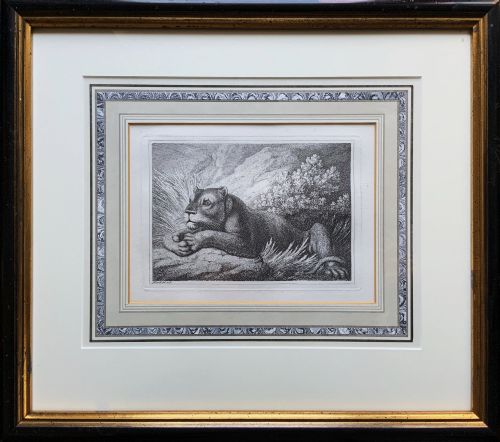
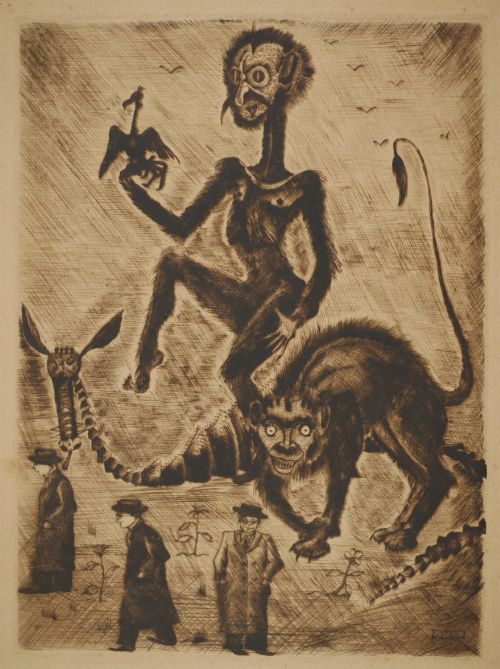
Several etchings capture unexpected subjects, including farmyard pigs, recumbent lions, and seventeenth-century theatrical spirits.
What varies in quality
The distinction between tiers rests upon the precision of the carving, the integrity of the gilding, and the clarity of the underlying print or mirror plate. Hand-signed artist proofs and early impressions command greater attention due to the sharpness of the ink on paper or vellum.
Gilt-wood surrounds and carved frames display varying depths of craftsmanship, from simple oak mouldings to intricate Italian Rococo and French styling. The harmony between the frame and the artwork determines the overall coherence of the piece.
Marjorie L Davies·Samuel Howitt·William Woollette·Kurt Lorein·Kurt Meyer Eberhardt·Edward Fisher·John Faber Jr·Herbert Dicksee·Louis Icart
The Vintage Etching Frame Glossary
- Drypoint
- A intaglio printmaking technique where an image is scratched directly into a metal plate with a hard-needle point. This creates a rich, velvety burr that holds ink during printing.
- Eglomise
- A process of applying a design and gold or silver leaf to the reverse side of glass. It creates a reflective, mirrored finish with deep lustre.
- Mezzotint
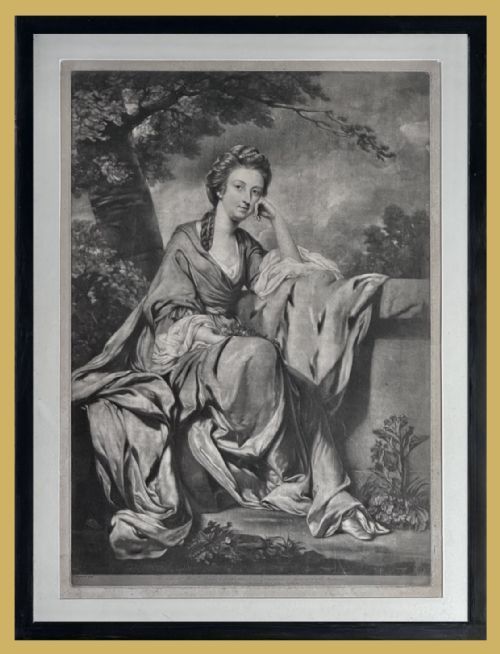
- A printmaking process of the intaglio family where the plate is roughened evenly and then smoothed in areas to produce tones. It yields subtle gradations of light and shade.
- Vellum
- A fine parchment made from calfskin, used as a durable surface for printing and drawing. It offers a smooth, creamy texture that absorbs ink differently than paper.
Vintage Etching Frame: Frequently Asked Questions
How do I date a frame?
Dating relies on examining the construction methods of the wood, the type of joinery utilised, and the materials present in the backing. Stylistic indicators such as Rococo curves or Edwardian brass also provide chronological clues.
Matching the period of the frame with the era of the enclosed print or mirror plate confirms authenticity. Alterations over time remain common in older pieces.
Can I replace the glass safely?
Replacing glass requires attention to the original rebate depth and the preservation of historic backing papers. Original glass often exhibits subtle distortions and bubbles unique to its period of manufacture.
Specialist framers handle fragile paper works and antique frames without compromising their structural integrity. Retaining original glazing maintains the historic value of the piece.
How should I hang these mirrors?
Hanging heavy giltwood and eglomise mirrors demands appropriate wall fixings suited to the weight of the timber and glass. Wall anchors must support the secure brackets attached to the frame structure.
Positioning away from direct sunlight protects both the gilded surfaces and the delicate inks on paper etchings. Stable indoor humidity prevents warping in antique wood.
What is an artist proof?
An artist proof is an impression taken from a printmaking plate to test the progress of the work. These impressions remain outside the main commercial edition and often bear the signature of the creator.
Collectors prize artist proofs for their early pull quality and direct association with the printmaker. They frequently exhibit superior ink definition compared to later editions.