






Vintage Equestrian Stand
A vintage equestrian stand brings the practical craft of the stable and country house directly into the hallway.
Vintage Equestrian Stand
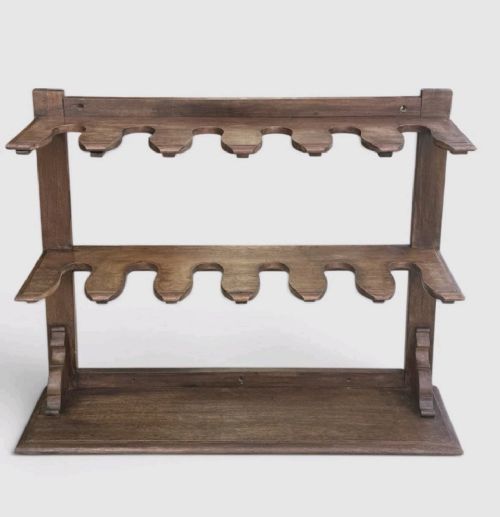
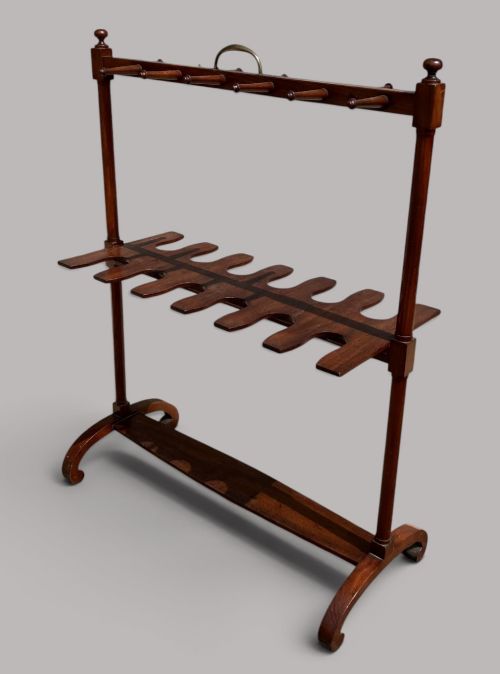
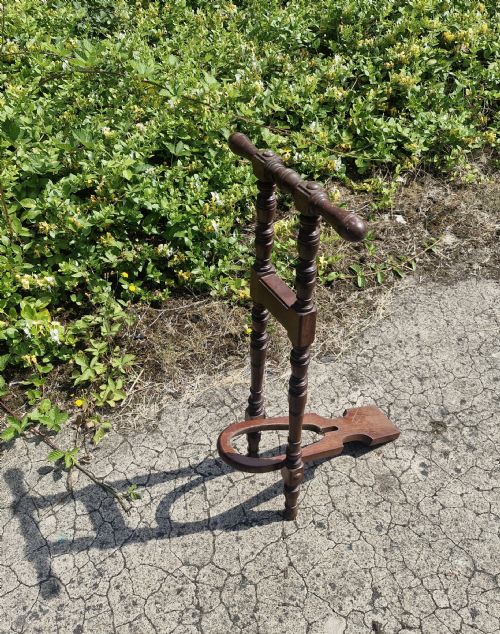
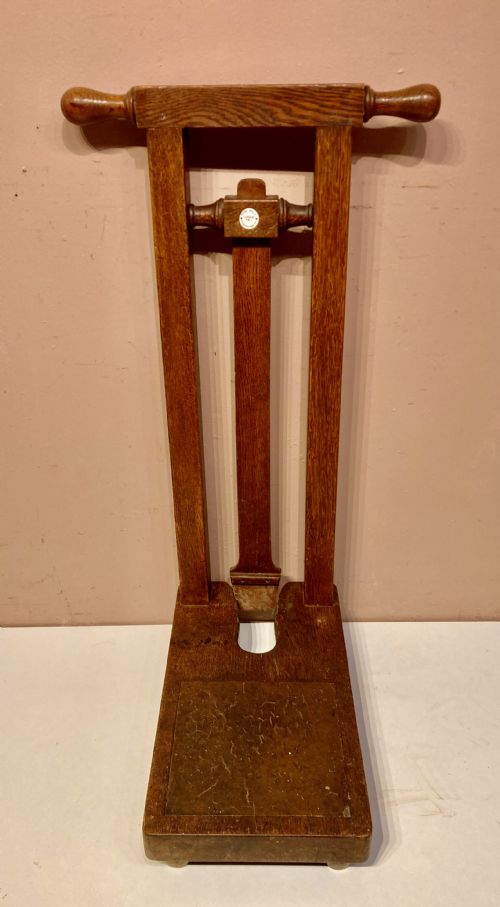
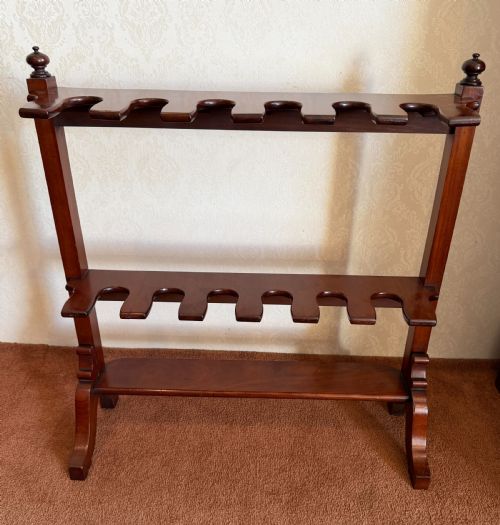
A vintage equestrian stand encompasses functional hall furniture and decorative objects designed for riding equipment, most commonly encountered as mahogany boot racks, boot jacks, and whip stands from the nineteenth century.
The selections span distinct domestic forms, including Georgian, Regency, and Victorian country house pieces intended for practical daily use in entrance halls and boot rooms.
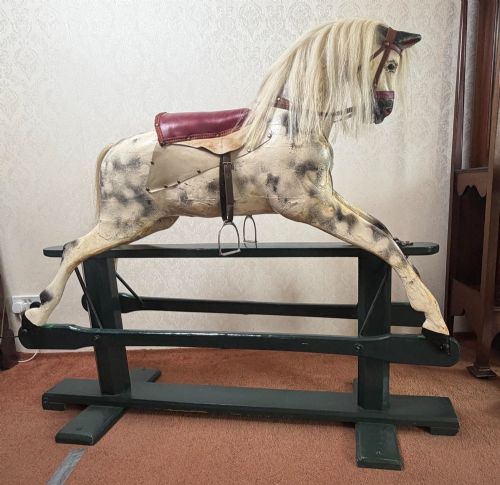
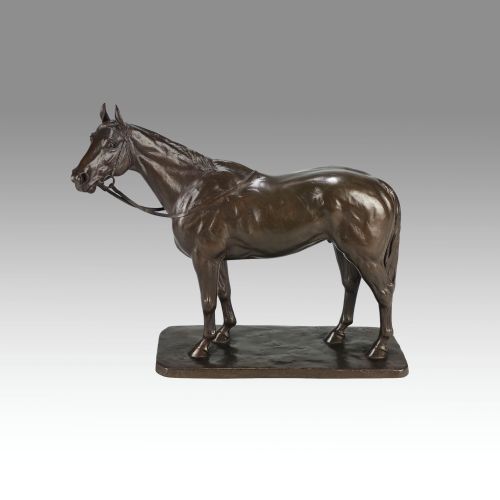
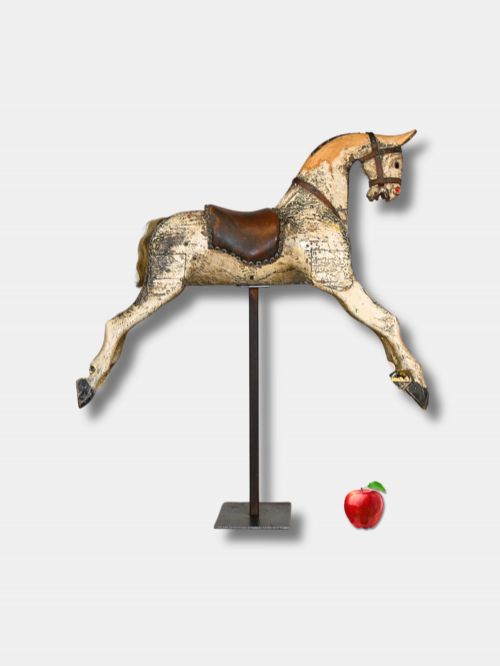
Beyond standard boot and whip storage, the category extends to carved wooden rocking horses on stands and occasional bronze animal sculptures dating from the Edwardian era and the early twentieth century.
Materials and construction methods
Makers constructed these items predominantly from dense hardwoods such as mahogany, oak, and walnut, frequently selecting timber for its strength and ability to withstand damp riding gear.
Metal components appear widely in the form of brass mounts, cast iron frames, and iron fittings that reinforce joints and provide secure hanging points for heavy boots and riding crops.
Secondary elements include traditional horsehair stuffing in upholstery, carved wooden toy construction, and fitted leather details designed for regular physical handling.
Vintage Equestrian Stand Retail Price Guide 2026
Typical asking prices for vintage equestrian stand among the pieces listed under this phrase on Sellingantiques today, from the lower quarter to the upper quarter. They describe what is for sale here now, not the wider market.
Evaluating craftsmanship and condition
Quality rests in the integrity of the timber joints, the crispness of hand-carved wooden details, and the survival of original surfaces rather than modern refinishing.
Superior examples retain their structural stability under heavy loads of leather footwear and incorporate high-grade brass or iron hardware that shows appropriate age without structural compromise.
Provenance and originality dictate distinction, separating utilitarian workshop pieces from documented country house furnishings and works bearing identifiable maker signatures.
Tom Hill·Kunio Itô·Collinsons
The Vintage Equestrian Stand Glossary
- Boot jack
- A V-notched wooden device used for removing riding boots without bending down. It often folds flat or forms part of a larger hall stand.
- Boot rack
- A sloped or pegged wooden frame designed to store riding boots upside down to preserve the leather and prevent dust accumulation.
- Rocking horse
- A carved wooden toy mounted on bow rockers or a safety swing frame, popular in Victorian and twentieth-century nurseries.
- Whip stand
- A specialised rack or vertical holder featuring individual slots to organise riding crops and hunting whips in a hall or cloakroom.
- Country house style
- An eclectic English aesthetic combining robust utilitarian furniture with well-used sporting equipment and regional vernacular pieces.
Vintage Equestrian Stand: Frequently Asked Questions
What is an equestrian stand used for?
These pieces served practical roles in country houses and stables, specifically for organising riding boots, whips, and spurs.
Today, they function effectively in modern hallways as dedicated storage for muddy boots, umbrellas, and coats.
How do I date a wooden boot rack?
Dating relies on timber selection, tool marks, and construction techniques, such as hand-cut dovetails or traditional brass screw fixings.
Victorian and Georgian pieces typically display dense mahogany or oak with patination accumulated from decades of handling.
Are rocking horses considered equestrian stands?
Carved wooden rocking horses on stands share the same category and material traditions as stationary horse-related furnishings from the nineteenth century.
Both items demonstrate the period fascination with equine craftsmanship and child or sporting life.
Where should I place a boot rack at home?
A boot rack suits entrance halls, mudrooms, and porches where damp footwear and walking gear require orderly storage.
Keeping them away from direct heat sources protects the antique wood and leather elements from drying out and splitting.