





Vintage Equestrian Figurine
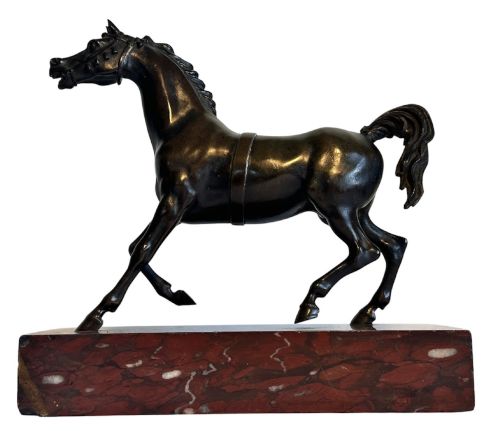
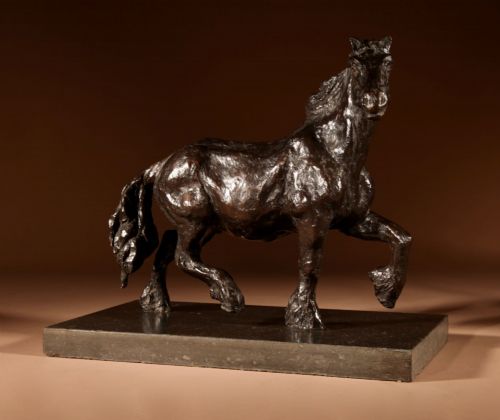
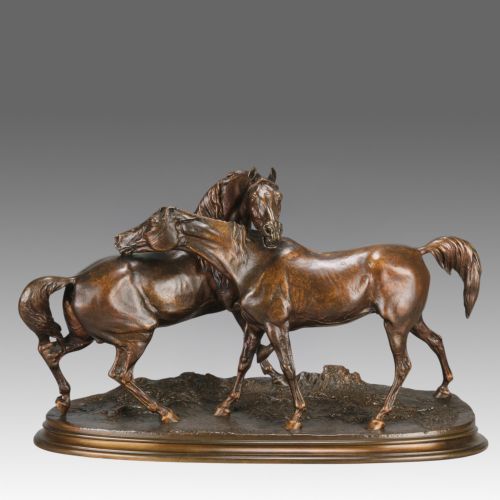
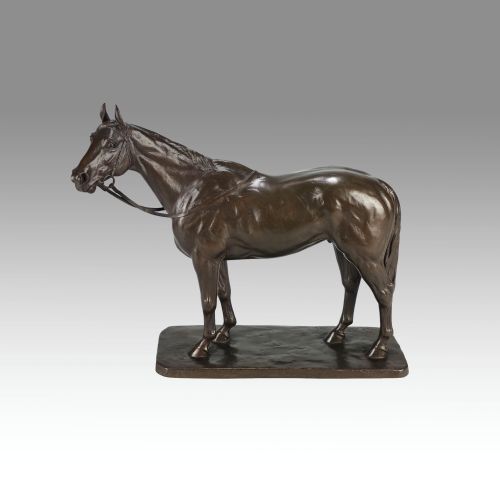
These vintage equestrian figurine selections capture the power and movement of horses through bronze, brass, wood, and earthenware.
Vintage Equestrian Figurine
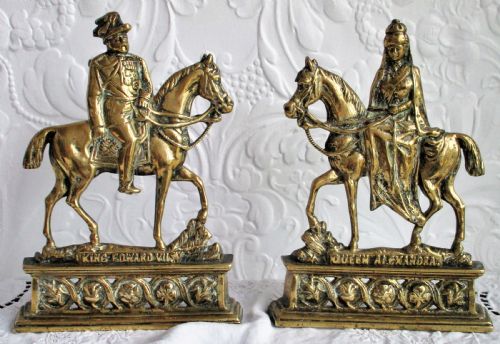
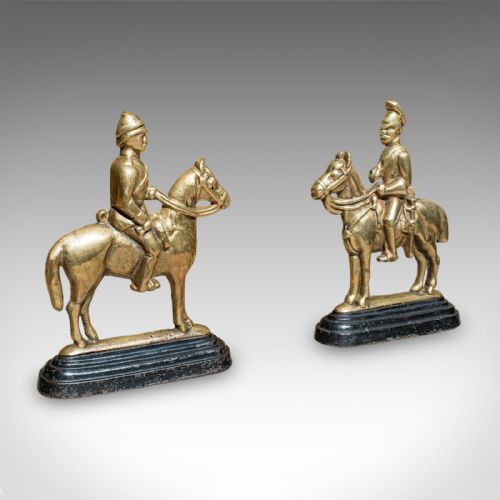
When searching for a vintage equestrian figurine, collectors encounter diverse representations of horses, riders, and racing scenes spanning multiple centuries. These objects range from functional brass doorstops and chimney ornaments to finely cast bronze sculptures and hand-carved wooden studies.
The most common examples on this page reflect Victorian and Art Deco tastes, often taking the form of animalier studies or depictions of jockeys, polo players, and historical figures on horseback. Originating from English, French, Italian, and Asian workshops, these pieces vary from small cabinet ornaments to large statues mounted on marble plinths.
How they were made
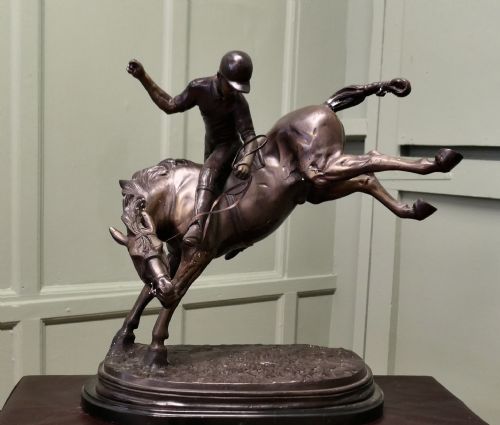
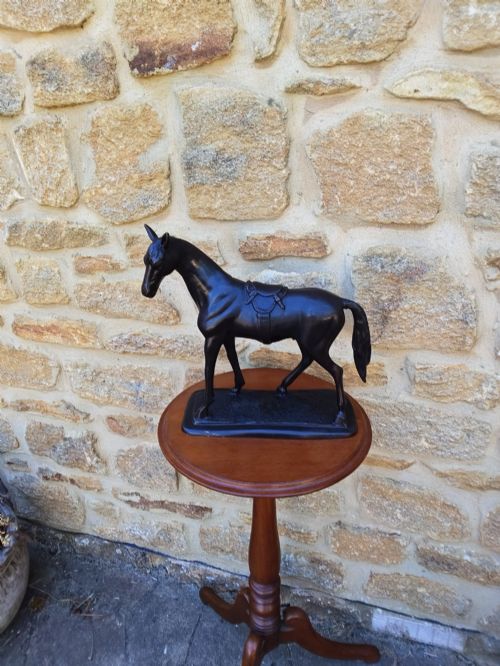
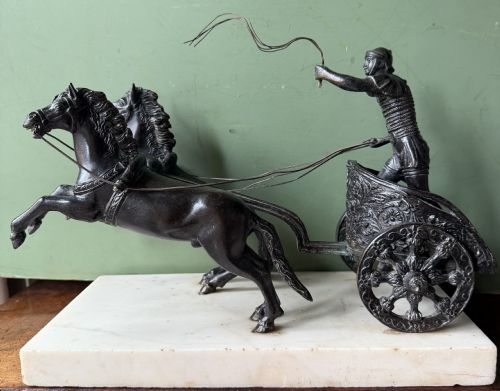
Metals dominate the selection, with bronze cast using traditional lost-wax methods and brass formed through casting or stamping to create sturdy figures and heavy doorstops. Many bronze casts sit on fitted marble or wood bases, sometimes enhanced with patination, gilding, or enamel details.
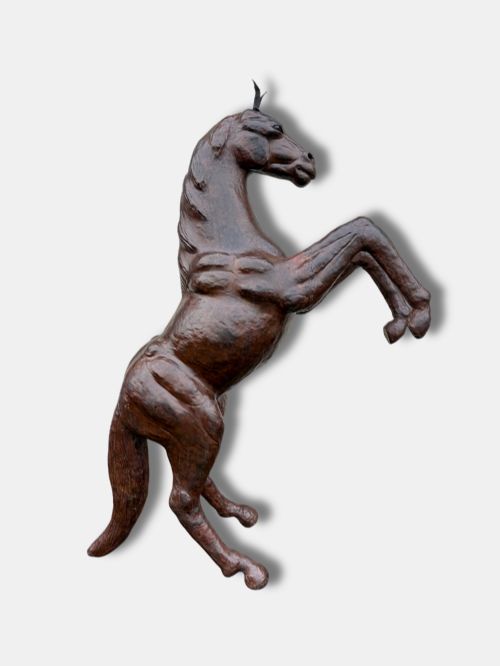
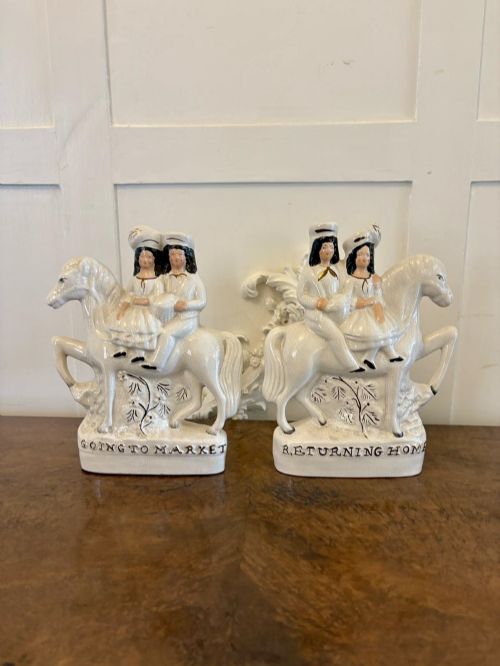
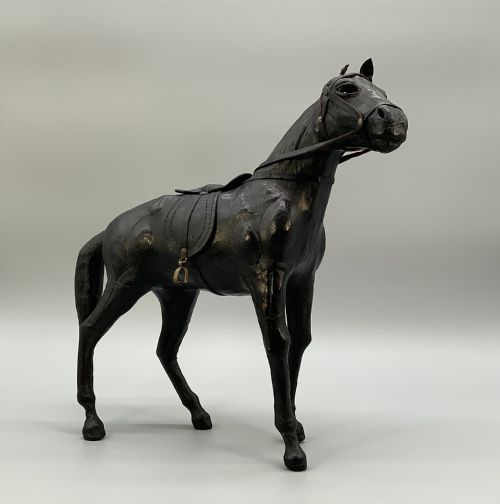
Earthenware and ceramic versions utilise moulded earthenware with hand-painted glazes, such as Staffordshire flatback figures and Sancai styles. Artisans also constructed striking sculptural forms using leather stretched over internal armatures or through the hand-carving of solid wood.
Vintage Equestrian Figurine Retail Price Guide 2026
Typical asking prices for vintage equestrian figurine among the pieces listed under this phrase on Sellingantiques today, from the lower quarter to the upper quarter. They describe what is for sale here now, not the wider market.
Listings feature pieces fashioned from bronze, brass, wood, earthenware, and leather across the nineteenth and twentieth centuries.
What varies in quality
The standard of a casting or carving dictates much of its distinction, separating crisp anatomical detail and fluid movement from stiff or generalised forms. Superior pieces display careful chiselling and finishing after casting, whereas lesser examples retain surface pitting and blunt edges.
Material integrity and the quality of the base also influence the work, as genuine marble plinths, robust patination, and well-preserved surface finishes elevate the presence of the sculpture. Maker signatures and foundry marks add documented provenance that distinguishes master animalier bronzes from anonymous factory output.
Liberty of London·P J Mene·Jules Bonheur·Kunio Ito·Pierre Lenordez·Xavier Raphanel·Franz Bergman
The Vintage Equestrian Figurine Glossary
- Animalier
- A nineteenth-century artistic movement focusing on the realistic portrayal of animals, particularly horses and hounds in dynamic poses. French sculptors excelled in this genre.
- Flat back
- A style of ceramic figure moulded with a detailed front and a flat, unglazed or minimally finished reverse designed to sit against a mantelpiece. These are typical of nineteenth-century Staffordshire potteries.
- Grand tour
- A term for souvenir pieces, often in bronze or marble, purchased by travellers in Italy during the eighteenth and nineteenth centuries. These studies frequently reproduced classical sculptures or monuments.
- Lost-wax
- A metal casting method where a wax model is rendered into a mould, melted out, and replaced with molten bronze. This technique allows for exceptional capture of fine musculature and detail.
- Patina
- The surface sheen or colour acquired by metal, wood, or leather through age and handling, or applied chemically by an artist. A fine patina enhances the visual depth of a bronze sculpture.
Vintage Equestrian Figurine: Frequently Asked Questions
What is an animalier bronze horse?
An animalier bronze horse is a nineteenth-century sculpture focused on the realistic and energetic depiction of equine anatomy. These works were produced primarily by European artists who studied the movement of horses in action.
Such pieces often capture horses rearing, racing, or standing alert, reflecting a deep fascination with naturalism during the period.
How were brass horse doorstops used?
Brass horse doorstops served the practical purpose of holding heavy interior doors open in grand homes during the Victorian era. Their substantial weight kept doors stationary while adding an ornamental touch to hallways.
Over time, these functional objects transitioned into decorative collectibles valued for their robust casting and warm metallic finish.
How do I identify a Victorian equestrian figure?
Victorian equestrian figures often display specific stylistic cues such as Staffordshire pottery glazes, brass casting marks, or detailed human figures like jockeys and soldiers on horseback. The clothing and tack depicted on the riders generally align with nineteenth-century fashions.
Examining the underside, base materials, and manufacturing techniques helps confirm the period of origin.
Where should I display a heavy bronze sculpture?
Heavy bronze sculptures require sturdy furniture such as sideboards, heavy wooden tables, or dedicated pedestals that can support their substantial weight. Placing them away from high-traffic edges prevents accidental tipping.
Displaying them in areas with stable humidity also protects any integrated marble bases or delicate patinated surfaces.